What a Conveyor Idler Frame Does
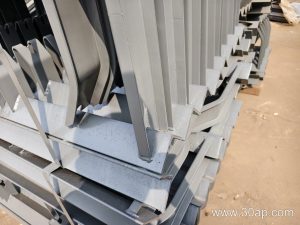
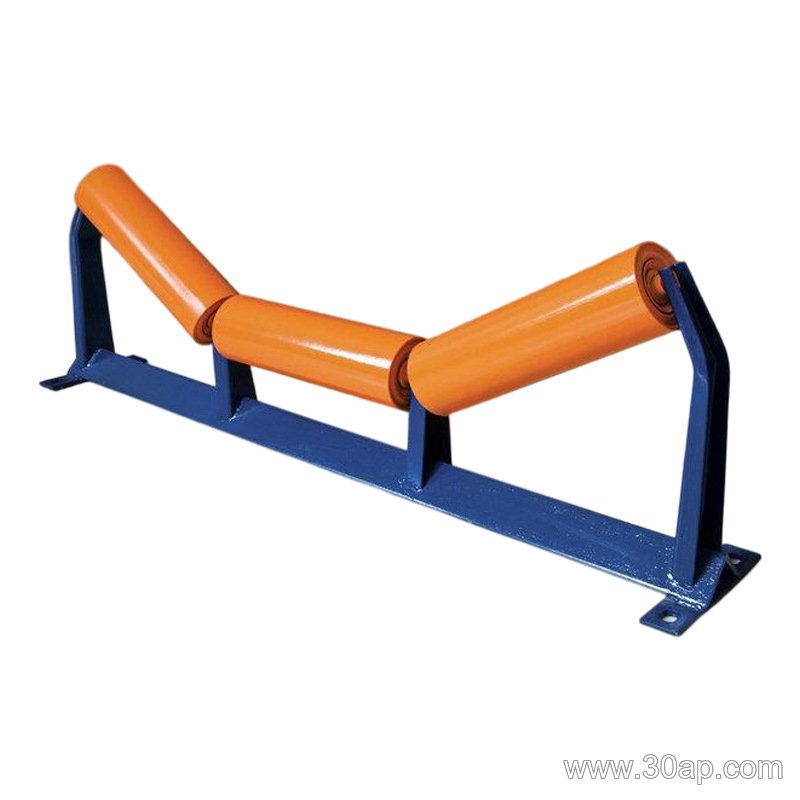
A conveyor idler frame, also called a roller bracket or idler support, is the steel structure that holds idler rollers at the correct angle and spacing along a belt conveyor. It keeps the belt in a stable trough, absorbs the weight of the material, and allows the rollers to spin freely. Without a properly aligned frame, the belt can drift, the rollers can wear unevenly, and the whole conveyor becomes inefficient.
This frame is not a drive pulley, tail pulley, or bend pulley. Those components transmit power or change belt direction. The idler frame simply supports the belt between those pulleys. It is a passive but critical part of the conveyor structure.
How It Is Built
Most frames are made from angle steel, channel steel, or folded steel plate. The choice depends on the load, belt width, and environment. A typical troughing idler frame has three or more roller mounting positions. The side rollers are set at a trough angle, while the center roller sits flat or slightly raised.
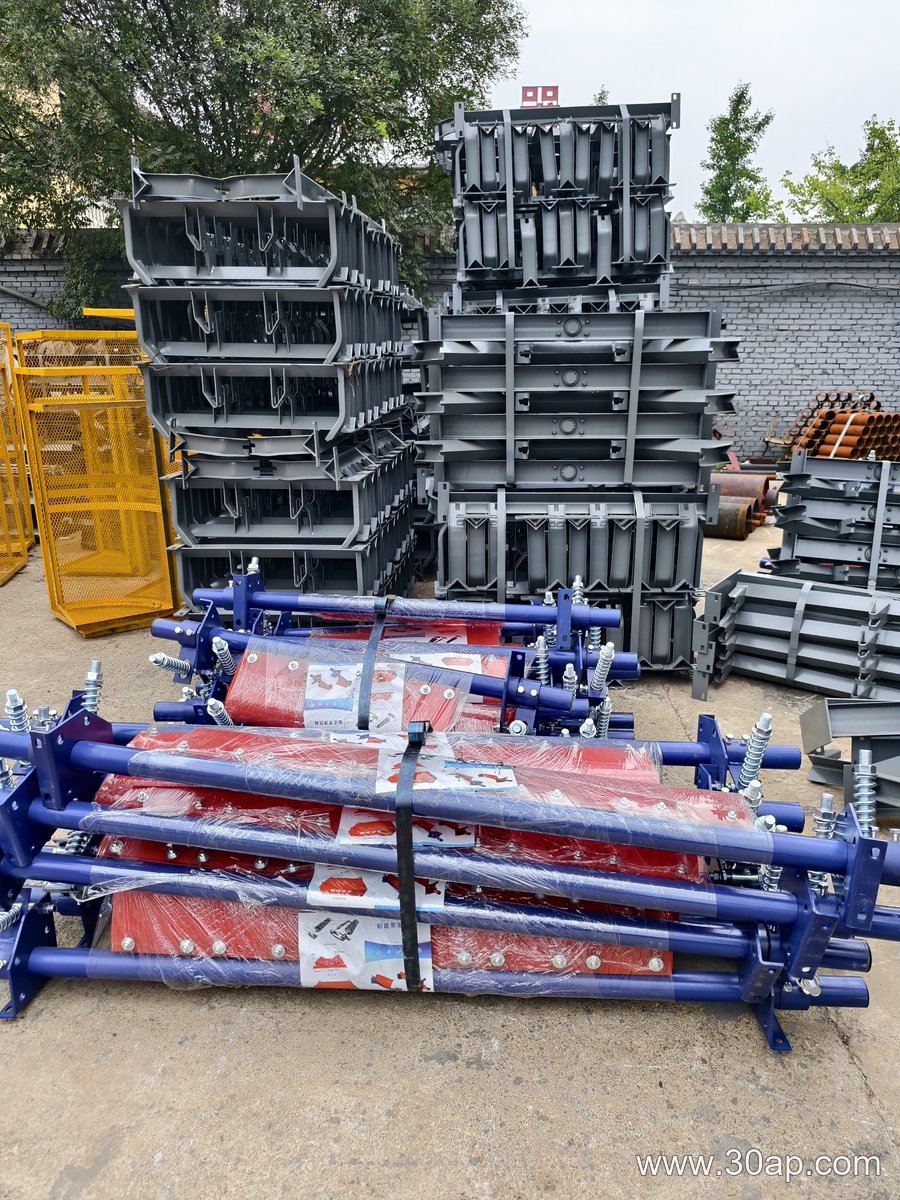
Common trough angles include 20, 30, 35, and 45 degrees. Adjustable frames can be set to different angles within that range, which helps when a conveyor handles different materials or needs fine tuning. Forward tilt, often about 1.5 to 2 degrees, is sometimes built into the side roller mounts to help center the belt.
The frame connects to the conveyor structure through mounting holes or brackets. The hole spacing and beam length usually change with belt width and trough angle. For example, a B800 frame with 35-degree trough and Ø108 rollers will have different dimensions than a B1200 frame with 45-degree trough and Ø133 rollers. These are common combinations, not fixed rules. The same belt width can work with different roller diameters and trough angles depending on the design.
Main Types and Where They Fit
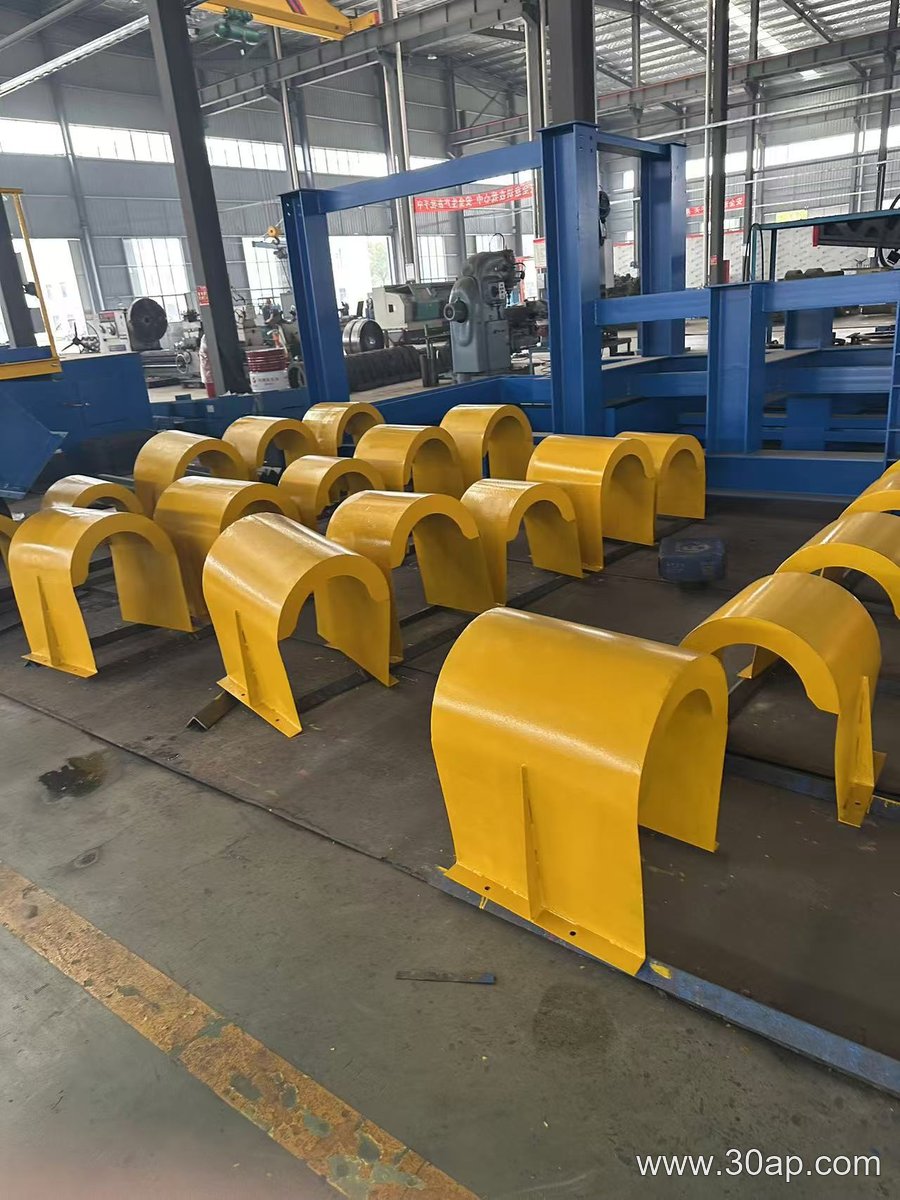
Conveyor idler frames come in several forms, each matched to a position on the belt line.
- Troughing idler frame – supports the carrying side of the belt and forms the trough. It is the most common type on the load-carrying section.
- Return idler frame – supports the empty belt on the return run. A flat return frame or V-shaped return frame keeps the belt from sagging.
- Impact idler frame – used at loading points where material falls onto the belt. It is built heavier and often holds impact rollers with rubber rings.
- Self-aligning frame – includes pivoting or angled rollers that help correct belt misalignment. It is useful on long conveyors or where the belt tends to wander.
- Suspended frame – hangs from the conveyor structure by chains or rods. It is common in some bulk handling lines where easy roller replacement is needed.
Other types like transition frames, spiral roller frames, and adjustable frames serve specific needs. A transition frame, for instance, supports the belt between the last troughing idler and the pulley, helping the belt change shape gradually. This is different from a bend pulley, which changes the belt path. The frame only supports; the pulley redirects.
Where These Frames Are Used
You will find conveyor idler frames in almost any bulk material handling system. In a limestone quarry, they carry heavy rock on the main haulage belt. In a coal washing plant, they support the belt through wet and abrasive conditions. Other common places include sand and gravel lines, crushing and screening plants, cement plants, and power plant coal feeding systems.
The working environment affects the frame design. A quarry may need reinforced frames and impact frames at transfer points. A food or grain silo may need frames that are easy to clean and resist corrosion. A port conveyor handling fertilizer may require coated or stainless options. The frame itself does not change the material, but it must survive the conditions around it.
What a Buyer Should Consider
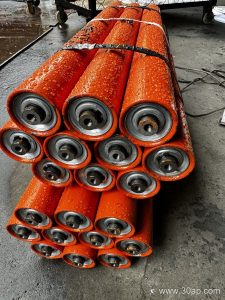
When selecting a conveyor idler frame, start with the belt width and the required trough angle. Then match the roller diameter. Common roller diameters include Ø89, Ø108, Ø133, Ø159, and Ø194. The frame must have the correct mounting dimensions for those rollers. Do not assume a fixed shaft diameter from belt width alone; the roller manufacturer and load rating determine that.
Check the frame material and thickness. Lighter folded plate frames suit small conveyors, while heavy channel or angle frames are better for high tonnage. If the belt has a tendency to misalign, consider self-aligning or forward-tilted frames. For maintenance, quick-release or suspended designs can save time when changing rollers.
Finally, remember that a conveyor idler frame works together with the conveyor belt, idler rollers, and pulleys. A good frame keeps the belt running true and the rollers turning. A poor one causes wear, spillage, and downtime. The right choice depends on the duty, the environment, and the belt width, not on a single universal size.