What a Copper Ore Conveyor Belt Does
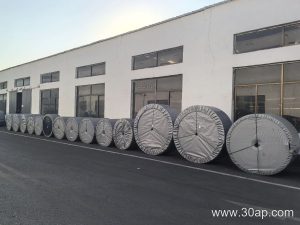
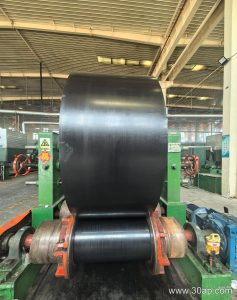
A copper ore conveyor belt is the load-bearing element that moves crushed or screened copper-bearing rock from the mine face, crusher discharge, or stockpile to the next stage of handling. Because copper ore is dense, sharp-edged, and often wet or dusty, the belt must resist cutting, abrasion, and impact while keeping a stable tracking path over idlers, pulleys, and brackets. In practice, this duty is usually met by a heavy-duty rubber conveyor belt built on a fabric or steel cord carcass, with cover grades selected for the specific site conditions.
The same product is also described as an ore conveyor belt or a mining conveyor belt. These are equivalent names for the belt itself, not for the drive, tail, or bend pulleys that support it. A buyer comparing quotations should confirm that the carcass, cover thickness, and width all match the conveyor design, rather than assuming one belt width fits every pulley arrangement.
Construction and Common Configurations
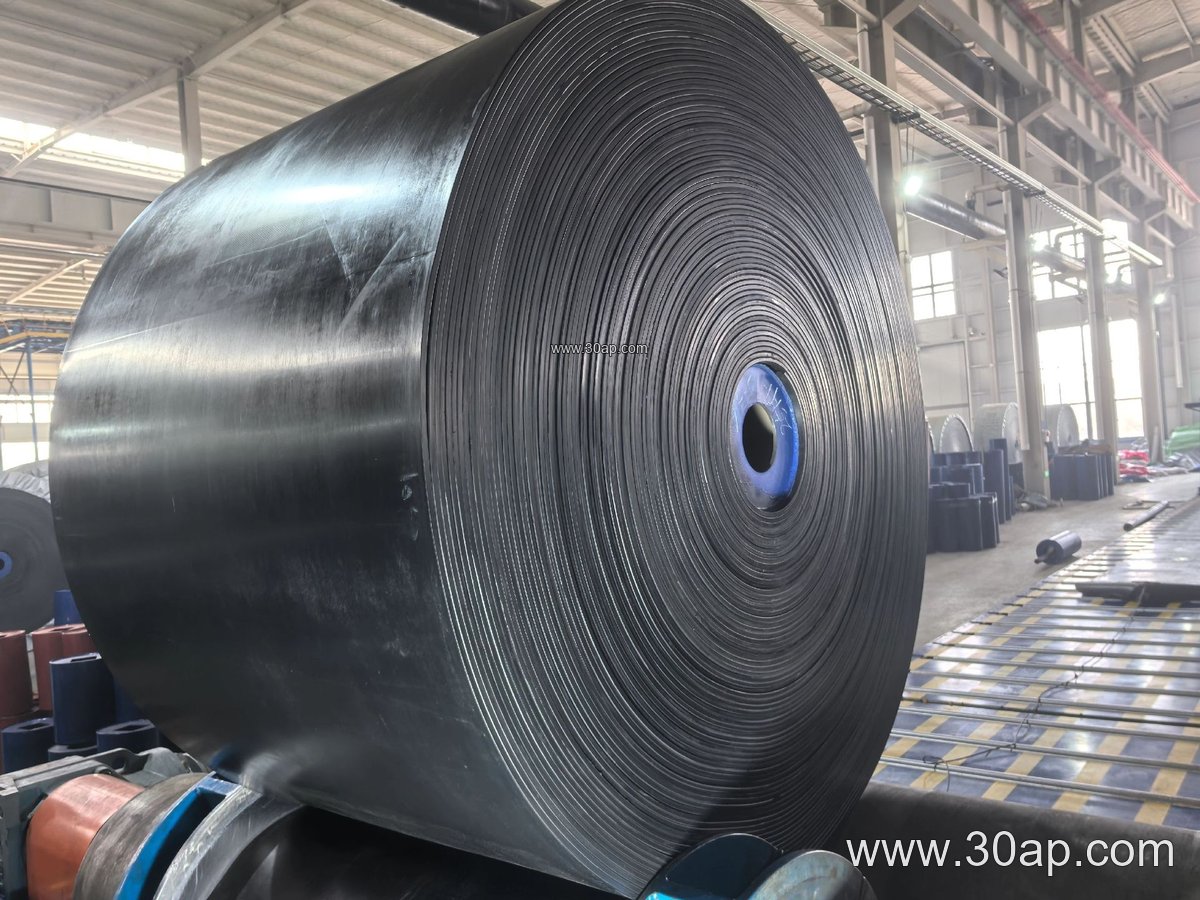
Most copper ore belts use a multi-ply fabric core or a steel cord carcass. Fabric types such as EP (polyester-cotton) and NN (nylon-nylon) are common where moderate tension and good troughability are needed. For long overland or high-lift conveyors, a steel cord conveyor belt is often chosen because it carries higher tension with fewer plies. Cover rubber is usually an abrasion resistant conveyor belt compound, since copper ore is highly abrasive.
| Item | Common Reference |
|---|---|
| Carcass type | EP, NN, steel cord |
| Strength grades (reference) | EP200, EP315, EP400, EP500, EP630, EP800; ST1000 to ST3150 |
| Belt width (reference) | B650, B800, B1000, B1200, B1400, B1600 |
| Cover thickness (reference) | 4+2 mm, 5+2 mm, 6+2 mm, 8+3 mm |
| Ply count (reference) | 2 to 6 layers |
These values are reference data, not universal specifications. Final selection depends on the conveyor profile, tonnage, lump size, and discharge conditions. A belt width such as 1200 mm does not fix a shaft diameter or pulley size by itself; those are determined by the conveyor design.
Where It Is Used Across Bulk Industries
Copper concentrators and heap-leach operations are the most direct users, but similar belts appear in iron ore, gold, and quarry circuits. In cement plants, power plants, and coal handling systems, flame retardant and fire resistant grades may be required where the belt runs through enclosed galleries. Underground mining conveyors often specify anti-static and flame retardant properties, while port and ship loading terminals favor high strength belts for long spans.
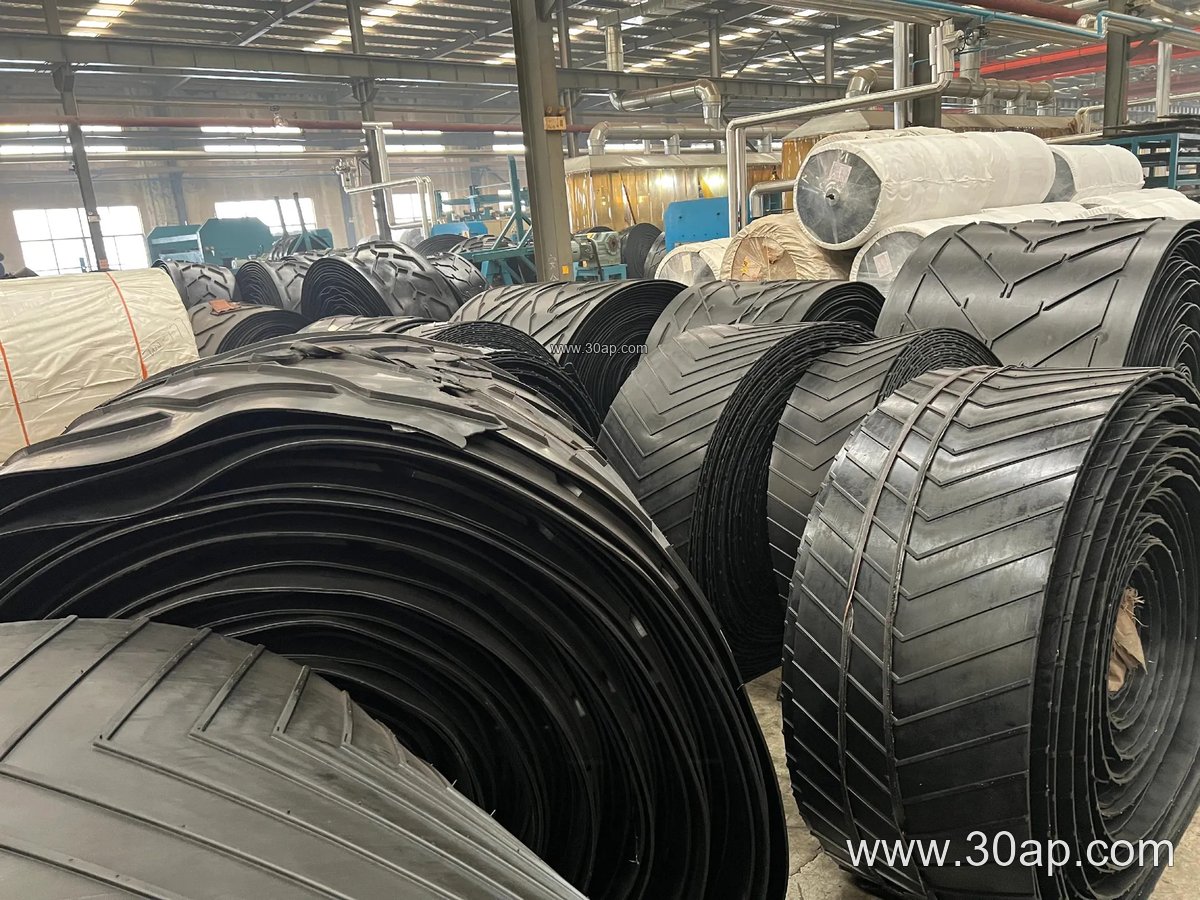
For wet or sticky ore, a chevron conveyor belt or a corrugated sidewall conveyor belt can help control material on inclines. A skirted conveyor belt may be used at transfer points to contain spillage. These are alternative designs for specific conditions, not replacements for a standard copper ore belt on a flat run.
Buyer Checklist
- Confirm the carcass grade and ply count against the calculated belt tension.
- Match cover thickness and abrasion resistance to lump size and drop height.
- Check whether heat, oil, or chemical resistance is needed near crushers or processing areas.
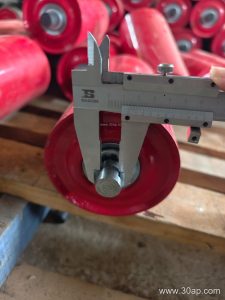
- Review idler roller spacing at loading points to reduce impact damage.
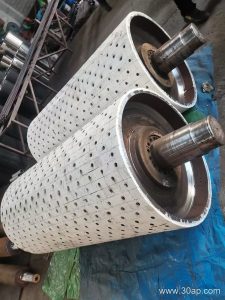
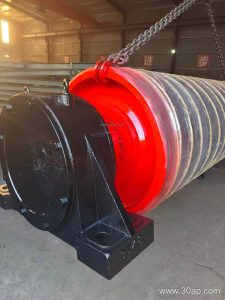
- Verify pulley diameters and conveyor bracket dimensions before ordering.
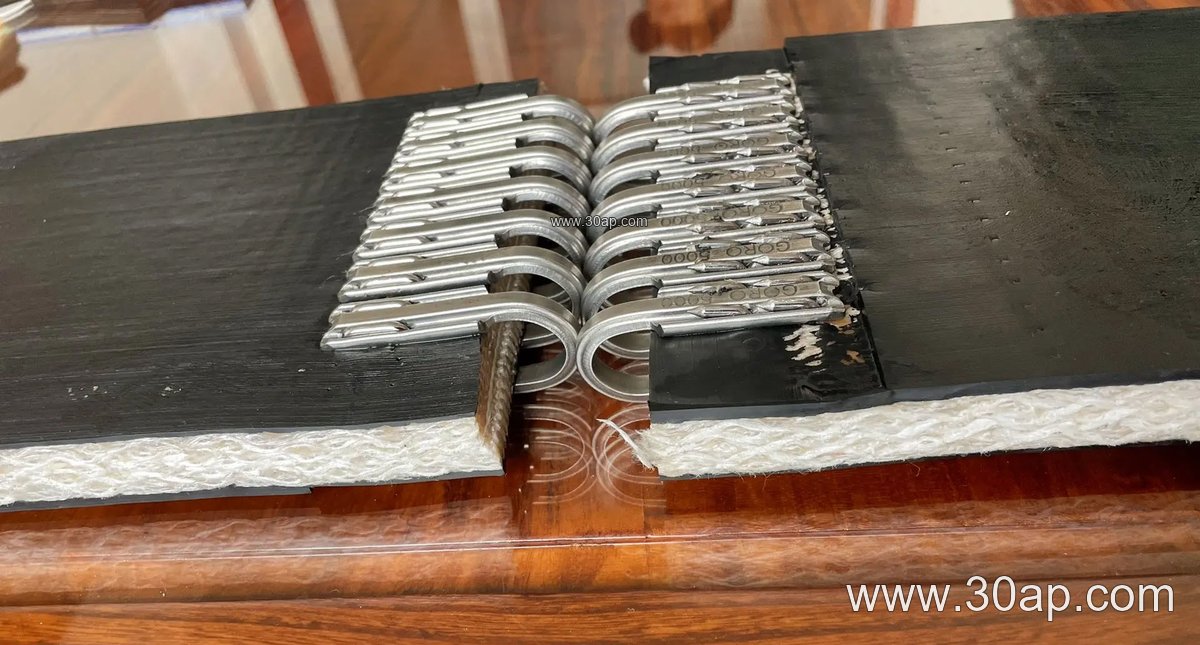
- Consider splice type and whether an endless conveyor belt is practical on site.
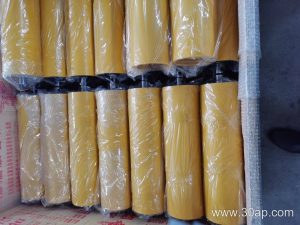
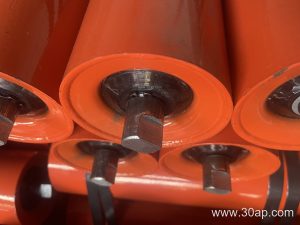
Maintenance matters as much as initial selection. Inspect edges for cutting, check cover wear at transfer points, and keep pulleys and idlers aligned. A well-matched ore belt, supported by the right conveyor pulley and idler roller set, keeps copper ore moving with fewer stoppages.
For related belt and component references, see Abrasion Resistant Conveyor Belt and Steel Cord Conveyor Belt pages. Sites handling mixed ore grades may also compare an EP Conveyor Belt with a heavier carcass option, and enclosed plants may review a Flame Retardant Conveyor Belt grade.