What a Heavy-Load Conveyor Idler Does
A heavy-load conveyor idler is the rotating support that carries the belt and its cargo along the carrying side of a bulk handling conveyor. In a quarry, a cement plant, or a power station coal yard, these rollers take continuous impact and abrasion while keeping the belt aligned and moving. The same product is often called a heavy-duty carrying roller, and the two terms refer to the same component. It is not a drive pulley or a tail pulley; those parts transmit power or change belt direction, while the idler simply supports the load.
Construction and Common Forms
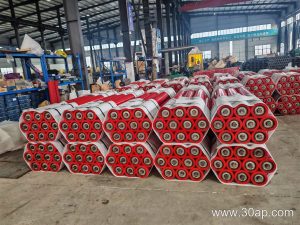
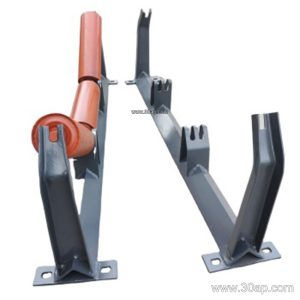
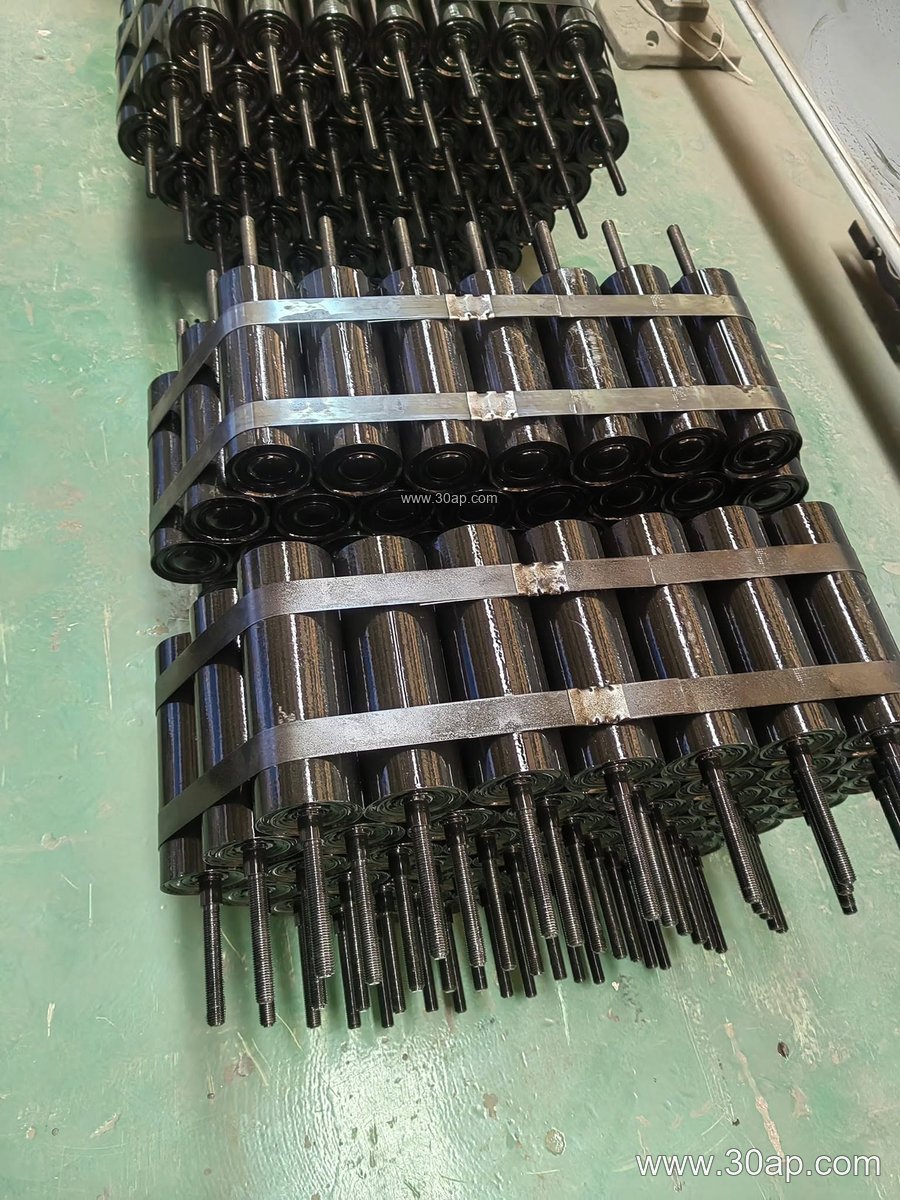
Most heavy-load idlers use a thick steel tube shell, welded end discs, and sealed ball bearings. The roller surface may be plain steel, nylon, ceramic, or fitted with rubber rings for impact absorption. Bearing seats are machined to keep the shaft concentric, and the seal arrangement matters more than many buyers expect: fine dust from a crusher or an ore stockpile will destroy an unsealed bearing quickly.
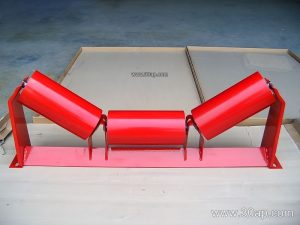
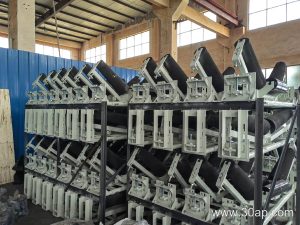
Troughing sets are usually made as single-roller, two-roller, or three-roller assemblies. A three-roll troughing set is common on wide belts because it forms a natural trough that keeps bulk material centered. For comparison, a return idler is a different subtype used under the belt to support the empty strand, and a bend pulley is a separate assembly altogether. The heavy-load idler discussed here is the carrying roller on the top strand.
Where It Fits in the Plant
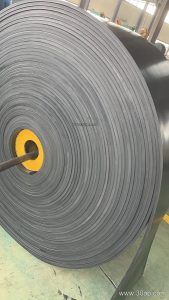
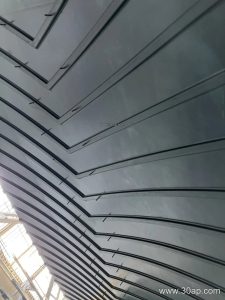
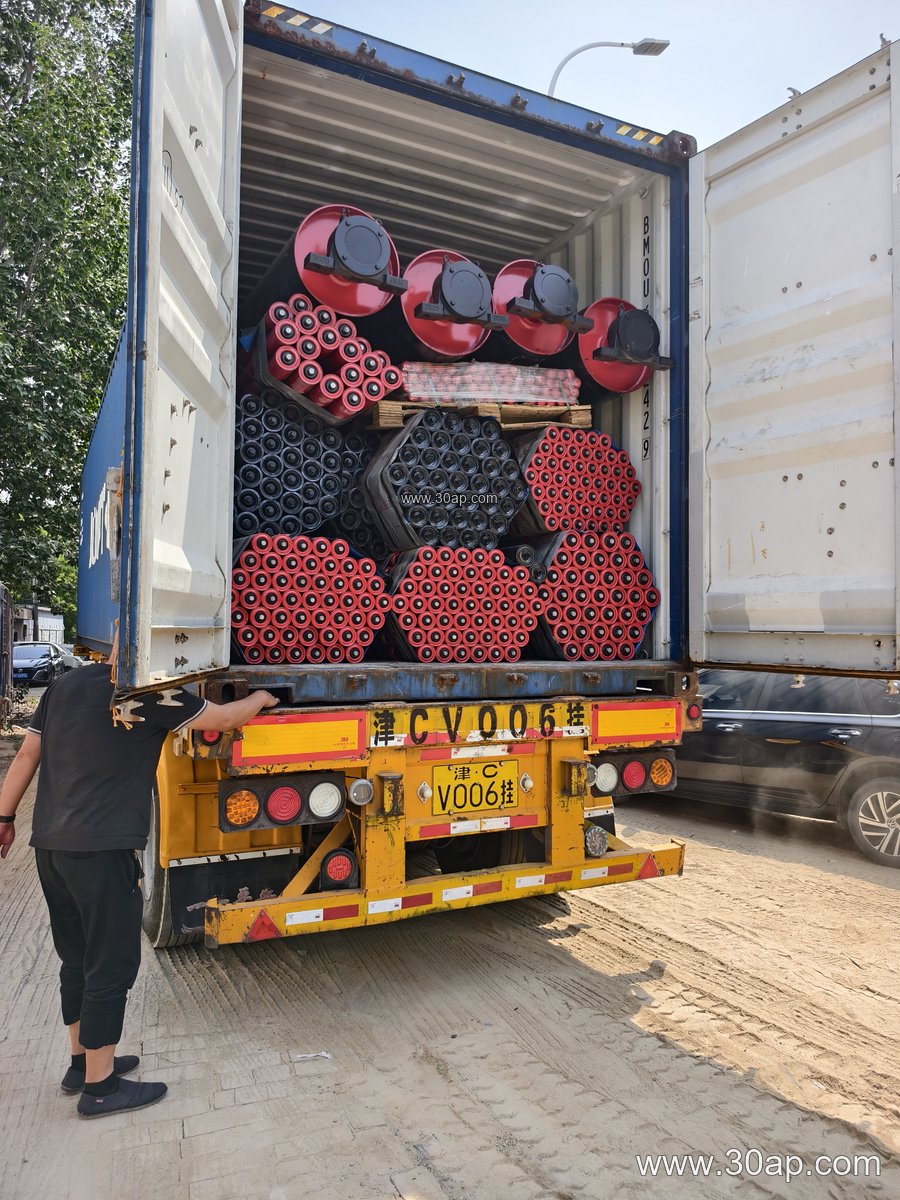
You will find heavy-load conveyor idlers in limestone mines feeding a crusher, in coal handling systems at power plants, and in aggregate lines that move blasted rock from a primary crusher to a screening deck. In a cement plant they support clinker and raw meal belts; in a port they carry ore or coal during ship loading. The belt itself may be a steel cord conveyor belt for long overland runs or an EP conveyor belt for shorter, high-tonnage sections. Abrasion resistant conveyor belt covers are often paired with these rollers because both parts face the same wear environment.
Sizes and Reference Data
Roller diameter and belt width are selected together with the conveyor design, not by a single fixed rule. Common roller diameters include Ø89, Ø108, Ø127, Ø133, Ø159, and Ø178 mm. Belt widths range from B500 to B2400, and the idler length changes with belt width, trough angle, and roll arrangement. The table below gives common examples for a three-roll troughing set; side rollers and center rollers can differ, so treat these as reference values only.
| Belt width | Common idler length (three-roll set) | Typical roller diameter |
|---|---|---|
| B500 | about 200 mm | Ø89 mm |
| B650 | about 250 mm | Ø89–Ø108 mm |
| B800 | about 315 mm | Ø108–Ø127 mm |
| B1000 | about 380 mm | Ø108–Ø133 mm |
| B1200 | about 465 mm | Ø127–Ø159 mm |
| B1400 | about 530 mm | Ø133–Ø159 mm |
| B1600 | about 600 mm | Ø159–Ø178 mm |
| B1800 | about 670 mm | Ø159–Ø194 mm |
| B2000 | about 750 mm | Ø178–Ø219 mm |
Trough angles of 20, 30, 35, and 45 degrees are common. A steeper trough helps contain a wide load, but it also increases the load on the side rollers. Bearing sizes such as 6205, 6305, 6306, 6308, and 6310 appear across this range; a given bearing is not tied to one roller diameter, so confirm the shaft and housing dimensions with the supplier.
What Buyers Should Check
- Confirm the actual belt width, trough angle, and roll length rather than ordering by belt width alone.
- Ask about seal type and bearing clearance for dusty or wet conditions.
- Match the roller surface to the cargo: rubber rings for impact at transfer points, ceramic or nylon where sticking is a problem.
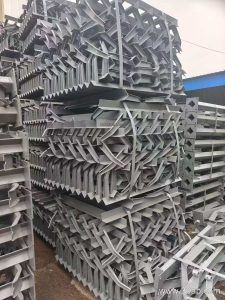
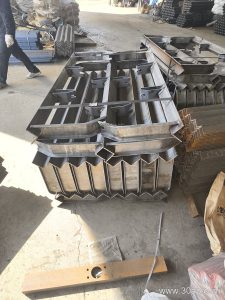
- Check that the idler frame and conveyor bracket mounting dimensions fit the existing stringer.
- Review the belt specification as well, since a heavy-duty conveyor belt and a properly rated idler work as a system.
For a plant handling abrasive ore or coal, a heavy-load conveyor idler with good sealing and a wear-resistant shell will usually outlast a light-duty roller, even if the purchase price is higher. Keep spare rollers for the highest-wear positions and inspect them during scheduled belt shutdowns.