What Pulley Lagging Is and Why It Matters
Pulley lagging is the rubber or composite layer applied to the cylindrical surface of a conveyor pulley to improve grip between the pulley and the conveyor belt. Without it, a bare steel drum can slip under load, especially in wet or dusty conditions. The lagging also protects the pulley shell from wear and helps maintain belt tracking. Whether you operate a quarry conveyor, a coal mining conveyor belt system, or a cement plant feeding circuit, the right lagging directly affects uptime and energy efficiency.
This product is also known as pulley rubber or drum lagging. It is not the same as a drive pulley, tail pulley, or bend pulley—those are the pulley types themselves. Lagging is the surface treatment that can be applied to a drive pulley, a tail pulley, or a bend pulley depending on the duty. For example, a drive pulley usually needs high-friction lagging to transmit torque, while a bend pulley may use a thinner plain rubber cover for guidance.
Construction and Surface Forms
Most pulley lagging consists of a rubber sheet bonded to the pulley shell. Common application methods include hot vulcanized bonding, cold adhesive bonding, and pre-cast or rolled lagging with mechanical fasteners. The rubber compound is typically selected for abrasion resistance, oil resistance, or fire resistance depending on the environment.
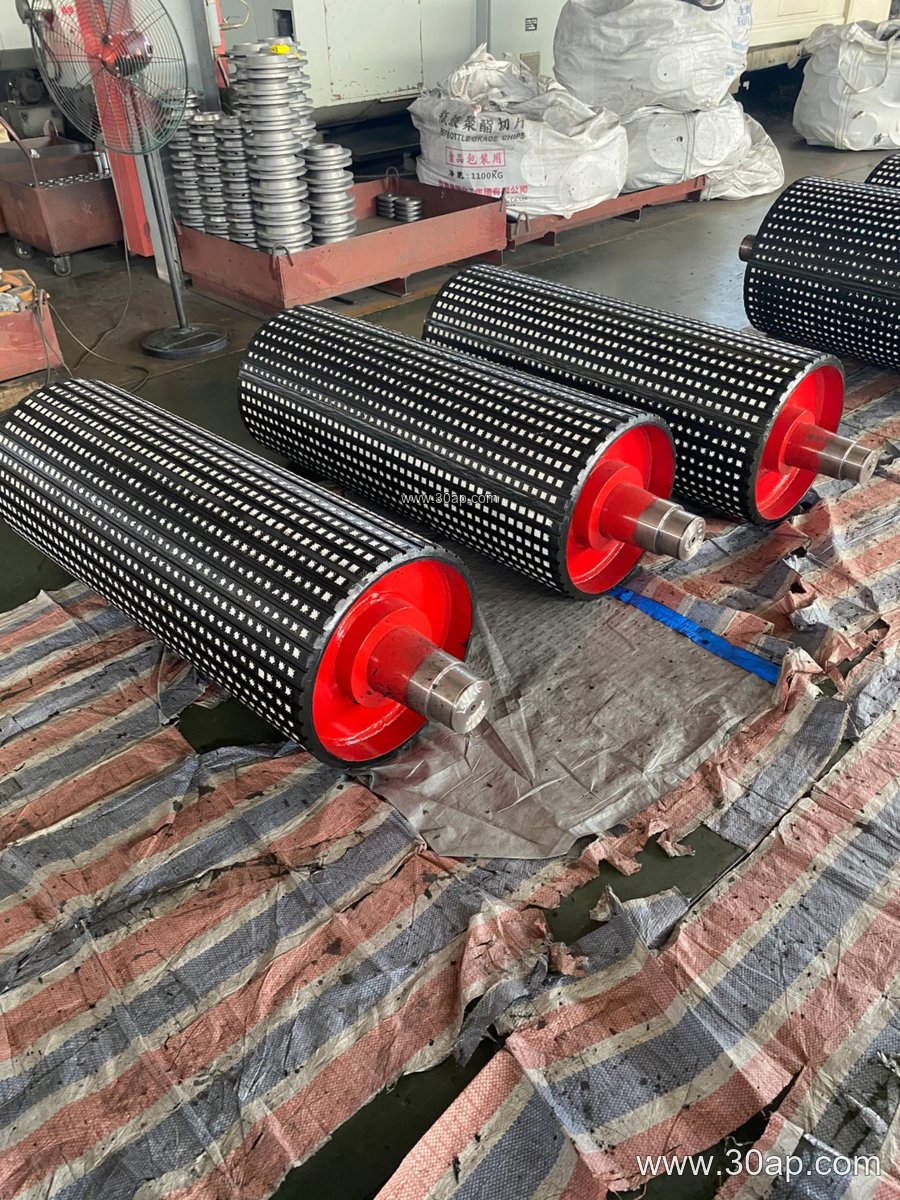
Surface patterns vary to suit different needs:
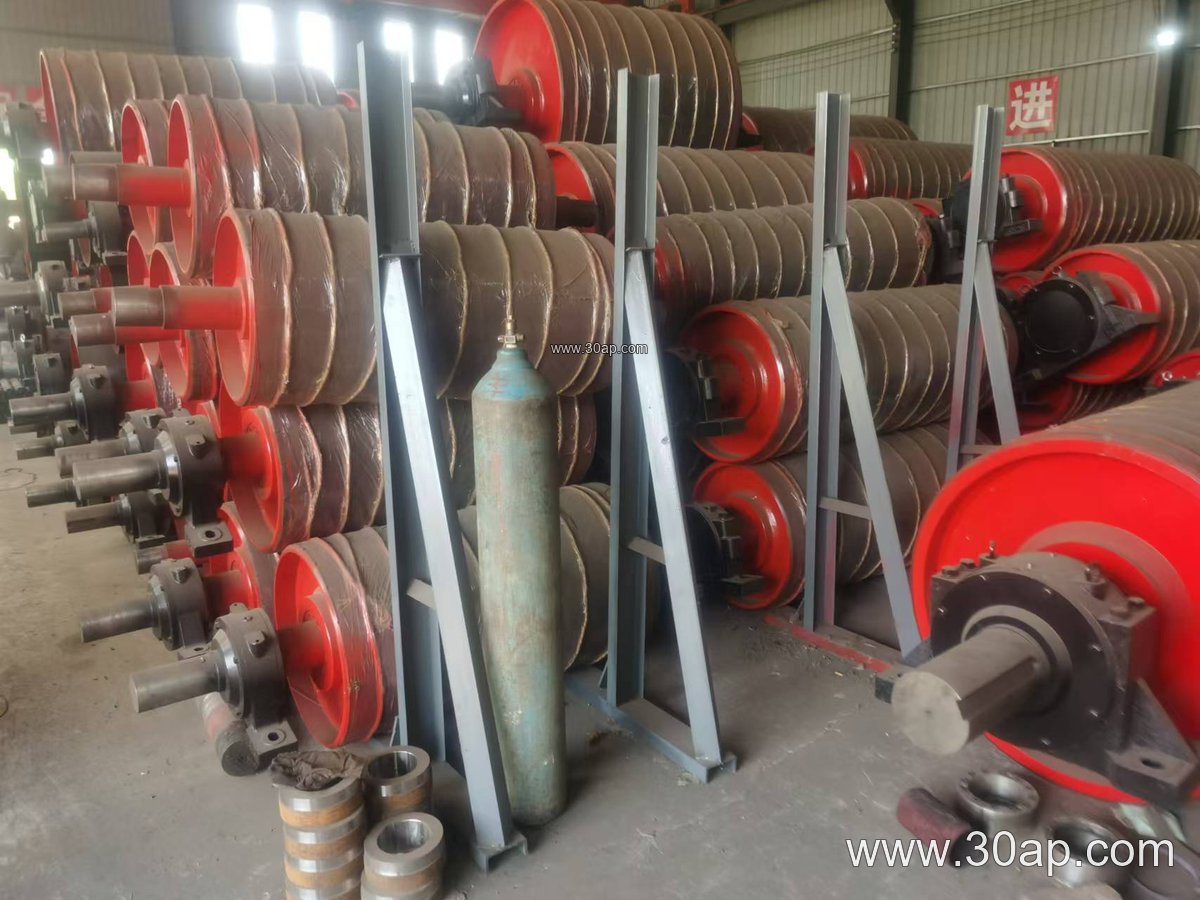
- Plain or flat rubber – general purpose, often used on tail pulleys or bend pulleys where traction demand is moderate.
- Diamond pattern – improves water evacuation and grip in wet conditions, common on drive pulleys in aggregate and mining operations.
- Herringbone (chevron) pattern – offers directional traction and self-cleaning, suitable for high-torque drives.
- Ceramic lagging – embedded ceramic tiles provide exceptional wear resistance and friction, often chosen for high-abrasion sites like iron ore or copper ore handling.
Thickness commonly ranges from 8 mm to 20 mm (8, 10, 12, 15, 20 mm). Thicker lagging suits larger pulleys and higher loads, while thinner covers are used on smaller bend or tail pulleys. The pulley face width usually exceeds the belt width by about 100 to 200 mm; for instance, a B800 belt may run on a pulley with roughly 950 mm face width, and a B1200 belt on a pulley around 1400 mm face width. These are typical references, not fixed rules—final dimensions depend on conveyor design.
Matching Lagging to Pulley Position
The role of the pulley dictates the lagging choice. On a drive pulley, friction is critical. Diamond or herringbone rubber lagging is common to prevent slip under starting torque. A tail pulley often uses plain rubber or ceramic lagging to resist material build-up and wear. A bend pulley may have a thinner plain cover simply to protect the shell and guide the belt. Tension pulleys benefit from lagging that maintains grip without excessive thickness.
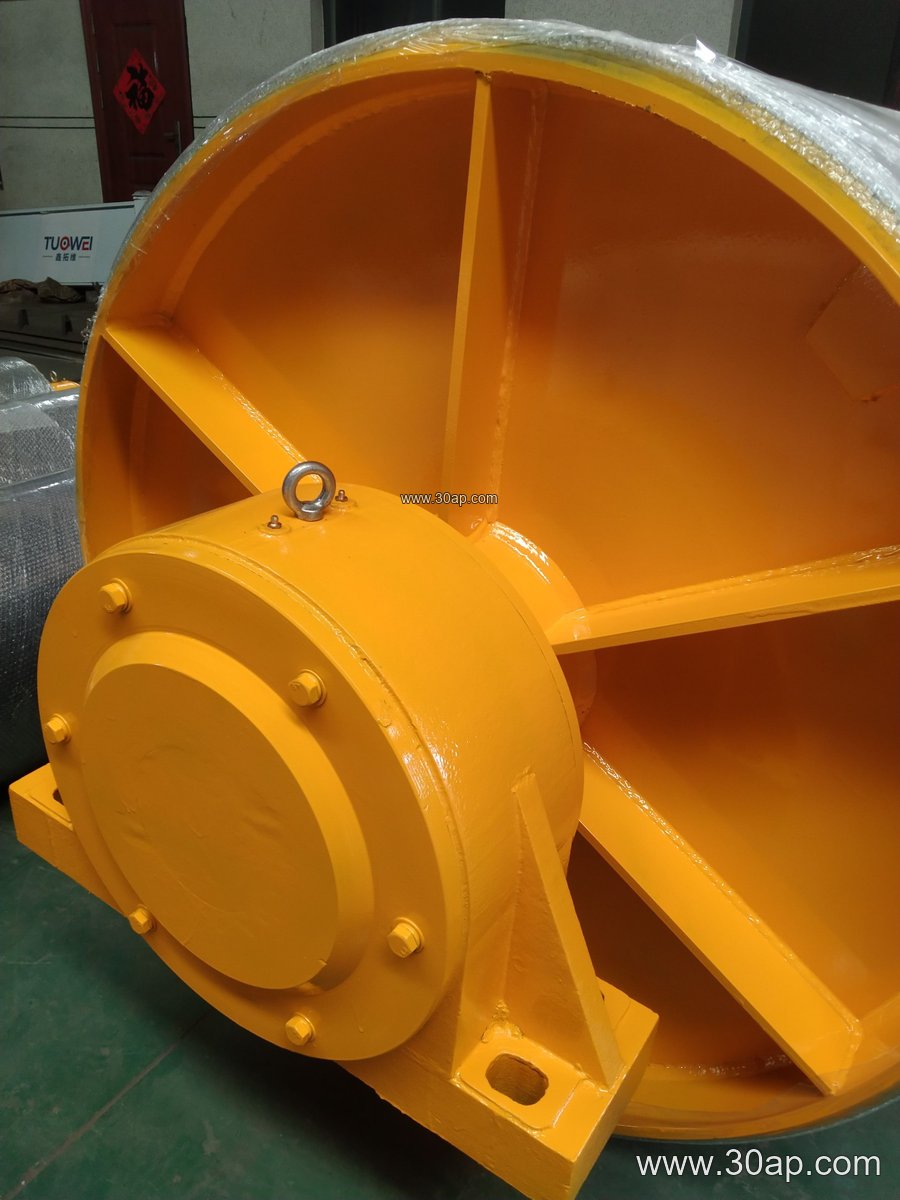
For heavy-duty mining conveyor belts carrying large lumps, ceramic or thick rubber lagging with a diamond pattern is often preferred. In coal mining conveyor belt systems, flame retardant and anti-static lagging grades may be specified for underground use. Food processing or clean environments might require white or oil-resistant rubber lagging.
Key Selection Factors for Buyers
When specifying pulley lagging, consider the following:
- Pulley type and location – drive, tail, bend, or tension pulley.
- Belt width and pulley diameter – common combinations include B800 × Ø500, B1200 × Ø1000, or B1400 × Ø800, but these are examples only. Shaft diameter is determined by torque and load, not by belt width alone.
- Material handled – abrasive rock, wet slurry, oily grains, or high-temperature clinker each call for different rubber compounds.
- Environmental conditions – wet, dusty, flammable, or corrosive atmospheres influence the choice of flame retardant, anti-static, or chemical-resistant lagging.
- Bonding method – hot vulcanized lagging offers the strongest bond for high-power drives; cold bonding is convenient for field repairs.
Buyers should also confirm that the lagging supplier can provide the correct thickness and pattern for the pulley diameter and face width. For a quarry conveyor or a power plant coal handling system, a wear-resistant rubber lagging with diamond pattern is a practical starting point.
Maintenance and Long-Term Performance
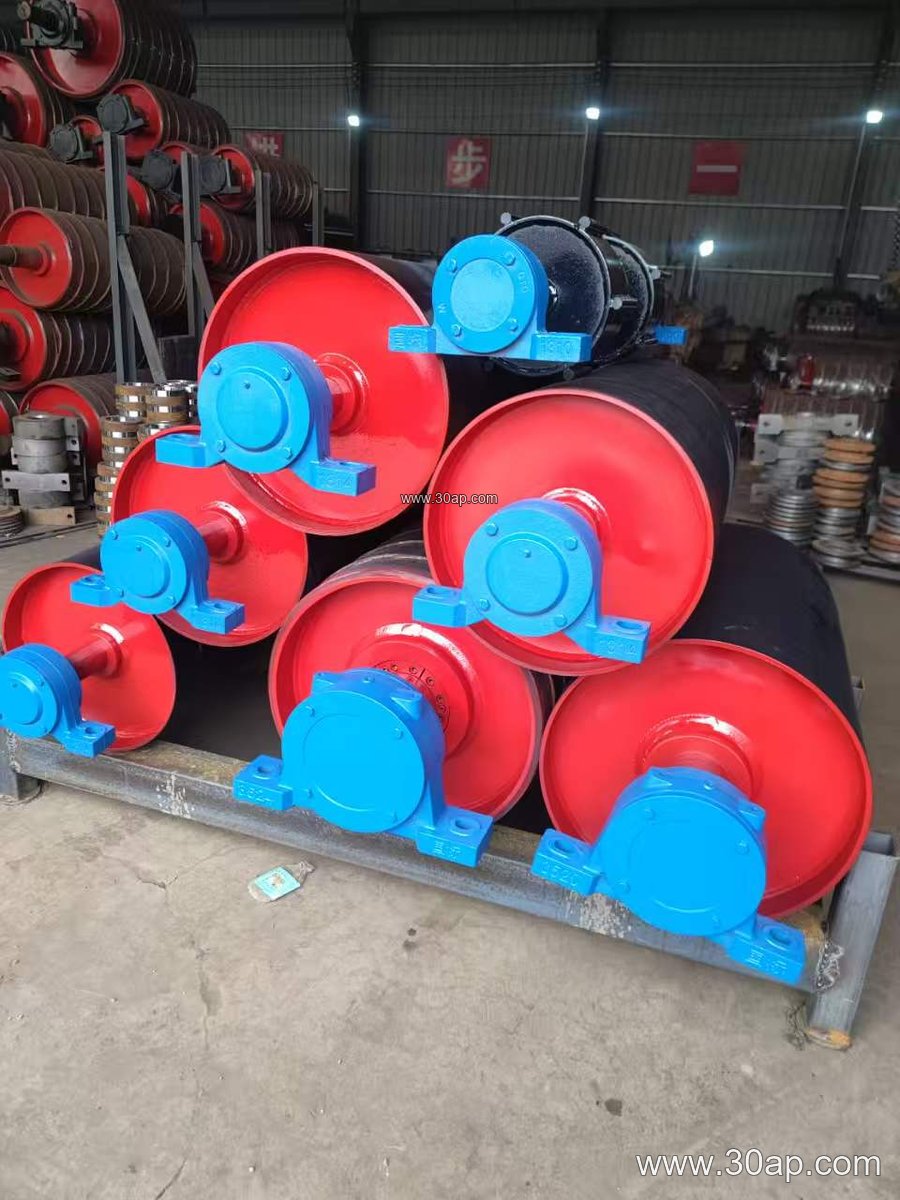
Inspect lagging regularly for wear, glazing, or separation. Worn lagging reduces friction and can lead to belt slip, misalignment, and increased energy consumption. Replace lagging when grooves or flat spots appear, or when the rubber hardness increases noticeably. Keeping the conveyor belt and idler roller components in good condition also extends lagging life. For high-abrasion environments such as a crusher conveyor belt line, ceramic lagging may outlast plain rubber several times over.
Proper installation—whether hot vulcanized or cold bonded—ensures the lagging stays in place under load. Always follow the manufacturer’s bonding instructions and allow adequate cure time before running the conveyor.
In summary, pulley lagging is a small but critical component that protects pulleys, improves traction, and keeps bulk material conveyor systems running smoothly across mining, quarrying, cement, and power generation industries.