What a Vertical Idler Bracket Does
A vertical idler bracket is a support component that holds an idler roller in a vertical or near-vertical position on a conveyor frame. Instead of carrying the belt on a troughing roll set, this bracket is typically used at pinch points, guide stations, transition zones, or wherever the belt needs a controlled vertical contact point. On a bulk handling line, the bracket keeps the roller axis steady so the conveyor belt tracks where the designer intended, and it works alongside the main conveyor bracket assemblies rather than replacing them.
The bracket is a small part, but it influences belt training, edge wear, and the service life of nearby rollers. In a quarry or a cement plant, a loose vertical bracket can cause a belt to rub a structure, so checking it during inspections pays off.
How the Bracket Is Built
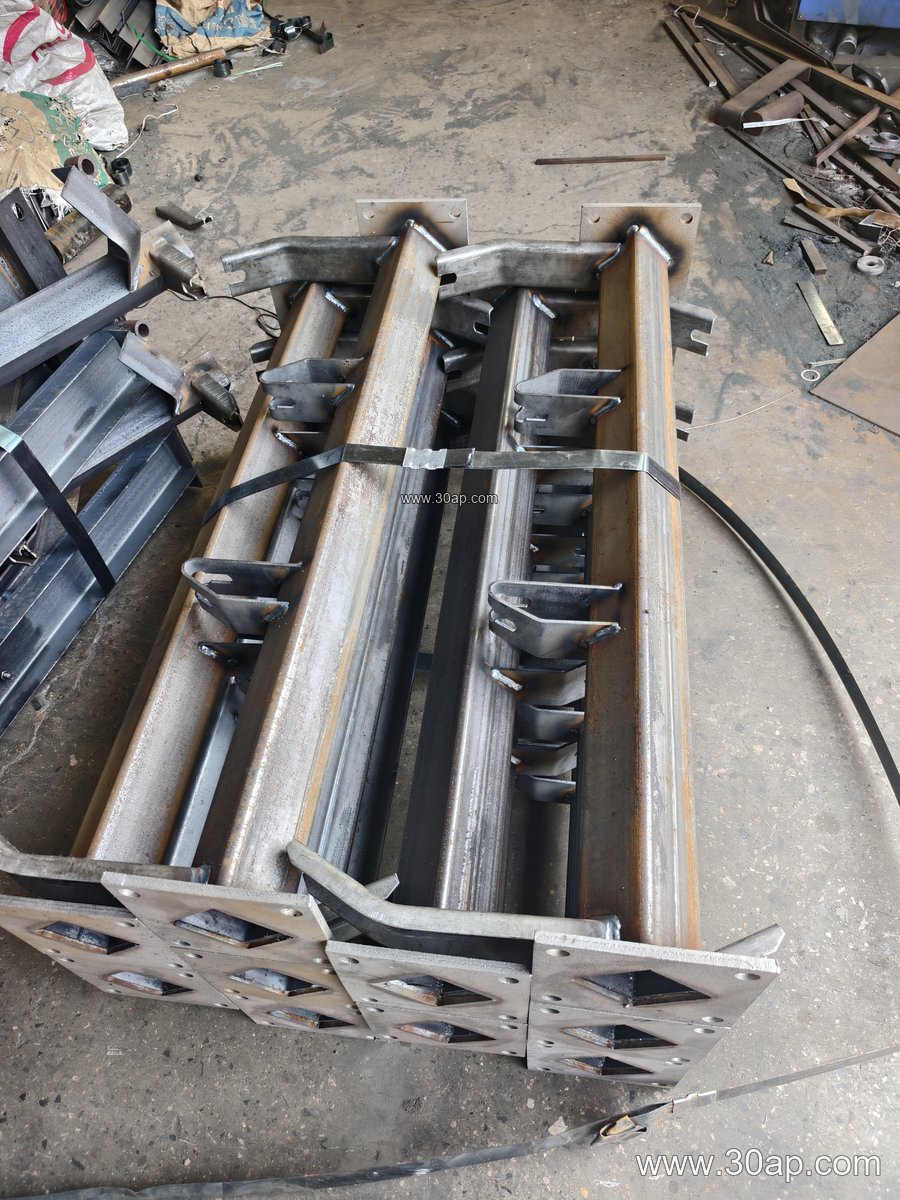
Most vertical idler brackets are fabricated from angle steel, channel steel, or bent steel plate, then drilled or slotted for mounting bolts and for the roller shaft. A common design uses a base plate that bolts to the conveyor stringer and an upright plate that carries the idler. Adjustment slots let maintenance staff fine-tune the roller position without cutting or welding.
- Base plate or clamp section that fixes to the frame
- Upright arm that sets the roller height and angle
- Mounting holes or slots for the shaft and the fixing bolts
- Optional gusset or stiffener for heavy loads
- Surface treatment suited to the plant environment
Materials and plate thickness should be chosen from the actual load and the frame design. A bracket for a B650 line in a sand and gravel yard is not built like one for a B1800 primary crusher discharge.
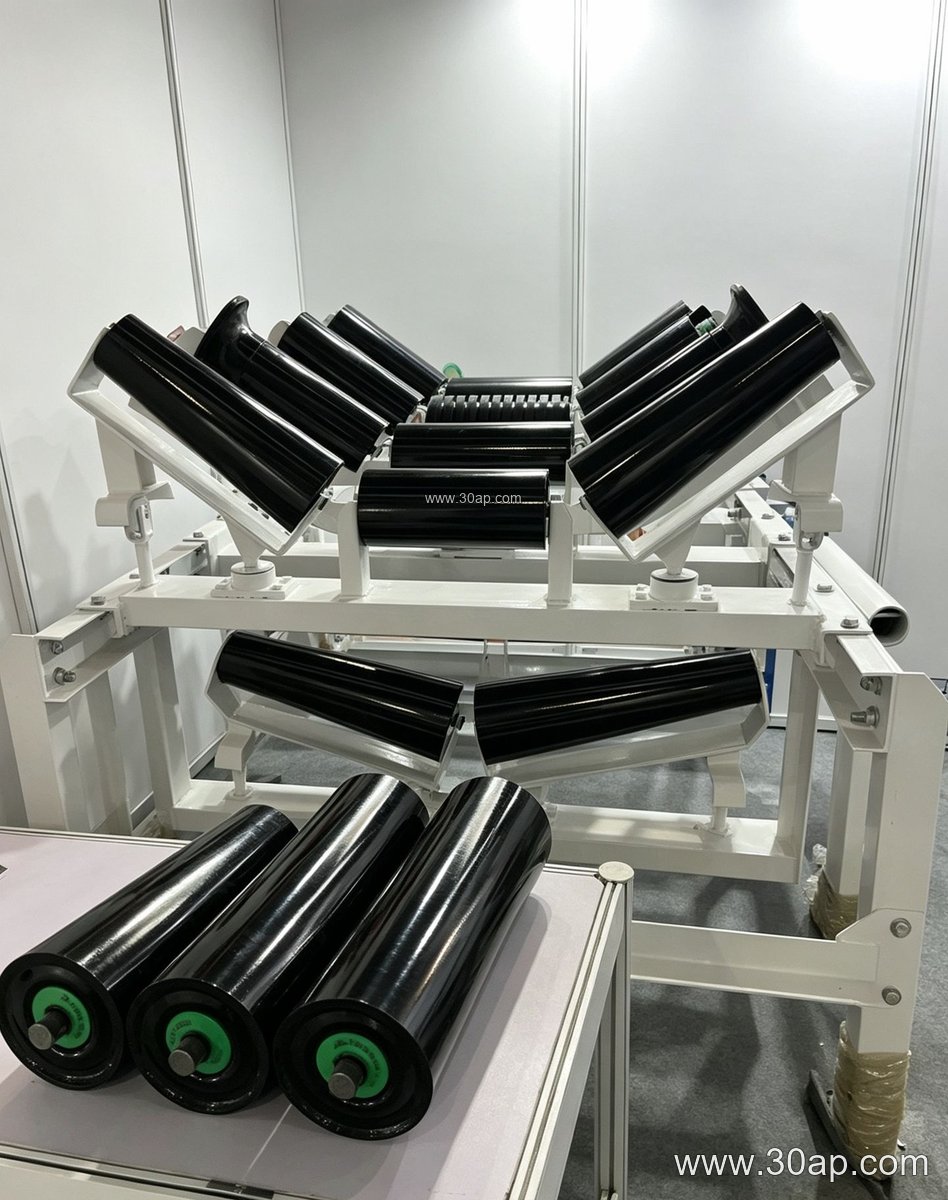
Where Vertical Brackets Fit on a Conveyor
These brackets appear in several places. They may guide the belt at a transfer point, support a vertical return roller, or hold an idler at the edge of a skirted loading zone. In a coal washing plant or a power plant coal yard, they are often found near belt cleaners and ploughs, where the belt path changes. In a crushing and screening circuit, they can sit close to the discharge chute to keep the belt centered before it reaches the head pulley.
They are not the same as troughing idler brackets, transition brackets, or V-return brackets. Those carry the belt in a trough or support the return strand across its width. A vertical idler bracket is a targeted support, and its position is usually set by the conveyor layout rather than by a standard spacing rule.
Matching the Bracket to Belt Width and Roller Diameter
Buyers should confirm the belt width, the roller diameter, the mounting hole spacing, and the frame beam size before ordering. The bracket must fit the actual shaft end and the actual stringer. Typical reference values are shown below; these are common ranges, not fixed combinations.
| Reference item | Common values |
|---|---|
| Belt width | B500, B650, B800, B1000, B1200, B1400, B1600, B1800 |
| Idler roller diameter | Ø89, Ø108, Ø133, Ø159, Ø194 |
| Frame material | Angle steel, channel steel, bent steel plate |
| Mounting | Bolted; slotted holes for adjustment |
A B800 frame may use Ø108 rollers, while a B1200 or B1400 line often runs Ø133 or Ø159 rollers. The bracket hole pattern must match the chosen roller, and the arm length must clear the belt edge. Do not assume that one belt width locks in one roller diameter or one bracket size.
Selection and Maintenance Notes
Ask for a drawing with the hole centers, the overall height, and the roller shaft size. Check that the bracket can be adjusted after installation, because small shifts in belt tracking are easier to correct with slots than with shims. In a steel plant or sinter plant, heat and dust may call for a heavier plate and a finish that resists corrosion.
During routine inspection, look for loose bolts, bent arms, worn holes, and roller seizure. A vertical bracket that has moved can load the belt edge and shorten the life of an expensive Rubber Conveyor Belt or a Steel Cord Conveyor Belt on the main line. Keep spare brackets for the sizes used most often, and record the belt width and roller diameter on the tag so the right part is picked from the warehouse.
For more conveyor components, including information on idler brackets and related hardware, visit ppconveyorbelt.com and review the frame and roller options before finalizing an order.