What a conveyor bracket quotation covers
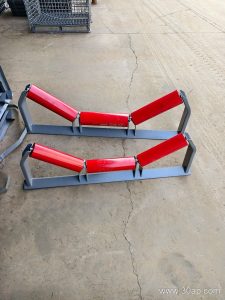
A conveyor bracket quotation is a priced breakdown of the support frames that hold idlers and carry the belt load on a belt conveyor. It is not a single part number. It usually covers the bracket family for one machine or one project: top trough brackets, return brackets, transition brackets, impact brackets, self-aligning brackets, and any adjustable versions, together with material, finish, hole spacing, and beam length. Buyers in a quarry, a coal washing plant, a cement line, or a power plant coal yard often ask for this quotation before ordering idlers, so the bracket and the roller arrive as a matched set.
The bracket itself is a simple steel structure, but the quotation has to be specific. A frame made from bent plate for a B1200 conveyor is a different item from an angle-steel frame for B650. If the quotation does not say which, the delivery will not fit the stringers.
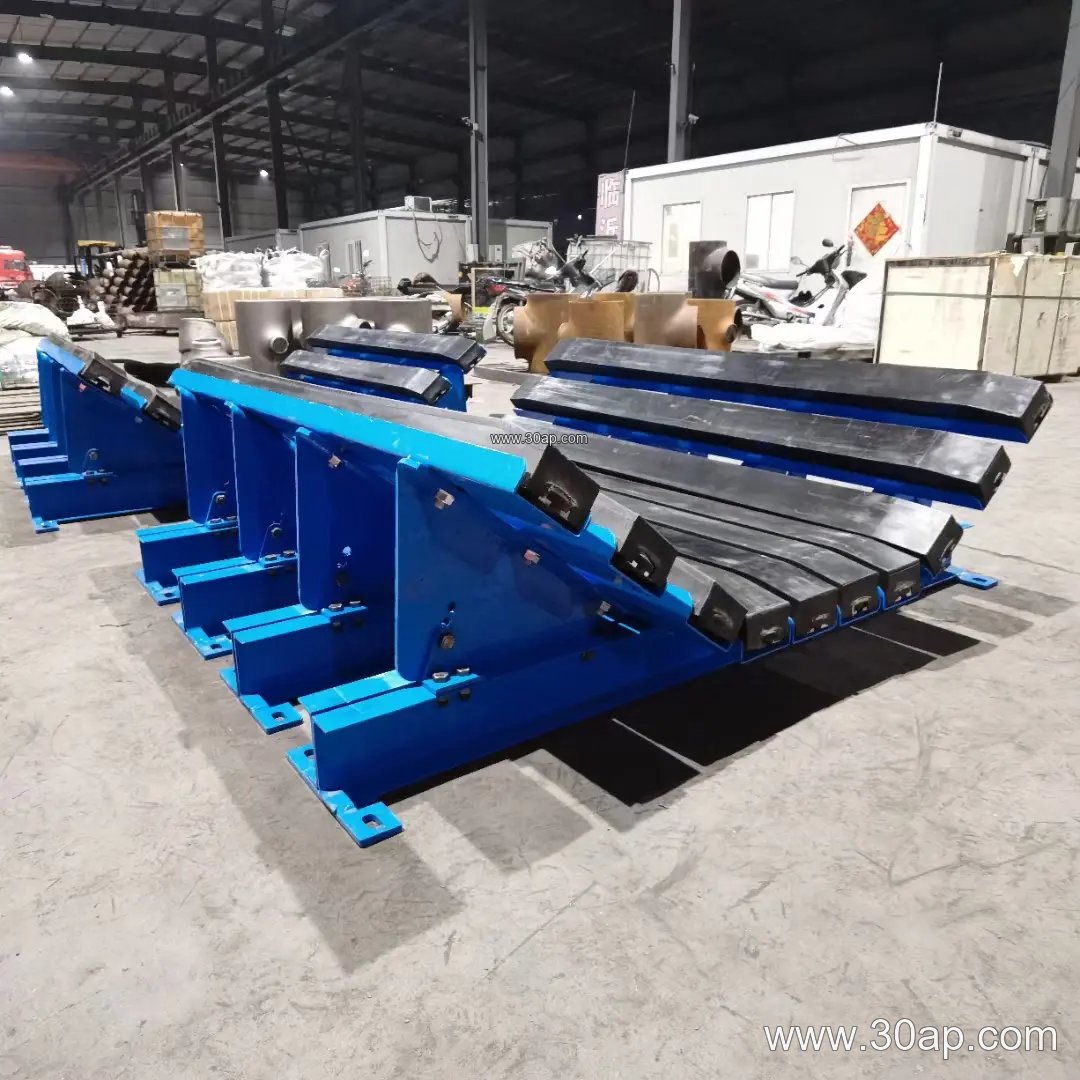
Structure and material choices that affect price
Most brackets are fabricated from angle steel, channel steel, or folded steel plate. Angle and channel are common for standard trough and return stations, while folded plate is often used where a deeper section or a cleaner profile is wanted. Welding, hole drilling, and surface treatment are the cost drivers, so the quotation should show them separately where possible.
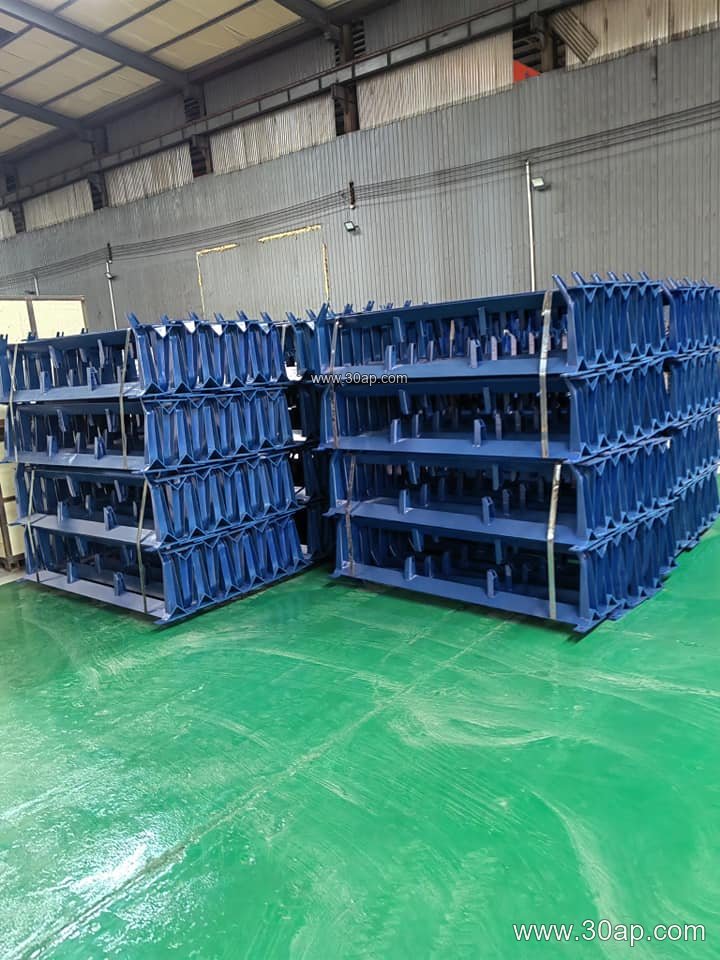
- Frame material and section size
- Bracket type and trough angle
- Idler diameter and fixing hole pattern
- Beam length and mounting hole spacing
- Surface finish, such as painted or galvanized
A useful quotation lists each line with the conveyor width, the trough angle, and the idler diameter it is designed for. Typical combinations look like B800 with 35 degrees and Ø108, or B1200 with 45 degrees and Ø133. These are common references, not fixed rules. A 30-degree frame and a 45-degree frame for the same belt width are different parts and should be quoted as separate lines.
Where the quotation matters most
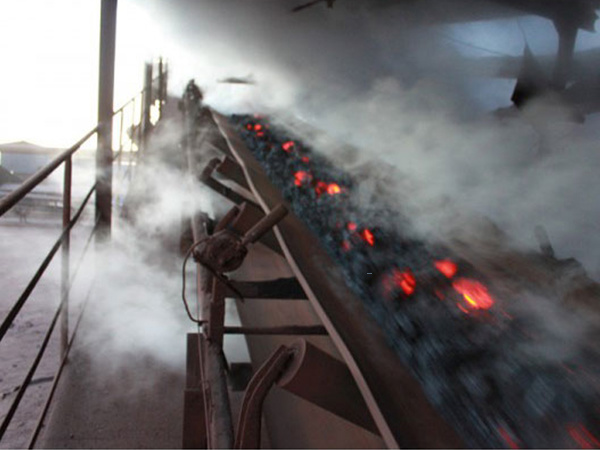
In a limestone quarry or a sand and gravel line, the top trough brackets take the constant load of crushed rock, and the return brackets carry the empty belt. In a cement plant, fine dust and heat make the finish and the fit of the bracket important. At a power plant coal yard, the same frame may sit under a flame retardant conveyor belt and must match the idler spacing used on that line. The quotation should reflect the actual duty, not a generic frame.
Transition brackets near the head and tail pulley deserve their own line. They guide the belt from the flat pulley position into the trough profile, and their angle and length are set by the pulley diameter and the belt path. A quotation that lumps them with standard trough brackets will usually need revision later.
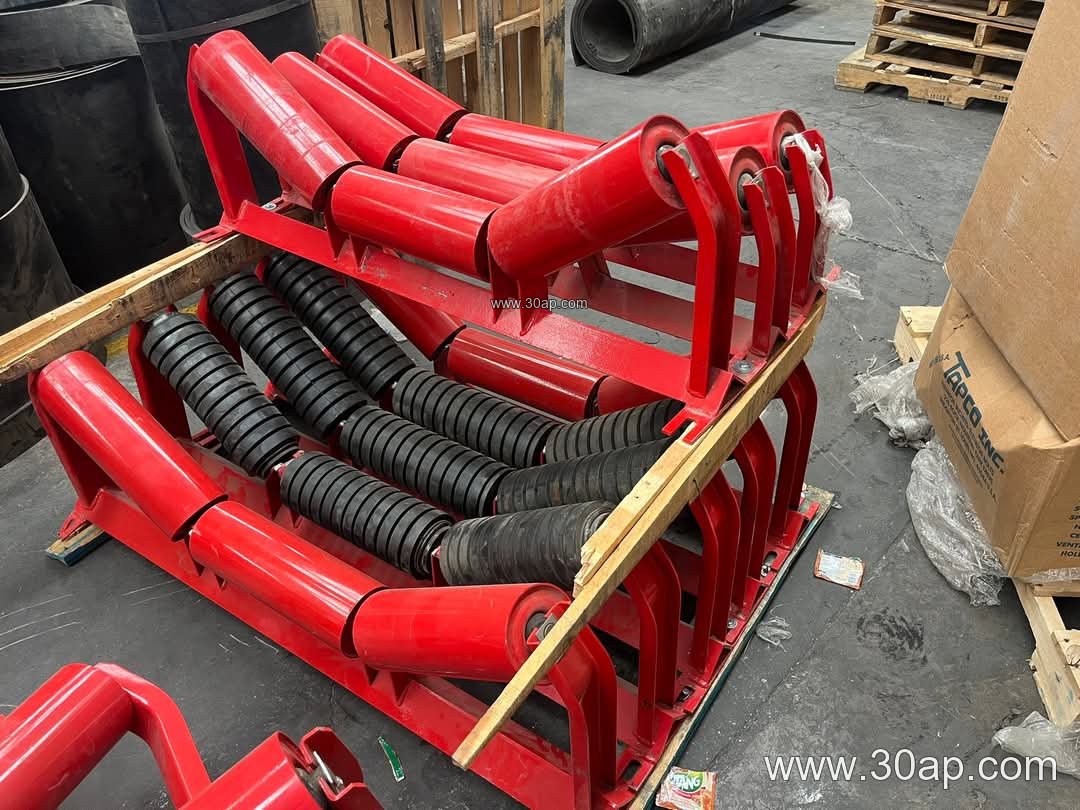
Adjustable versus fixed brackets
Adjustable brackets let the trough angle be set between common values such as 20, 30, 35, and 45 degrees. They cost more per piece but reduce spare-part variety across a plant. Fixed brackets are simpler and often cheaper, but each angle needs its own part number. For a mine or a port that runs several conveyor widths, the adjustable version can simplify stock. For a single straight line, fixed frames are usually enough.
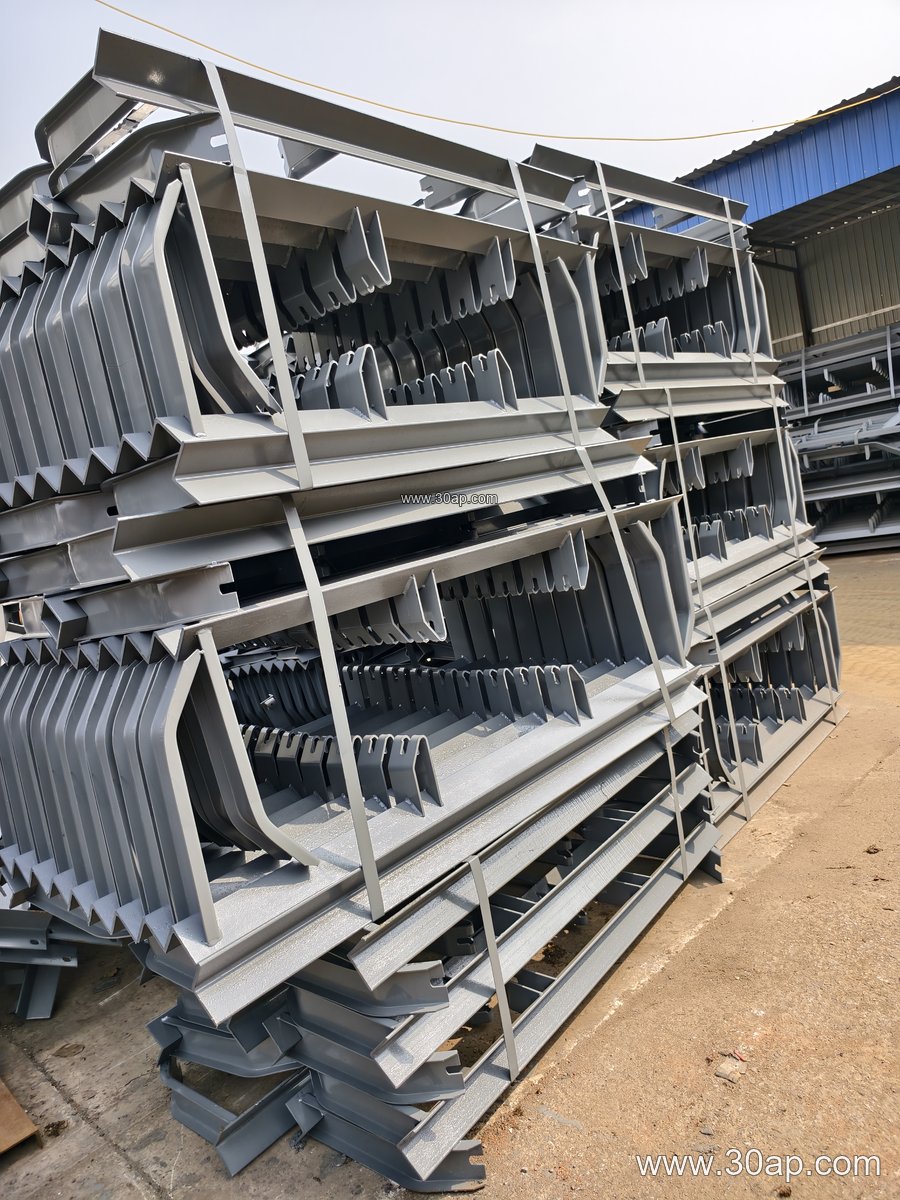
What a buyer should check before approving
First, confirm the belt width and the idler diameter on each line. A bracket drilled for Ø89 will not accept a Ø133 roller without new holes. Second, check the trough angle and whether the frame is fixed or adjustable. Third, confirm the beam length and hole spacing against the conveyor stringer drawing, because these change with belt width and angle. Fourth, ask how the bracket is finished and whether it is packed to protect the holes.
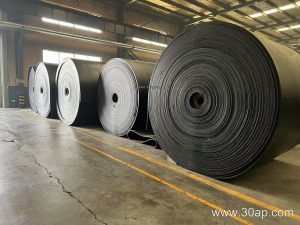
It also helps to state the environment. A frame for a rubber conveyor belt in a wet washing plant may need a different coating from one in a dry crusher house. If the line uses an EP conveyor belt or a steel cord conveyor belt, the bracket load and idler spacing follow the belt tension and the material weight, so the quotation should be based on the actual conveyor data.
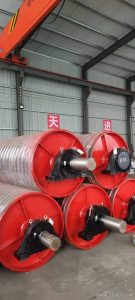
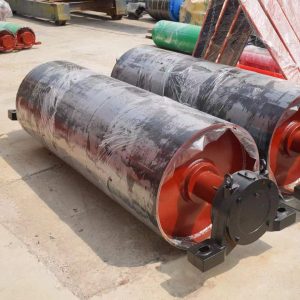
Finally, ask for a drawing or a dimensioned sketch with the quotation. A clear drawing of the bracket, with hole positions and overall length, prevents most installation problems. For related parts such as the conveyor pulley, the idler roller, and the conveyor belt, order them against the same conveyor layout so the bracket, roller, and belt work as one system.