What a 650mm Conveyor Belt Is
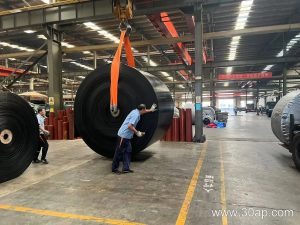
A 650mm conveyor belt is a belt with a nominal width of 650 millimeters, a common mid-size format for troughed conveyors in mines, quarries, cement plants, power stations, and sand and gravel yards. It sits between narrow belts used on short transfer runs and the wider belts found on mainline haulage. A 650mm-wide belt is often chosen where tonnage is moderate but the material is abrasive or heavy, such as crushed rock, clinker, coal, or ore.
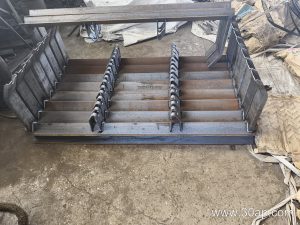
Buyers may see the same product described as a 650 mm wide belt, a B650 belt, or a 650 belt. These are equivalent names for the same width class. The belt itself is only one part of the conveyor, so matching it to the idler roller set, conveyor pulley, and conveyor bracket arrangement matters as much as the belt’s own construction.
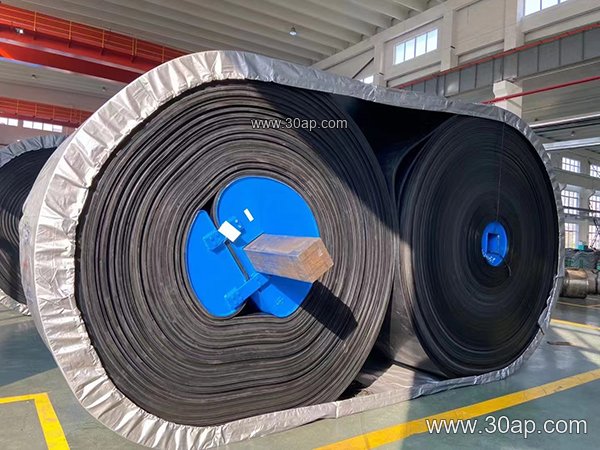
Construction and Available Constructions
The carcass carries the load and resists stretching, while the cover rubber protects the carcass from abrasion, impact, heat, oil, or fire. For a 650mm belt, common carcass options include multi-ply fabric core, EP fabric, and nylon (NN) fabric. Steel cord construction is less typical at this width but can appear in special high-tension layouts.
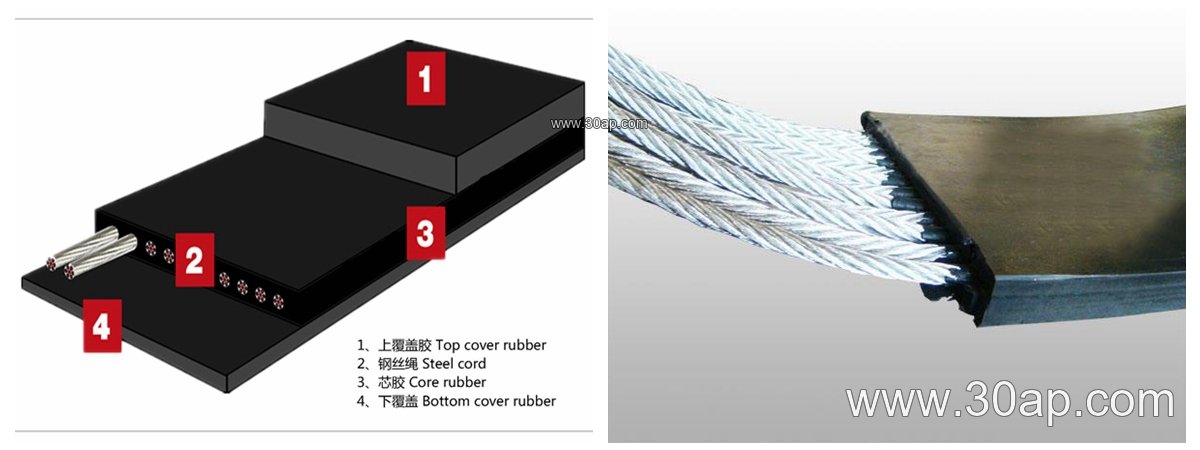
Cover thickness is usually stated as top plus bottom, for example 4+2 mm or 5+2 mm, and the number of fabric plies commonly ranges from two to six. These values are reference points; the final specification depends on the duty and the designer’s calculation.
| Parameter | Typical reference values |
|---|---|
| Belt width | 650 mm (B650) |
| Fabric carcass | EP or NN, 2 to 6 plies |
| Strength grades | EP200, EP315, EP400, EP500, EP630, EP800 |
| Cover thickness | 3+1.5, 4+2, 5+2, 6+2, 8+3 mm |
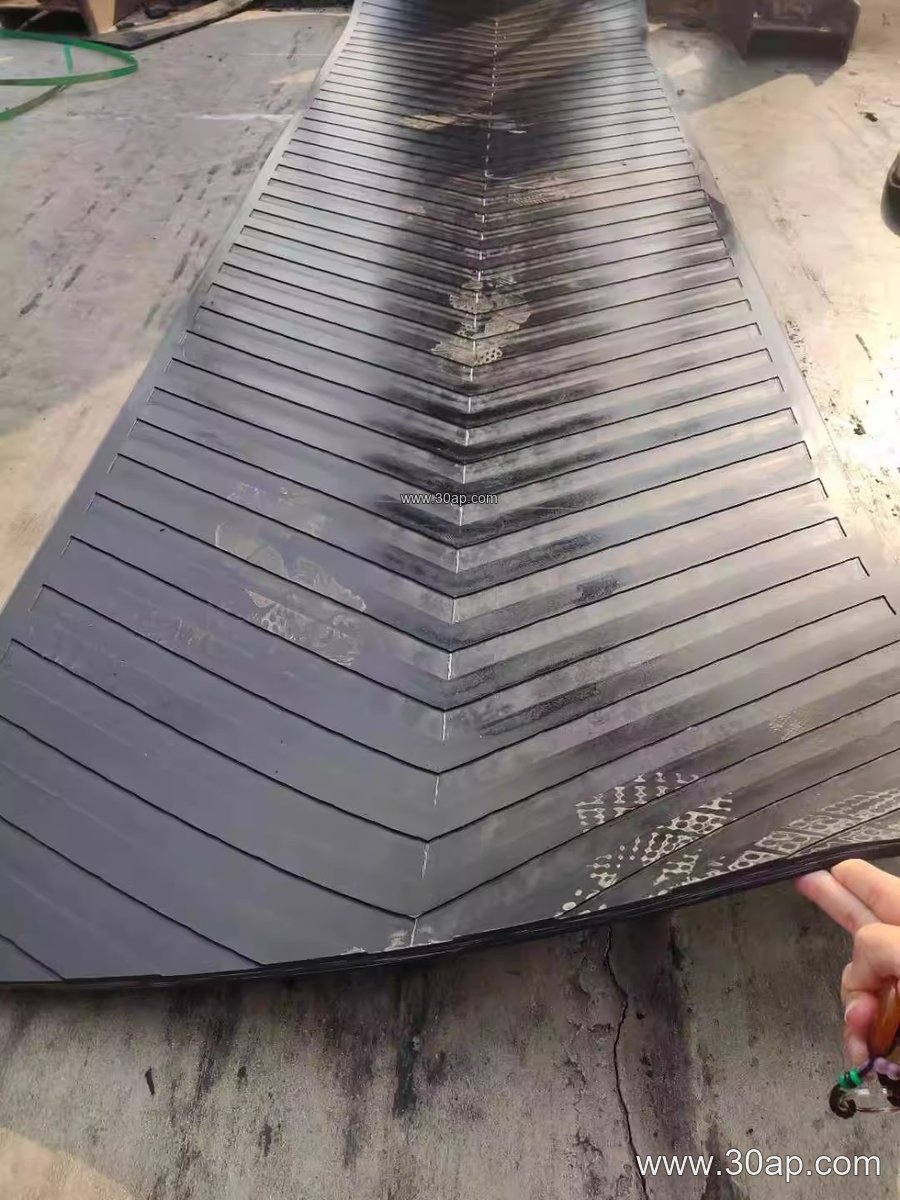
| Surface forms | Plain, chevron, corrugated sidewall, skirted |
Where It Fits in a Plant
A 650mm belt is often found on secondary and tertiary conveyors in a stone crushing line, on clinker and additive belts in cement works, on coal handling sections in power plants, and on underground or surface runs in coal mining where flame retardant properties are required. In a quarry or aggregate plant it may feed a screen or carry material from a crusher conveyor to a stockpile. In an iron ore or copper ore circuit, abrasion resistance tends to dominate the specification.
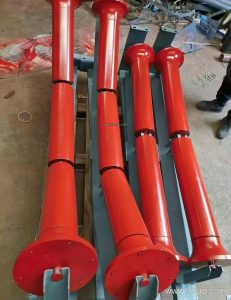
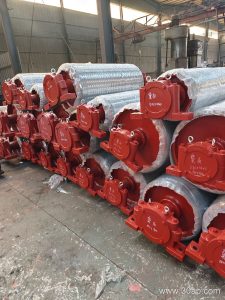
The belt works with other components: troughing idlers support the loaded strand, a drive pulley transmits power, a tail pulley sets the return point, and bend pulleys guide the belt through take-up and transition zones. Drive, tail, and bend pulleys are distinct parts and should not be treated as interchangeable. The belt width does not by itself fix the pulley diameter or shaft size; those come from the conveyor design and the required tension.
Surface Forms and Special Duties
Where the incline is steep, a chevron or patterned surface helps hold material. Where spillage at the edges is a concern, a skirted belt or a corrugated sidewall belt can contain the load. In dusty or explosive-risk areas, anti-static and flame retardant grades are often specified. Hot clinker or cement may call for a heat resistant cover, while oily scrap or recycled material may need an oil resistant compound. Cold climates may justify a cold resistant belt, and chemical exposure may point to an acid resistant or chemical resistant cover.
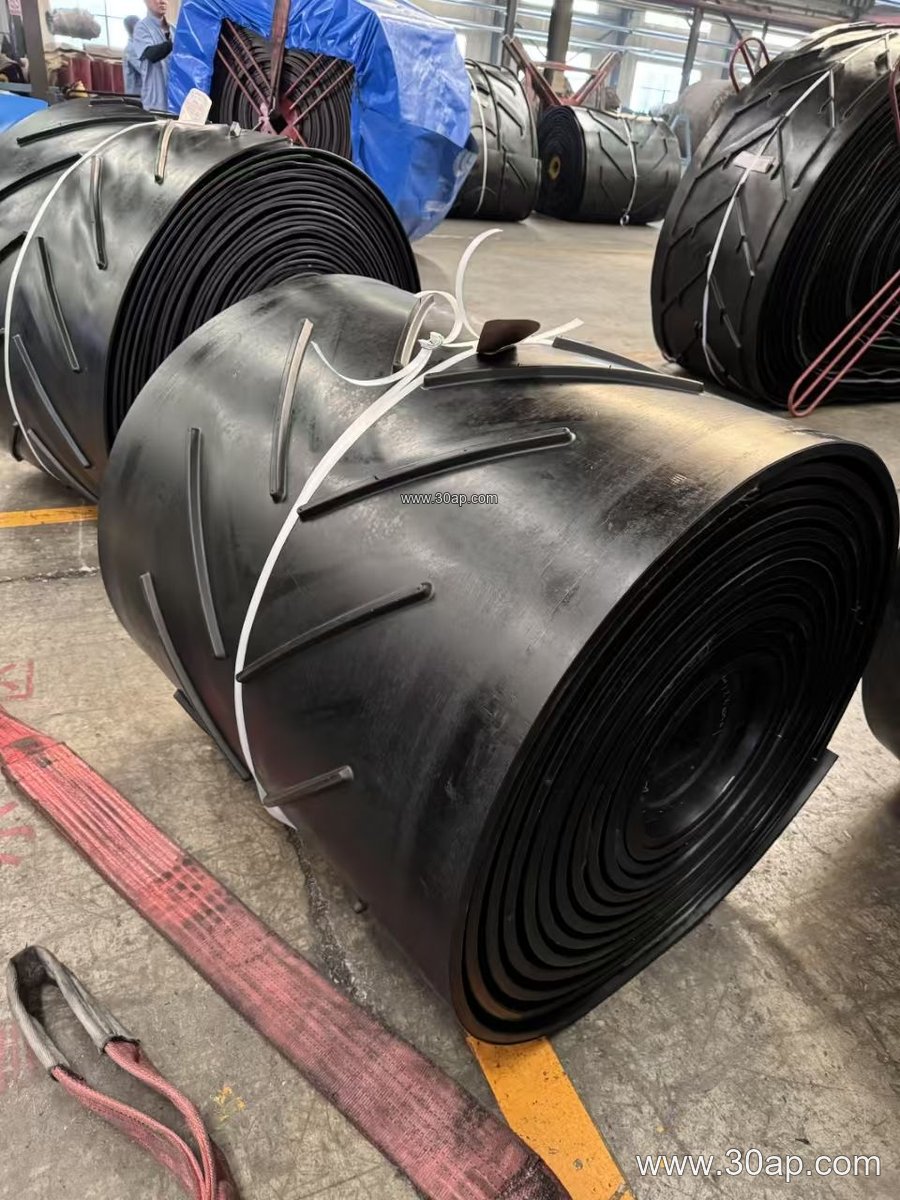
For heavy abrasive rock, a high abrasion resistant cover is common; for large lump sizes at the loading point, an impact resistant belt with extra cushioning helps. Food grade belts are a separate category and are not usually chosen for mining duty.
Selection and Maintenance Notes
- Confirm the actual belt width, carcass type, ply count, and cover thickness against the conveyor design, not just the 650 mm figure.
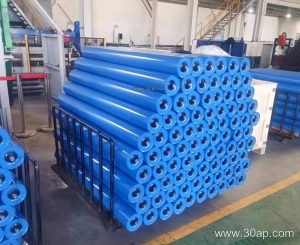
- Check that the idler roller trough angle and spacing suit the belt’s stiffness and load.
- Verify pulley diameters and lagging with the belt supplier, since belt width alone does not determine them.
- Keep the belt tracking straight by aligning the frame, conveyor bracket, and pulleys; edge damage often starts with misalignment.
- Inspect splices, edges, and cover wear regularly, especially on crusher conveyor and transfer points.
For a 650mm conveyor belt, the practical buying decision is a combination of width, carcass, strength grade, cover compound, and surface form. A belt that matches the duty and the conveyor hardware will last longer than one chosen on width alone.