What the EP200 Conveyor Belt Actually Is
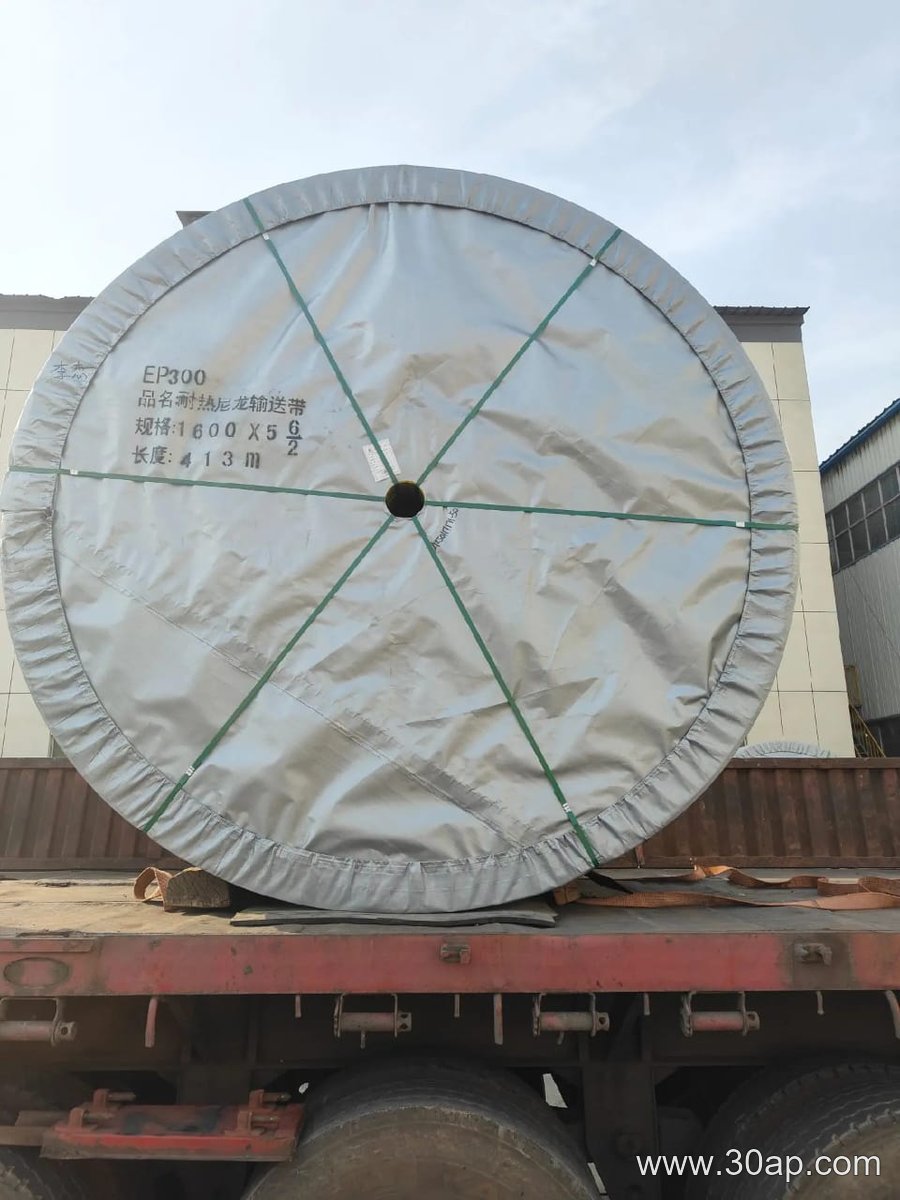
An EP200 conveyor belt is a fabric-reinforced rubber belt built on a polyester warp and polyamide weft carcass. The “EP” stands for the two fibre types, and the number 200 refers to the nominal tensile strength of the carcass, expressed in newtons per millimetre of belt width. In everyday workshop language, this product is also called a polyester nylon conveyor belt, which is the accurate equivalent name for the same construction.
It sits in the middle of the EP range. Lighter grades such as EP100 or EP160 suit small package handling, while heavy grades like EP400, EP630 or EP800 are chosen for longer flights and higher tensions. EP200 is often selected when a conveyor needs more strength than a light-duty belt but does not justify a steel cord carcass.
How the Belt Is Put Together
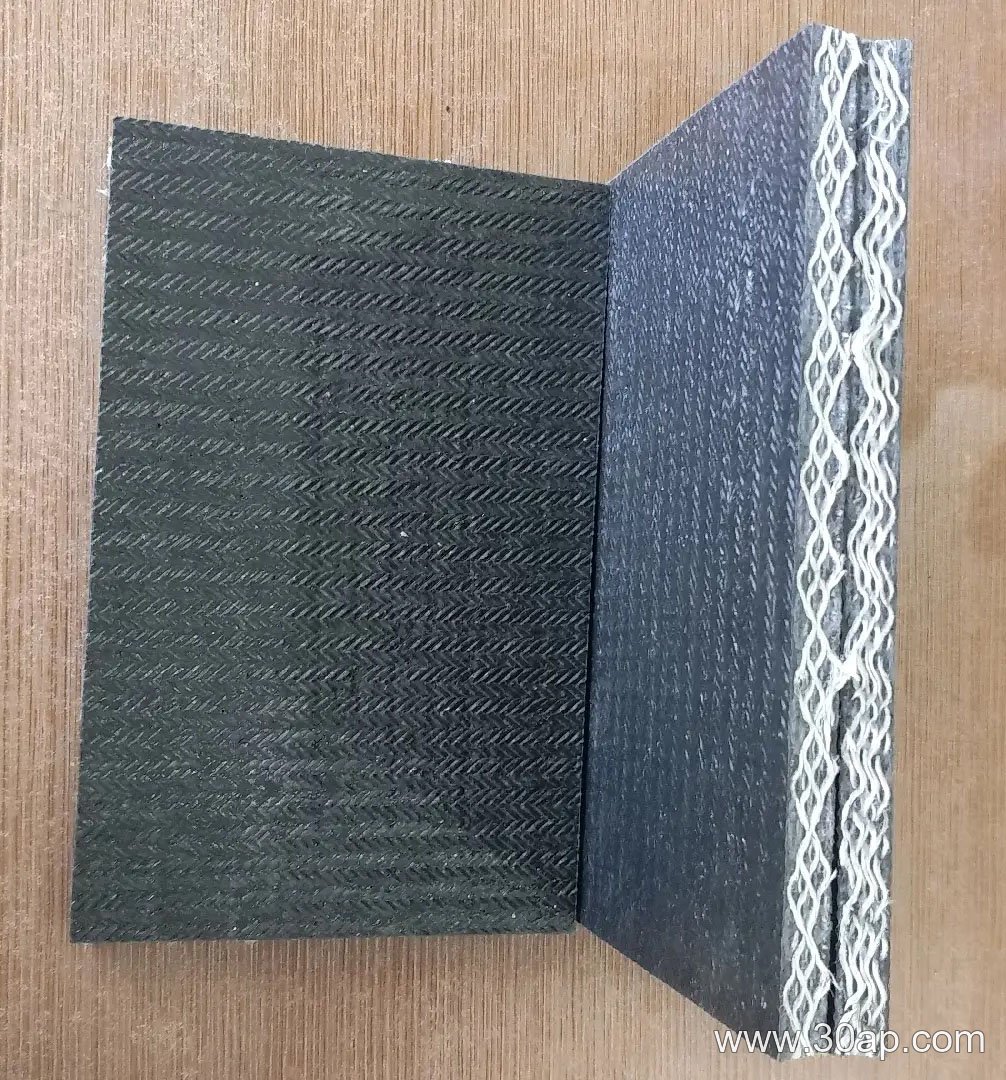
The carcass usually contains two to six plies of EP fabric, bonded with rubber skim layers and finished with top and bottom cover compounds. Common cover thickness combinations include 3+1.5 mm, 4+2 mm, 5+2 mm, 6+2 mm and 8+3 mm. The first figure is the top cover that carries the material; the second is the bottom cover that runs against the idlers.
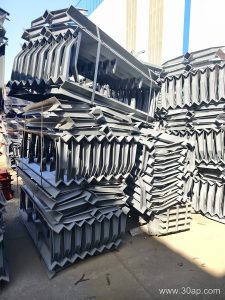
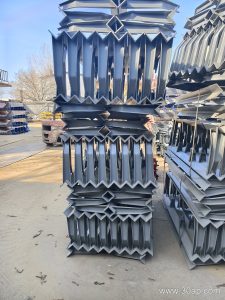
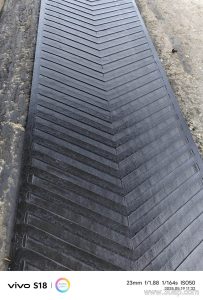
Cover compounds are chosen for the working environment. A wear-resistant grade handles sharp, abrasive ore. Heat-resistant rubber is used where the material arrives warm. Oil-resistant, fire-resistant, anti-static, cold-resistant and acid-alkali-resistant versions are also available. Patterned surfaces such as chevron or herringbone, and corrugated sidewall belts, are separate designs rather than variations of the base EP200 belt itself.
Where It Fits on the Conveyor
EP200 is widely used in aggregate plants, cement mills, coal handling, fertiliser lines, sawmills, package sorting and general bulk transport. It performs well on conveyors with moderate centres and reasonably sized pulleys. Because the polyester warp stretches less than a pure nylon carcass, it holds troughing shape and needs less take-up travel over its service life.
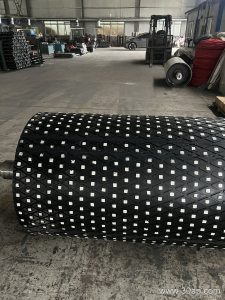
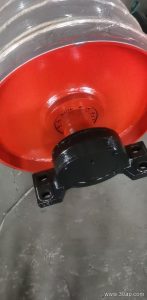
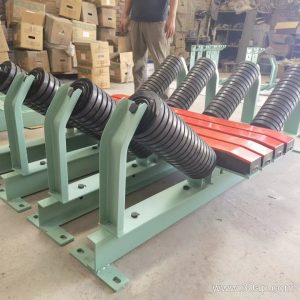
On the conveyor frame, the belt runs over a series of idler rollers that support the load and keep the belt in a trough. At the ends, the drive pulley pulls the belt and the tail pulley returns it. A bend pulley may be added to change direction or increase wrap angle. These three pulley roles are not interchangeable, so replacement parts should always be matched to the duty they perform.
Selection Points for Buyers
- Belt width: available in common widths such as B500, B650, B800, B1000, B1200 and wider. Width is matched to the lump size and the required capacity, not to a single pulley diameter.
- Carcass strength: EP200 suits many medium-duty duties, but long, steep or heavily loaded conveyors may call for EP315, EP400 or higher.
- Cover grade: confirm whether abrasion, heat, oil, cold or fire resistance is the dominant risk.
- Pulley and shaft sizing: these are determined by the conveyor designer from belt tension, wrap angle and torque, not from belt width alone.
- Joint method: vulcanised splices give the smoothest running surface, while mechanical fasteners allow quicker field repairs.
Installation and Care
Correct alignment at installation prevents most tracking problems. The belt should be centred on the drive, tail and bend pulleys, and the carrying and return idlers should be square to the frame. Conveyor brackets and supporting structures need to be rigid enough to keep everything in line.
During operation, check for edge damage, cover wear, exposed fabric and splice deterioration. Keep the belt reasonably clean and avoid over-tensioning, because excess tension shortens carcass life. Store spare belts away from sunlight, heat and ozone sources, and roll them in the recommended direction.
EP200 is not a universal answer for every conveyor, but for many general material handling duties it offers a practical balance of strength, troughability and cost. Matching the carcass grade, cover compound, width and pulley design to the actual working conditions is what keeps the belt running reliably.