What a Thick Conveyor Belt Is
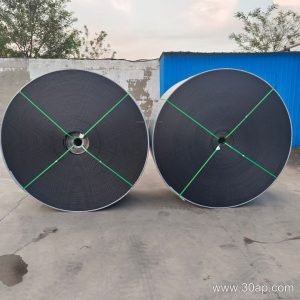
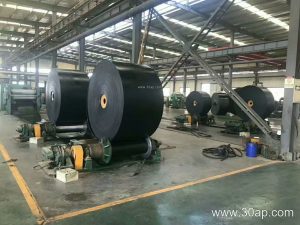
A thick conveyor belt is a heavy-duty belt built with a larger overall cross-section than a standard belt of the same width. The extra thickness usually comes from two places: a stronger or more numerous carcass and thicker rubber covers. In practice, a thick conveyor belt is often specified where the belt must absorb impact, resist cutting and gouging, or carry dense bulk material over long runs. Buyers in mining, coal preparation, cement, power generation, steel plants, ports and sand and gravel yards frequently ask for this kind of belt because the duty is simply harder on the belt surface and edges.
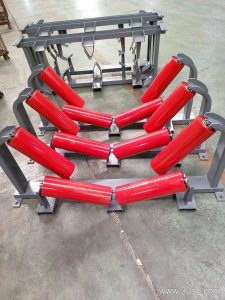
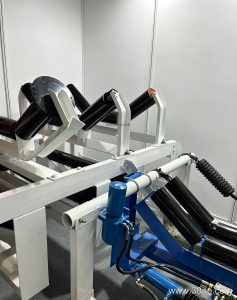
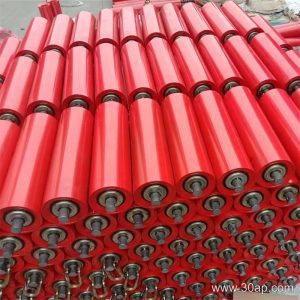
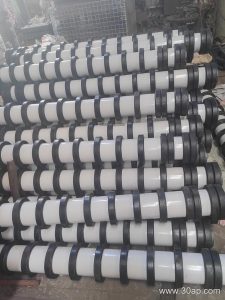
The product is still a conveyor belt, not a different machine. It runs over the same conveyor pulley and idler roller set as other belts, and it is supported by the same conveyor bracket and frame structure. What changes is the belt construction and the loads it can tolerate.
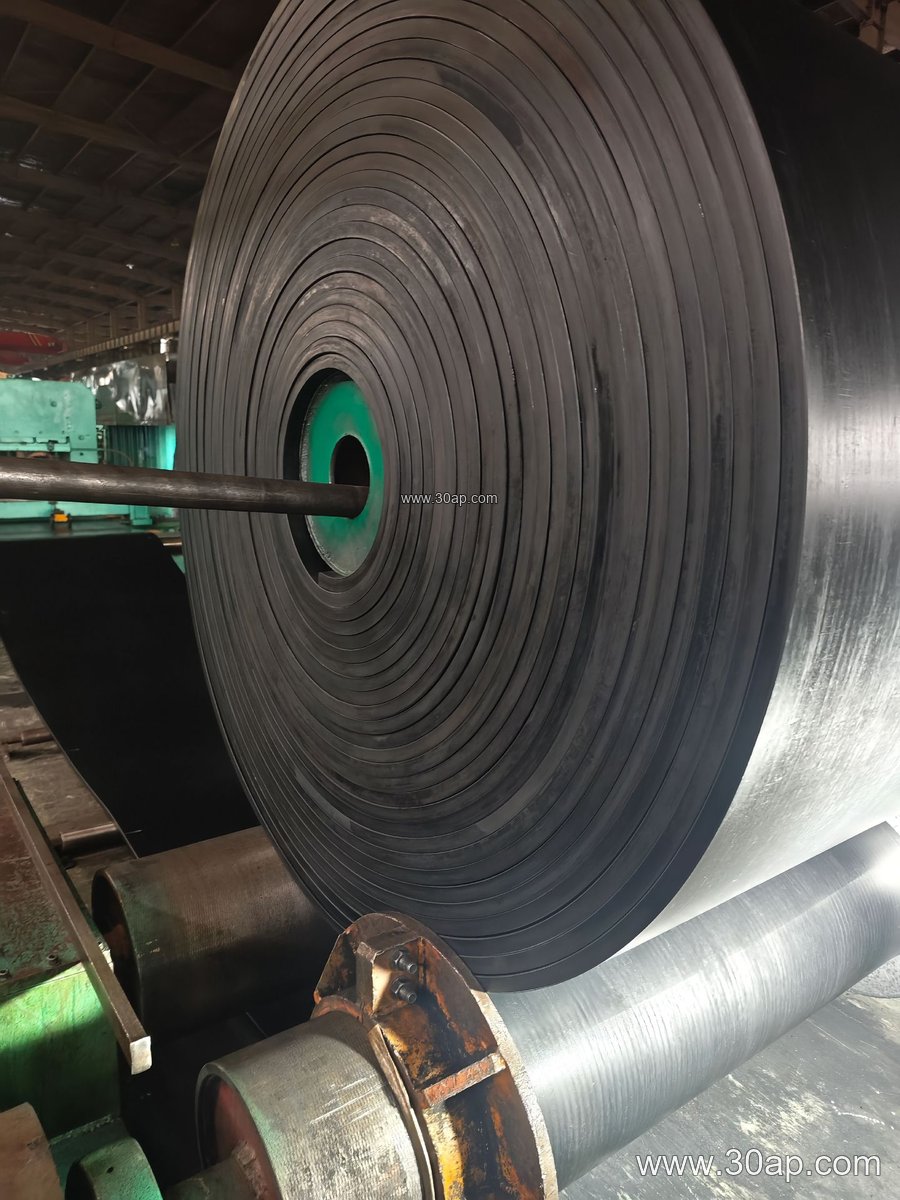
How the Thickness Is Built Up
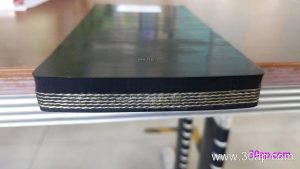
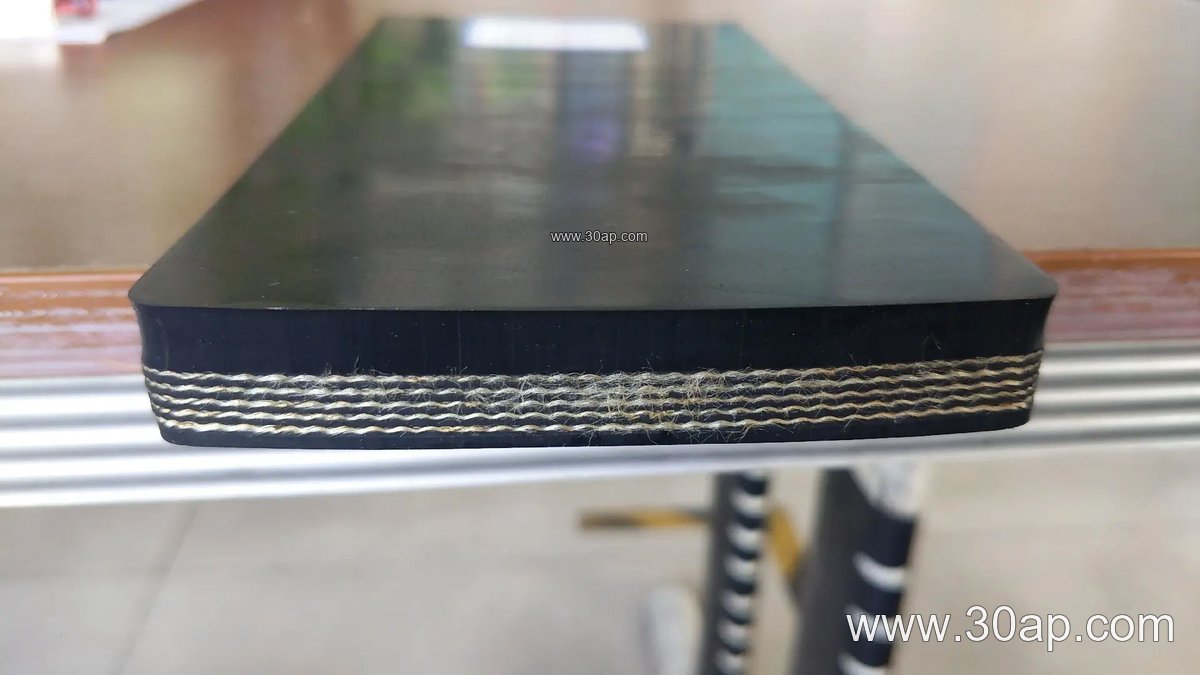
Most thick belts use a fabric core or a steel cord core. Fabric constructions include EP conveyor belt (polyester warp, nylon weft), NN conveyor belt (nylon warp and weft), and multi-ply fabric core conveyor belt with two to six plies. Steel cord conveyor belt uses parallel steel wires for very high tensile strength and long center distances.
Cover thickness is the other half of the story. Common cover combinations include 3+1.5 mm, 4+2 mm, 5+2 mm, 6+2 mm and 8+3 mm, where the first figure is the top cover and the second is the bottom cover. A thick top cover protects the carcass from abrasion, while a thick bottom cover helps on return-side wear. The carcass provides tensile strength, and the covers provide wear life.
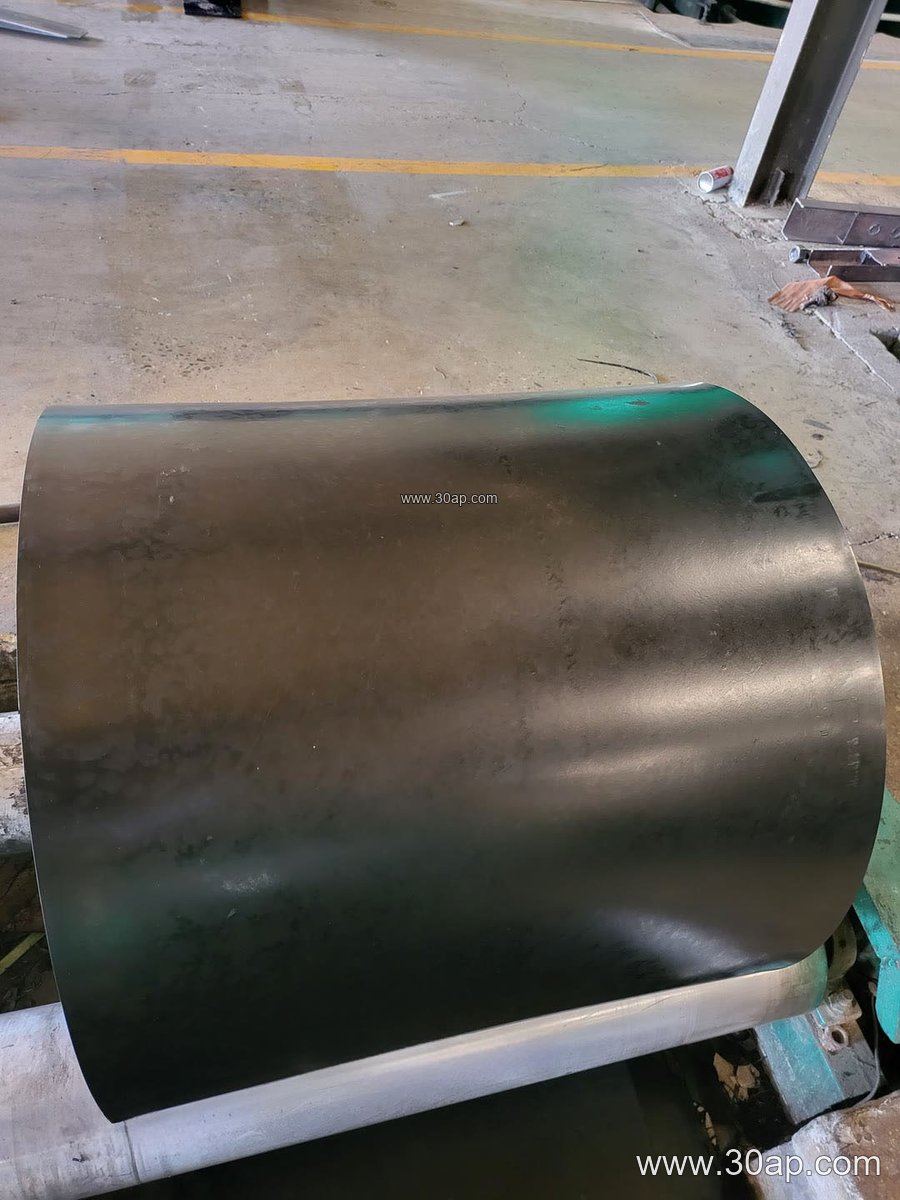
Typical Constructions and Reference Data
The table below shows common reference values. These are illustrative, not fixed supply promises; actual belt design depends on the conveyor layout, material and duty.
| Construction | Common Strength Grades | Typical Cover Thickness | Common Widths |
|---|---|---|---|
| EP fabric core | EP200, EP315, EP400, EP500, EP630, EP800, EP1000, EP1250 | 4+2 mm, 5+2 mm, 6+2 mm | B650, B800, B1000, B1200, B1400 |
| NN fabric core | NN100 to NN400 | 4+2 mm, 5+2 mm | B500, B650, B800, B1000 |
| Steel cord | ST1000, ST1250, ST1600, ST2000 | 6+2 mm, 8+3 mm | B1000, B1200, B1400, B1600 |
| PVG / PVC | PVG800, PVG800S | Per design | B800, B1000, B1200 |
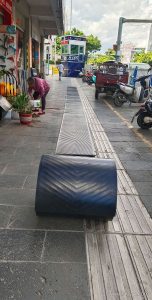
Surface forms also matter. Chevron conveyor belt and corrugated sidewall conveyor belt are used on inclines, while skirted conveyor belt helps contain material at transfer points. These are separate subtypes; they are mentioned here only to show how a thick belt can be adapted to a specific duty.
Where Thick Belts Are Used
Heavy-duty mining conveyor belt and quarry conveyor belt installations are the classic applications. Run-of-mine ore, crushed rock and aggregate drop onto the belt from crushers and screens, so impact resistance and abrasion resistance are important. In coal mining, flame retardant conveyor belt and anti-static conveyor belt behavior may be required, especially for underground mining conveyor belt and underground coal mining conveyor belt service. Cement plants use heat resistant conveyor belt where clinker or hot material is present, and power plants often need fire resistant conveyor belt and oil resistant conveyor belt properties around fuel handling. Ports and ship loading systems favor high strength conveyor belt with wide widths such as 1200mm conveyor belt, 1400mm conveyor belt and 1500mm conveyor belt.
Other industries include steel plants, recycling lines, construction sites and sand making plants. In each case, the belt works with conveyor pulleys, idler rollers and brackets, and the whole system must be matched to the belt’s thickness, weight and stiffness.
What Buyers Should Check
- Confirm the actual duty: impact size, material temperature, oil or chemical exposure, and whether flame retardant or anti-static performance is needed.
- Match strength grade to the conveyor tension calculation, not to habit. EP1000 and EP1250 are common for heavy fabric belts, while ST1600 and ST2000 appear in high-tension steel cord systems.
- Check cover thickness against wear life, not just price. A 6+2 mm or 8+3 mm cover may last longer in abrasive rock service.
- Verify belt width and pulley face width together. A wider belt needs a matching pulley, and one belt width does not lock you into one pulley diameter.
- Ask how the belt will be joined. Endless conveyor belt splices or mechanical fasteners affect belt thickness, pulley clearance and take-up travel.
A thick conveyor belt is a practical answer to harsh conveying conditions, but it should be selected as part of the whole conveyor system. Belt, pulley, idler roller and bracket choices belong in the same design review.