What a Lower Self-Aligning Idler Does
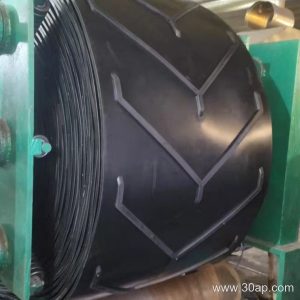
A lower self-aligning idler is a return-side training roller that keeps the conveyor belt centered as it travels back under the carrying run. Mounted beneath the belt on the return strand, it responds to small lateral drift by pivoting slightly, so the belt is gently steered back toward the centerline before misalignment becomes a bigger problem. In a quarry, a coal washing plant, or a cement plant, this kind of idler roller helps reduce edge damage and spillage on long return runs where the belt has little support.
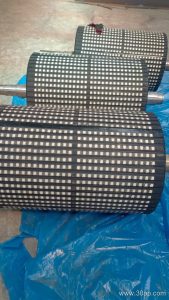
It is not a drive pulley, a tail pulley, or a bend pulley. Those are conveyor pulleys that transmit power or change belt direction. The lower self-aligning idler is a training component within the idler group, and it works together with the conveyor bracket and frame rather than replacing any pulley.
How the Roller Is Built
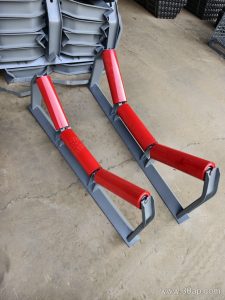
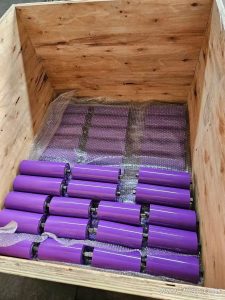
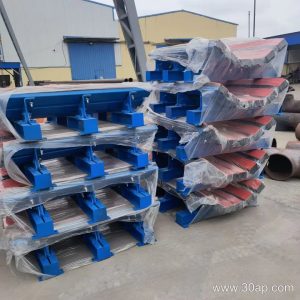
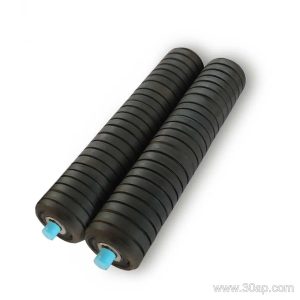
Most designs use a pair of angled rollers or a pivoting frame that allows the roller set to swing horizontally. The roller shell is usually steel tube, and the surface may be plain steel, nylon, or rubber-covered depending on the duty. Sealed bearings keep dust and water out, which matters in aggregate and power-plant coal handling. A typical lower self-aligning idler may use bearing sizes such as 6205, 6305, or 6306, matched to the shaft and load rather than to belt width alone.
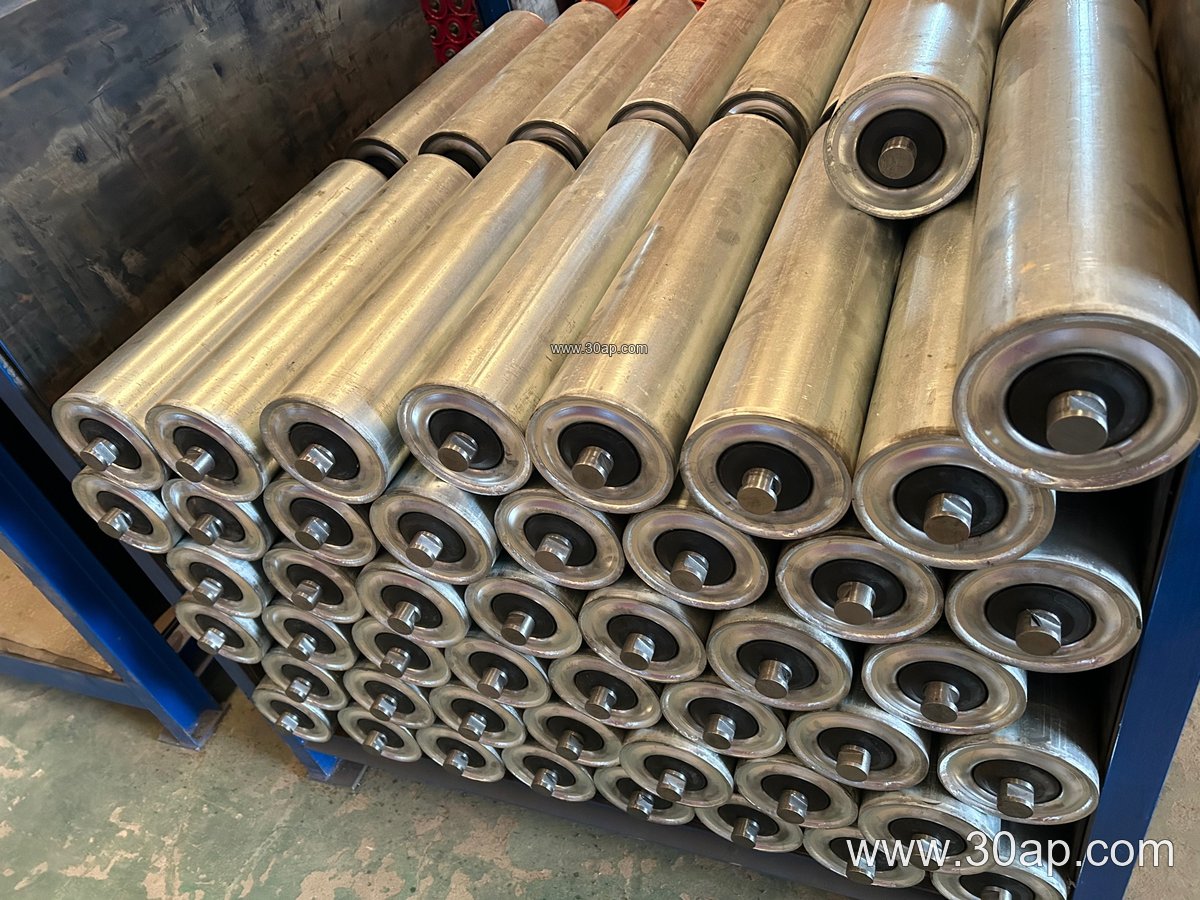
The pivot mechanism is the key feature. When the belt touches one side of the roller, friction turns the frame slightly, and the angled roller face pushes the belt back. Return-side training rollers are often supplied as a V-type or flat arrangement, and the self-aligning version adds the pivoting action. A standard flat return idler or V-type return idler does not train the belt in the same way, so the two should not be treated as interchangeable.
Where It Fits on the Conveyor
Lower self-aligning idlers are placed at intervals along the return strand, often after the belt leaves the tail area and before it reaches the drive pulley. In a limestone mine or a sand and gravel line, they are useful on long overland conveyors where wind, off-center loading, or a slightly skewed frame can push the belt sideways. A port conveyor handling bulk cargo may also use them on the return run to protect the belt edges.
They are not a substitute for correct pulley alignment or proper loading. If the conveyor pulley is out of square or the belt is badly loaded, a training idler can only correct small deviations. Inspection of the conveyor bracket and frame should come first.
Common Sizes and Selection Notes
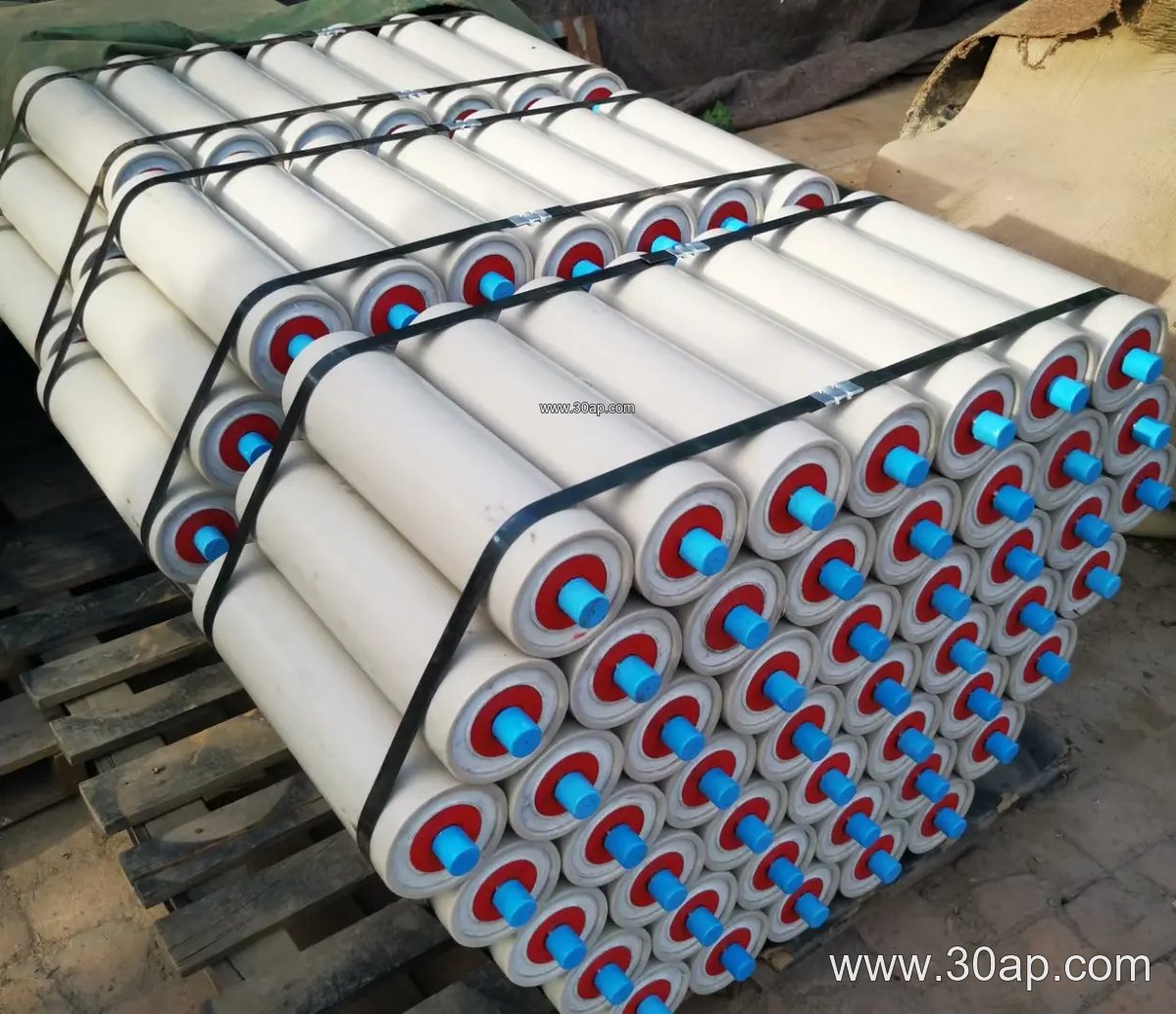
Lower self-aligning idlers are selected by roller diameter, belt width, shaft size, and bearing type. The table below shows common reference values, not fixed combinations. Final dimensions should follow the conveyor design.
| Parameter | Common Reference Values |
|---|---|
| Roller diameter | Ø89, Ø102, Ø108, Ø127, Ø133, Ø159 mm |
| Belt width | B650, B800, B1000, B1200, B1400, B1600 mm |
| Bearing | 6205, 6305, 6306, 6308 |
| Roller surface | Steel tube, nylon, rubber-covered |
| Mounting | Pivoting frame with conveyor bracket |
A buyer should confirm the return belt width, the required training angle, and the available space under the belt. The roller length depends on belt width and frame design, and a wider belt does not automatically dictate one shaft diameter. Ask for a dimensional drawing and check that the pivot range suits the conveyor.
Maintenance and Buyer Checks
- Check that the pivot moves freely and is not seized by dust or rust.
- Inspect the roller shell for wear and the bearing seals for damage.
- Confirm that the training idler is installed square to the belt centerline.
- Replace worn rollers before they damage the conveyor belt edge.
For a coal mine or a power plant coal yard, dust and fine material can build up around the pivot. Periodic cleaning keeps the self-aligning action responsive. When ordering, specify the belt width, roller diameter, bearing size, and mounting arrangement so the lower self-aligning idler matches the existing conveyor bracket and return strand.