What a 500mm Diameter Conveyor Pulley Is
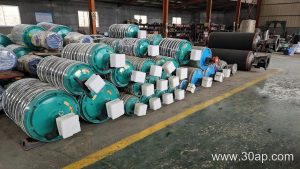
A 500mm diameter conveyor pulley is a drum-shaped rotating component used to support and drive a conveyor belt. The 500 mm figure refers to the outside diameter of the shell, usually measured over the lagging if rubber is fitted. In metric terms this is a Ø500 pulley, and it sits in the middle of the common size range, larger than Ø400 and smaller than Ø630. Depending on where it is mounted, the same shell size can act as a drive pulley, a tail pulley, a bend pulley, or a tension pulley, but these are different duties and are not interchangeable names.
How the Pulley Is Built
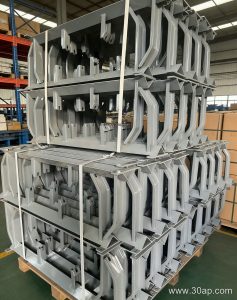
The assembly normally consists of a steel shell, two end discs, a shaft, hub connections, and bearing housings. For a 500 mm shell, the shaft is sized from torque and radial load rather than belt width alone. Common shaft diameters in this class include Ø80, Ø90, Ø100, and Ø120, with larger sizes used for heavy drives. The face width is usually wider than the belt; a B800 belt often runs on a face of roughly 950 mm, while a B650 belt may use about 750 mm. The pulley is fixed to the conveyor bracket through bearing blocks, and alignment of those brackets matters as much as the drum itself.
- Shell: rolled steel, sometimes with a machined crown
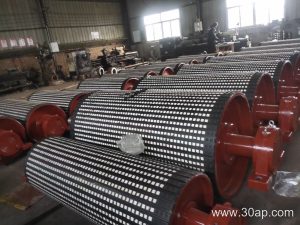
- Lagging: plain, rubberlagged, diamond, chevron, or ceramic
- Lagging thickness: commonly 8, 10, 12, 15, or 20 mm
- Shaft: determined by drive torque and bending load
- Bearings: selected for radial and thrust loads in the application
Where It Fits in a Conveyor
At a limestone quarry or a sand and aggregate line, a Ø500 drum is often found at the discharge end of a short-to-medium conveyor, or as a bend pulley where the belt changes direction. In a cement plant it may guide clinker belts, and in a power plant coal handling system it can serve as a tail or snub pulley. The same diameter may appear on a crushing and screening circuit feeding a crusher conveyor belt. It is also seen in fertilizer and grain silo installations where moderate belt tensions are involved.
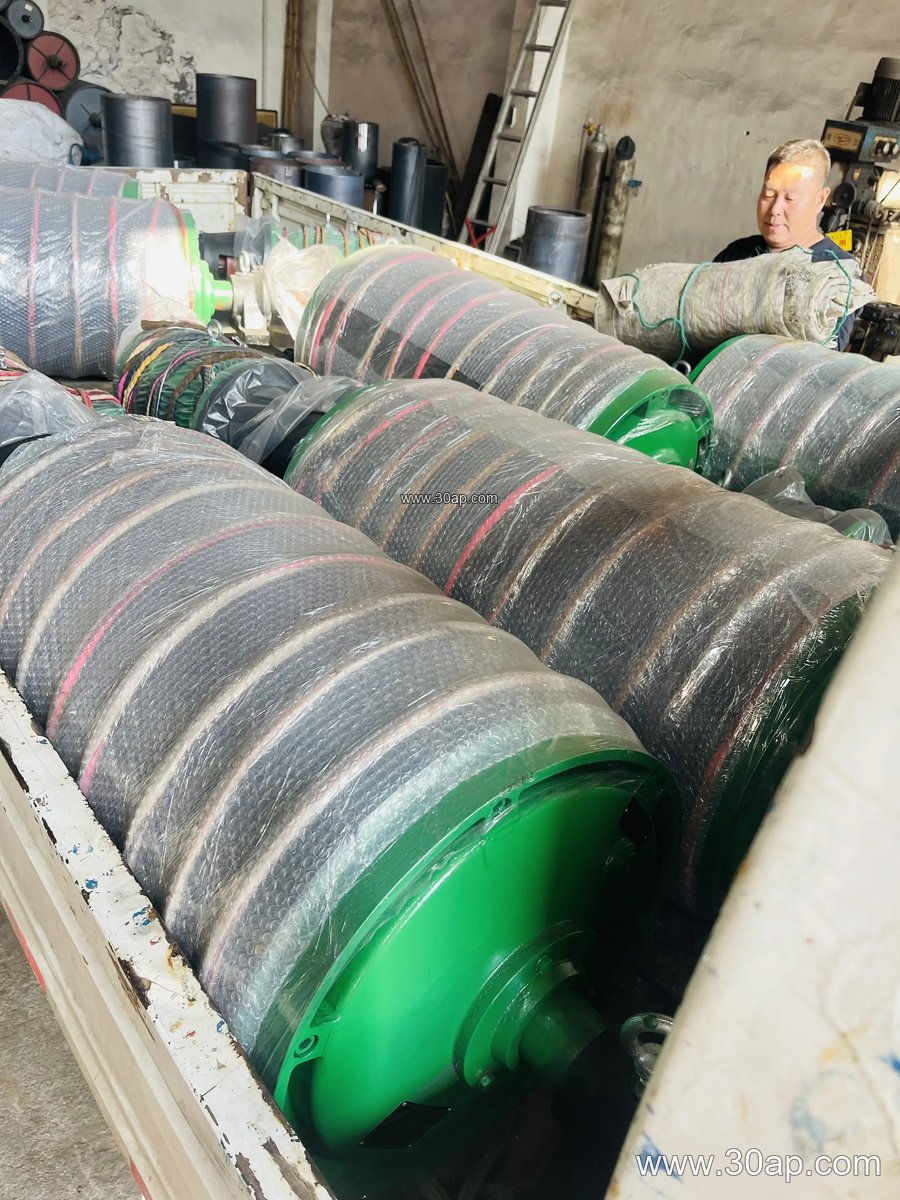
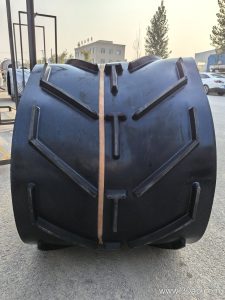
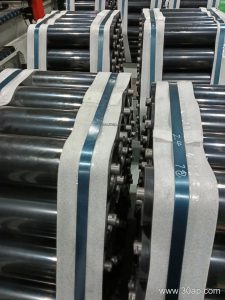
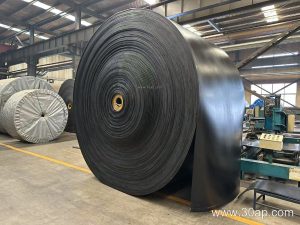
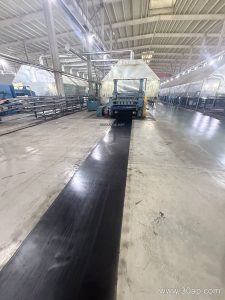
The pulley does not work alone. It interacts with the conveyor belt, the idler roller sets, and the frame. A heavy-duty mining conveyor belt with high tension needs a larger shaft and stronger bearings than a light aggregate belt, even when both use the same 500 mm shell. For abrasive ore duties, an abrasion resistant conveyor belt and properly lagged drum reduce slip and wear.
Drive, Tail, and Bend Duties Are Different
A drive pulley transmits torque through lagging friction, so its surface form and wrap angle are critical. A tail pulley mainly guides and tensions the return side and may use a plain or lightly lagged face. A bend pulley changes belt direction with little torque transfer, so its bearing load is lower but its alignment is still important. A tension pulley takes up slack and may travel on a sliding frame. Choosing a 500 mm diameter conveyor pulley for a drive position requires more information than choosing one for a bend position.
Surface Options and Belt Matching
Lagging choice depends on the material and the environment. Diamond or chevron rubber improves grip in wet or dusty conditions. Ceramic lagging suits high-abrasion service but must be matched to belt cover hardness. Plain steel is acceptable in clean, low-torque positions. Heat resistant conveyor belt applications may call for heat-tolerant lagging, while oil resistant conveyor belt duties need rubber that resists swelling. In coal mining, flame retardant conveyor belt and anti-static conveyor belt requirements often extend to the pulley lagging and grounding path.
Specification Reference
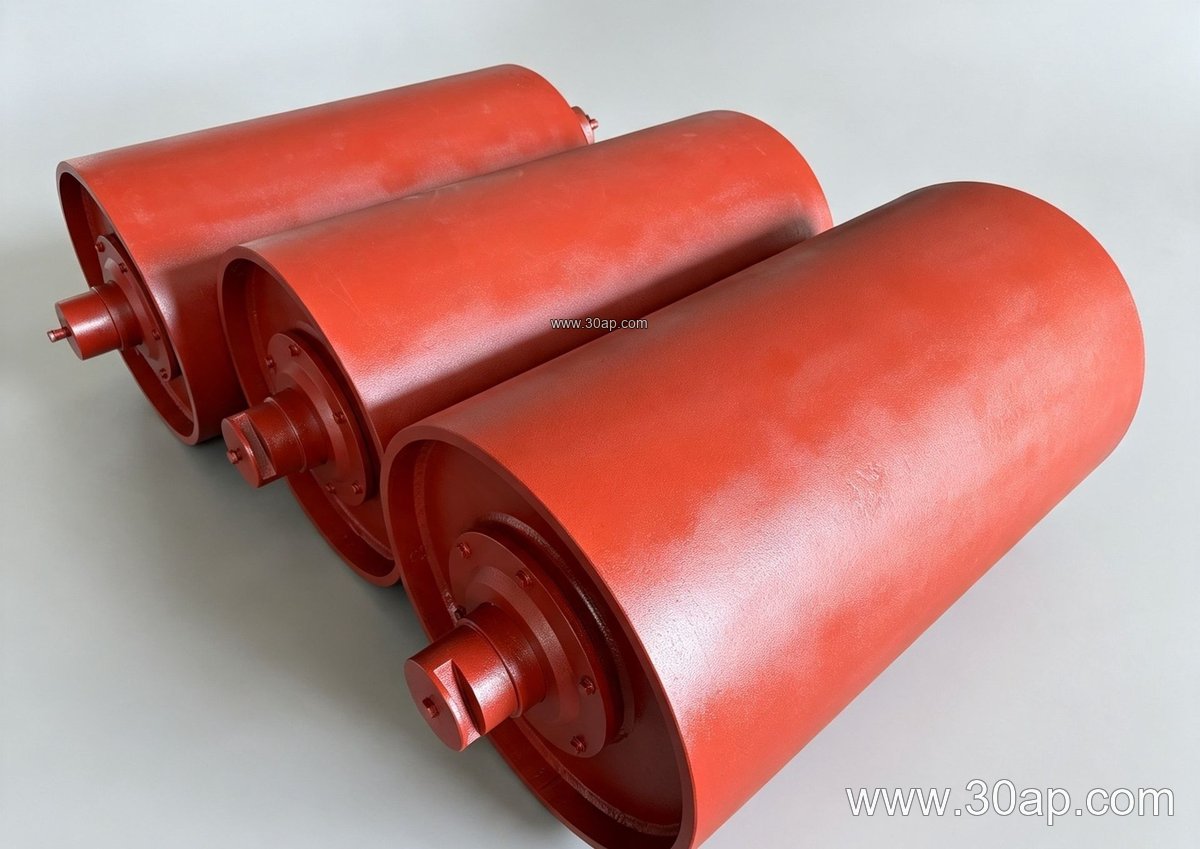
The values below are typical reference data, not fixed matches. Final dimensions are determined by the conveyor design.
| Parameter | Common Range or Example |
|---|---|
| Outside diameter | Ø500 mm (nominal) |
| Belt width examples | B500, B650, B800, B1000, B1200 |
| Face width examples | About 600, 750, 950, 1150, 1400 mm |
| Shaft diameter examples | Ø80, Ø90, Ø100, Ø120, Ø140 mm |
| Lagging thickness | 8, 10, 12, 15, 20 mm |
| Surface forms | Plain, rubber lagged, diamond, chevron, ceramic |
A B800 × Ø500 combination is common in aggregate plants, and a B1200 × Ø500 pulley may appear on wider belts where the diameter is set by belt stiffness rather than tonnage. Do not assume that one belt width can only pair with one diameter.
What Buyers Should Check
- Confirm the duty: drive, tail, bend, tension, or snub
- Provide belt width, belt type, and belt tension data
- State the lagging type and thickness needed
- Check shaft diameter against calculated torque, not belt width alone
- Verify bearing size, seal type, and lubrication method
- Confirm face width and bracket mounting dimensions
- Match lagging to the conveyor environment and belt cover
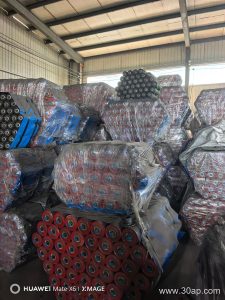
For a quarry or cement plant, a spare 500mm diameter conveyor pulley kept with the idler roller stock can shorten downtime. For underground coal mining, documentation of flame retardant and anti-static properties is usually requested. Buyers working with EP conveyor belt or steel cord conveyor belt systems should share the belt tension rating so the pulley shaft and bearings can be sized correctly. A pulley is only one part of the conveyor pulley assembly, and the conveyor bracket, bearing housing, and belt all influence its service life.