What the Ø159 Conveyor Idler Is
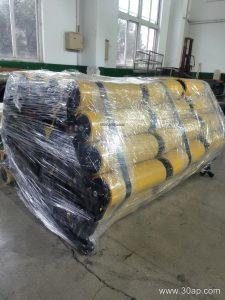
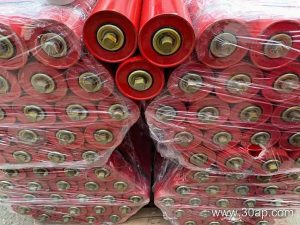
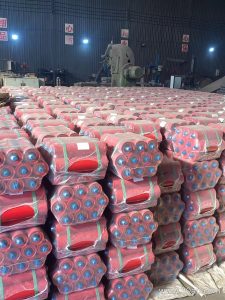
A Ø159 conveyor idler is a roller with a nominal diameter of 159 mm, used to support and guide the conveyor belt along its carrying and return runs. In bulk handling operations, this diameter sits in the heavy-duty range, bridging the gap between smaller troughing rolls and the very large rollers used on high-capacity trunk conveyors. You will often see it referred to simply as a 159 mm idler roller, and that is the same product—no subtype change implied.
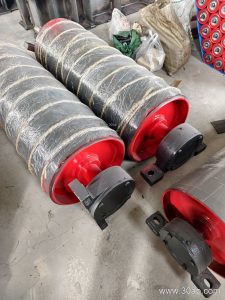
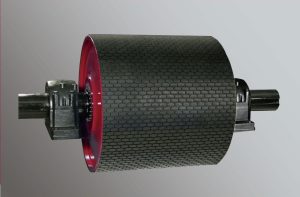
The Ø159 Conveyor Idler is not a pulley. Drive pulleys, tail pulleys and bend pulleys transmit power or change belt direction; idlers rotate freely under the belt to carry its weight and the load. Keeping that distinction clear matters when specifying spares, because a conveyor pulley and an idler roller serve different functions and are not interchangeable.
How It Is Built
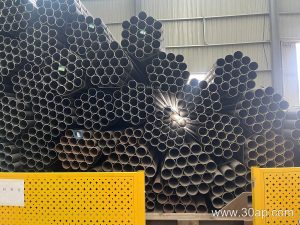
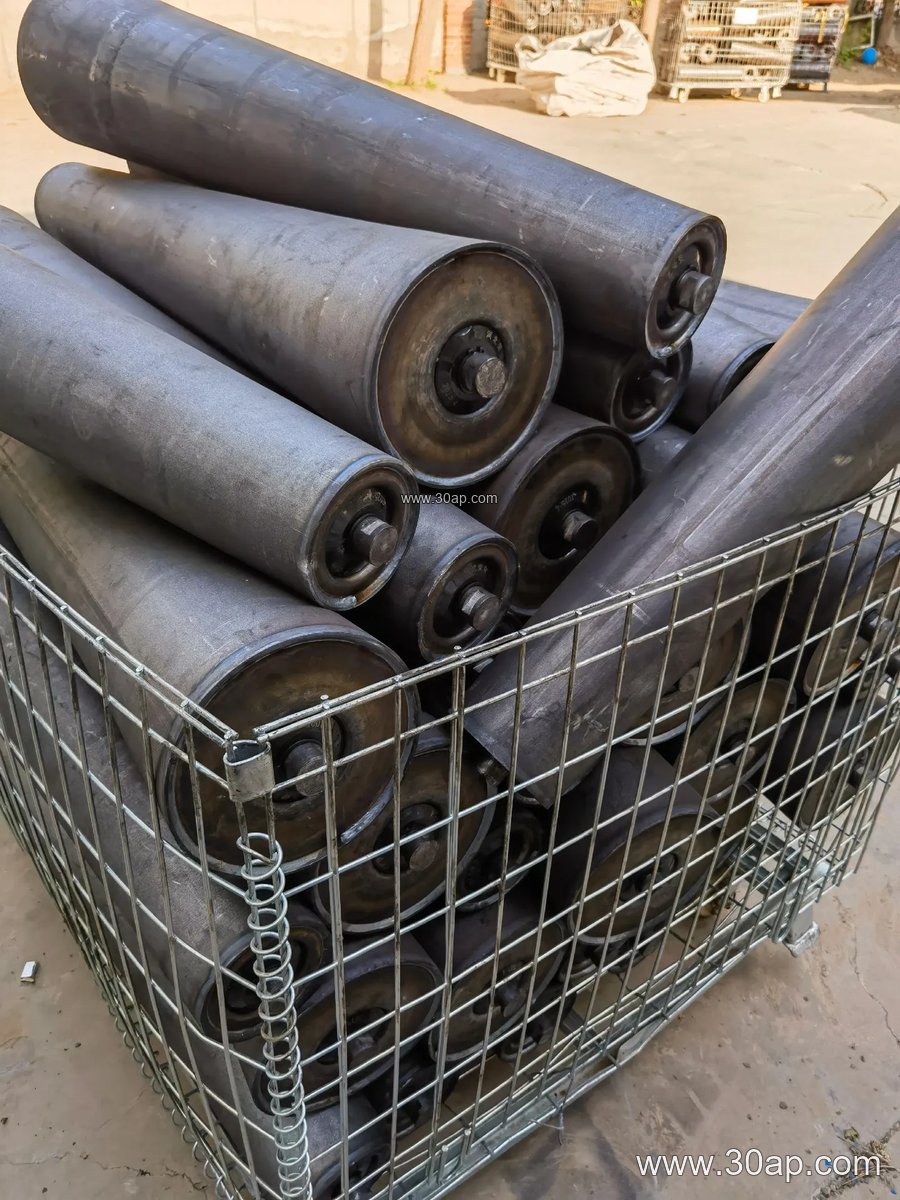
Construction follows the familiar idler pattern. A steel tube forms the shell, with bearing housings pressed into each end. Common bearing sizes for this class include 6305, 6306, 6308 and 6310, though the correct bearing depends on load and speed rather than diameter alone. Seals are critical: in dusty quarry or coal mining service, effective labyrinth or contact seals keep grit out and grease in. Roller surfaces may be plain steel, nylon, ceramic or rubber-ringed, with rubber rings often chosen for impact zones.
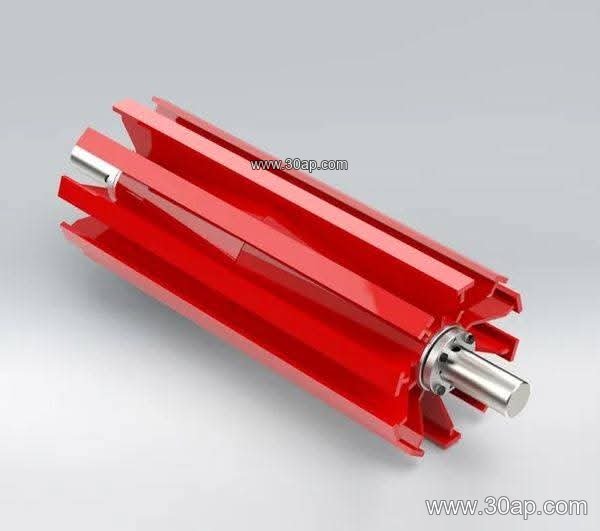
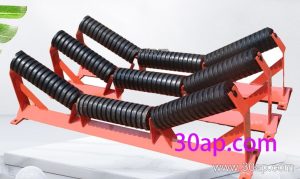
The Ø159 Conveyor Idler typically appears in three-roll troughing sets for wide belts, but it can also be used in two-roll or single-roll arrangements depending on the conveyor design. Trough angles of 20, 30, 35 and 45 degrees are common; a forward tilt of about 1.5 to 2 degrees is sometimes used on training idlers to help center the belt.
Where It Fits on the Conveyor
On a typical belt conveyor, the Ø159 Conveyor Idler is most often found in the carrying run, forming the trough that shapes the belt and contains the load. It may also appear as a transition idler near the tail or head, where the belt changes from flat to troughed. In high-impact loading points, rubber-ring buffer versions of the same diameter can absorb shock from falling lump material. On the return side, smaller diameters such as Ø127 or Ø133 are more common, but the 159 mm size can still be used where belt stiffness or load requires it.
This idler diameter is regularly specified for mining conveyor belt systems, coal mining conveyors, quarry and aggregate lines, cement plant raw-material handling, power plant coal feeding and port bulk terminals. In these environments, the belt itself may be an EP conveyor belt, a steel cord conveyor belt or a flame retardant conveyor belt, and the idler must match the belt width and load profile.
Matching Diameter to Belt Width
There is no fixed rule that ties one belt width to one idler diameter. The Ø159 Conveyor Idler is commonly used on belts from around B1000 up to B1800 and beyond, but final selection depends on belt tension, material weight, trough angle and idler spacing. The table below shows typical reference values; these are examples, not universal specifications.
| Belt Width | Typical Roller Length (three-roll trough) | Common Idler Diameter Range |
|---|---|---|
| B1000 | 380 mm | Ø127 – Ø159 |
| B1200 | 465 mm | Ø133 – Ø159 |
| B1400 | 530 mm | Ø159 – Ø178 |
| B1600 | 600 mm | Ø159 – Ø178 |
| B1800 | 670 mm | Ø159 – Ø194 |
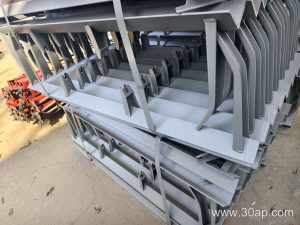
Side rollers and center rollers can differ in length within the same set, so always confirm dimensions against the conveyor bracket and frame drawing. Shaft diameter is determined by load and bearing selection, not by belt width alone.
Buyer Checklist
- Confirm the required roller length and shaft end type against the existing conveyor bracket.
- State the belt width, trough angle and idler spacing so the supplier can check load capacity.
- Specify the service environment—abrasive, corrosive, hot or wet—because seal and surface choices change accordingly.
- For impact zones, ask about rubber-ring buffer idlers in the same 159 mm diameter.
- Check that the idler is supplied as an idler roller, not as a conveyor pulley substitute.
When replacing worn rollers, inspect the conveyor belt edges and the pulley alignment at the same time. A misaligned bend pulley or worn belt edge can shorten idler life no matter how well the roller is made. For high-abrasion duties such as iron ore or copper ore, consider an abrasion resistant conveyor belt alongside quality idlers to reduce total maintenance demand.