Why the Conveyor Bracket Matters More Than You Think
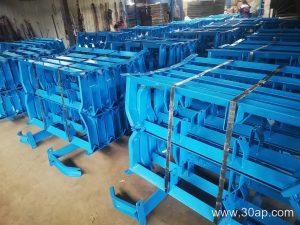
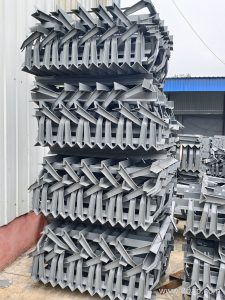
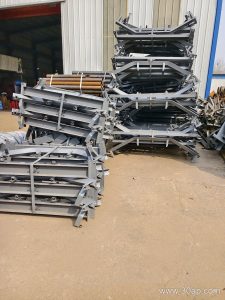
The conveyor bracket is the critical load-bearing interface between your conveyor frame and its rollers, pulleys, or sensors. A poorly chosen bracket causes misalignment, vibration, and premature wear on belts and drives. For industrial buyers, selecting the correct bracket is not an accessory decision—it is a reliability decision that directly affects uptime and total cost of ownership.
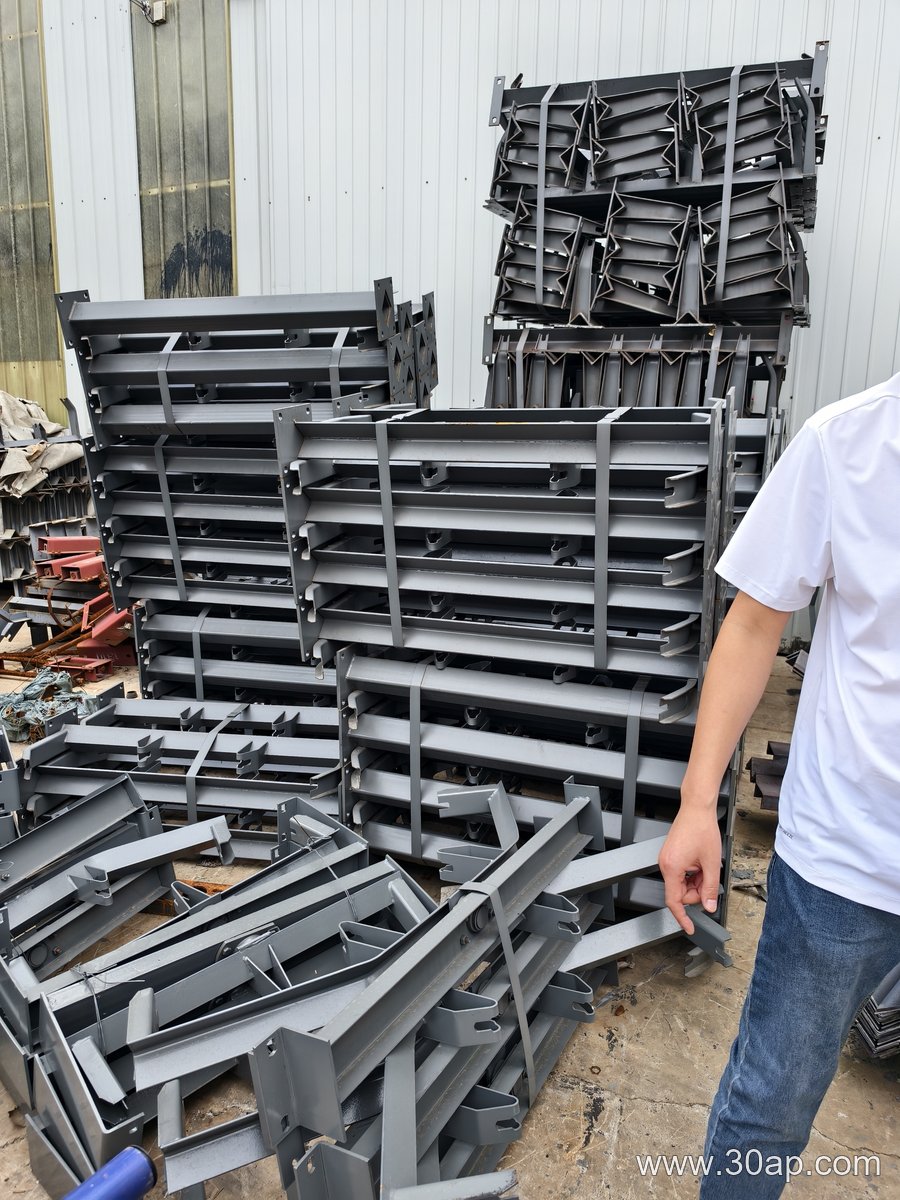
Key Selection Criteria for Conveyor Brackets
- Material grade: Choose galvanized steel for corrosive environments or stainless steel (304/316) for food, pharma, and washdown zones. Aluminum is lighter but less impact-resistant.
- Load rating: Always match the bracket’s static and dynamic capacity to your actual belt tension plus a 25% safety margin. Overloading leads to weld fatigue and bracket creep.
- Adjustability: Slotted or multi-position brackets allow precise roller height and angle tuning, which is essential for troughed idler sets and tracking correction.
- Fastening style: Bolt-on brackets offer easier retrofits, while weld-on brackets provide permanent rigidity for high-speed lines.
- Compliance: Verify CE, ATEX, or FDA approvals if your site demands them—especially for dust-explosive or hygienic processes.
Purchasing Advice: Avoid Three Common Mistakes
First, do not buy solely on price per unit; measure cost per service year. Second, always request a dimensional drawing and check hole spacing against your existing frame—field drilling voids warranties. Third, order a spare bracket kit for every ten active units to minimize downtime during emergency replacements. Finally, ask your supplier for a vibration test report if your conveyor runs above 2 m/s; resonance in brackets is a hidden cause of noise and fatigue cracks.
Conveyor Belt Fundamentals for Modern Operations
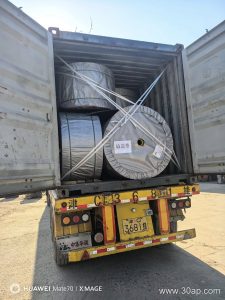
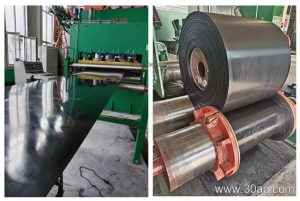
The conveyor belt remains the backbone of bulk material handling, directly impacting throughput and maintenance costs. Selecting the correct belt type—whether fabric, steel cord, or modular plastic—depends on load weight, speed, and operating environment.
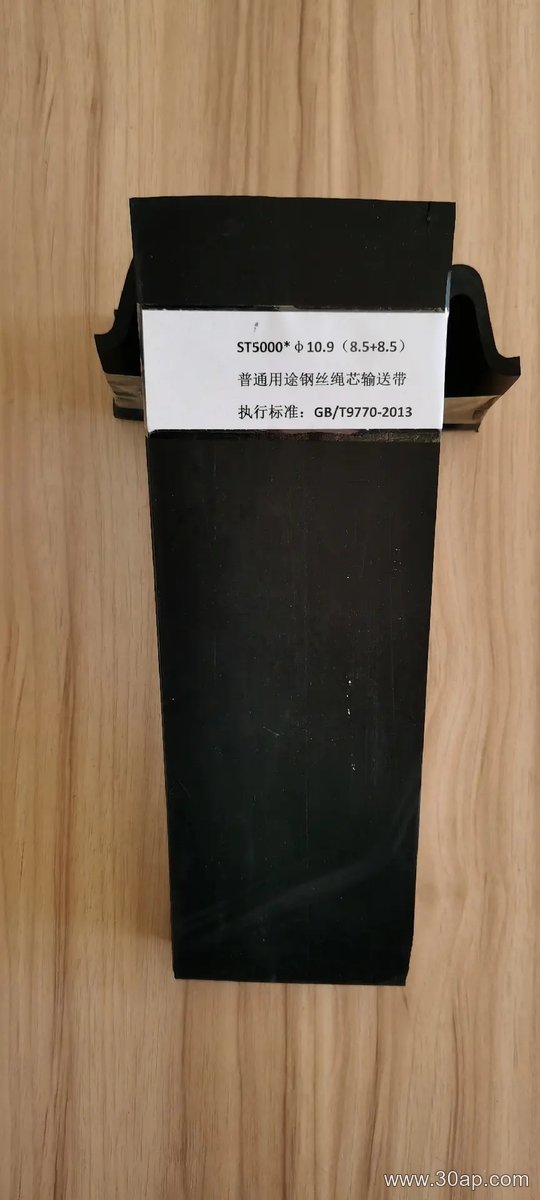
Key Selection Criteria
- Assess material abrasiveness and temperature to determine cover rubber grade.
- Calculate tensile strength requirements based on belt length and maximum load.
- Verify splice method compatibility: vulcanized for heavy duty, mechanical for quick repairs.
Purchasing Advice
Request a belt with reinforced edges for high-impact loading, and specify flame-resistant or oil-resistant compounds if needed. Always compare elongation characteristics to avoid tracking issues, and confirm manufacturer certifications for safety standards.
Understanding the Role of the Idler Roller
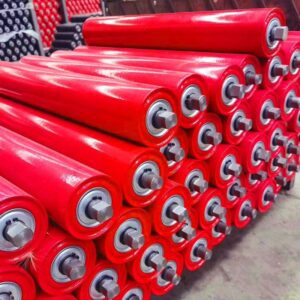
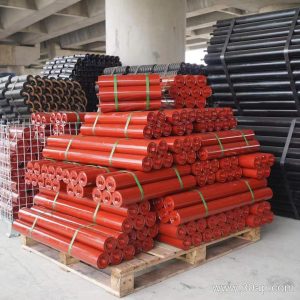
The idler roller is the unsung hero of any bulk material handling conveyor. It supports the belt and cargo, shapes the belt trough, and minimizes friction, directly influencing operational efficiency and belt lifespan.
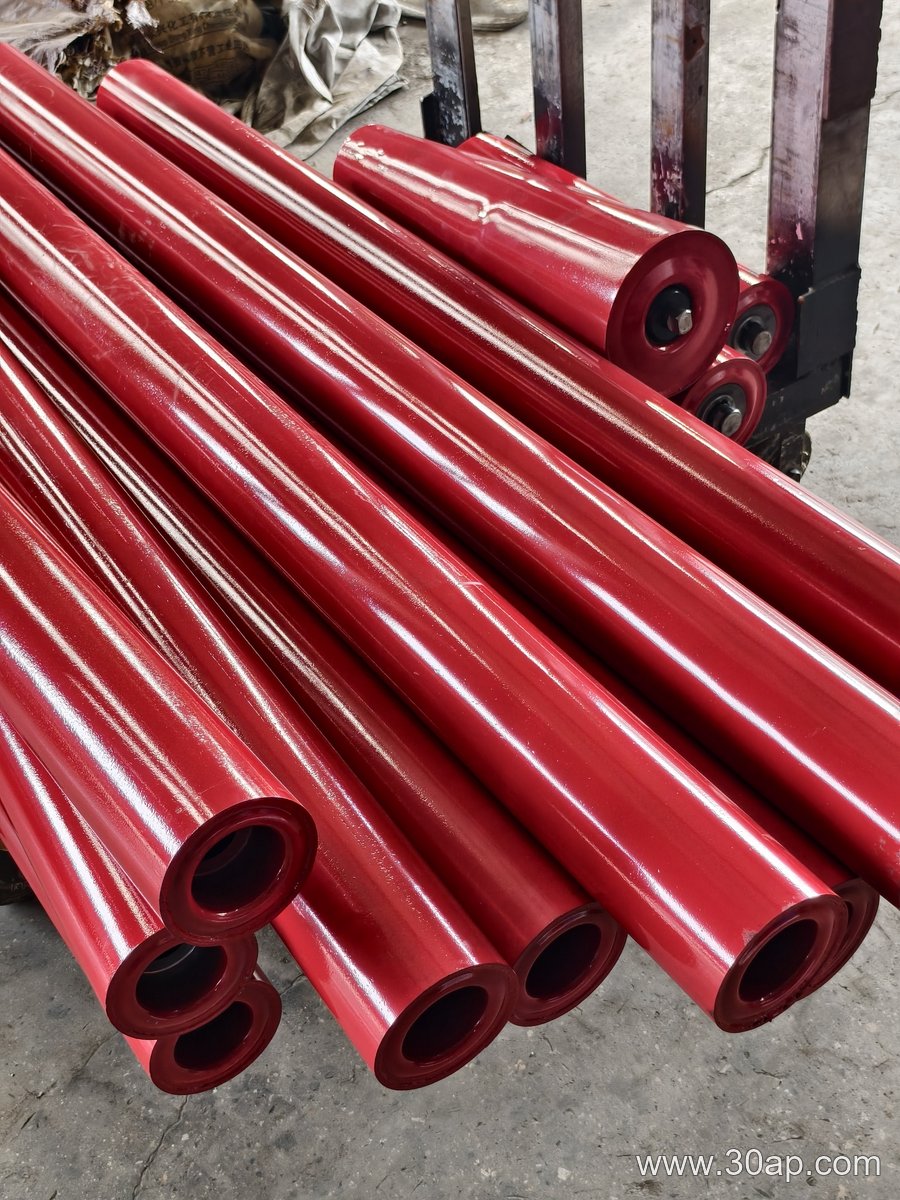
Key Factors When Choosing an Idler Roller
- Load rating – Match the roller’s dynamic capacity to your peak tonnage and belt speed to avoid premature failure.
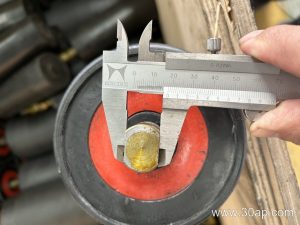
- Diameter and shell thickness – Larger diameters reduce rotation speed and belt wear; thicker shells resist impact in heavy-duty applications.
- Sealing system – For dusty or wet environments, select labyrinth or contact seals to protect bearings from contamination.
- Bearing type – Deep-groove ball bearings suit most uses, but tapered roller bearings handle higher radial and thrust loads.
Purchasing Advice for Long-Term Value
Always verify the idler roller’s compliance with CEMA standards, and request test data for runout and rolling resistance. Consider a supplier that offers interchangeable cartridges or drop-in replacements. For abrasive materials, rubber-covered rings or steel with hardened surfaces extend service life. Finally, balance initial cost against energy savings—low-friction rollers reduce power consumption and recoup investment quickly.
Why the Conveyor Pulley Is the System’s Anchor
The conveyor pulley is the cylindrical component that drives, redirects, or tensions the belt. Without a correctly engineered pulley, belt tracking fails, lagging wears prematurely, and operational downtime rises. Its diameter, face width, shaft strength, and bearing housing design directly determine load capacity and service life.
Key Selection Criteria
When specifying a conveyor pulley, evaluate the belt tension, wrap angle, and material characteristics. Choose a larger diameter for high-tension or high-speed applications to reduce belt fatigue. Verify the crown profile for proper self-centering, and select rubber lagging—ceramic for high-grip or diamond for wet conditions—to protect the shell and enhance traction.
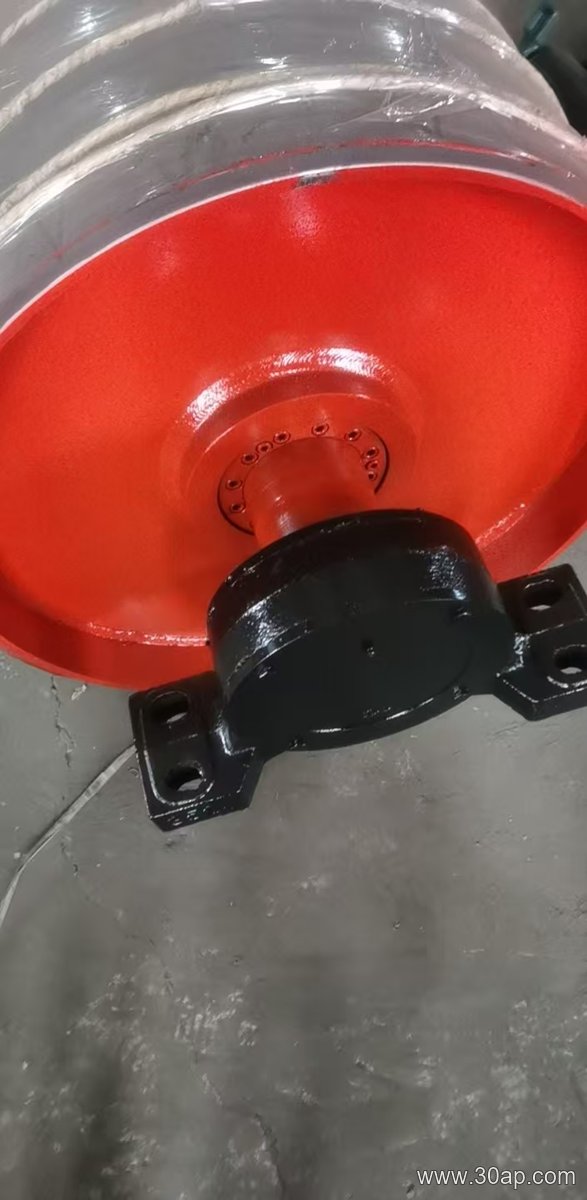
- Drum type: Use a drive pulley with a lagged surface and a snub or bend pulley for angle changes.
- Shaft and hub: Match the shaft diameter to the calculated bending moment; use locking assemblies for easy removal.
- Bearing selection: Opt for spherical roller bearings with seals rated for dust and moisture.
Purchasing Advice
Always request the manufacturer’s engineering data, including the pulley’s critical speed and weld integrity certificate. Compare designs based on total cost of ownership—not just initial price. Also, confirm that the pulley’s face width is 25–50 mm wider than the belt on each side to avoid edge damage. Order spare lagging kits and check that the pulley meets CEMA or ISO standards for your region.
Professionally sourced conveyor pulleys reduce maintenance intervals and improve throughput. Partner with a supplier who offers finite element analysis and on-site balancing for rotating assemblies above 300 rpm.