A Conveyor Bracket Choice Driven by One Fixed Dimension
Imagine a bulk-material port terminal where the conveyor stringer height is fixed at 400 mm. That single constraint forces every conveyor bracket decision. The checklist below works through the selection step by step.
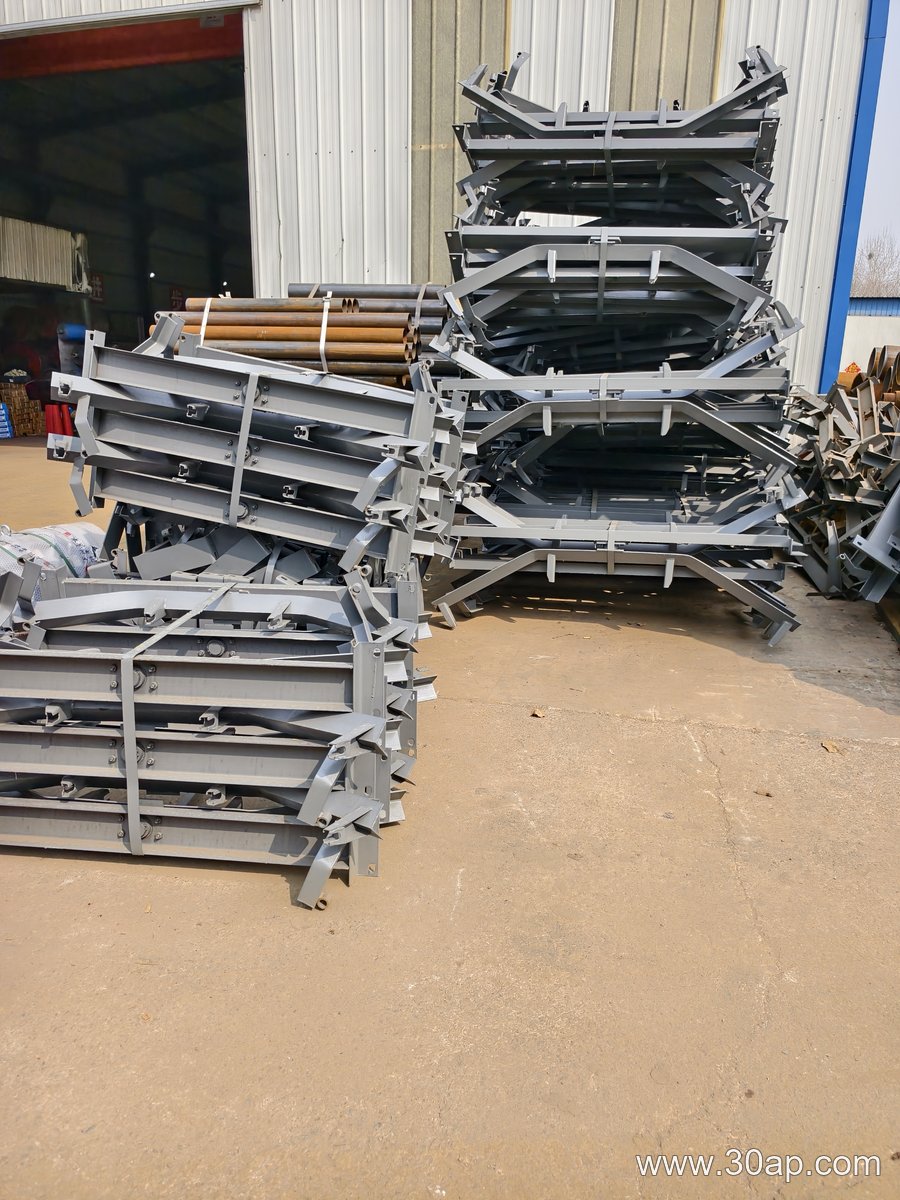
Checklist for This Hypothetical Project
- Confirm the 400 mm stringer height and belt width.
- Match the trough angle to the idler set.
- Choose a carbon steel conveyor bracket for the marine air, with a protective finish.
- Verify bolt-hole spacing against the frame.
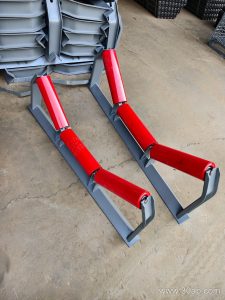
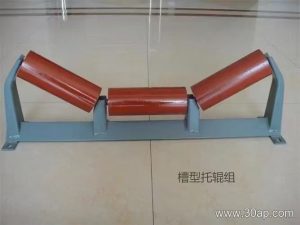
Because the height cannot change, the bracket must adapt the idler to the structure, not the reverse. A trough idler bracket with slotted holes absorbs minor misalignment without modifying the stringer.
Conveyor Belt Length: The Misconception and the Method
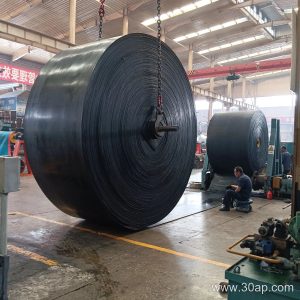
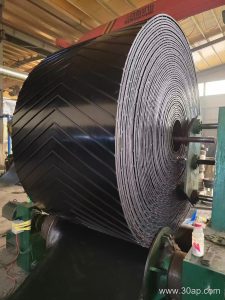
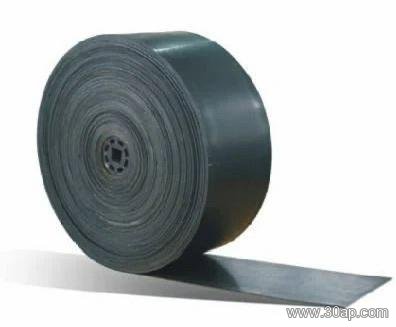
A common misconception is that a conveyor belt’s length is simply the distance between head and tail pulleys. In a mineral-processing plant, the belt must wrap around both pulleys and any take-up or snub rollers, so the calculated length must include those arcs.
A Hypothetical Calculation with Stated Assumptions
Assume a 1200mm conveyor belt on a center-to-center distance of 50 m, two pulleys of 1.0 m diameter, and a 180° wrap at each pulley. Using the approximation L = 2C + π(D1 + D2)/2, the belt length is about 103.1 m. This example is hypothetical and for illustration only.
- Measure center distance in meters.
- Add pulley wrap lengths based on diameter and arc angle.
- Include take-up travel allowance for tensioning.
Why an idler roller seizes on a wet outdoor conveyor
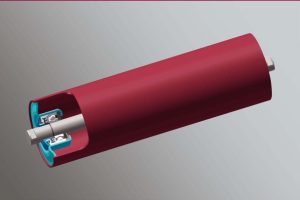
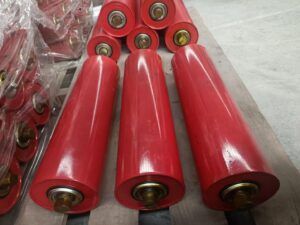
A seized idler roller is often blamed on the bearing, yet water ingress, shaft corrosion, and belt misalignment can each produce the same locked-roller symptom. Diagnose the actual cause before replacing parts.
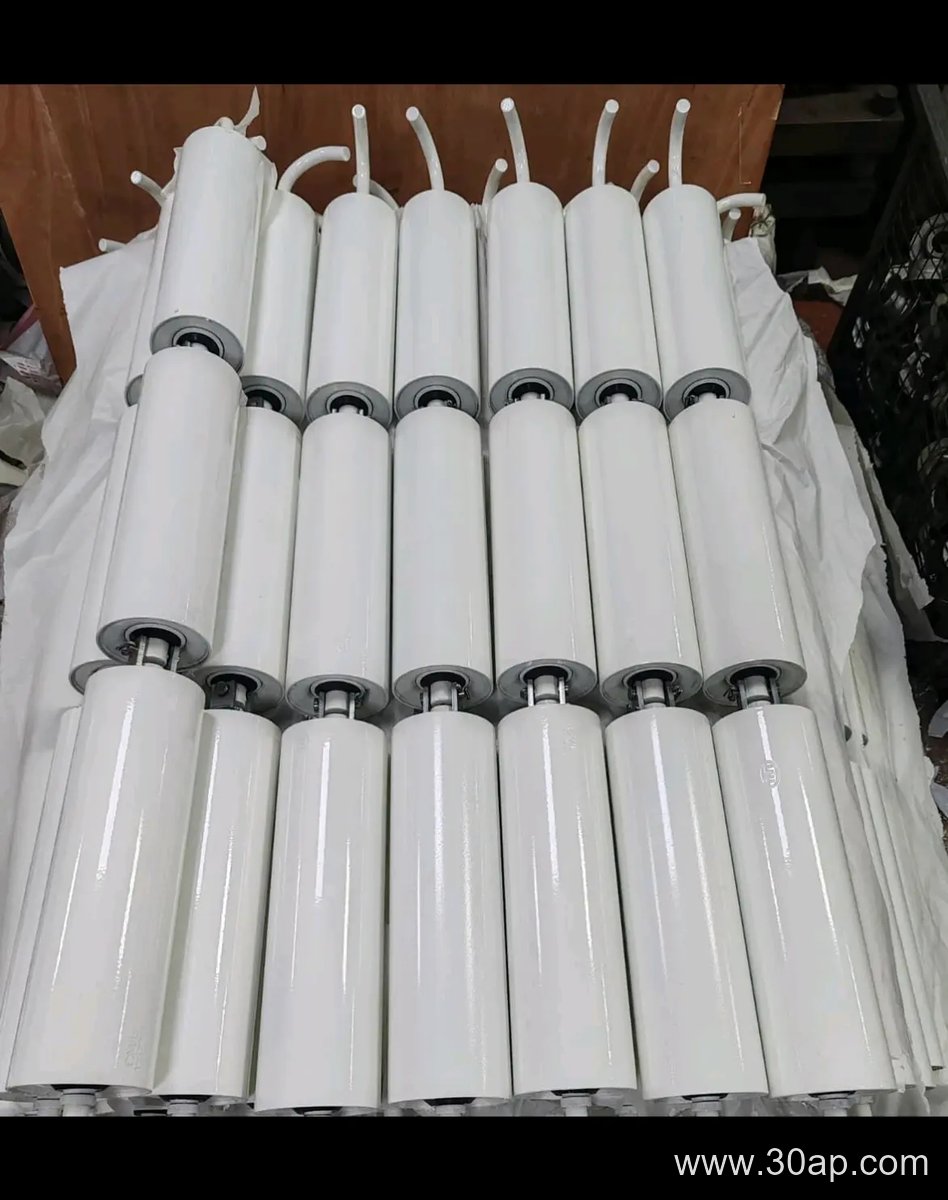
Common symptoms and their possible causes
- Roller will not turn by hand: bearing corrosion, seal failure, or a bent shaft from impact.
- Belt drifts or slips: uneven roller height, misaligned frame, or a roller with a worn shell.
- Water drips from the roller: failed seal or condensation inside the tube.
- Noisy operation: dry bearing, contaminated grease, or a loose end cap.
Check rotation, shaft straightness, and seal condition first. On a wet outdoor conveyor, confirm drainage and alignment before installing a new idler roller.
Conveyor Pulley Shaft Fits: A Technical Look at ISO 286
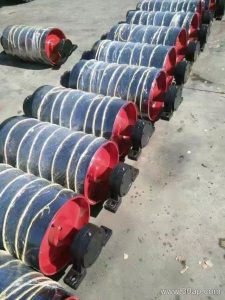
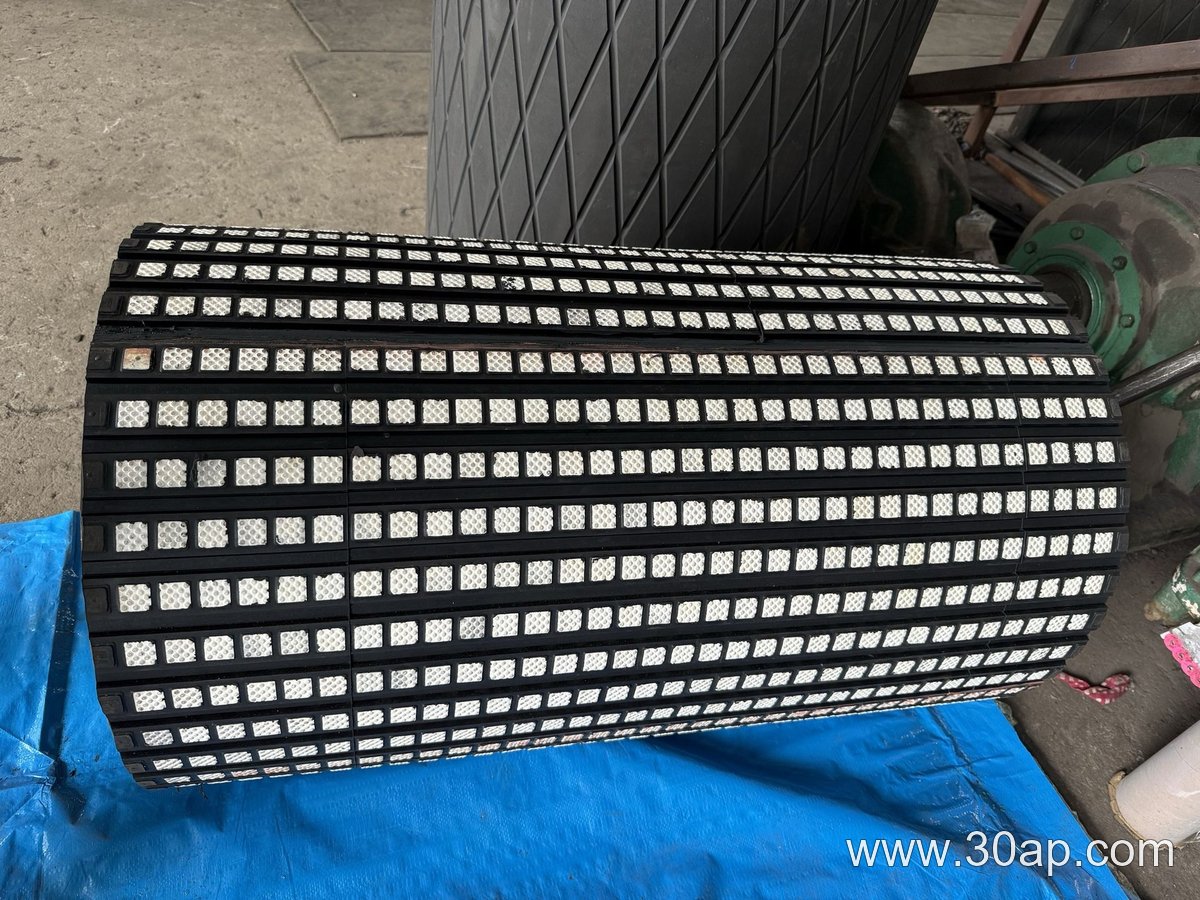
In a general manufacturing line, a conveyor pulley transmits torque and supports belt tension. The shaft-to-hub fit, defined by the ISO 286 limit and fit system, directly affects bearing life, assembly method, and load capacity.
How the ISO 286 Designation Works
ISO 286 uses a letter (hole or shaft) and a number (tolerance grade). For example, an h7 shaft in an H7 hub gives a clearance fit; an s6 shaft in an H7 hub gives an interference fit. The number indicates tolerance width; the letter indicates position relative to nominal size.
- Clearance fit (e.g., H7/h6): easy assembly, but may allow micro-motion and fretting.
- Interference fit (e.g., H7/s6): transmits torque without keys, but requires heating or pressing.
- Transition fit (e.g., H7/k6): locates accurately, may need light pressing.
Engineering Decision Example
Suppose a hypothetical drive pulley on a manufacturing line must transmit 5 kN·m torque with a 100 mm shaft. A clearance fit might need a key and setscrews; an interference fit can carry the load by friction alone, but complicates field replacement. The ISO 286 designation makes this trade-off explicit before drawings are released.