What Is an EP1250 1800mm Conveyor Belt
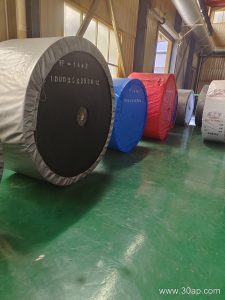
An EP1250 1800mm conveyor belt is a heavy-duty rubber belt built with a polyester-cotton (EP) fabric carcass. The designation EP1250 refers to the nominal tensile strength of the belt, typically expressed in newtons per millimeter of width. The 1800mm figure is the belt width, which is among the wider formats used in bulk material transport. This combination is chosen when a conveyor must carry large tonnages over long distances without excessive stretch. The EP carcass provides low elongation, good troughability, and resistance to impact, making it a practical choice for primary crushing circuits, stockyard conveyors, and high-capacity loading points.
Construction and Key Components
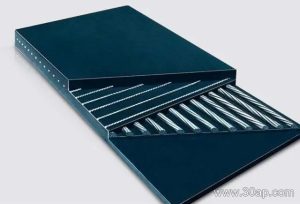
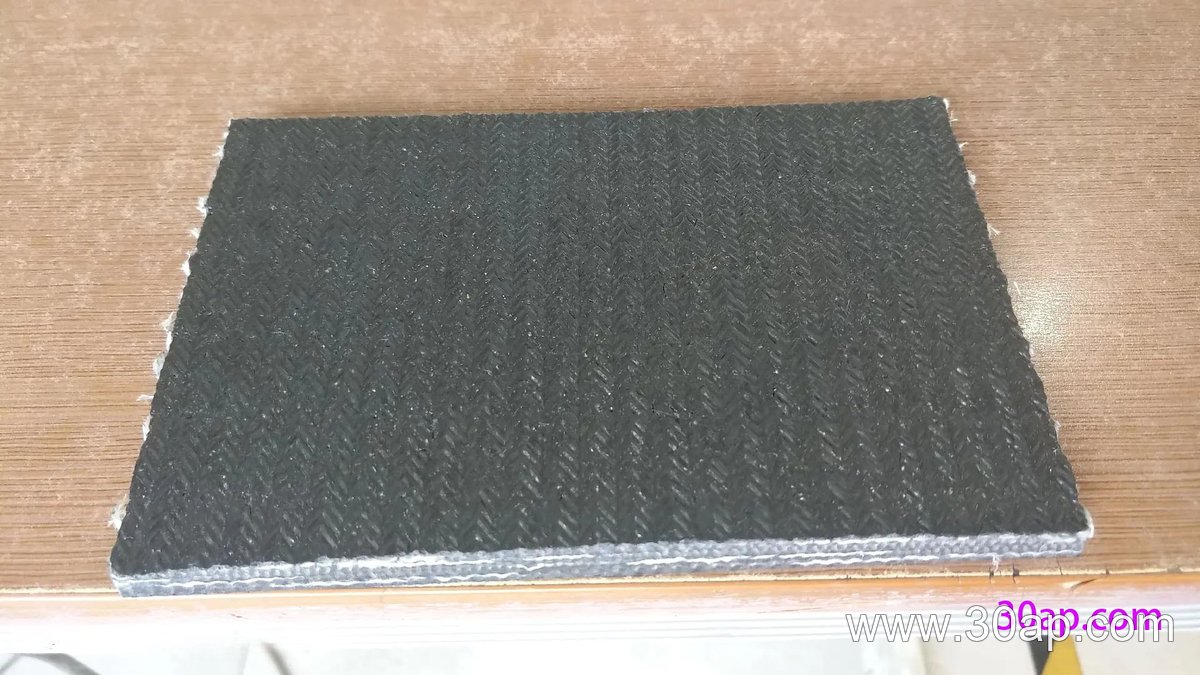
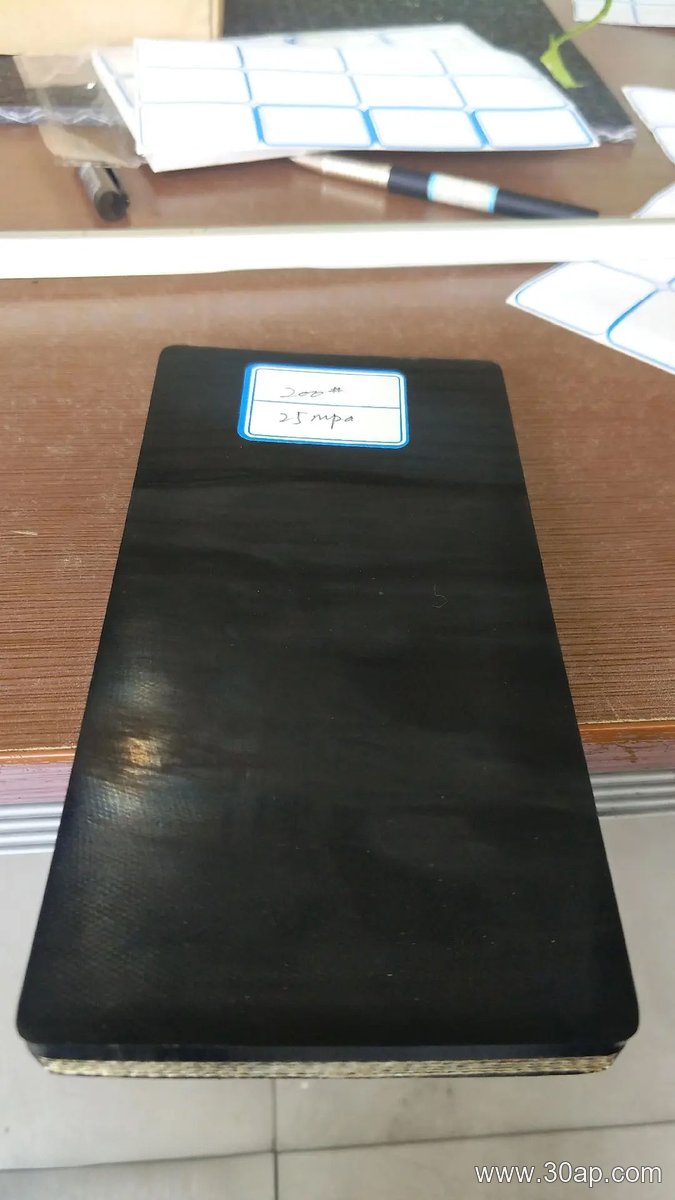
The belt is usually made up of several layers. The carcass consists of two to six plies of EP fabric, bonded with rubber skim compound. On top and bottom, cover rubber protects the carcass from abrasion, cutting, and weathering. Common cover thickness combinations include 4+2 mm, 5+2 mm, 6+2 mm, and 8+3 mm, though the exact gauge depends on the application and the manufacturer. The edges may be cut or molded. For special duties, the cover compound can be selected for heat resistance, oil resistance, flame retardancy, anti-static properties, or cold climate operation. The belt surface may also be smooth or patterned, such as with a chevron profile for inclined conveying.
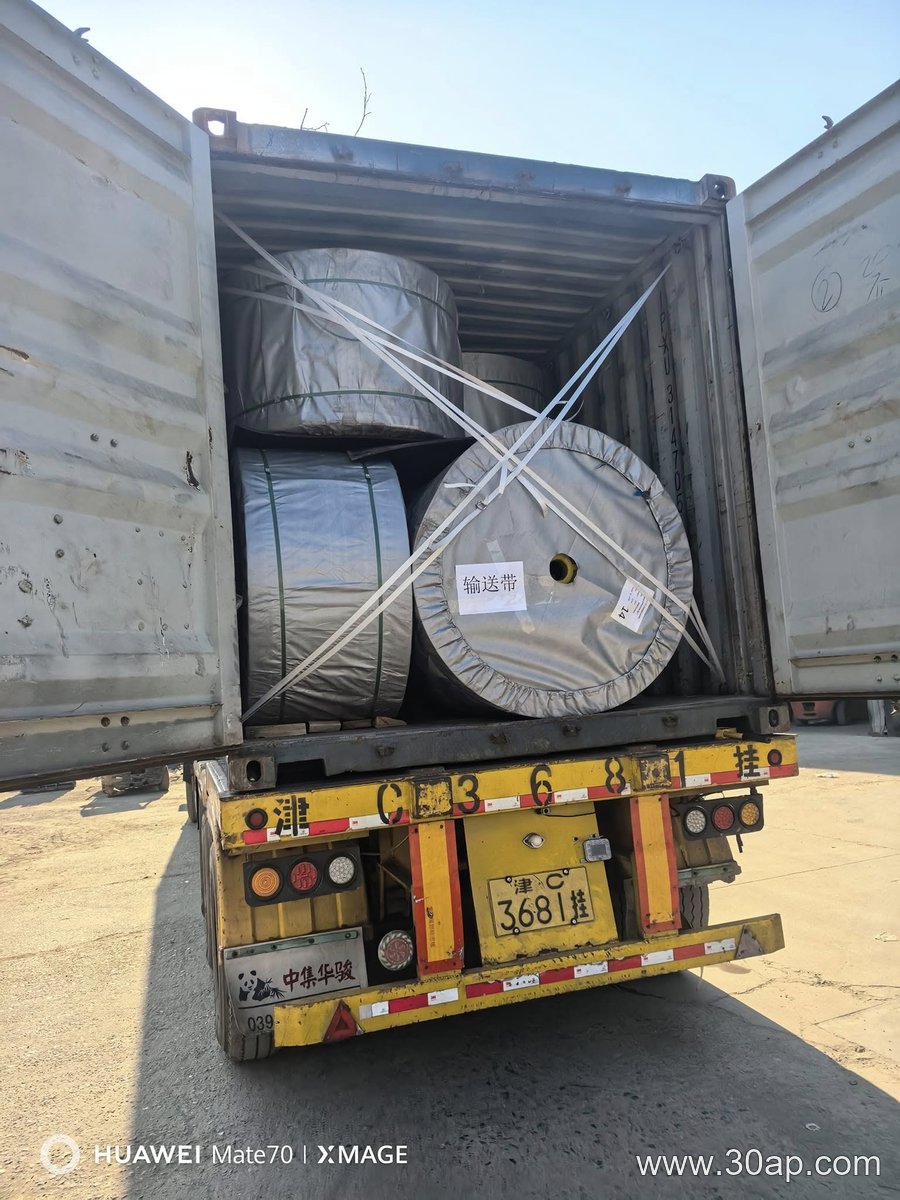
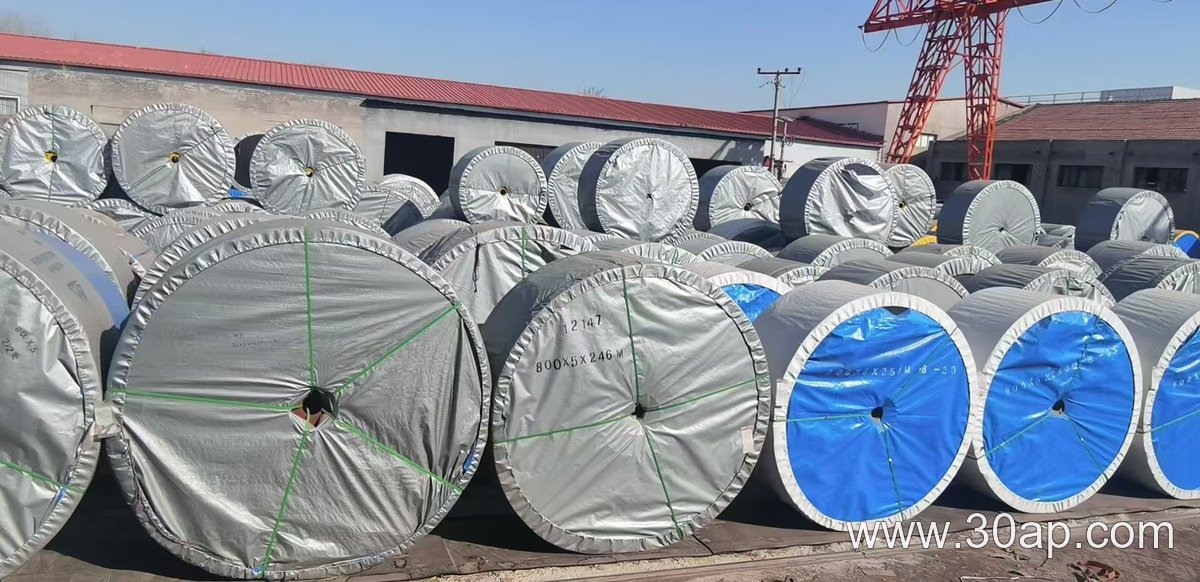
An EP1250 belt with 1800mm width is often supplied in a specific strength class and ply count. A typical build might use four or five plies to reach the required tensile rating. However, the number of plies and the cover thickness are not universal; they are determined by the conveyor design, the material being carried, and the operating conditions. Buyers should request a data sheet that states the actual ply count, cover gauges, and belt weight per square meter.
Where This Belt Fits in a Conveyor System
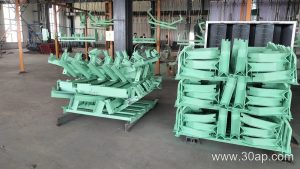
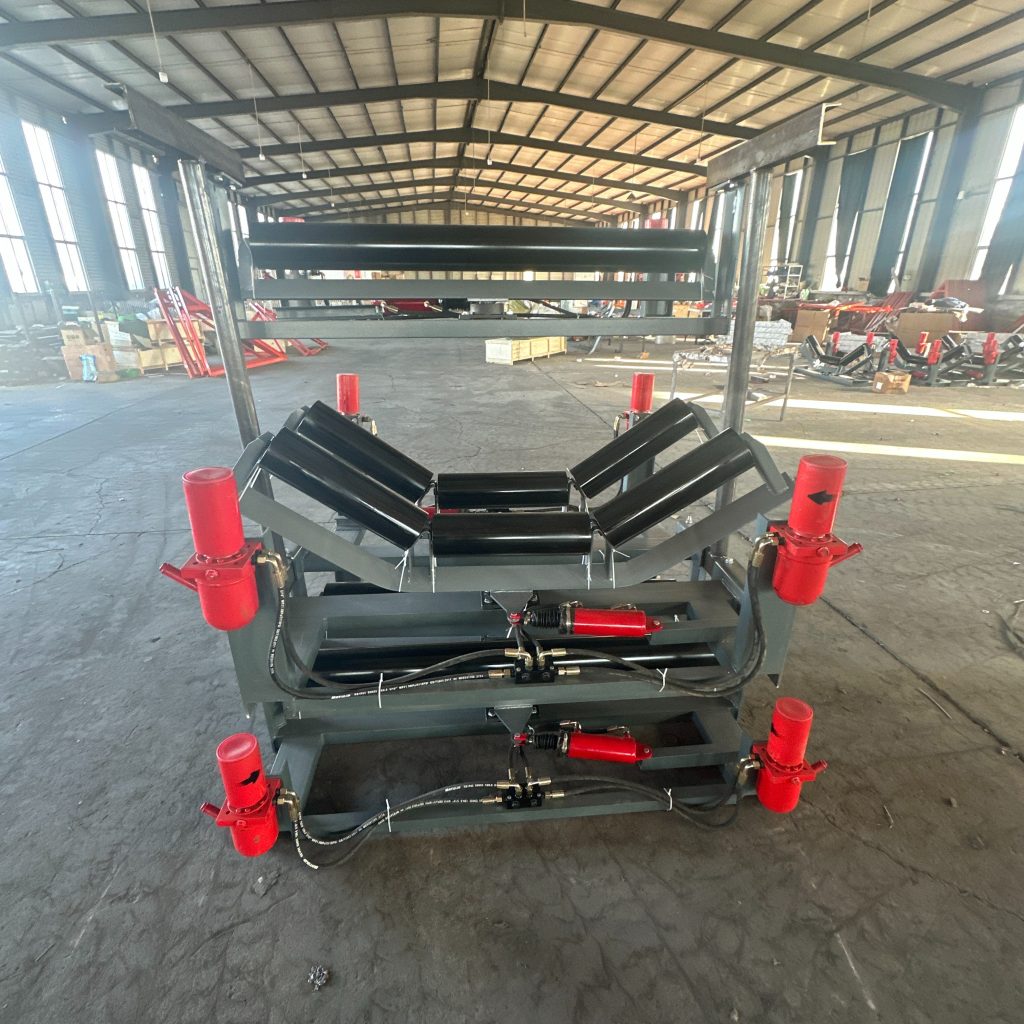
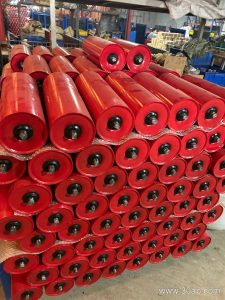
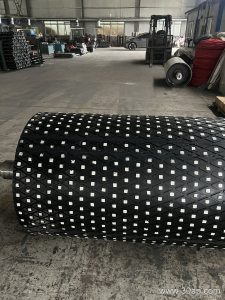
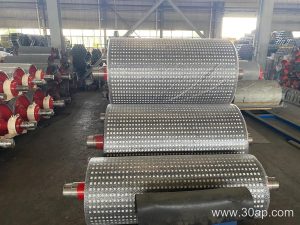
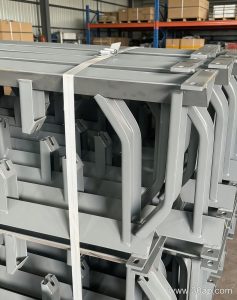
This belt runs over a series of components that guide and support it. A conveyor pulley at the head end drives the belt, while a tail pulley returns it. Bend pulleys and take-up pulleys maintain tension along the route. Between pulleys, idler rollers support the belt and the load. The belt also passes over conveyor brackets that hold the idlers and pulleys in alignment. The 1800mm width requires a matching pulley face and idler set, but the pulley diameter is not fixed by belt width alone. It is sized according to the belt tension, the number of plies, and the allowable bearing pressure. A common mistake is to assume that one belt width can only match one pulley diameter. In practice, several pulley diameters may be suitable for the same belt, depending on the duty.
Common Applications
EP1250 1800mm conveyor belts are found in mining, quarrying, cement plants, coal preparation, and large ports. They handle crushed stone, iron ore, coal, sand, gravel, and other bulk materials. The width of 1800mm allows high volumetric throughput, so it suits main haulage conveyors rather than small transfer lines. Because the EP carcass resists stretching, the belt can operate on long center distances with fewer take-up adjustments. It also tolerates the impact of large lumps when the cover rubber is thick enough. In colder regions, a cold-resistant grade may be needed; in dusty coal handling, an anti-static and flame-retardant grade is often specified. These variations are still EP1250 1800mm conveyor belts, but with different cover compounds.
Selection and Buyer Checklist
When choosing this belt, gather the following information before contacting a supplier:
- Belt width: 1800mm is the target, but confirm the actual carcass width and edge type.
- Strength class: EP1250 is the nominal rating; check the safety factor required by the conveyor design.
- Ply count: typically 3 to 5 plies for this strength, but confirm with the manufacturer.
- Cover thickness: top and bottom gauges, such as 6+2 mm or 8+3 mm, based on abrasion and impact.
- Cover compound: standard, heat-resistant, oil-resistant, flame-retardant, anti-static, or cold-resistant.
- Surface: smooth or patterned, depending on the incline angle.
- Belt weight and roll length: needed for handling and installation planning.
Also check the pulley diameters, idler roller spacing, and conveyor bracket dimensions. The belt must match the trough angle and the transition distance from the pulley to the first idler. If the transition is too short, the belt edges may stretch or the center may buckle. For a 1800mm wide belt, the transition distance is usually longer than for narrower belts, but the exact value comes from the conveyor designer.
Maintenance and Handling Notes
Store the belt in a dry, shaded place on a suitable rack. Avoid sharp bends and heavy loads on the roll. During installation, align the pulleys and idlers carefully. Check belt tracking after the first few hours of operation and adjust the take-up or training idlers as needed. Inspect the cover for cuts, gouges, and wear. If the carcass is exposed, repair it promptly. Keep the idler rollers turning freely and remove material buildup from pulleys. A well-maintained EP1250 1800mm conveyor belt can give long service, but its life depends on the entire system, not just the belt itself. For any specific project, request a technical data sheet and confirm that the belt meets the actual load and environmental conditions.