What a 1800mm Conveyor Belt Is
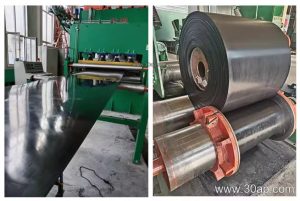
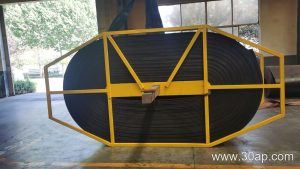
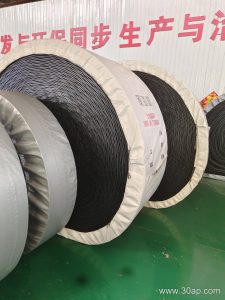
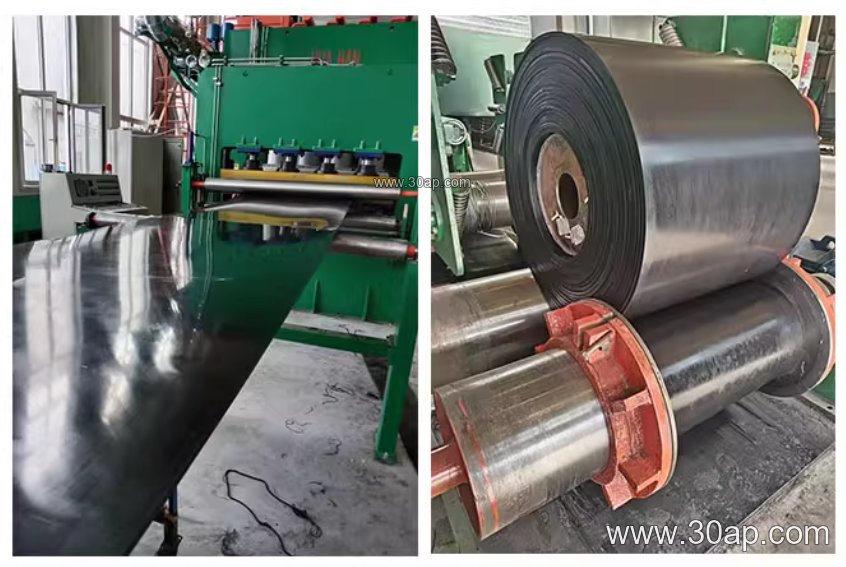
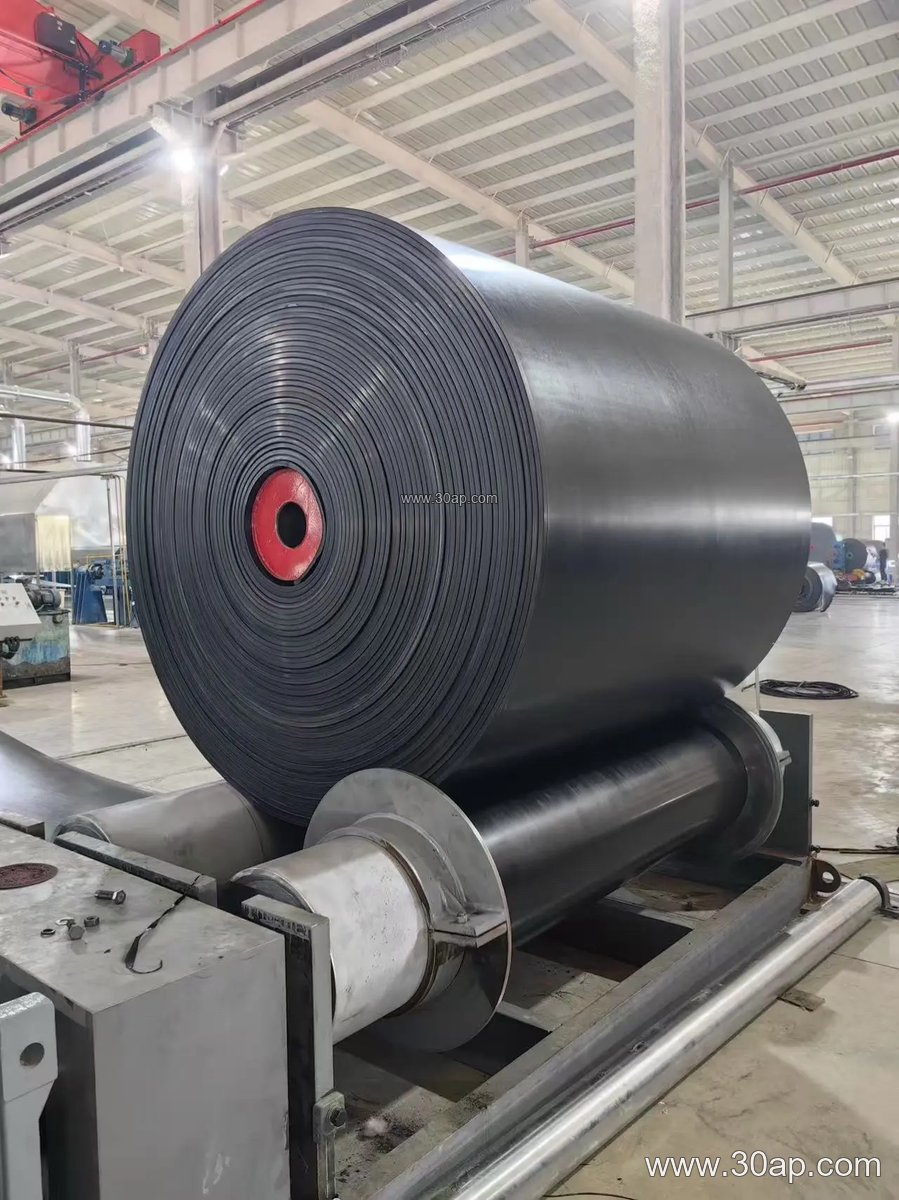
A 1800mm conveyor belt is a wide heavy-duty belt intended for high-capacity bulk material handling. With a nominal width of 1800 mm, it is often chosen where large tonnages must move continuously and where the belt must remain stable across a wide carrying surface. In industrial settings it is also described by its metric width, B1800, and should not be confused with the pulley, idler or frame components that support it.
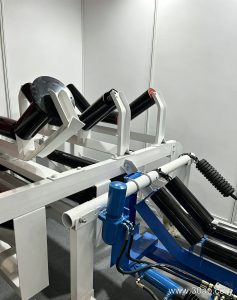
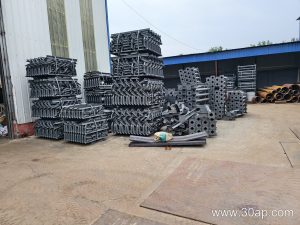
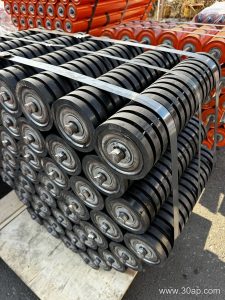
The belt is the load-carrying element. It runs over a conveyor pulley at the head and tail, is supported by idler rollers along the carrying and return sides, and is held in line by conveyor brackets and structural frames. Each of these parts has a distinct role, and the belt width alone does not define the pulley diameter or shaft size.
Construction and Common Specifications
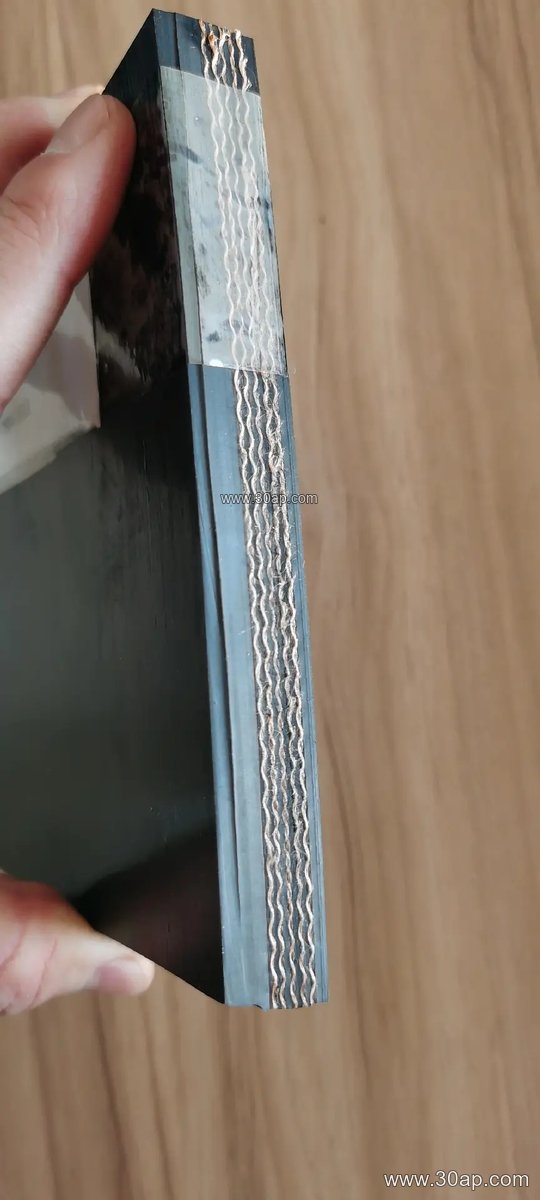
A 1800mm conveyor belt usually combines a fabric or steel cord carcass with rubber covers. Fabric types include EP and NN constructions, while steel cord designs suit long distances and heavy loads. Cover compounds may be selected for abrasion resistance, heat, oil, flame resistance, antistatic behavior, cold conditions or chemical exposure. Surface patterns such as chevron or cleated profiles are used when material has to climb an incline.
Reference data for wide belts often includes the following ranges. These are common examples, not fixed requirements for every conveyor.
| Parameter | Typical reference values |
|---|---|
| Belt width | B1800 (1800 mm) |
| Fabric carcass types | EP200, EP315, EP400, EP500, EP630, EP800, EP1000, EP1250, EP1600, EP2000 |
| Cover thickness examples | 4+2 mm, 5+2 mm, 6+2 mm, 8+3 mm |
| Carcass layers | Commonly 2 to 6 plies, depending on design |
The final construction should be confirmed by the conveyor designer. Belt tension, load density, incline angle, transition distance and support spacing all influence the choice of carcass and cover.
Where Wide Belts Are Used
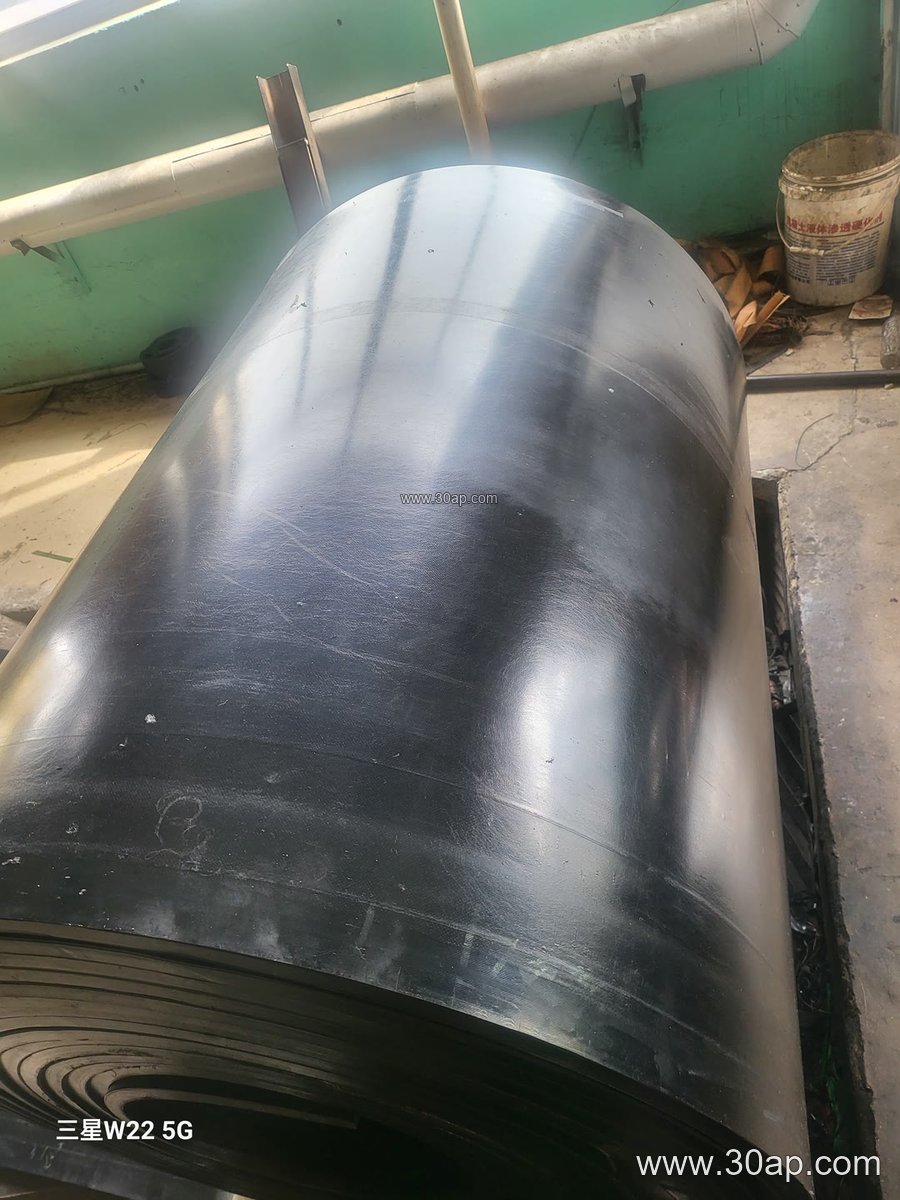
An 1800mm conveyor belt is frequently found in mines, coal preparation plants, cement works, power stations and sand and gravel yards. In these operations, the belt may carry crushed ore, coal, clinker, limestone or aggregate over long runs. The wider carrying surface helps handle high throughput and can reduce spillage when the belt is properly supported and loaded.
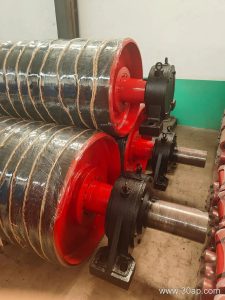
Heavy industries also use wide belts in stockyard systems, ship loading lines and bulk transfer stations. In each case, the belt works together with conveyor pulleys, idler rollers and conveyor brackets. A drive pulley provides motion, a tail pulley returns the belt, and bend pulleys guide the path. These are separate components with separate specifications and cannot be treated as interchangeable names.
Buyer Checklist
- Confirm the actual belt width and whether B1800 is required by the conveyor frame and loading point.
- Check the material being carried, including lump size, temperature, oil content and moisture.
- Review the carcass type and strength class against the calculated operating tension.
- Select cover thickness and compound based on abrasion, impact and environmental conditions.
- Verify pulley and idler compatibility with the belt width and load, without assuming a fixed shaft diameter from width alone.
- Ask for the belt’s recommended splice method and minimum transition distance.
A wide belt is not automatically suitable for every conveyor. For narrower or lighter duties, a smaller width may be a better comparison point, but it does not replace the 1800mm conveyor belt where the system is designed for that width. Accurate selection depends on the complete conveyor layout, including pulleys, idler rollers and brackets, rather than on any single dimension.