What a Heavy-Duty Conveyor Idler Does on the Line
A heavy-duty conveyor idler is the rotating support under a loaded conveyor belt, and it carries far more than its own weight in service. In a quarry, limestone mine, or cement plant, the idler must survive dust, grit, and impact from falling rock while keeping the belt tracking straight. The same component appears in a power plant coal yard or a port terminal, where continuous operation and long spans put steady load on every roller. This article looks at how these idlers are built, where they fit, and what a buyer should confirm before ordering.
Construction Details That Matter
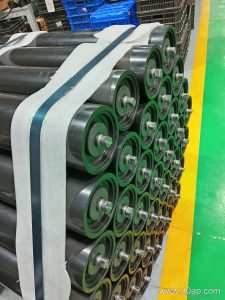
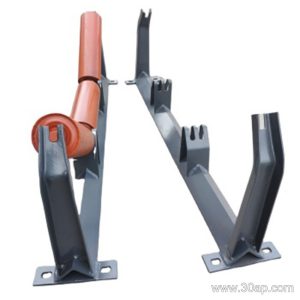
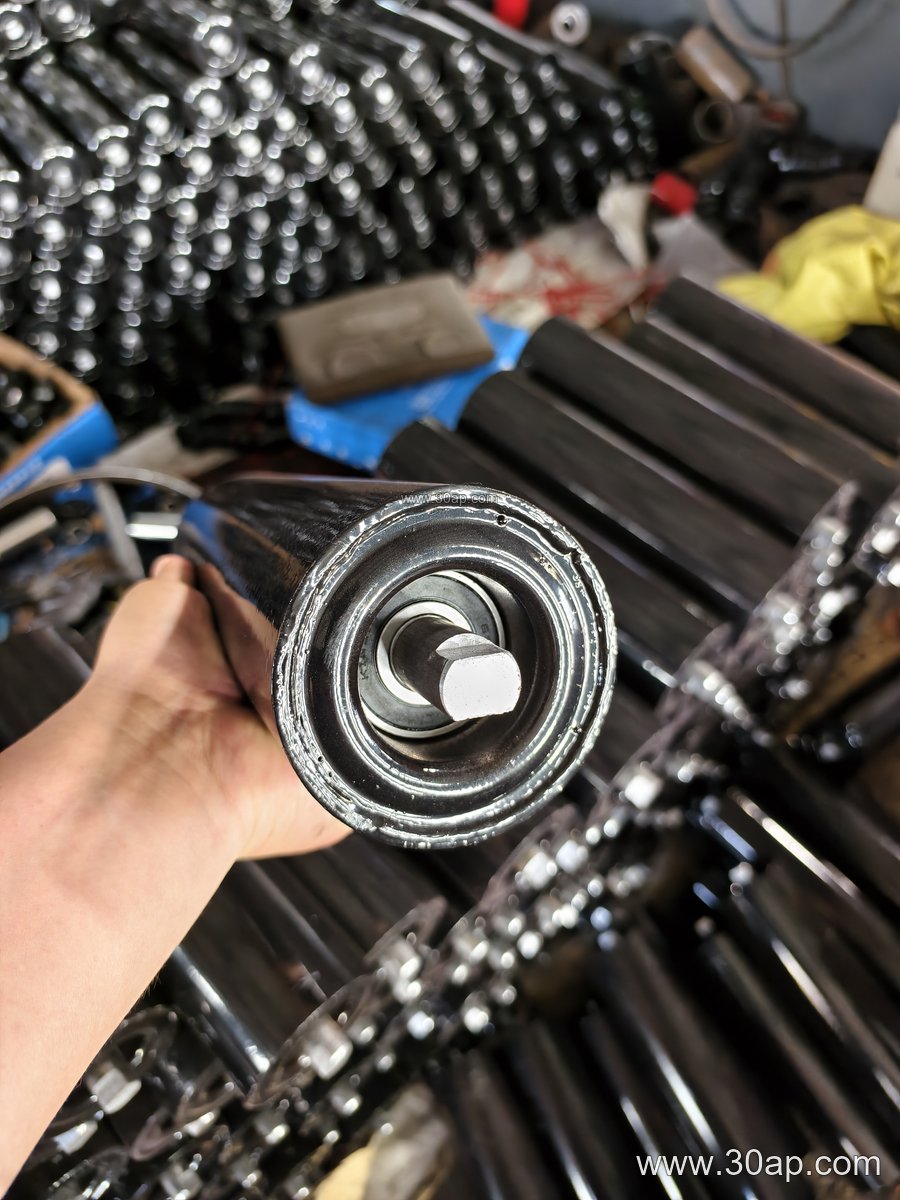
The basic assembly is a steel tube shell, a shaft, bearing housings, and a sealing arrangement. The shell rotates on bearings that are protected by labyrinth seals or similar multi-stage seals; in dusty service, seal quality often decides how long the idler lasts. The shaft is supported by a bracket or frame that fixes the roller to the conveyor structure. Roller surfaces vary: plain steel tube for general duty, nylon or ceramic for sticky or abrasive material, and rubber rings for impact zones.
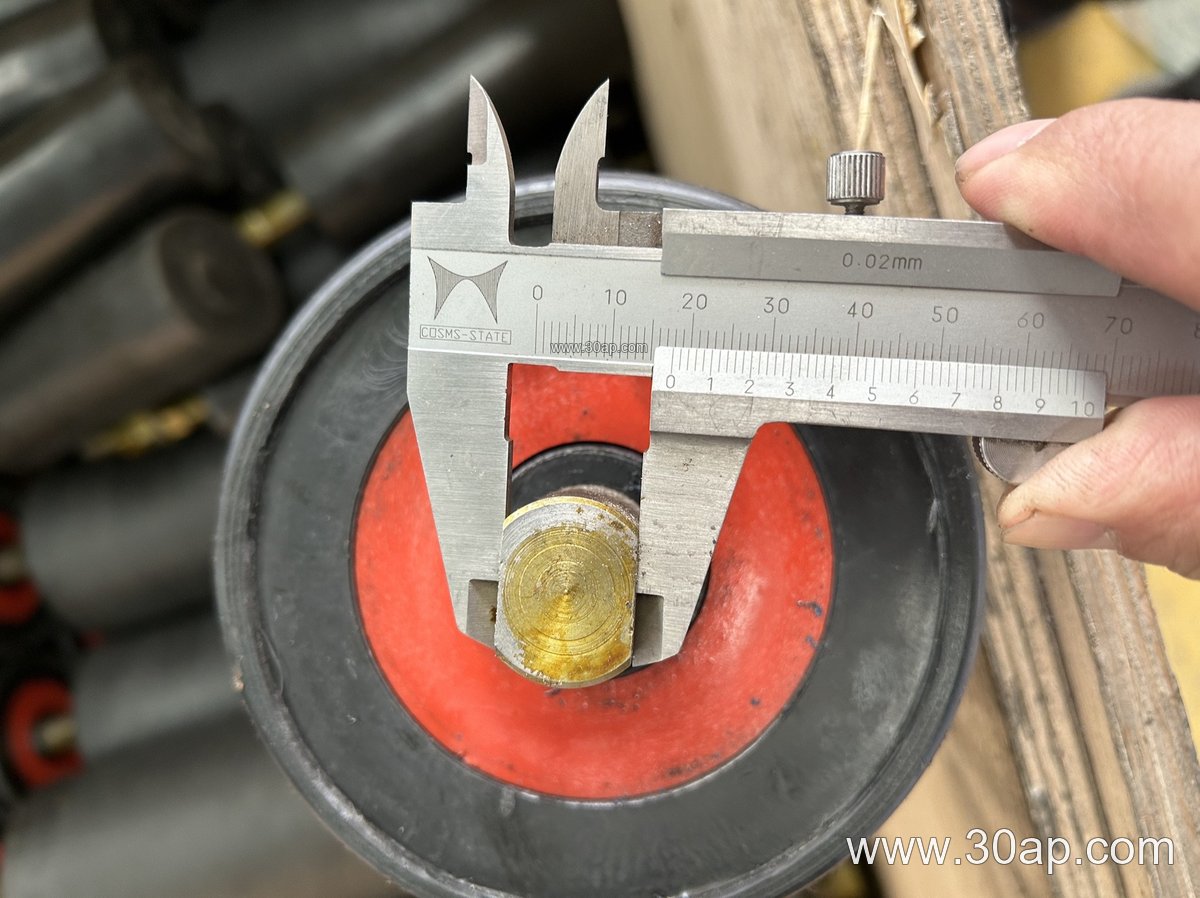
Bearing selection is not tied to one roller diameter. Common bearing numbers include 6204, 6205, 6305, 6306, 6308, and 6310, and the correct match depends on load, speed, and shaft design rather than on belt width alone. The same principle applies to shaft diameter: it is a design decision, not a fixed value derived from belt width.
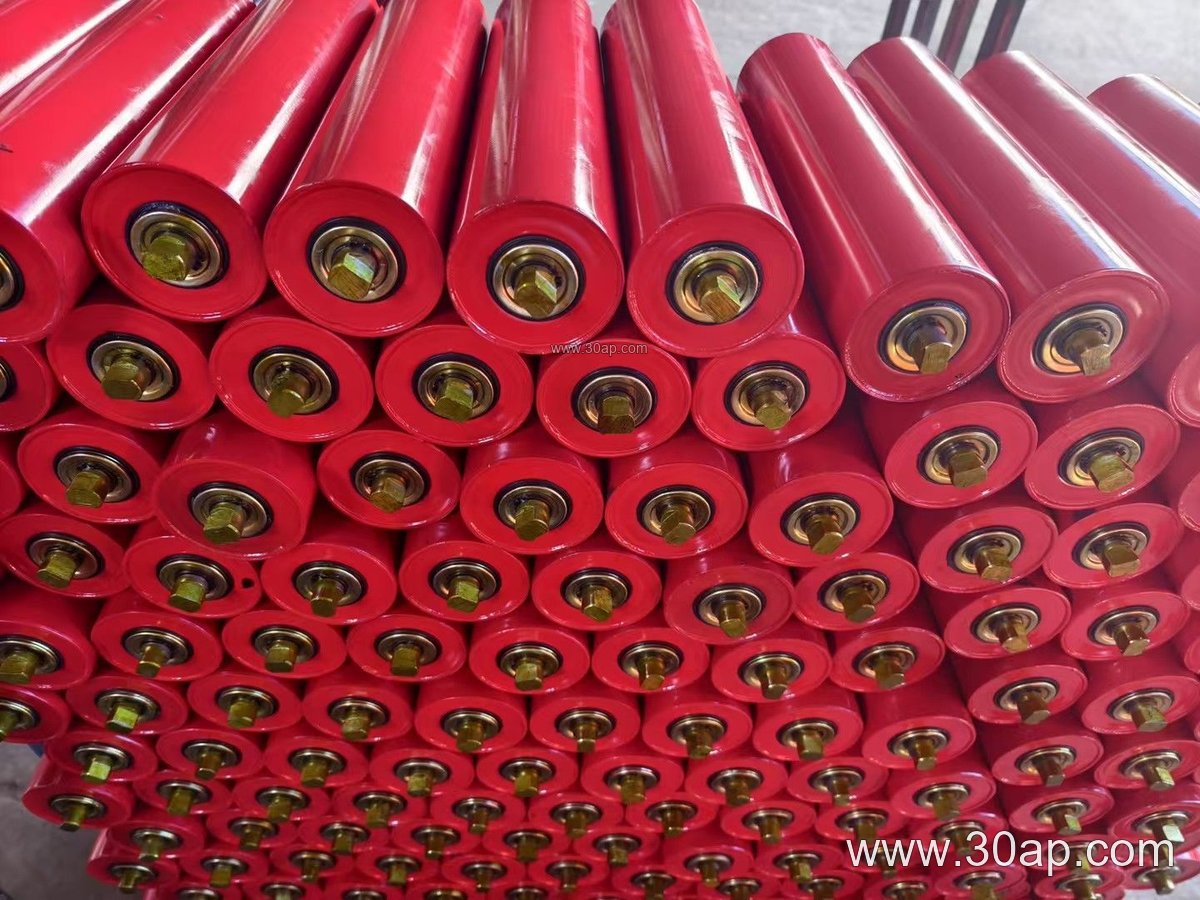
Common Types and Where They Sit
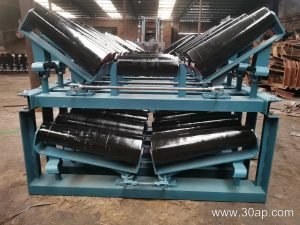
The carrying side usually uses three-roll troughing sets, with a trough angle of 20, 30, 35, or 45 degrees. A single-roll or two-roll arrangement may appear on narrower belts or special layouts. On the return side, flat return idlers or V-return idlers support the empty belt. Impact idlers with rubber rings are placed under loading points in a crusher discharge or transfer chute. Transition idlers ease the belt from flat to troughed profile near a conveyor pulley, and self-aligning idlers help correct belt drift on long runs.
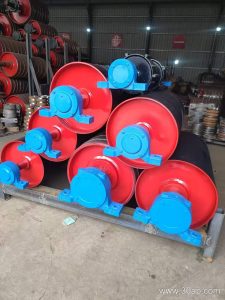
These subtypes are not interchangeable with drive, tail, or bend pulleys, which transmit power and change belt direction. An idler roller only supports the belt; it does not drive it.
Reference Dimensions for Early Planning
The table below gives common roller diameters and belt widths used in preliminary layout work. Roller length changes with belt width, trough angle, and roll configuration; the values are examples, not fixed pairings.
| Parameter | Common reference values |
|---|---|
| Roller diameter | Ø63, Ø76, Ø89, Ø102, Ø108, Ø127, Ø133, Ø159, Ø178, Ø194, Ø219 mm |
| Belt width | B400, B500, B650, B800, B1000, B1200, B1400, B1600, B1800, B2000, B2200, B2400 |
| Trough angle | 20°, 30°, 35°, 45° |
| Roller surface | Steel tube, nylon, ceramic, rubber ring |
| Bearing examples | 6204, 6205, 6305, 6306, 6308, 6310 |
For a three-roll troughing set, typical center roll lengths run about 200 mm at B500, 250 mm at B650, 315 mm at B800, 380 mm at B1000, 465 mm at B1200, 530 mm at B1400, 600 mm at B1600, 670 mm at B1800, and 750 mm at B2000. Side rolls can differ, and final dimensions should follow the conveyor design.
Buyer Checklist Before Ordering
- Confirm the actual belt width and trough angle rather than assuming a standard set.
- State the material: coal, aggregate, cement clinker, or iron ore affects seal and surface choice.
- Check the loading method; impact idlers may be needed below a chute or crusher outlet.
- Ask for the bearing and shaft details for the intended load and speed.
- Verify bracket and frame compatibility with the existing conveyor structure.
- Plan inspection intervals for seals and roller rotation, especially in wash-down or dusty areas.
A heavy-duty conveyor idler is a small part of the total conveyor cost but a large part of its reliability. Matching roller type, diameter, and sealing to the duty point is more useful than choosing by belt width alone.