What Is a V-Type Idler Bracket?
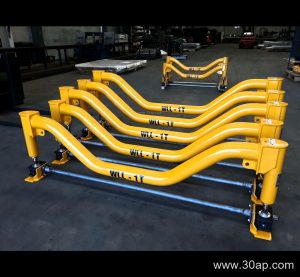
A V-type idler bracket is a support frame that holds two idler rollers in a V-shaped configuration, typically used on the return side of a belt conveyor. The bracket positions the rollers so they form a shallow V, which helps center the conveyor belt and prevent it from drifting sideways. This component is part of the conveyor bracket family and works together with idler rollers and the conveyor belt to maintain stable belt tracking.
In industries such as mining, coal washing plants, cement works, and power station coal handling, belt conveyors operate under heavy loads and often in dusty conditions. The V-type idler bracket is valued for its ability to support the return strand while keeping the belt aligned, reducing spillage and edge damage.
Construction and Design Features
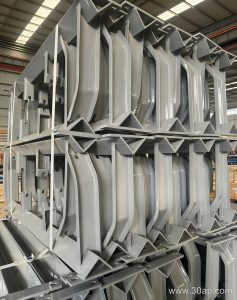
V-type idler brackets are usually fabricated from angle steel, channel steel, or bent steel plate. The frame includes mounting slots or holes for attaching the idler rollers at a fixed angle, commonly around 10 to 20 degrees from horizontal, though exact angles vary by design. The bracket is designed to be bolted or welded to the conveyor stringer or frame.
Key structural aspects include:
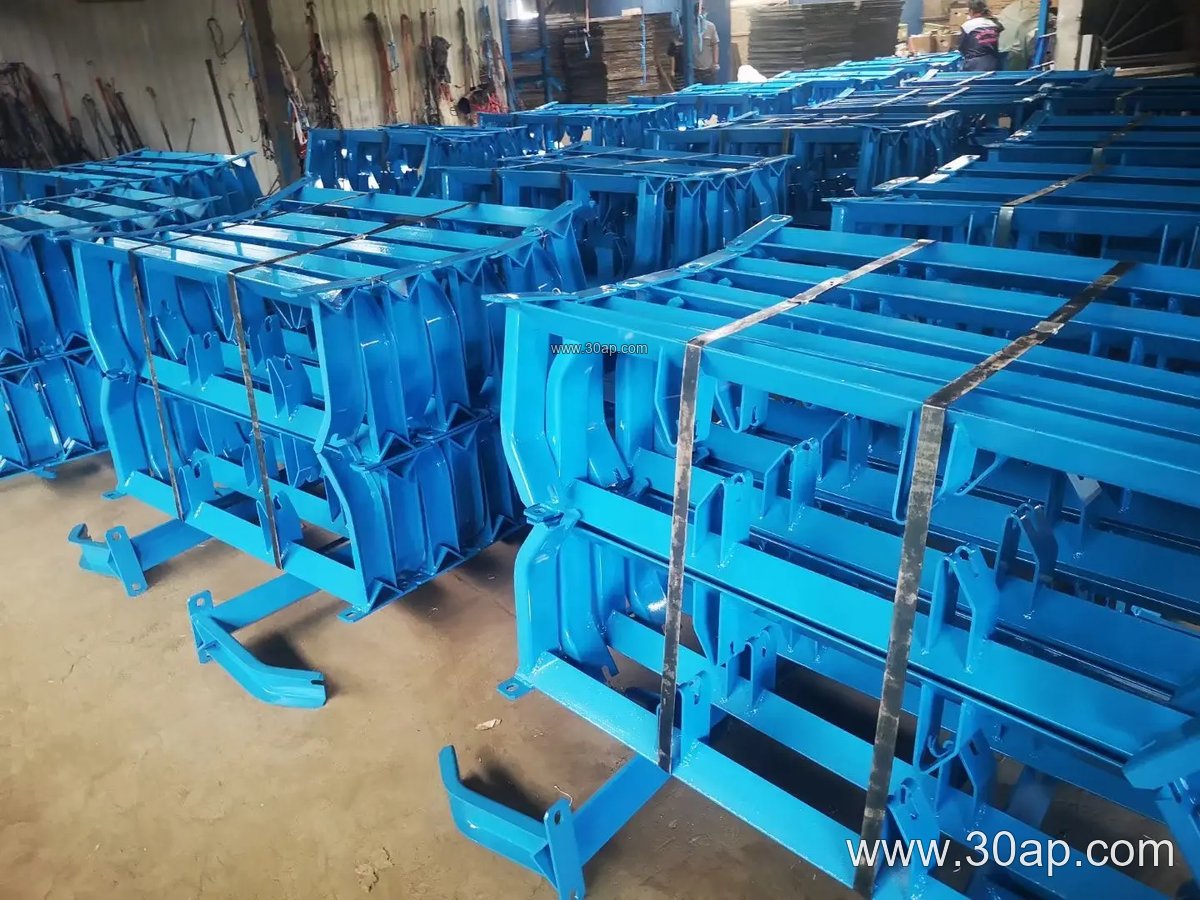
- Two inclined mounting surfaces for the idler rollers
- Reinforced base or cross member for rigidity
- Corrosion protection via painting or galvanizing, depending on the environment
- Compatibility with standard idler roller shaft sizes
Some designs offer adjustable versions that allow fine-tuning of the roller angle to optimize belt training. However, the V-type bracket itself is distinct from other conveyor brackets such as troughing brackets or transition brackets, which serve different positions along the conveyor.
Where It Is Used
The V-type idler bracket is primarily installed on the return run of a conveyor belt, just before the tail pulley or at intervals along the return strand. It is common in:
- Coal mines and coal preparation plants
- Limestone and iron ore quarries
- Cement plants and clinker handling
- Power plant coal conveying systems
- Sand and gravel production lines
By supporting the belt in a V shape, the bracket helps shed material that may stick to the belt and encourages the belt to run centrally on the pulleys. It is often used in conjunction with other belt training devices such as self-aligning idler brackets, but it is not a replacement for them.
Selection and Sizing Considerations
When choosing a V-type idler bracket, buyers should consider the belt width, the idler roller diameter, and the required V angle. Common belt widths for conveyors using such brackets include B500, B650, B800, B1000, B1200, B1400, B1600, B1800, B2000, B2200. The roller diameter should be matched to the belt load and speed; typical options are Ø89, Ø108, Ø133, Ø159, Ø194. The bracket’s mounting hole spacing and crossbeam length are determined by the belt width and the chosen angle, so these dimensions are not universal.
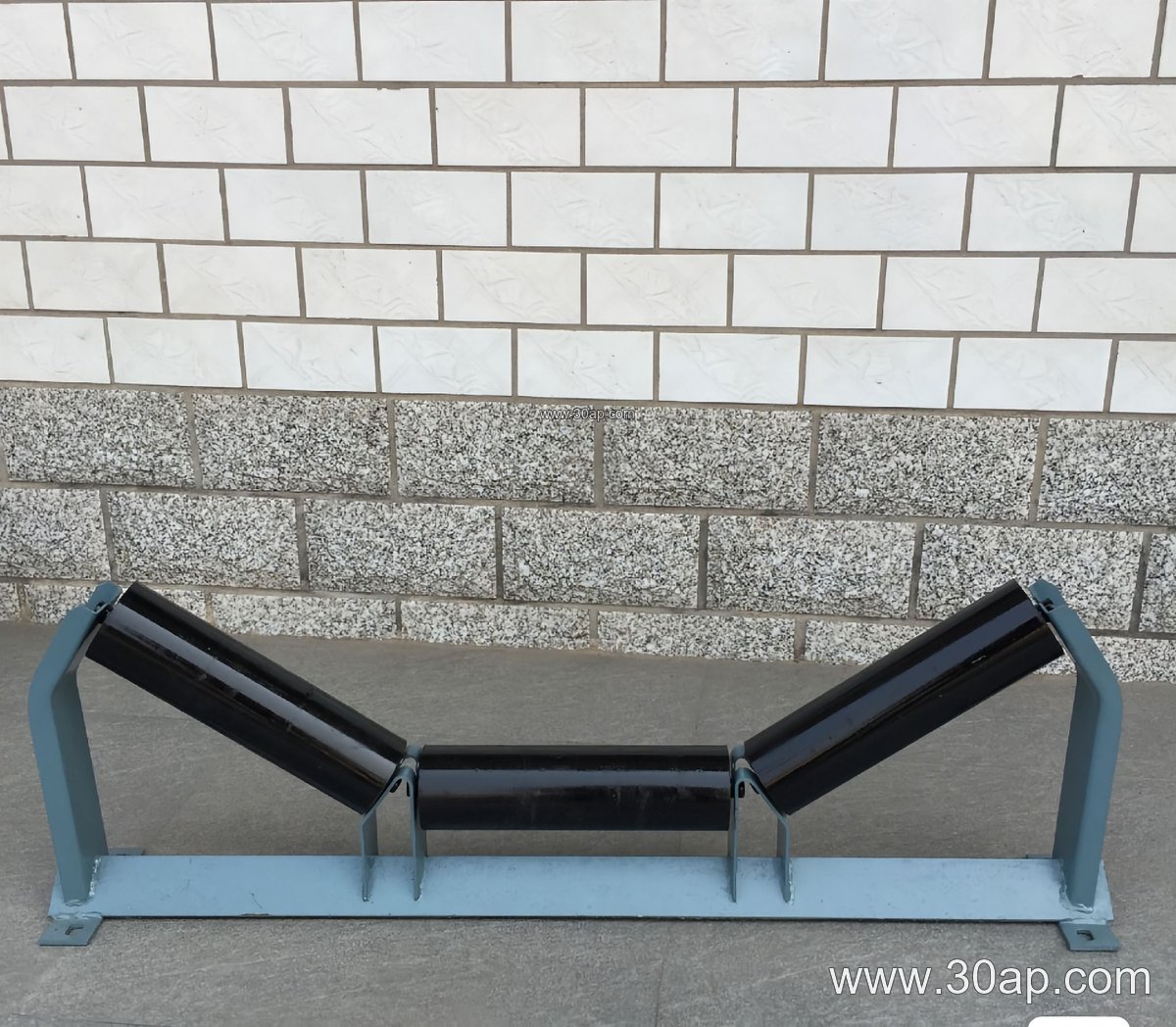
For example, a system with B800 belt and Ø108 rollers might use a V-type bracket with a specific angle, while a B1200 conveyor with Ø133 rollers would require a different bracket size. It is important not to assume that one belt width corresponds to a single roller diameter or angle; the design must be based on the overall conveyor engineering.
| Belt Width (B) | Common Roller Diameter (Ø) | Typical V Angle Range |
|---|---|---|
| B500 | Ø89 | 10°–15° |
| B650 | Ø89–Ø108 | 10°–20° |
| B800 | Ø108–Ø133 | 10°–20° |
| B1000 | Ø108–Ø133 | 15°–20° |
| B1200 | Ø133–Ø159 | 15°–20° |
Note: The values above are indicative and should be verified with the conveyor design. Always consult the manufacturer’s data for specific dimensions.
Installation and Maintenance Tips
Proper installation of the V-type idler bracket is critical for effective belt training. The bracket should be aligned squarely with the conveyor centerline and securely fastened to the stringer. The idler rollers must rotate freely and be positioned so that the belt contacts them evenly. Regular inspection for wear, material buildup, and loose bolts helps maintain performance. In dusty environments like coal plants, cleaning around the bracket prevents premature roller failure.
When replacing a V-type bracket, ensure the new unit matches the existing mounting pattern and roller size. Avoid mixing brackets from different suppliers unless compatibility is confirmed. The bracket is a simple but vital component that contributes to the overall efficiency of the conveyor system, working alongside the conveyor belt and idler rollers to keep material flowing smoothly.