What a Sand and Gravel Production Line Idler Does
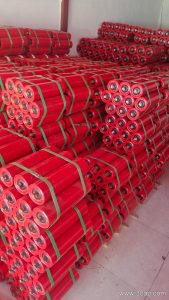
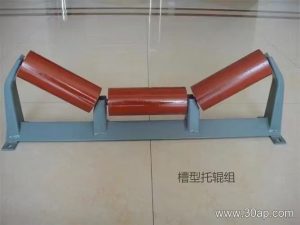
A sand and gravel production line idler is the rotating support that carries the conveyor belt between the head and tail of a crushing and screening plant. In a quarry or aggregate yard, the belt may run hundreds of meters from the primary crusher to the screening deck, and the idler roller underneath keeps the belt from sagging under the weight of stone, sand and water. The same product is often called a conveyor idler or belt idler, and in a sand and gravel line it is usually built as a troughing set on the carrying side and a flat or V-return set on the return side.
The working environment is harsh. Dust, grit, moisture from washing, and occasional impact from oversized rock all affect idler life. That is why the sand and gravel production line idler is normally selected with sealed bearings, a sturdy steel shell, and a frame that can be replaced without cutting the belt.
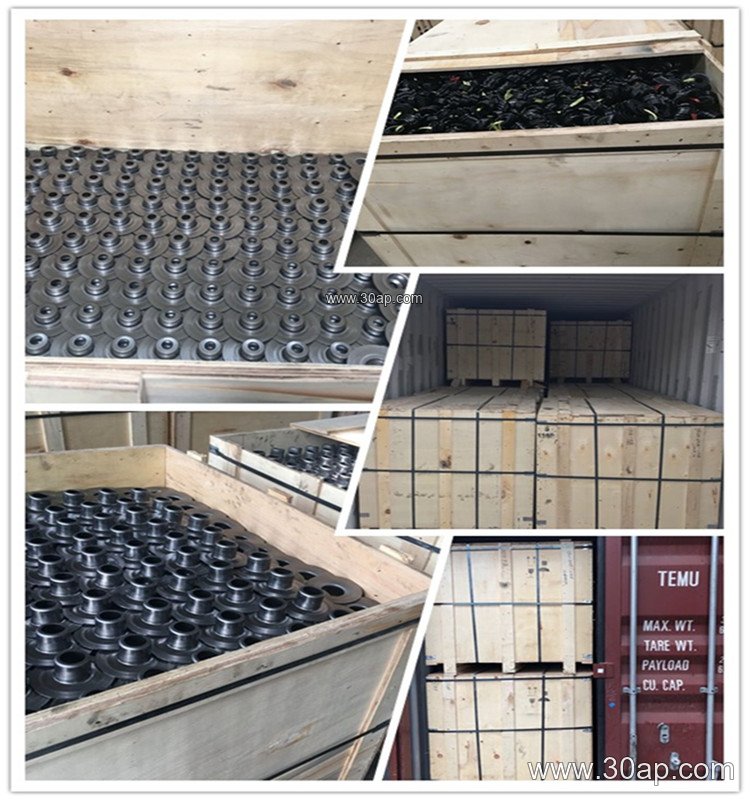
Construction of the Idler
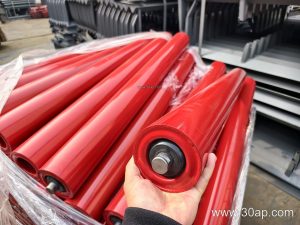
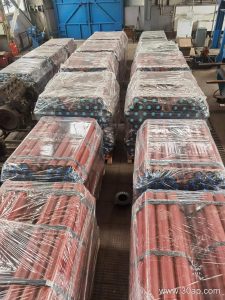
A typical idler roller consists of a steel tube shell, a shaft, two bearing housings, and a sealing arrangement. The shell may be plain steel, nylon-coated, ceramic-covered, or fitted with rubber rings for impact absorption. Bearings are commonly 6204, 6205, 6305, 6306, 6308 or 6310, chosen according to load and shaft size rather than tied to one roller diameter.
Common roller diameters include Ø63, Ø76, Ø89, Ø102, Ø108, Ø127, Ø133, Ø159, Ø178, Ø194 and Ø219 mm. The roller length depends on belt width, trough angle and the number of rolls in the set. For a three-roll troughing set, common roll lengths are roughly 200 mm for B500, 250 mm for B650, 315 mm for B800, 380 mm for B1000, 465 mm for B1200, 530 mm for B1400, 600 mm for B1600, 670 mm for B1800 and 750 mm for B2000. Side rolls and center rolls can differ, so these are reference examples, not fixed matches.
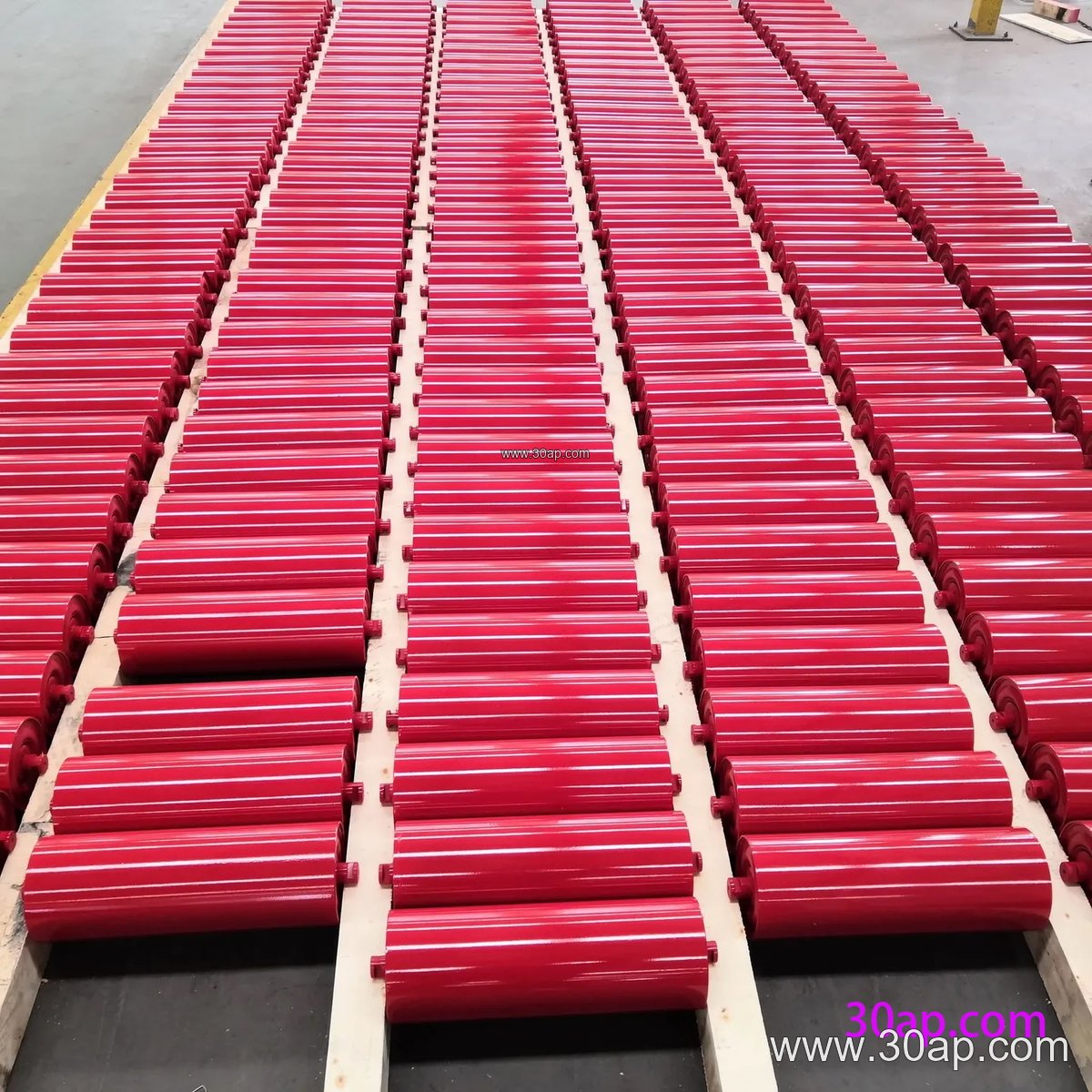
Troughing, Return and Impact Arrangements
On the carrying side, a three-roll troughing set with 20, 30, 35 or 45 degree trough angle is common. A steeper trough holds a deeper material bed and reduces spillage on a loaded aggregate belt. Transition idlers are placed near the head and tail to ease the belt from flat to troughed shape.
On the return side, flat return idlers or V-return idlers support the empty belt. At the crusher discharge, impact idlers with rubber rings absorb the fall of rock. Self-aligning idlers, including friction and tapered types, help correct belt drift on long runs. These are different subtypes of the same idler family and are chosen for their position, not as replacements for one another.
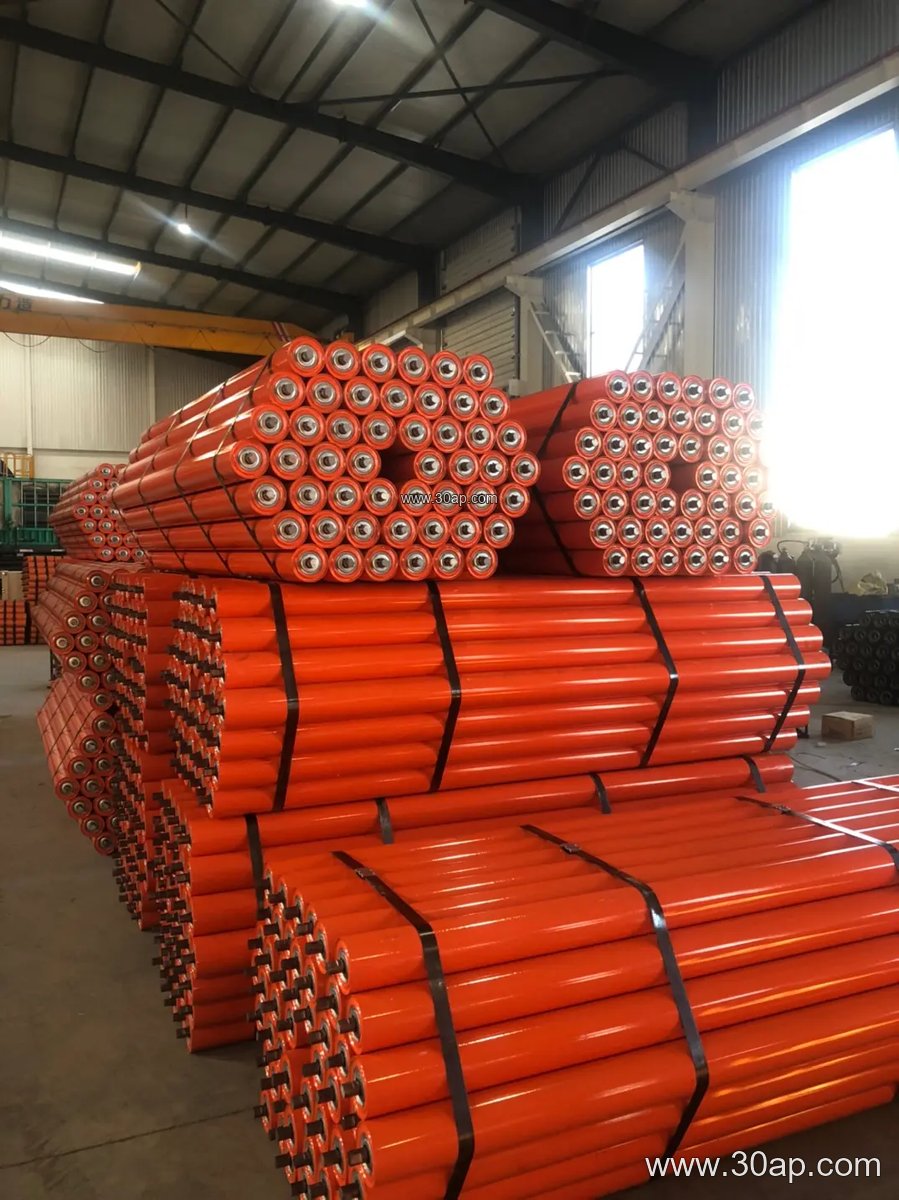
Where the Idler Fits in the Plant
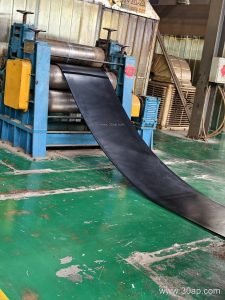
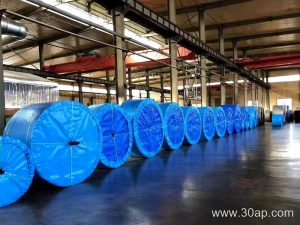
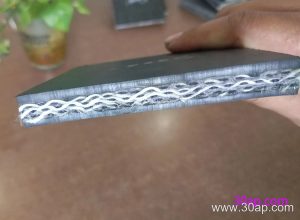
In a sand and gravel production line, idlers appear under the primary feed belt, the screen feed conveyor, the oversize return belt and the finished product stacker. Similar arrangements are used in a limestone quarry, an iron ore concentrator, a cement plant, a power plant coal yard and a port bulk terminal. The belt itself may be an abrasion resistant conveyor belt, an EP conveyor belt, an NN conveyor belt, or a steel cord conveyor belt on the longest runs. A heavy-duty mining conveyor belt or a chevron conveyor belt on an incline changes the load pattern, so the idler spacing and roller diameter should follow the belt supplier’s data.
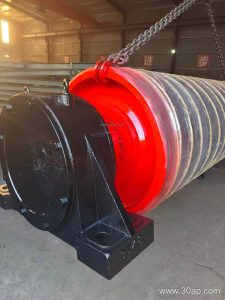
Related components such as the conveyor pulley at the drive and tail, the conveyor bracket, and the conveyor belt all work with the idler. Drive, tail and bend pulleys are separate products with their own duties and are not interchangeable with idlers.
What Buyers Should Check
- Belt width and trough angle, so the roll length and frame fit the existing conveyor.
- Roller diameter and bearing size matched to the load and belt speed.
- Sealing quality for dusty, wet or wash-down conditions.
- Shell material and surface form, such as plain steel, nylon, ceramic or rubber rings.
- Spacing along the line, set by the belt manufacturer for the material weight.
For a sand and gravel production line idler, the practical goal is steady rotation with low drag and good dust protection. Buyers can compare samples, check shaft and bearing fit, and confirm that replacement rolls match the existing brackets. More conveyor component references are available at www.example.com/conveyor-idler and www.example.com/conveyor-pulley for plant engineers planning a belt upgrade.