What a Belt Guide Roller Does on a Conveying Line
A belt guide roller is a small but purposeful component in a conveyor system. Its main job is to keep the conveyor belt centered as it travels, reducing the chance of edge damage and spillage. In a quarry, a coal washing plant, or a cement kiln feed line, a drifting belt can quickly become a maintenance headache. The guide roller works by applying gentle lateral correction, usually through a slight angle or a shaped surface that nudges the belt back toward the center line.
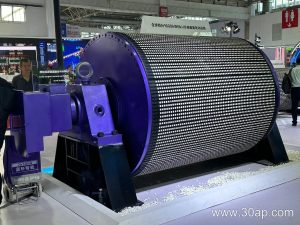
This component is often grouped with self-aligning idler rollers, but it has its own role. A standard carrying idler supports the loaded belt, while a belt guide roller is positioned to influence tracking. It is not a drive pulley, tail pulley, or bend pulley, and it should never be used as a substitute for those larger components. Each has a distinct function in the conveyor drive and return circuit.
Construction and Common Forms
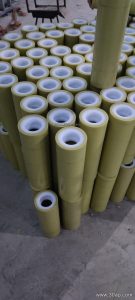
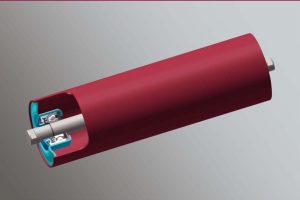
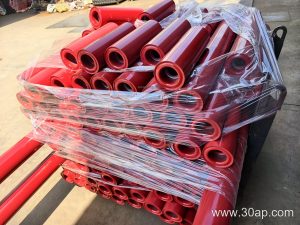
Most guide rollers share the basic build of a conveyor idler roller: a steel tube body, bearing housings, a shaft, and some form of sealing. The difference lies in the surface and mounting arrangement. Common surface forms include plain steel, nylon, rubber rings, and ceramic lagging. Rubber or polyurethane surfaces can improve grip on the belt edge without scuffing it, which is useful in dusty or wet conditions.
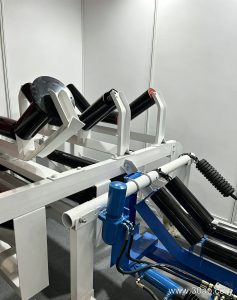
Guide rollers are often supplied as part of a self-aligning idler set. In that arrangement, the roller may be mounted on a pivoting frame or bracket so that it swings slightly when the belt touches it. Friction-aligned and conical self-aligning types are also available. A conical roller can help steer the belt gradually, while a flat guide roller may be used for lighter correction duty.
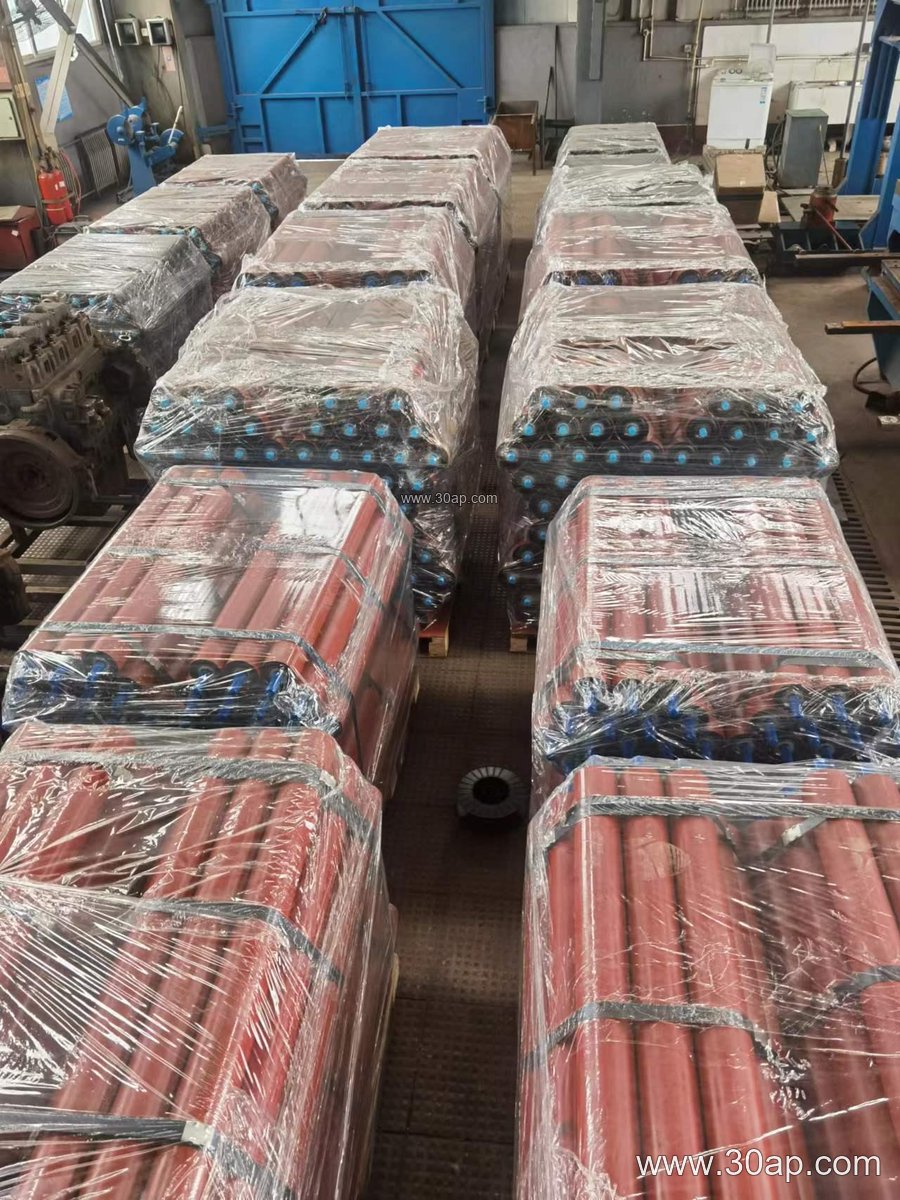
Typical roller diameters for this family follow the common idler range, such as Ø63, Ø76, Ø89, Ø102, Ø108, Ø127, Ø133, Ø159, Ø178, Ø194, and Ø219 mm. These are reference sizes, not a fixed rule. The correct diameter depends on belt speed, load, and the space available in the conveyor bracket.
Where It Fits in a Conveyor System
A belt guide roller is usually installed near the loading point, before a transfer chute, or along a long run where the belt tends to wander. In a sand and gravel line, it may sit just after the crusher discharge to keep the belt aligned under uneven loading. In a power plant coal handling system, guide rollers help maintain tracking through curves and transitions.
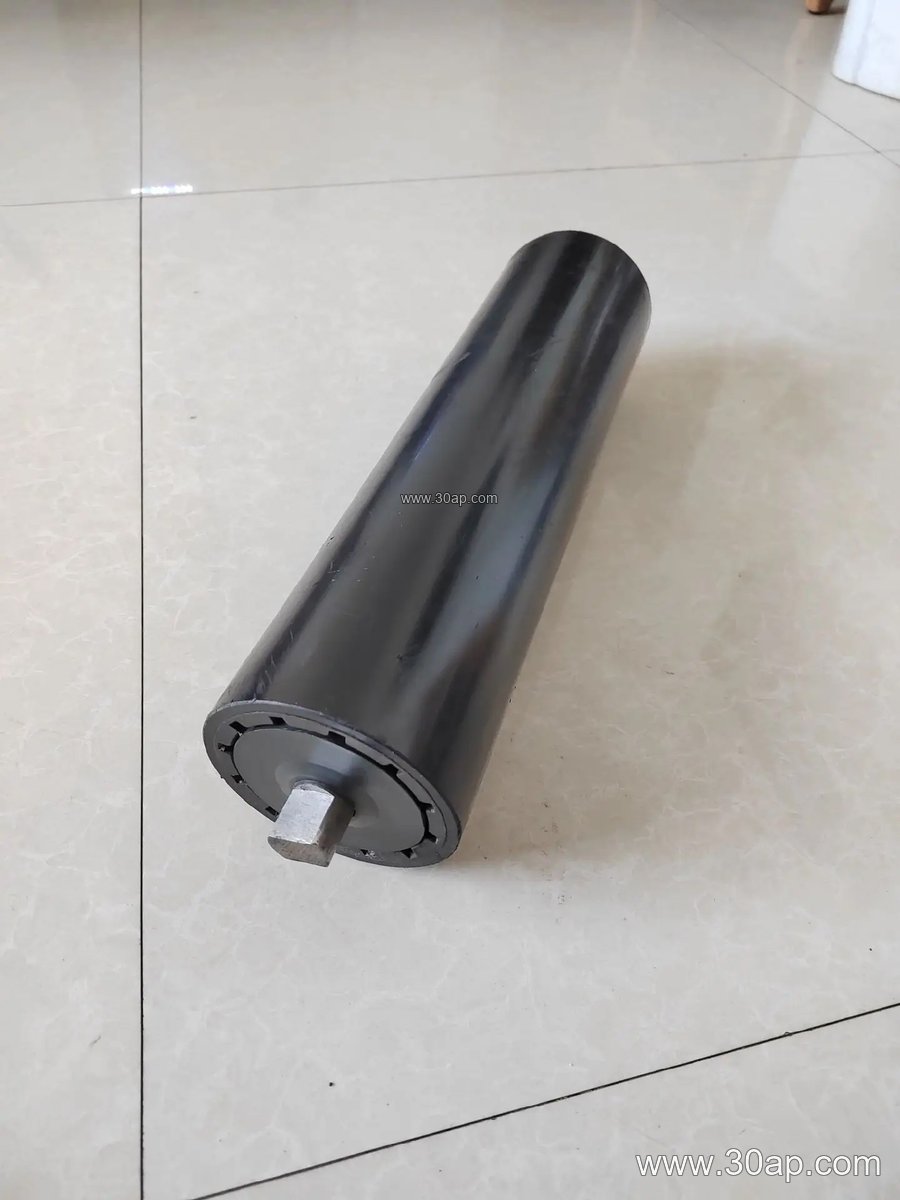
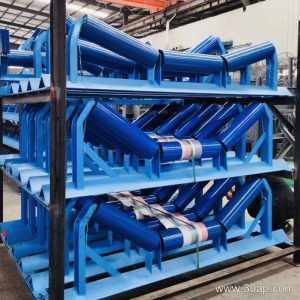
It is often used together with troughing idlers, return idlers, and conveyor pulleys. The guide roller does not replace the carrying idlers or the return rollers; it complements them. On the return side, a V-shaped return idler may handle belt support, while a guide roller handles centering. A conveyor bracket holds the roller in place and allows for adjustment during installation.
Size and Selection Notes
Belt width and roller length are related but not locked together. A three-roll troughing set may use different roll lengths for the center and side rolls. The following table gives common examples for reference only; actual dimensions are determined by the conveyor design.
| Belt Width | Common Roll Length Example | Typical Roller Diameter Range |
|---|---|---|
| B500 | 200 mm | Ø63 to Ø108 mm |
| B650 | 250 mm | Ø76 to Ø127 mm |
| B800 | 315 mm | Ø89 to Ø133 mm |
| B1000 | 380 mm | Ø102 to Ø159 mm |
| B1200 | 465 mm | Ø108 to Ø178 mm |
| B1400 | 530 mm | Ø127 to Ø194 mm |
| B1600 | 600 mm | Ø133 to Ø219 mm |
Bearing selection is equally important. Common bearing numbers include 6204, 6205, 6305, 6306, 6308, and 6310. A larger bearing is not automatically better; it must match the shaft and load conditions. Buyers should confirm the shaft diameter, mounting centers, and sealing type with the supplier rather than assuming a fixed match from belt width alone.
Buyer Checklist
- Confirm the roller function: tracking correction, not load support or drive transmission.
- Check the belt width, trough angle, and available mounting space.
- Match the roller surface to the environment: rubber for grip, steel for general duty, ceramic for abrasive areas.
- Verify bearing size and sealing against dust and moisture.
- Ask for the mounting bracket dimensions and adjustment range.
In short, a belt guide roller is a tracking aid that keeps the conveyor belt running true. When selected with the right diameter, surface, and bearing, it helps reduce downtime in mining, aggregate, cement, and bulk handling operations.