Idler Roller: The Backbone of Efficient Material Handling
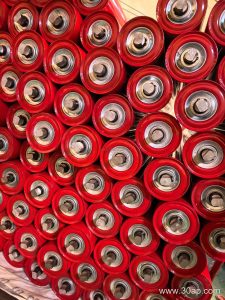
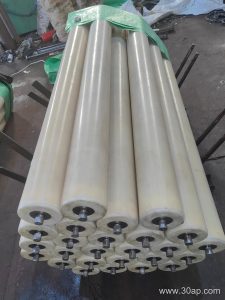
An idler roller is a cylindrical component that supports the conveyor belt and the material it carries, reducing friction and preventing belt sagging. Without correctly selected idler rollers, even the most robust conveyor systems suffer from premature wear, misalignment, and increased energy consumption.
Key Selection Criteria
- Diameter and width: Match the roller’s dimensions to your belt width and load weight to ensure optimal support and minimal deflection.
- Material and coating: Choose steel for heavy-duty applications, but consider rubber-coated or polymer rollers for corrosive or abrasive environments to extend service life.
- Bearing quality: Sealed bearings are essential for dusty or wet conditions, while high-temperature applications require special grease and clearance.
- Trough angle: Standard 20°, 35°, or 45° idler sets affect belt stability; verify compatibility with your existing frame.
Purchasing Advice
Always measure the existing shaft diameter and frame spacing before ordering. Request samples for belt tracking tests, and buy from manufacturers that provide load ratings and rotation speed specifications. Also, consider the total cost of ownership: a slightly more expensive, high-quality idler roller often outlasts multiple budget replacements.
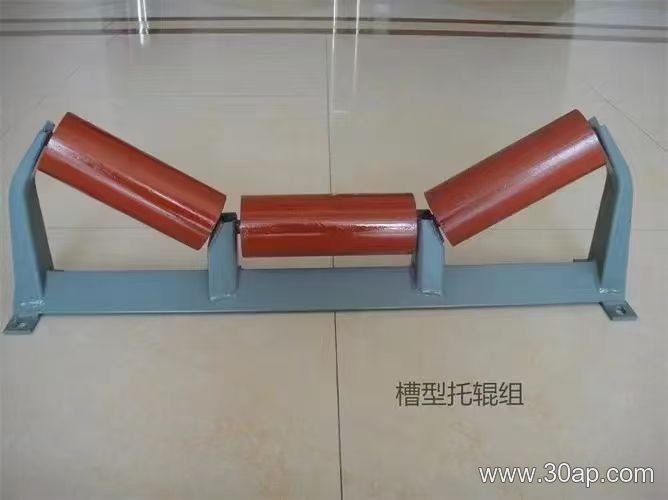
Finally, inspect rollers regularly for uneven wear or noise, and replace them in matched sets to maintain even belt tension. Investing in the correct idler roller today prevents costly downtime tomorrow.
Conveyor Pulley: The Core of Reliable Material Transport
The conveyor pulley is not just a rotating cylinder; it is the mechanical heart of any belt conveyor, dictating tension, tracking, and drive efficiency. Choosing the wrong pulley leads to belt slippage, misalignment, and costly downtime.
Key Design Factors for Conveyor Pulleys
- Determine the required face width (typically 2–4 inches wider than the belt) to prevent edge wear.
- Select the shell thickness based on belt tension and impact load—use heavier gauge for abrasive materials like ore or aggregate.
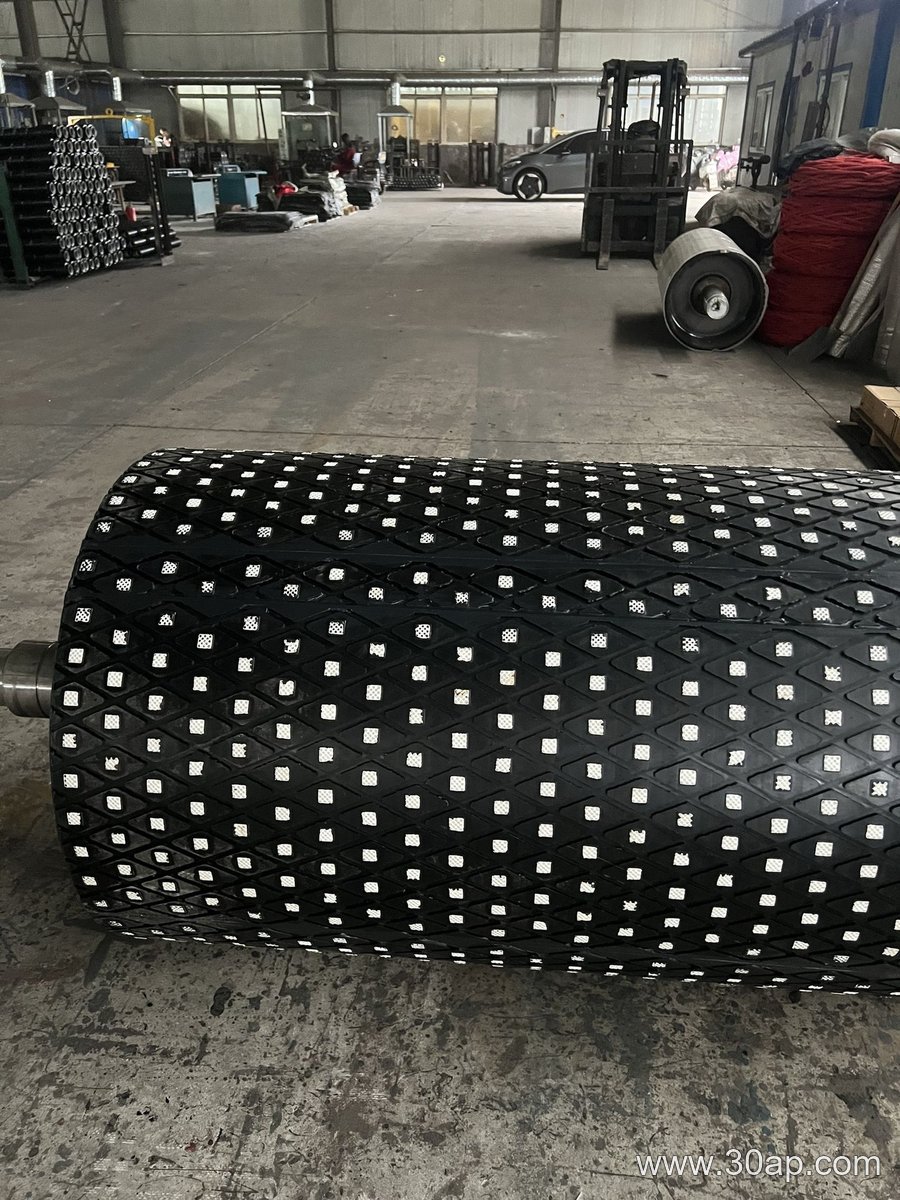
- Choose between lagged (rubber or ceramic) and bare steel surfaces: lagging improves grip and reduces wear, especially on drive pulleys.
Types and Their Applications
Drive pulleys transfer torque; bend pulleys change belt direction; take-up pulleys maintain tension. For high-torque starts, use a wing or spiral pulley to shed debris. For precision tracking, consider crowned or tapered face profiles.
Purchasing and Inspection Advice
- Verify the shaft diameter and bearing housing ratings match your conveyor’s load and RPM.
- Ask for balance certification (ISO 1940) to minimize vibration at operational speeds.
- Inspect hub and bushing systems (e.g., QD or Taper-Lock) for easy maintenance and secure fit.
- Request a finite element analysis report for critical applications to confirm fatigue life.
Always source pulleys from manufacturers who provide weld inspection and hardness tests, and match pulley diameter to your belt’s minimum bend radius. A correctly specified conveyor pulley extends belt life by up to 30% and reduces unplanned stoppages.
Why the Conveyor Bracket Defines System Stability
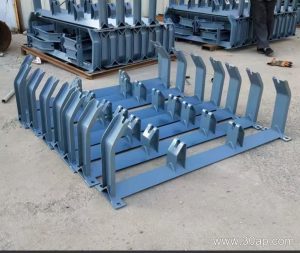
The conveyor bracket is the unsung hero of any bulk or unit handling line. It secures idlers, rollers, and impact beds to the frame, absorbing dynamic loads and misalignment forces. Without a correctly rated bracket, even premium belting fails prematurely.
Selecting the Right Conveyor Bracket
- Material: Choose galvanized steel for corrosive environments; stainless for food or chemical plants.
- Load rating: Match bracket capacity to peak belt tension plus impact factor, not just average load.
- Adjustability: Slotted or multi-position brackets allow precise trough angle tuning (20°, 35°, 45°) on site.
- Weld vs. bolt-on: Weld-on offers rigidity; bolt-on simplifies retrofit and maintenance.
Purchasing Advice
Always request dimensional drawings and verify hole spacing against your existing frame rail. Buy from suppliers offering fatigue-tested brackets with documented yield strength. For high-speed conveyors (>3 m/s), specify vibration-dampening rubber-lined brackets.
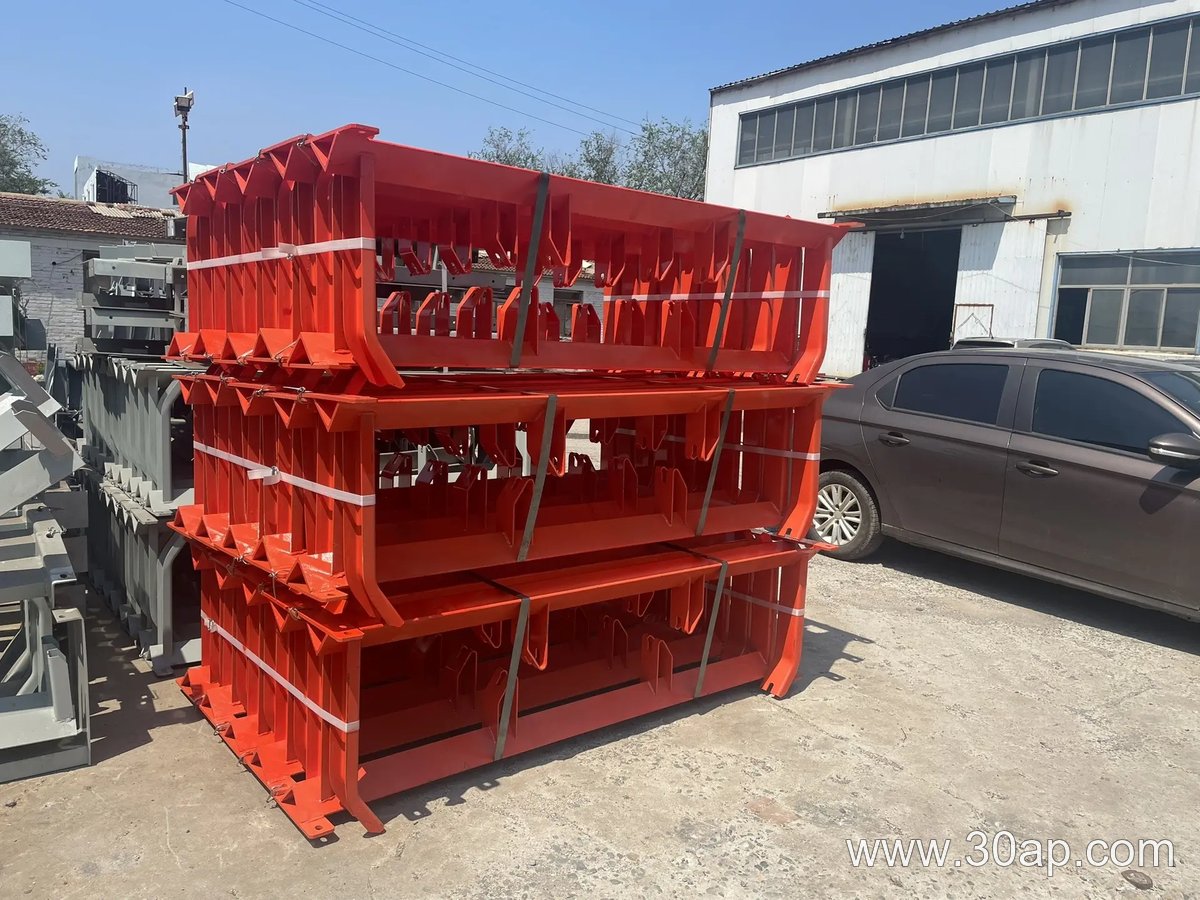
Inspect brackets quarterly for weld cracks or corrosion at the base plate. Replacing a US$15 bracket now avoids a US$4,000 roller failure later. Invest in spare brackets for every critical curve or transfer point.
Conveyor Belt Fundamentals
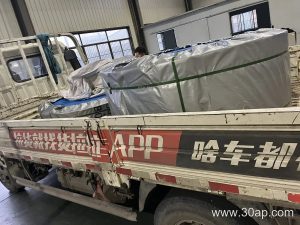
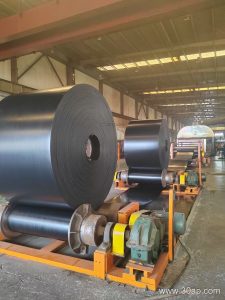
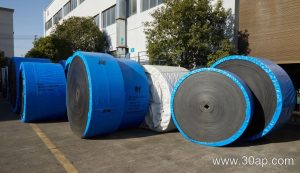
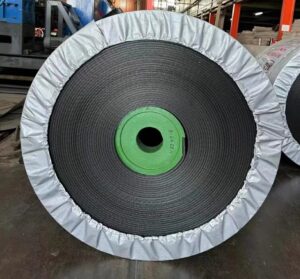
A conveyor belt is the workhorse of modern material handling, moving products, aggregates, or parcels across facilities with minimal labor. Choosing the correct belt directly impacts uptime, energy costs, and product safety.
Key Selection Criteria
- Assess load weight, abrasiveness, and operating temperature.
- Match belt material (rubber, PVC, metal mesh) to chemical exposure and hygiene needs.
- Verify tensile strength and splice type for long-haul versus short-transfer routes.
Purchasing Advice
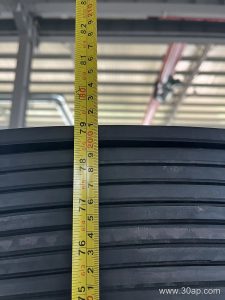
Request a belt with a reinforced carcass if impact loading is frequent. For incline applications, specify cleats or chevron profiles to prevent slippage. Always measure belt width and length from the existing system before ordering.
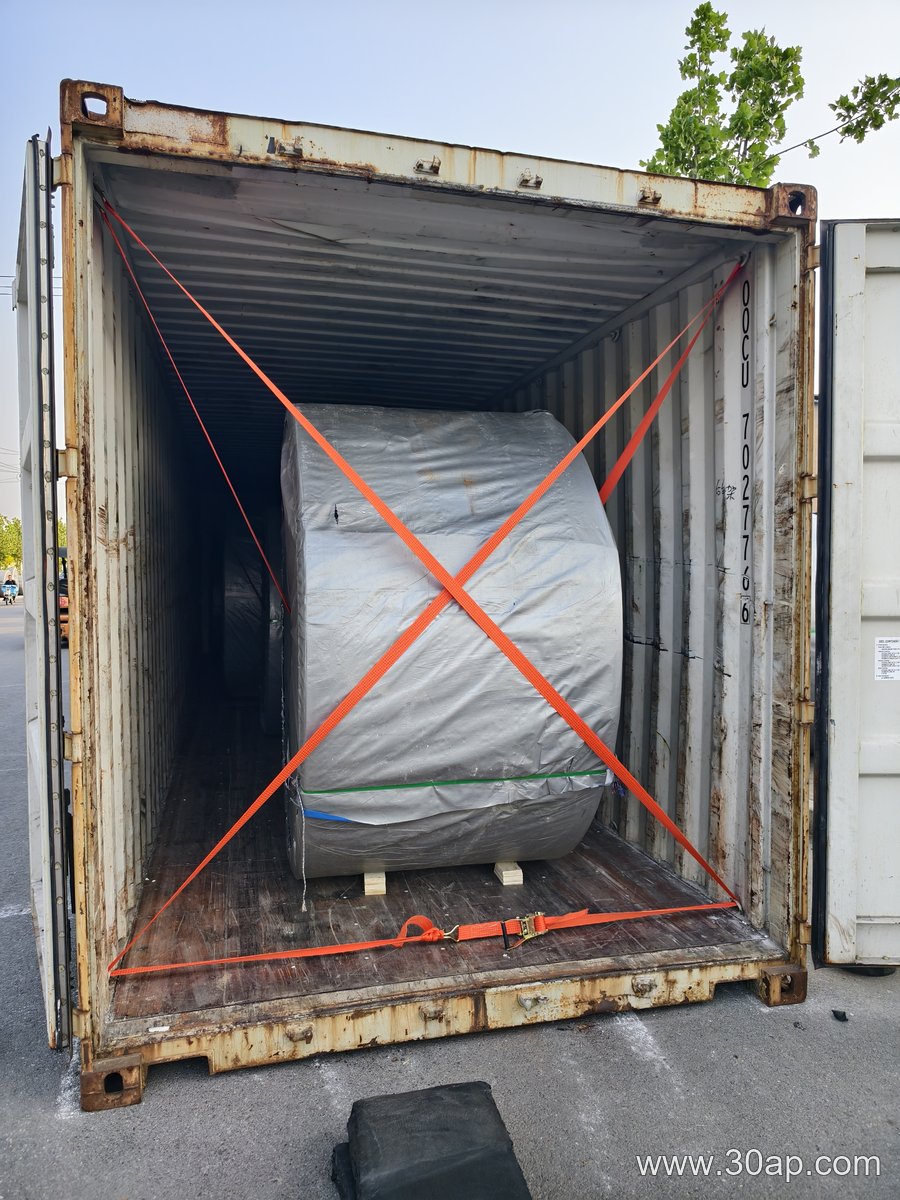
Invest in belts with low rolling resistance to cut electricity use by up to 10%. Finally, choose a supplier offering on-site splicing and 24-hour emergency delivery to minimize downtime.