What the EP1250 1800mm Conveyor Belt Is
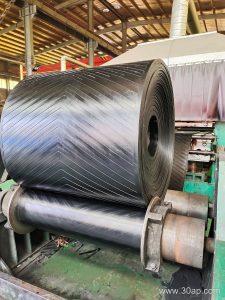
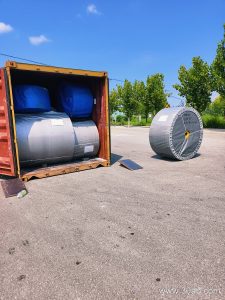
The EP1250 1800mm conveyor belt is a wide, multi-ply fabric core belt built around polyester warp and nylon weft (EP) fabric. In this designation, EP1250 refers to the belt’s nominal tensile strength grade, while 1800mm is the full belt width. It sits in the high-strength range of EP belts, above EP1000 and below EP1600, and is typically chosen for main haulage lines where a wide, stable carrying surface and good longitudinal strength are both required. As an EP rubber conveyor belt, it combines a fabric carcass with rubber covers on the top and bottom faces.
This is not a niche accessory size. An 1800mm wide conveyor belt is a full production belt, and in cement plants, power plants, iron ore terminals and large quarry operations it is often the belt that moves the primary crushed or blended material. Mining conveyor belt users working with high tonnage will recognize the EP1250 Conveyor Belt as a workhorse grade for long, heavily loaded runs.
Construction and Layer Arrangement
The carcass is made from several plies of EP fabric bonded together with rubber skim compound, then covered with top and bottom rubber. Ply count is normally selected by the belt designer rather than fixed by the strength grade alone, and common builds use several plies to reach the required strength. Cover thickness is likewise specified per application, with common combinations such as 6+2 mm or 8+3 mm on abrasive, heavy-lump duties and lighter combinations on cleaner, less aggressive material.
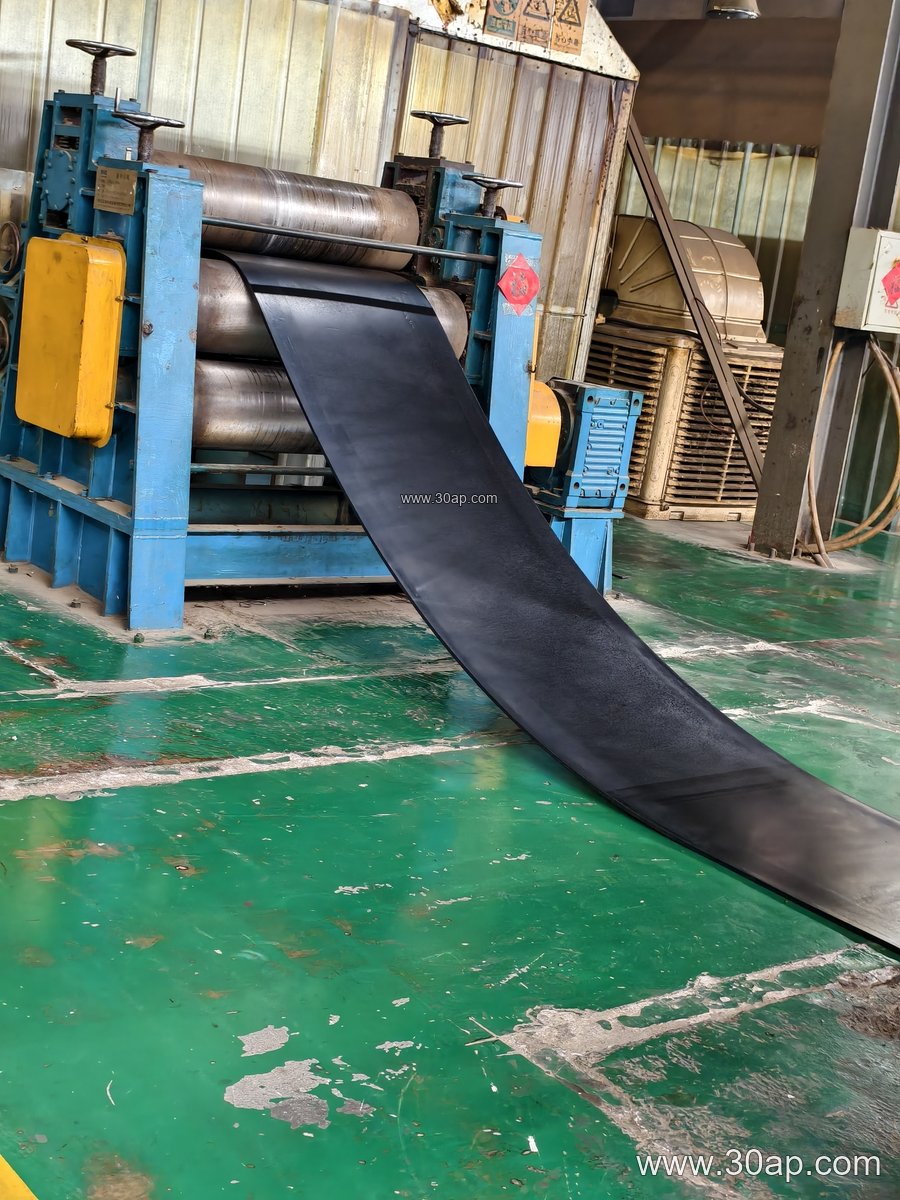
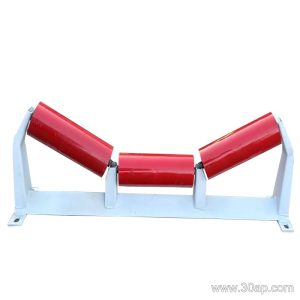
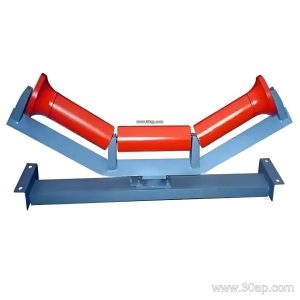
An EP Fabric Core Conveyor Belt gains its strength from the orientation of the fabric: the polyester warp carries the tension along the belt length, while the nylon weft provides transverse flexibility and troughability. That balance matters at 1800mm width, because a belt this wide must still form a stable trough on the carrying idler rollers without excessive sag between them. The rubber covers protect the carcass from abrasion, impact and moisture, and the edge construction is usually reinforced to resist fraying at the belt sides.
Where It Fits in a Conveyor System
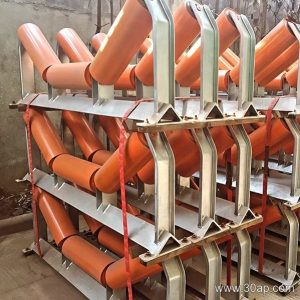
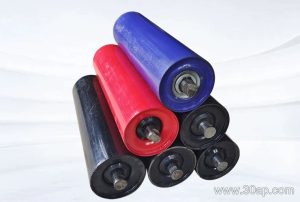
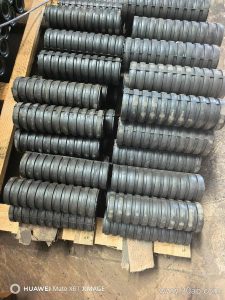
A belt of this width is normally supported by a full troughing set of idler roller assemblies on the carrying side and return rollers underneath. The belt path is guided by a drive pulley at the head, a tail pulley at the loading end, and bend pulleys or take-up pulleys where the route changes direction. Each of these components performs a distinct function, so a drive pulley is not a substitute for a bend pulley, and a tail pulley is not interchangeable with either. Conveyor pulley diameters, shaft sizes and bearing selections are matched to the actual belt tension and duty by the conveyor designer; they are not derived from belt width alone.
Typical industries
- Mining and ore handling, including iron ore and copper ore circuits
- Coal preparation and underground coal mining conveyor systems, where flame retardant and anti-static grades are often specified
- Cement plants moving clinker, limestone and raw meal
- Power plant coal yards and biomass fuel lines
- Large quarry and aggregate plants feeding crushers and screens
- Ports and ship loading terminals handling bulk material
At this width, the belt is frequently part of an Abrasion Resistant Conveyor Belt specification, since sharp rock, sinter or clinker will wear covers quickly. Where material is hot, a Heat Resistant Conveyor Belt build may be required, and where oil or solvent contamination is present, an Oil Resistant Conveyor Belt compound is selected. Underground coal installations commonly call for a Flame Retardant Conveyor Belt with anti-static properties.
Specifications a Buyer Should Confirm
The table below shows typical reference points for this product family. Values are indicative and should be confirmed against the actual design duty and the manufacturer’s data sheet.
| Parameter | Typical reference |
|---|---|
| Strength grade | EP1250 (range includes EP200 to EP2000) |
| Belt width | 1800mm (also 1600mm and 2000mm in the same family) |
| Carcass | Multi-ply EP fabric, commonly 2 to 6 plies |
| Cover thickness | Common combinations 3+1.5, 4+2, 5+2, 6+2, 8+3 mm |
| Cover compound | Standard, abrasion resistant, heat resistant, oil resistant, flame retardant, anti-static, cold resistant |
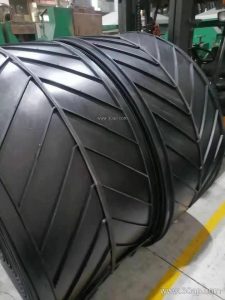
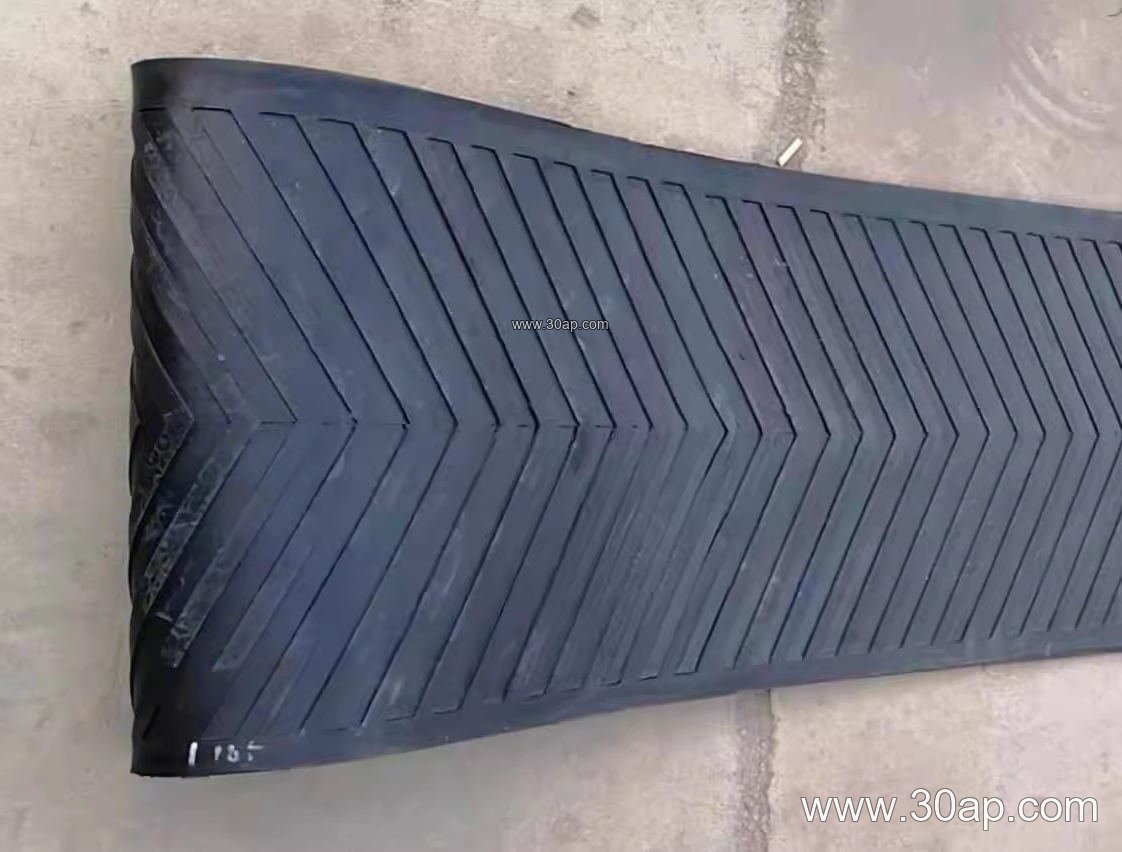
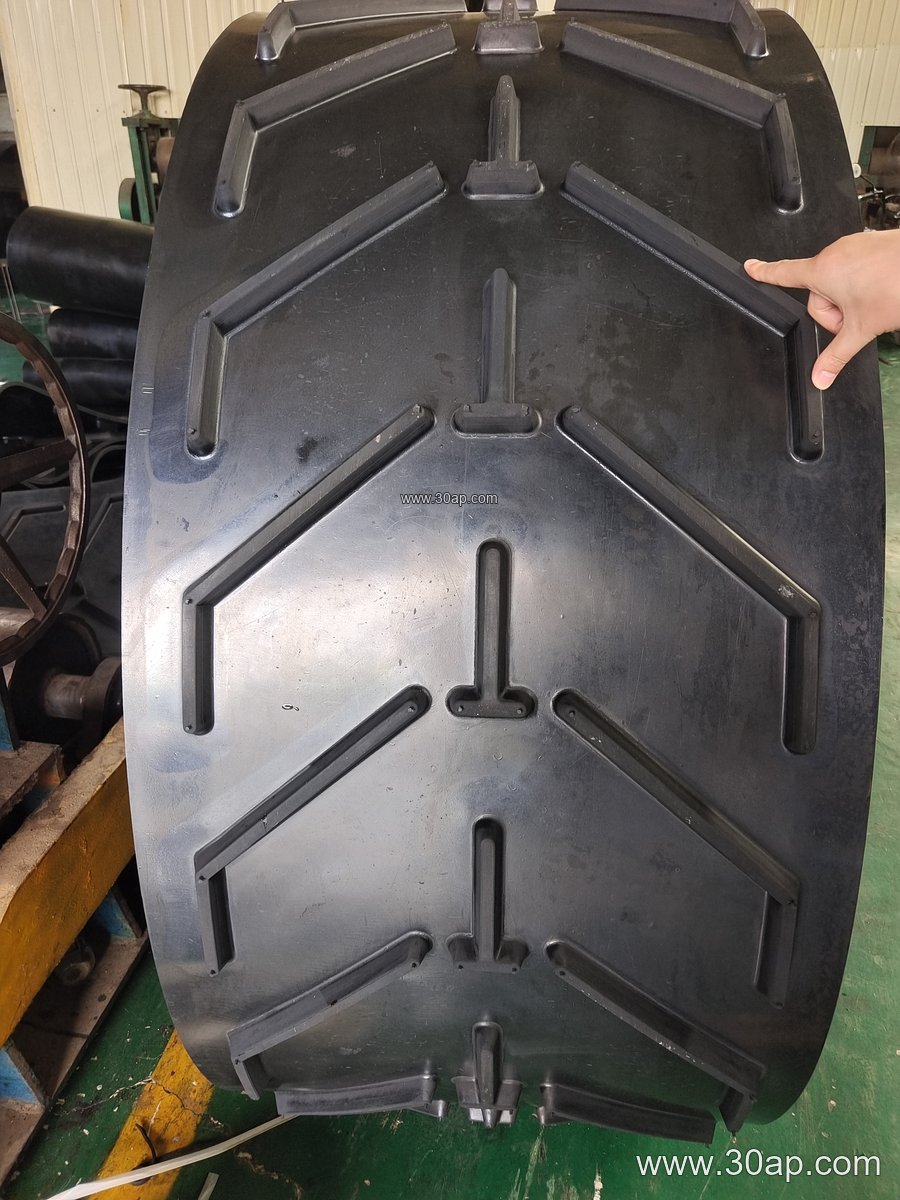
| Belt type options | Flat, chevron, corrugated sidewall, skirted |
Buyers should also ask about ply adhesion, elongation at working tension, troughability, and the splice method the supplier recommends. For an Endless Conveyor Belt requirement, the joint is made at the factory; otherwise the belt is supplied in rolls and spliced on site, and the splice quality will strongly influence service life.
Selection and Comparison Notes
The EP1250 1800mm Conveyor Belt is a fabric core product. When tension demands rise beyond the practical fabric range, a Steel Cord Conveyor Belt such as ST1250 or ST1600 becomes the alternative rather than a replacement for the fabric construction. For lighter or more economical duties, an NN Conveyor Belt may be considered, but it is a different carcass family with different elongation behavior. On inclined routes, a Chevron Conveyor Belt or Corrugated Sidewall Conveyor Belt can help retain material, while a Pipe Conveyor Belt suits routes requiring enclosed transport. These are comparisons for selection, not substitutes for the main subject.
Finally, check the interface with the rest of the conveyor. Correct alignment of the idler roller frames and conveyor bracket assemblies, adequate take-up travel, and a properly sized drive pulley all affect how well a wide belt tracks. For more information on matching belts with rollers, pulleys and frames, see the technical pages at EP conveyor belt and conveyor pulley.