What a Food Grade Conveyor Belt Is
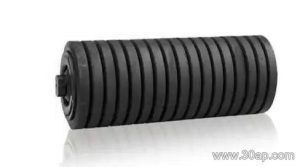
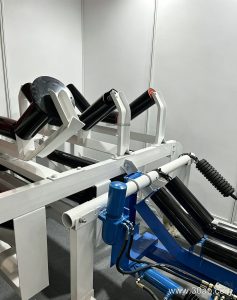
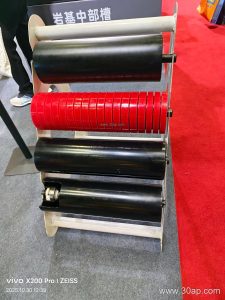
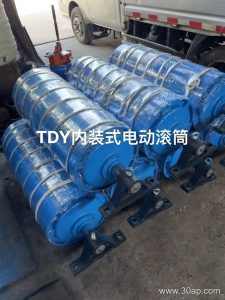
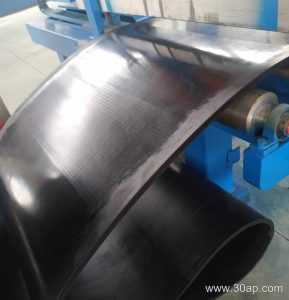
A food grade conveyor belt is a belt built for conveying food, food ingredients, or packaging in direct or indirect contact with food. Its defining feature is not a single material but a construction approach: belt covers, carcass, and edges are selected so the belt can be cleaned, resist moisture and fats, and avoid contaminating the product. In industrial plants it often serves alongside a conveyor pulley, idler roller, and conveyor bracket, but the belt itself is the part that touches the food.
The term is sometimes written as a food-grade conveyor belt, and both forms describe the same product. The grade refers to the belt’s suitability for food handling, not to a fixed strength class.
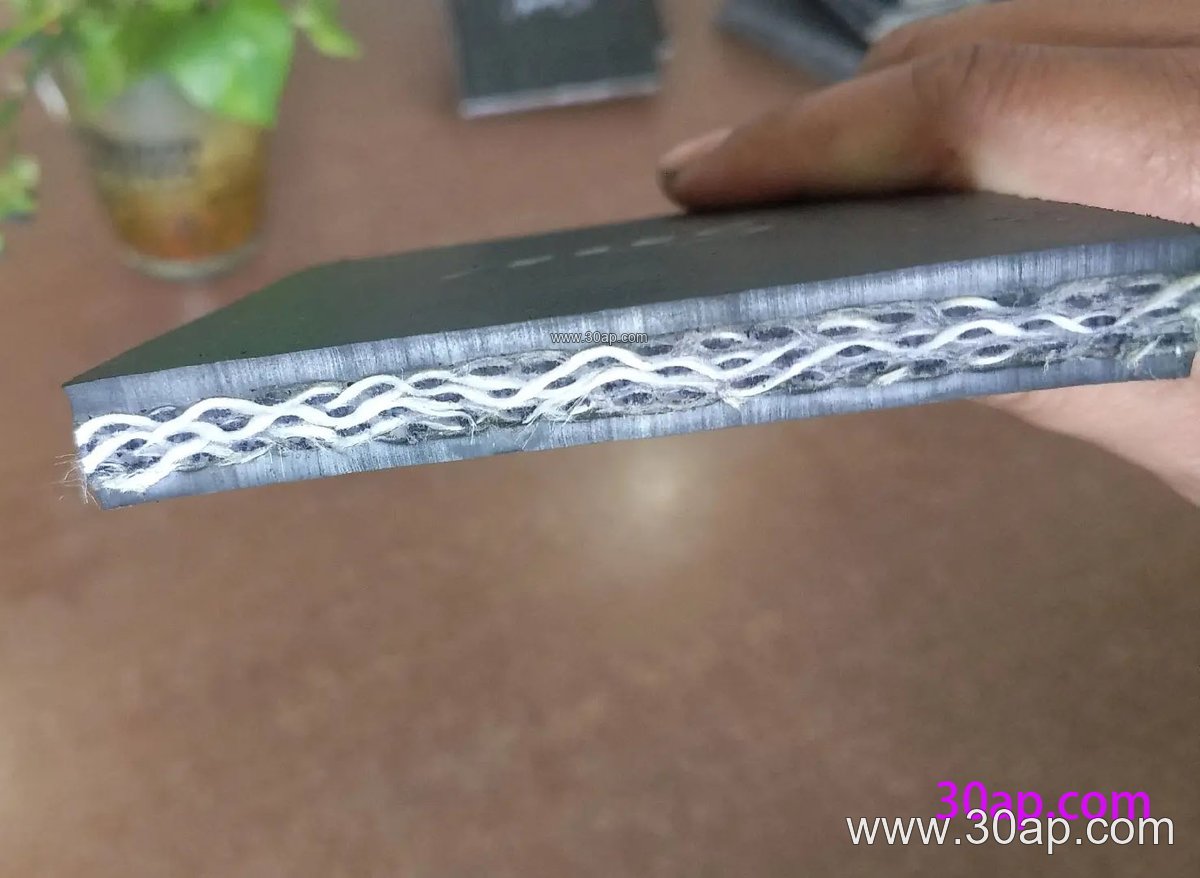
How the Belt Is Built
Food grade belts usually combine a fabric carcass with polymer covers. PVC and PVG are common cover options for hygiene-oriented lines, while some heavier duties use rubber covers formulated for food contact. The carcass may be EP or NN fabric, and the number of plies is chosen for the load and the pulley diameters on the conveyor.
Typical construction details include:
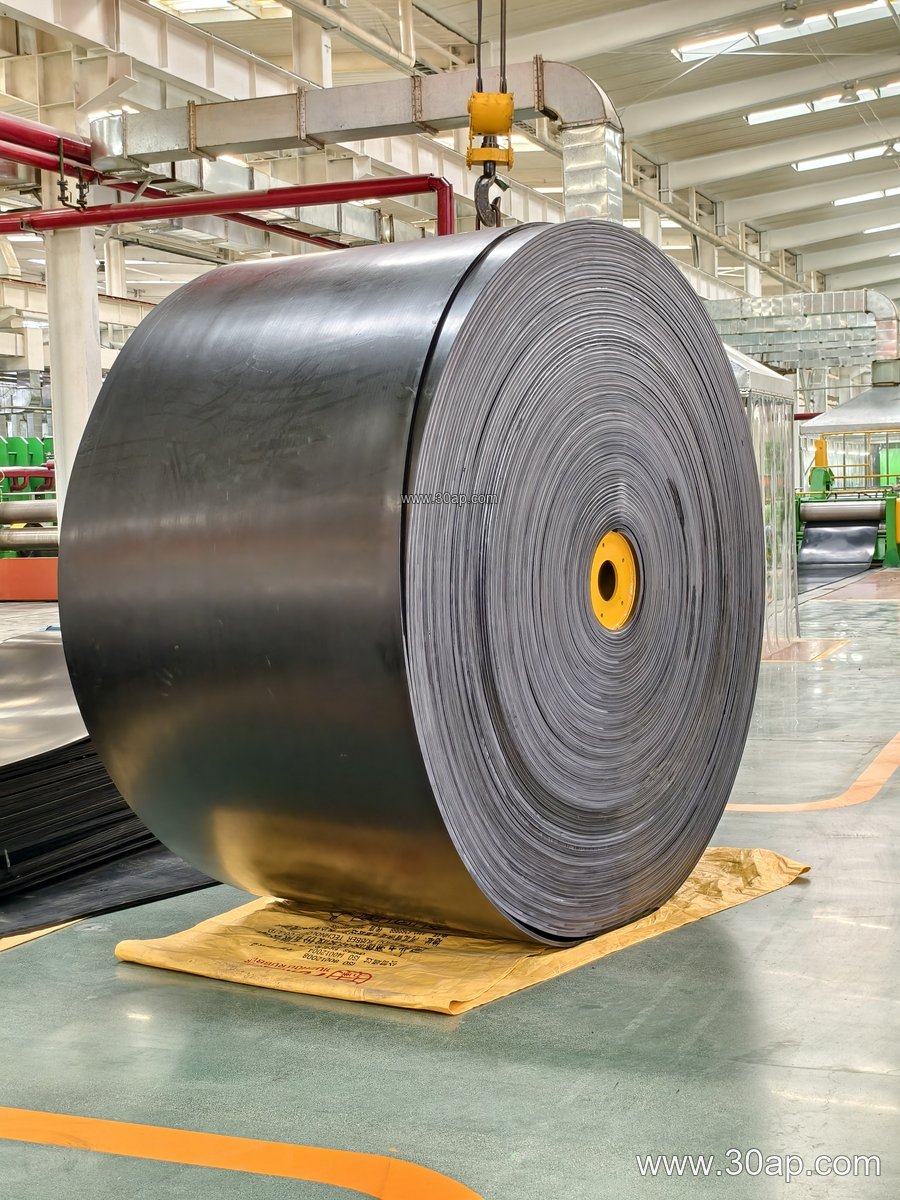
- Cover compound selected for low odor, low migration, and easy washing
- Fabric plies, commonly 2 to 6 layers depending on tension
- Cover thickness such as 3+1.5, 4+2, 5+2, 6+2, or 8+3 mm, stated as top cover plus bottom cover
- Edge treatment that resists fraying and moisture ingress
Surface form matters in food plants. A smooth cover suits general transport and scraping, while a lightly textured or cleated surface can help on inclines. Light pattern belts and cleated belts are separate surface options, not replacements for the plain food grade belt itself.
Where It Is Used
Food grade belts appear in bakeries, snack lines, confectionery plants, meat and seafood processing, dairy operations, vegetable and fruit handling, and packaging halls. They also turn up in grain and sugar handling, where hygiene and dust control both matter. In some facilities they work beside equipment also found in mining, cement, and power plants, such as idler rollers and conveyor pulleys, but the belt specification follows the food environment rather than the heavy-duty model.
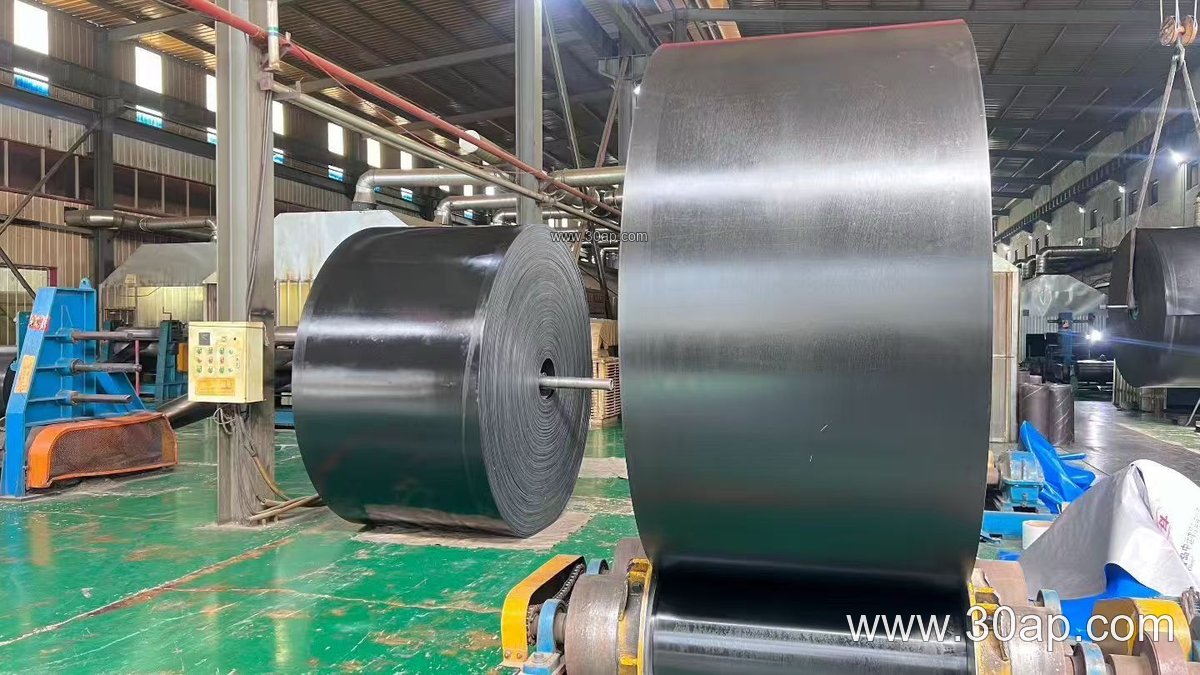
Common duties include:
- Transporting dough, baked goods, and frozen products
- Moving washed vegetables and fruit
- Carrying packaged food through inspection and packing
- Feeding ingredients into mixers and fillers
Specifications Buyers Should Review
Belt strength and width should follow the conveyor design, not a single standard. The table below shows common reference ranges; actual values are confirmed by the belt supplier and conveyor designer.
| Parameter | Common reference values |
|---|---|
| Fabric carcass type | EP, NN |
| Strength class | EP200, EP315, EP400, EP500, EP630, EP800, EP1000 and above |
| Belt width | B500, B650, B800, B1000, B1200, B1400, B1600 |
| Cover thickness | 3+1.5, 4+2, 5+2, 6+2, 8+3 mm |
| Ply count | Usually 2 to 6 layers |
Belt width and pulley diameter are matched through conveyor design calculations, so one width does not dictate one pulley size. Shaft diameter is also determined by the pulley and drive design, not by belt width alone.
Selection and Care Notes
Ask for the intended contact condition: dry food, oily food, wet washing, or chilled storage. Confirm the cleaning method, because hot washdown and aggressive detergents affect cover choice. Check whether the belt needs antistatic or flame-retardant behavior for the room, and confirm the surface form needed for incline angle.
On the conveyor, keep the belt tracking well over each idler roller and conveyor pulley, avoid sharp transitions, and inspect edges for cracking or moisture damage. A food grade conveyor belt lasts longer when cleaning, tension, and alignment are treated as routine maintenance rather than occasional fixes.