What a Conveyor Belt Guide Idler Does
A conveyor belt guide idler is a specialized roller assembly used to keep the belt centered on its intended path. Unlike standard carrying or return idlers, which primarily support the belt and material load, the guide idler applies gentle lateral correction when the belt begins to drift. In quarry and aggregate lines, a misaligned belt can spill material, damage edges, and shorten splice life. The guide idler addresses this by combining a roller with a vertical or angled guide surface that contacts the belt edge only when tracking deviates. This makes it a targeted solution rather than a replacement for troughing or impact idlers.
Because the belt must still be supported along the full length, guide idlers are typically installed at intervals or at critical points such as head and tail transitions, curves, and long spans. They work alongside the main idler set and do not substitute for carrying idlers, return idlers, or conveyor pulleys.
Construction and Key Components
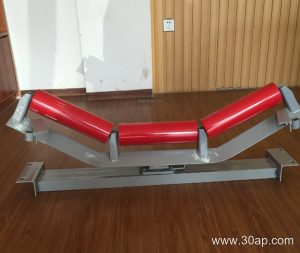
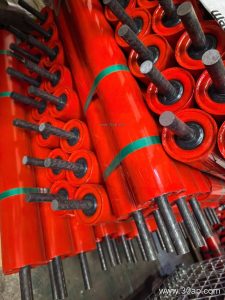
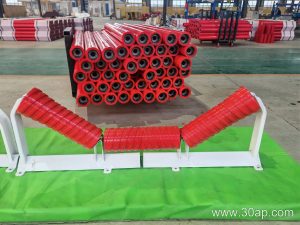
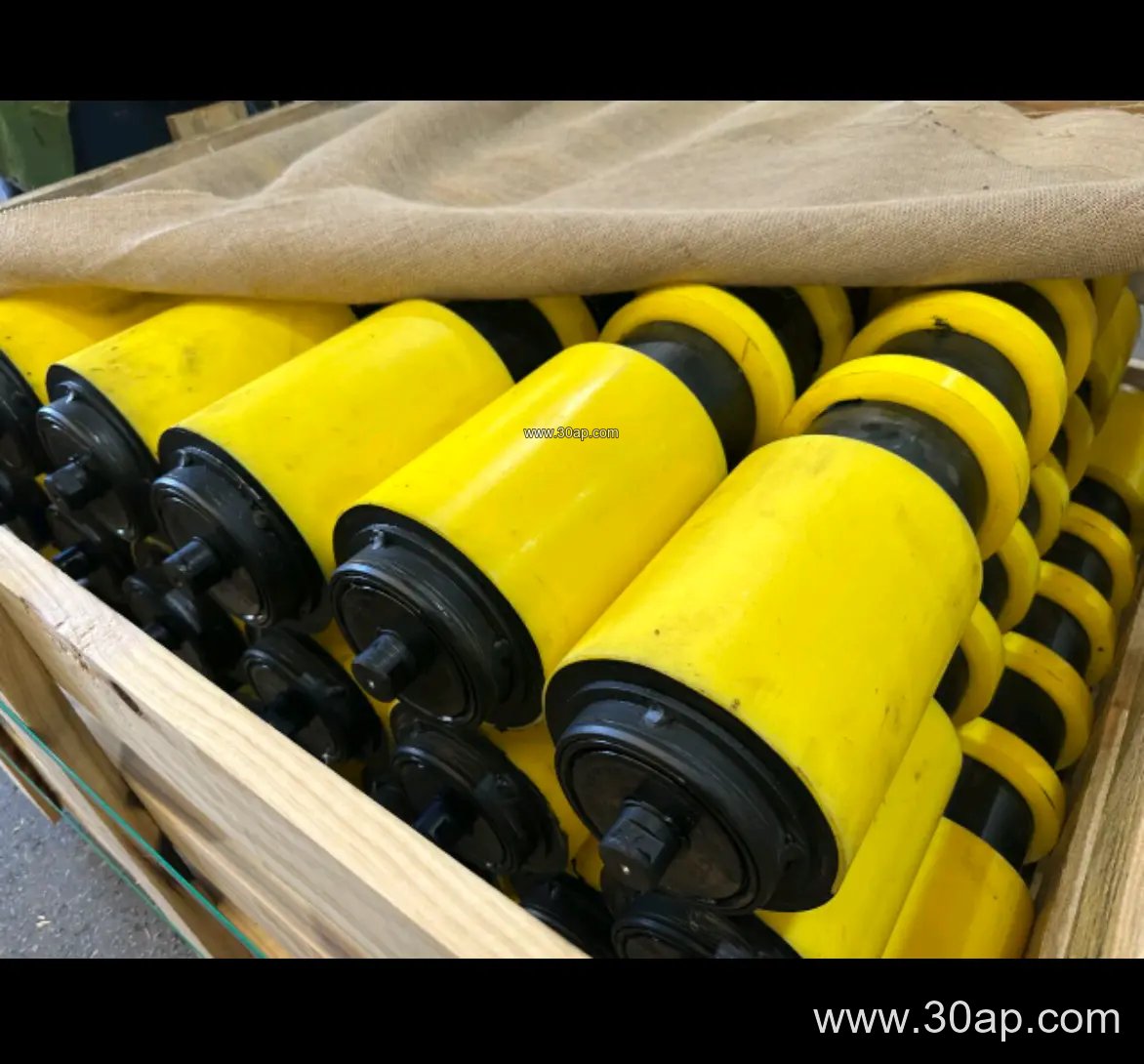
A typical guide idler consists of a steel tube shell, bearing housings, a shaft, and one or more guide discs or vertical rollers. The roller body may use a plain steel surface or a rubber-covered surface for better grip and reduced belt edge wear. Bearing sizes are selected according to load and speed; common bearings include 6204, 6205, 6305, 6306, 6308, and 6310. The guide discs are often made of rubber or polyurethane to avoid sharp contact with the belt edge.
Sealing is critical in dusty environments such as cement plants and coal preparation plants. Labyrinth seals or multi-lip seals help keep fine particles out of the bearing cavity. The shaft is usually fixed to a bracket that allows height and angle adjustment, so the guide gap can be set to match the belt width and expected misalignment. A conveyor bracket for this purpose should be rigid enough to resist vibration without over-constraining the belt.
Where Guide Idlers Fit in the Conveyor System
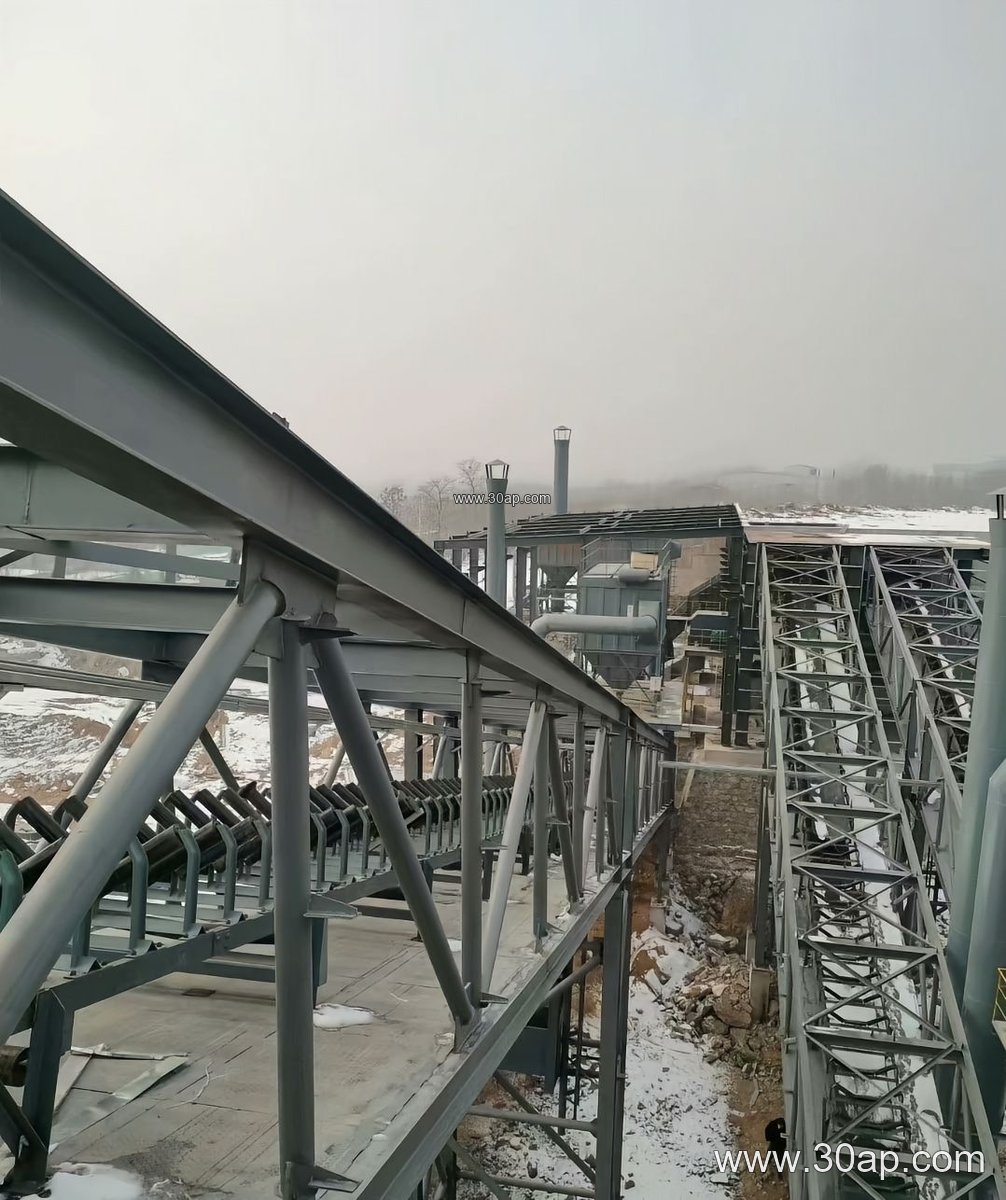
Guide idlers are common in applications where belt tracking is challenging. In a limestone quarry, a conveyor belt may run slightly downhill and be prone to side drift when loaded unevenly. A guide idler placed before the discharge pulley can help maintain alignment without adding significant resistance. In a power plant coal handling system, belt sway caused by wind or off-center loading can be corrected with guide idlers installed near the transfer points.
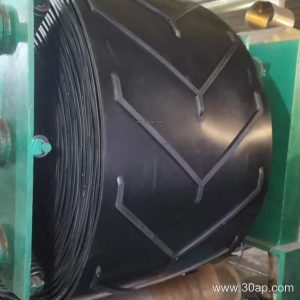
They are also used in sand and gravel plants, cement plants, and iron ore concentrators. On a pipe conveyor belt, tracking is controlled differently, so guide idlers are not normally used for that design. For a corrugated sidewall conveyor belt, the cleat profile may interfere with vertical guide rollers, so the guide method must be selected carefully. In most cases, the guide idler is an accessory to the main idler arrangement, not a substitute for a self-aligning idler such as a friction or cone type.
Selection and Sizing Notes
Buyers should match the guide idler to the belt width and the conveyor structure. Belt widths from B500 to B2000 are common in bulk handling, and the guide roller length should be chosen so that it does not contact the belt during normal running. The roller diameter may range from Ø63 to Ø159 depending on load and available space. A larger diameter generally offers lower rotational speed and better tolerance to misalignment, but the bracket height must accommodate it.
The following table gives common reference values; actual selection depends on the conveyor design and should be confirmed with the supplier.
| Parameter | Common Reference Range | Notes |
|---|---|---|
| Belt width | B500 to B2000 | Guide gap set per application |
| Roller diameter | Ø63 to Ø159 | Larger sizes for heavier belts |
| Bearing | 6204, 6205, 6305, 6306, 6308, 6310 | Selected by load and speed |
| Surface | Steel, rubber-covered | Rubber reduces edge wear |
For a heavy-duty mining conveyor belt carrying abrasive ore, a rubber-covered guide roller can reduce belt edge abrasion. In a food or chemical plant, the guide idler should be compatible with washdown and the belt compound. The guide idler does not replace a conveyor pulley at the drive or tail; those components handle tension and power transmission.
Installation and Maintenance Pointers
Install guide idlers square to the belt centerline and set the guide gap evenly on both sides. Overtightening the guide can cause edge wear and increased motor load. Check the bracket bolts and bearing condition during routine inspections. In dusty service, re-grease sealed bearings only if the design allows it, and replace rollers that develop flat spots or excessive play. A guide idler that is worn or misadjusted can itself become a source of belt damage.
For more information on matching guide idlers with conveyor belting and support components, visit conveyor belt guide idler resources and review the idler roller options for your belt width and duty.