What an 800mm Drive Pulley Is
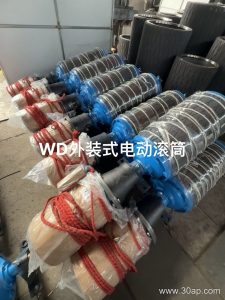
An 800mm drive pulley is a head pulley with an outer diameter of 800 millimetres, used to transmit power from the drive unit to the conveyor belt. In many plants it is simply called a Ø800 drive drum, but the function stays the same: it grips the belt on the carrying side and pulls the entire conveyor system. This is not a tail pulley or a bend pulley. Those subtypes sit at the return end or redirect the belt, and they are not interchangeable with the drive pulley.
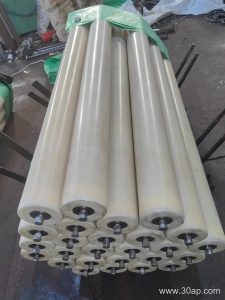
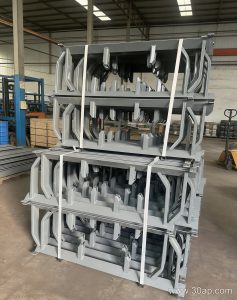
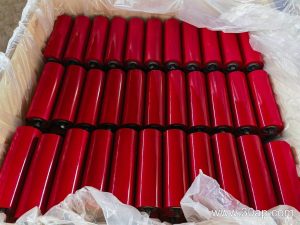
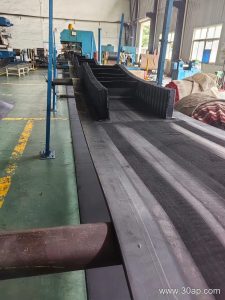
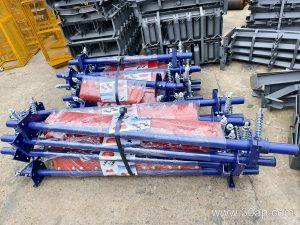
Drive pulleys are common in mining, coal preparation, cement clinker lines, power plant coal handling, and aggregate crushing circuits. A typical installation pairs the pulley with a conveyor belt, idler rollers on the carrying and return runs, and a sturdy conveyor bracket that anchors the shaft to the frame.
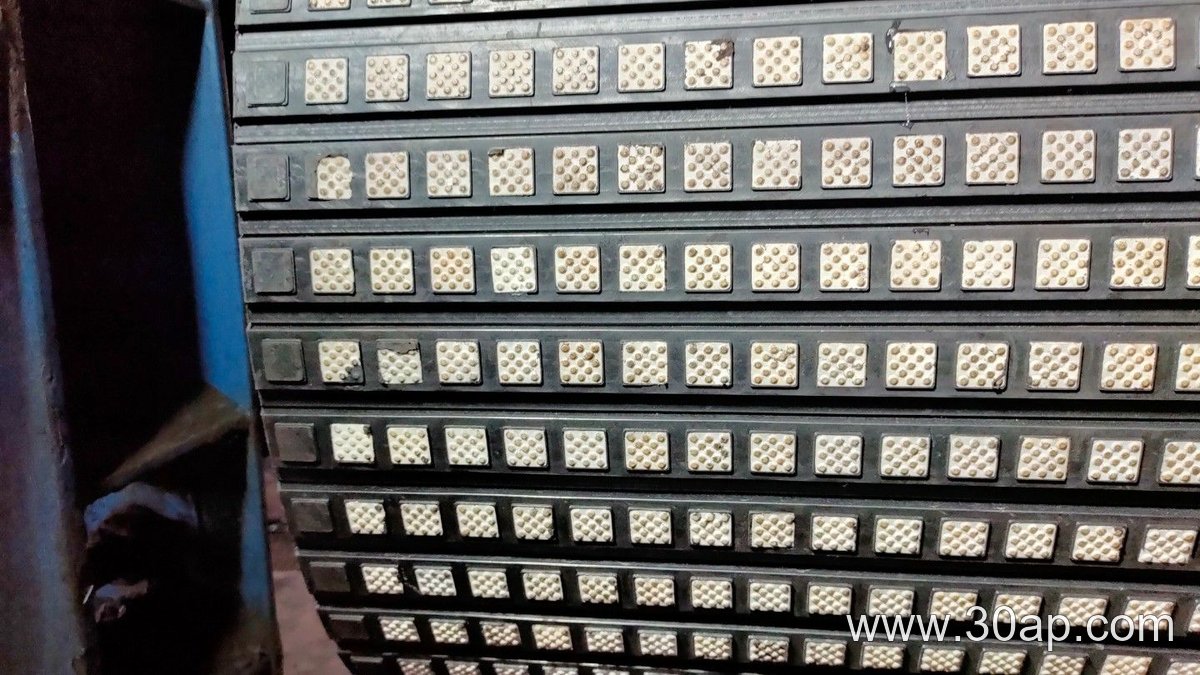
Construction and Surface Options
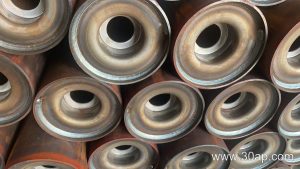
The body is usually a welded steel cylinder with end discs and a shaft. The shaft diameter is determined by torque and load, not by belt width alone. Common shaft sizes include Ø120, Ø140, Ø160, Ø180, and Ø200 mm, but the final value comes from the drive design. The pulley face width is normally wider than the belt. For a B800 belt, the face is often around 950 mm, while a B1000 belt may use about 1150 mm. Do not assume one belt width matches only one pulley diameter.
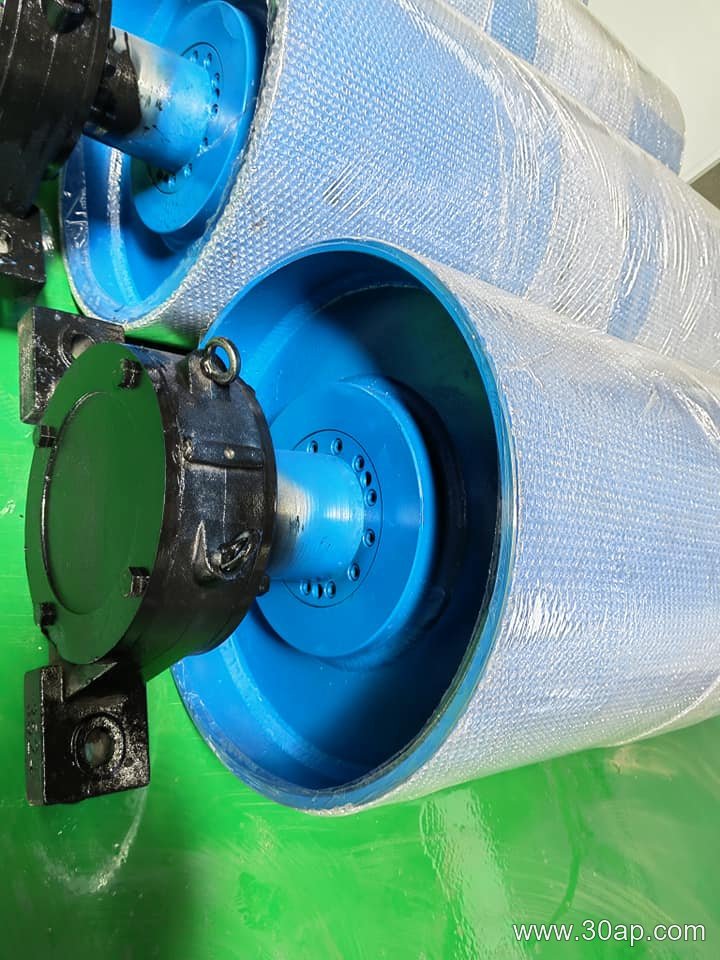
Surface treatment affects grip and wear life. Plain steel is used in light duties. Rubber lagging, applied by cold bonding or hot vulcanisation, improves friction. Diamond or herringbone grooves help shed water and fines. Ceramic lagging is chosen for abrasive or wet conditions. Lagging thickness commonly ranges from 8 mm to 20 mm, with 10 mm and 12 mm being frequent choices.
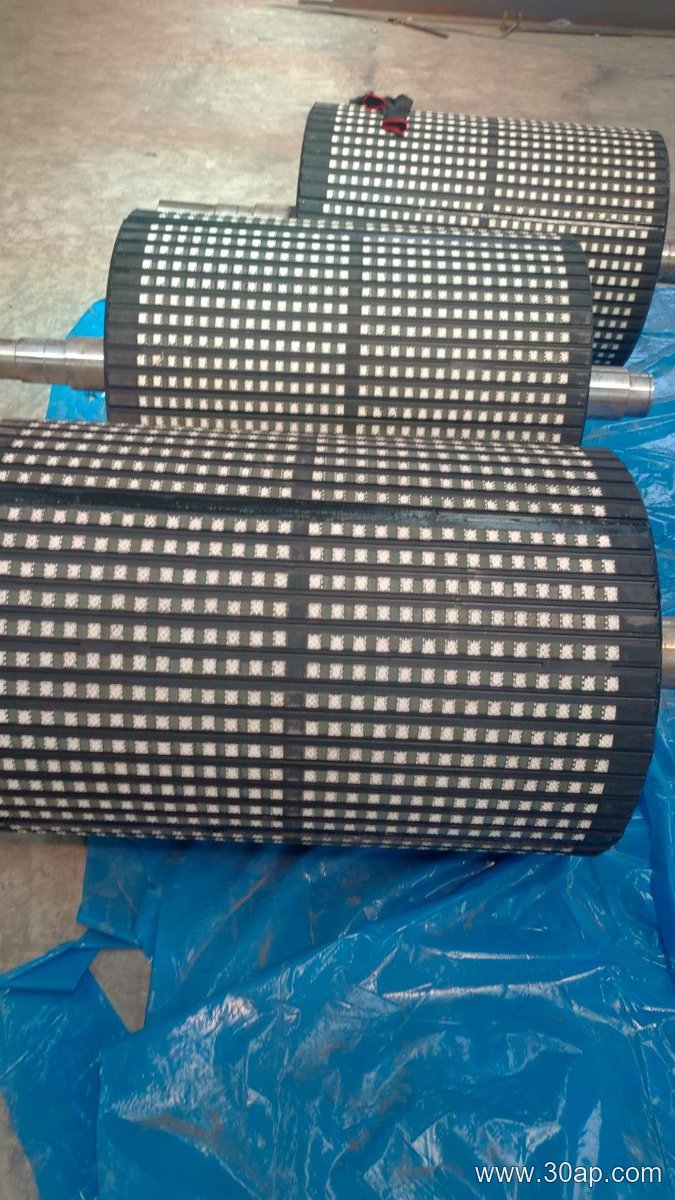
Where It Fits in a Conveyor
The 800mm drive pulley sits at the head or discharge end. It receives torque from a gearbox and motor, either directly or through a coupling. The belt wraps around it, and the friction between the lagged surface and the belt cover moves the load. In a coal handling system, this pulley may move crushed coal from a crusher to a stockpile. In a limestone quarry, it can carry primary crushed rock to a screening plant. In a cement plant, it may feed clinker to a mill or a storage silo.
- Mining and metallurgy: iron ore, copper ore, limestone
- Coal preparation and power generation: raw coal, washed coal
- Construction materials: sand, gravel, crushed stone
- Port and bulk terminals: fertiliser, grain, bulk cargo
Tail pulleys, bend pulleys, and take-up pulleys appear in the same conveyor but serve different positions. A bend pulley, for example, changes belt direction without driving the belt. Mixing these roles can lead to wrong spare parts and poor belt tracking.
Key Parameters to Confirm Before Ordering
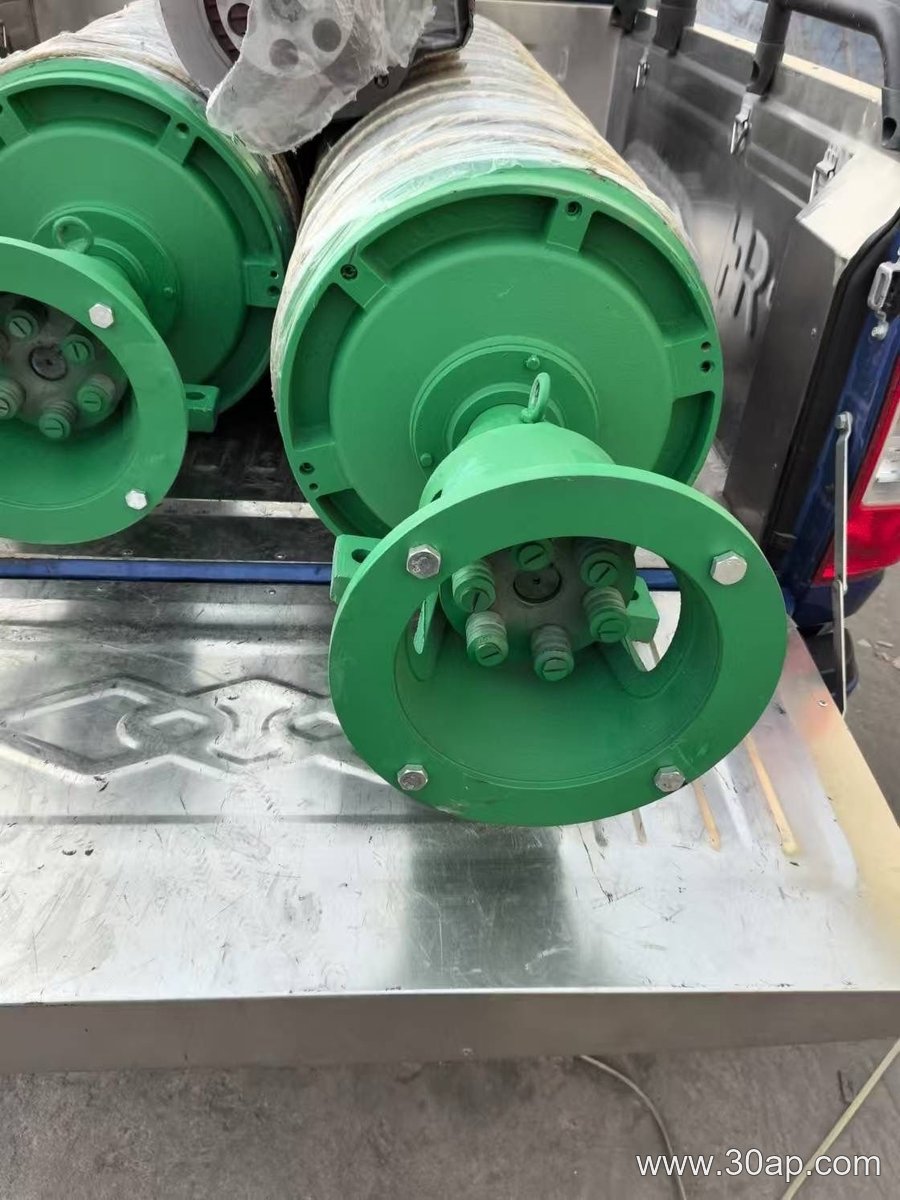
Buyers should confirm belt width, pulley diameter, face width, shaft diameter, lagging type, and bearing housing style. The table below shows common reference values, not fixed universal specifications.
| Item | Common reference |
|---|---|
| Pulley diameter | Ø800 mm |
| Belt width examples | B800, B1000, B1200, B1400 |
| Face width examples | B800 about 950 mm; B1000 about 1150 mm; B1200 about 1400 mm |
| Shaft diameter examples | Ø120, Ø140, Ø160, Ø180, Ø200 mm |
| Lagging | Plain, rubber, diamond, herringbone, ceramic |
| Lagging thickness | 8, 10, 12, 15, 20 mm |
Also check the conveyor bracket dimensions, bearing type, and the distance to the idler roller on the carrying side. A mismatch in face width or shaft size can cause belt misalignment, premature bearing failure, or excessive vibration. The drive pulley must be balanced and true-running, because it carries the highest tension in the system.
Maintenance and Selection Notes
Regular inspection of lagging wear, shaft play, and bearing temperature helps avoid unplanned stops. Worn lagging reduces friction and can lead to belt slip, especially in wet or dusty conditions. When replacing an 800mm drive pulley, measure the existing shaft, keyway, and mounting centres rather than relying only on the belt width. In sand and gravel plants, ceramic lagging may last longer than plain rubber. In coal handling, diamond rubber is often preferred for wet coal. The right choice depends on material, moisture, and duty cycle, not on a single fixed rule.