What Conveyor Bracket Procurement Covers
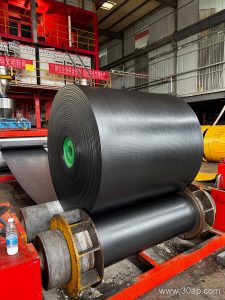
Conveyor bracket procurement is the process of sourcing the structural supports that hold idler rollers and shape the conveyor belt along its carrying and return runs. These brackets—often called conveyor support brackets or idler frames—are the interface between the conveyor belt, the idler roller, and the conveyor pulley. A well-planned procurement decision ensures that the bracket matches the belt width, trough angle, and roller diameter used on the site, whether the conveyor serves a limestone quarry, a coal washing plant, or a cement kiln feed line.
How a Conveyor Bracket Is Built
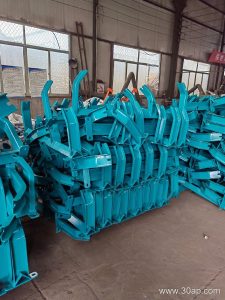
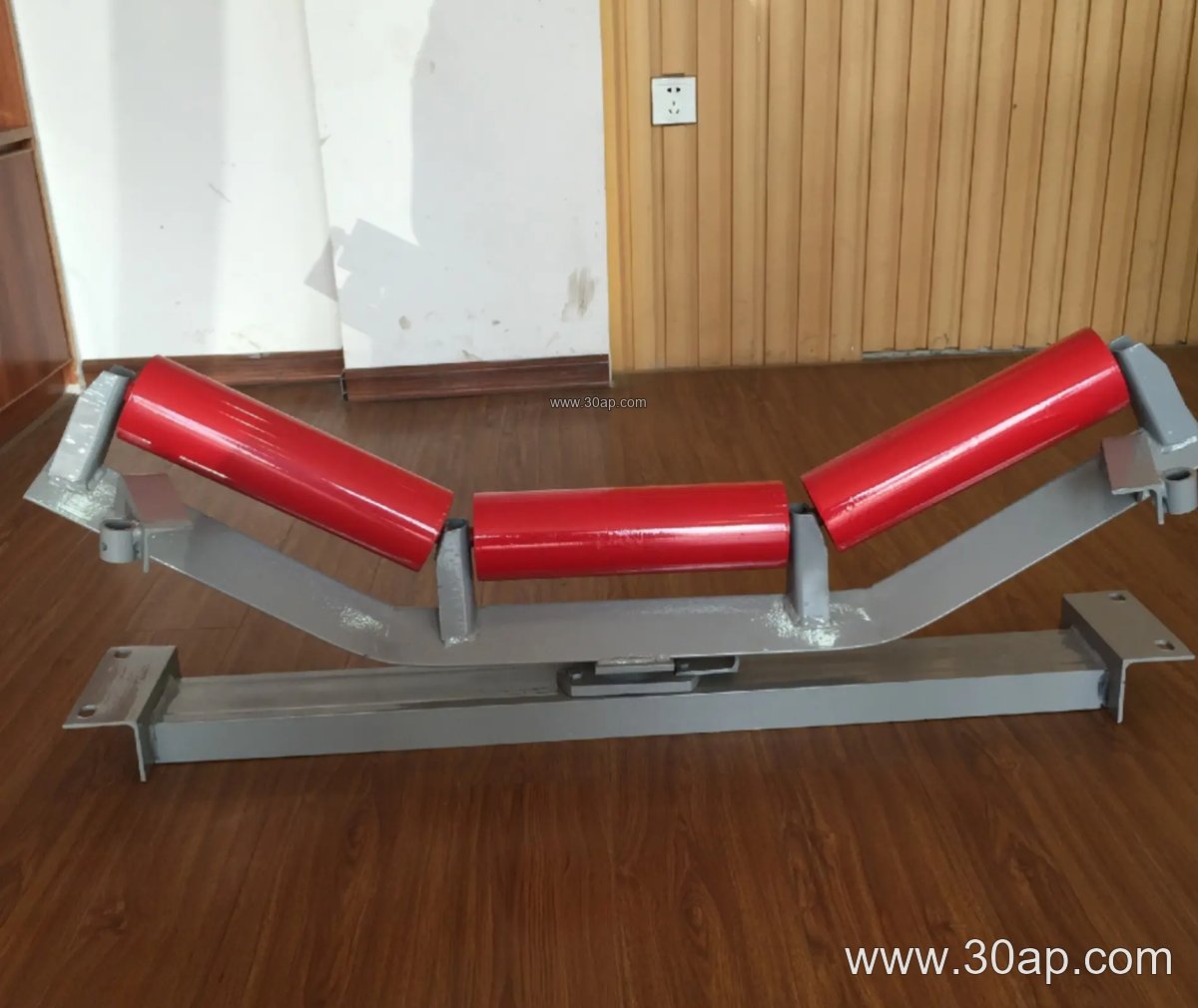
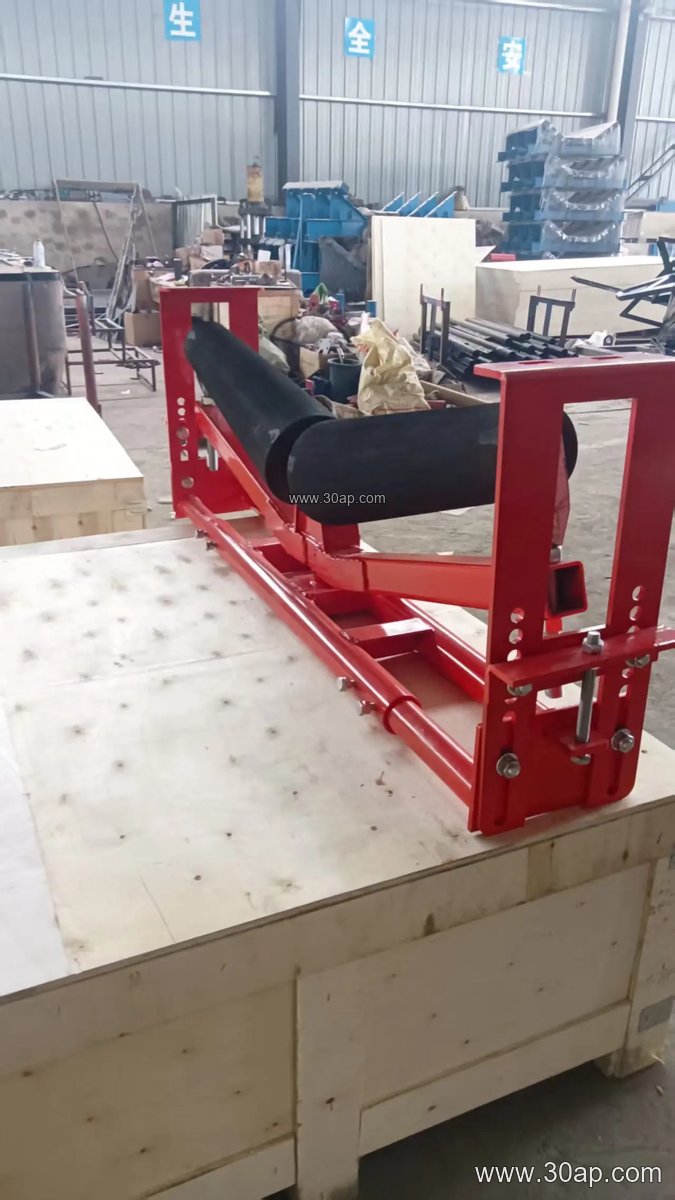
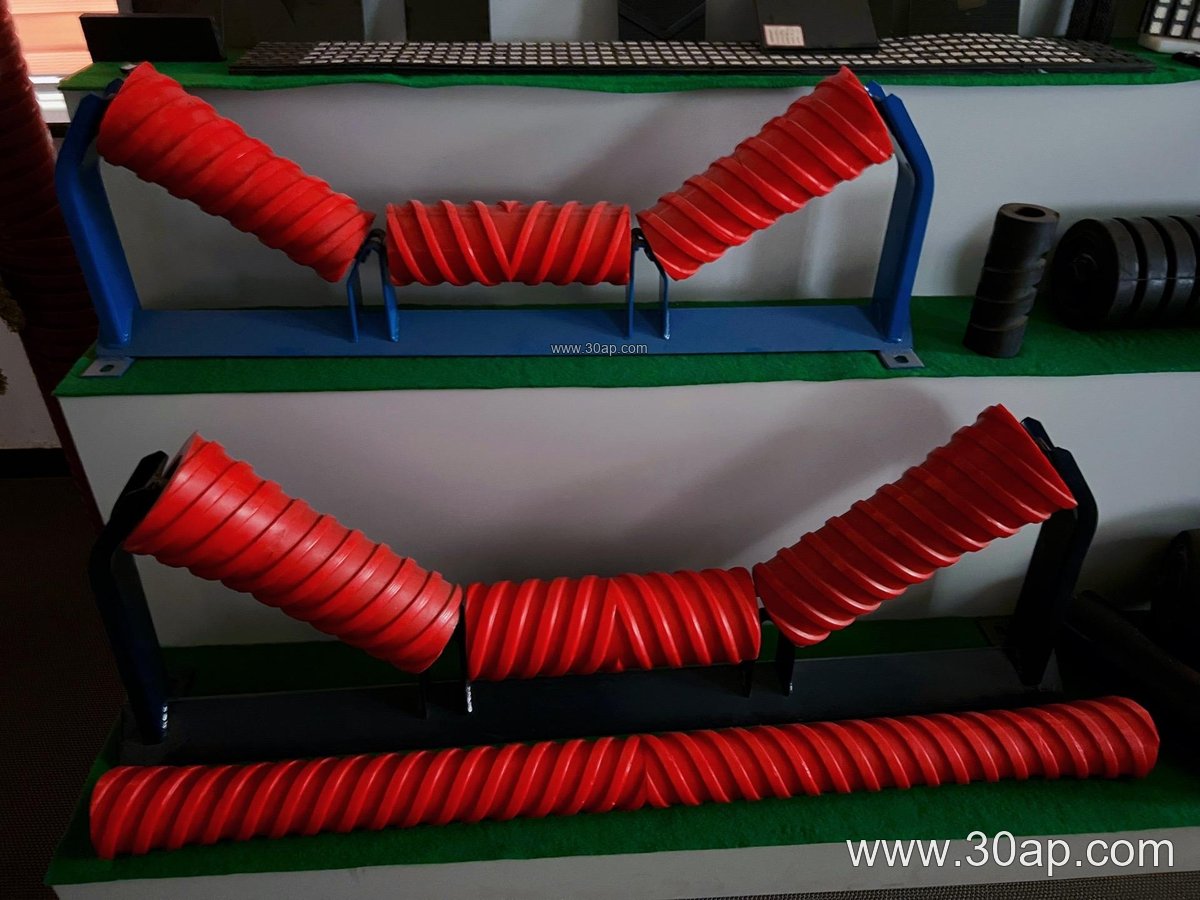
Most brackets are fabricated from angle steel, channel steel, or folded steel plate. The frame includes mounting slots or holes for idler rollers, cross beams sized to the belt width, and connection points to the conveyor stringer. Common types include trough brackets, transition brackets, return brackets, V-return brackets, impact brackets, self-aligning brackets, and adjustable brackets. Each type has a distinct role: a trough bracket sets the belt into a trough profile, while a transition bracket guides the belt from flat to troughed. A return bracket supports the empty side of the belt, and a V-return bracket helps center it.
Where These Brackets Are Used
Conveyor brackets appear wherever a belt conveyor moves bulk material. In a sand and gravel line, trough brackets with a 35-degree trough angle and Ø108 idler rollers are common. In a power plant coal handling system, wider belts such as B1200 may use 45-degree trough brackets with Ø133 rollers. In a tunnel mucking operation, compact brackets fit narrow galleries, while a steel mill sinter line may require heavy-duty impact brackets under the feed point. The bracket must suit the conveyor belt, the idler roller, and the surrounding structure—not the other way around.
Key Parameters for Buyers
Procurement should start with the belt width, trough angle, and roller diameter, because these three values drive the bracket geometry. The table below lists common reference values; actual mounting hole spacing and cross beam length are determined by the conveyor design.
- Belt width (B): B500, B650, B800, B1000, B1200, B1400, B1600, B1800, B2000, B2200
- Trough angle: 20°, 30°, 35°, 45° (adjustable brackets can move between these angles)
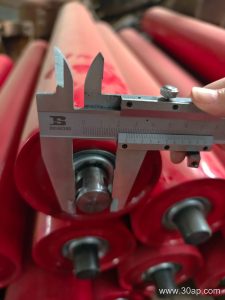
- Idler roller diameter: Ø89, Ø108, Ø133, Ø159, Ø194
- Forward tilt: commonly about 1.5° to 2° for forward-tilt brackets
Do not assume that one belt width pairs with only one trough angle or one roller diameter. A B800 conveyor might run 30-degree trough brackets with Ø89 rollers in a light-duty application, or 35-degree brackets with Ø108 rollers in a heavier one. Similarly, a B1200 belt may use 45-degree trough brackets with Ø133 rollers, but the final choice depends on material lump size, belt speed, and loading conditions.
Matching Brackets to the Rest of the Conveyor
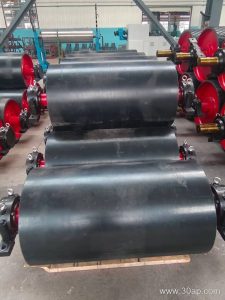
A bracket is not a standalone item. It works with the conveyor belt, the idler roller, and the conveyor pulley. Drive pulleys, tail pulleys, and bend pulleys each have their own mounting and alignment needs, and brackets near those pulleys may need to be transition or self-aligning types. When procuring brackets, confirm the roller diameter and the distance between roller mounting points. Also check whether the bracket is fixed or adjustable: adjustable brackets allow trough angle changes during commissioning, while fixed brackets offer simpler, more rigid support.
Procurement Checklist
- Confirm belt width and trough angle for each conveyor section.
- Match idler roller diameter to the bracket mounting slots.
- Specify bracket type by location: trough, transition, return, V-return, impact, or self-aligning.
- State the material and finish (for example, angle steel or folded plate, painted or galvanized).
- Provide the conveyor stringer hole pattern or ask the supplier to confirm mounting dimensions.
- For adjustable brackets, note the required trough angle range.
Good conveyor bracket procurement keeps the belt tracking stable, reduces idler roller wear, and avoids downtime in quarries, coal preparation plants, cement works, and power station coal yards. Buyers who treat the bracket as part of the whole conveyor system—rather than a generic steel part—get better fit and longer service life.