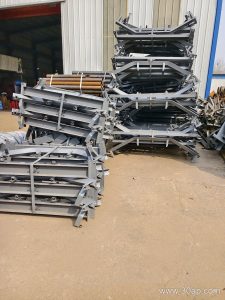
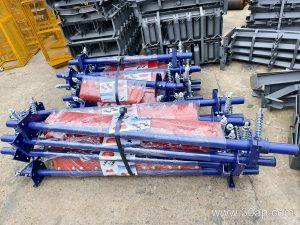
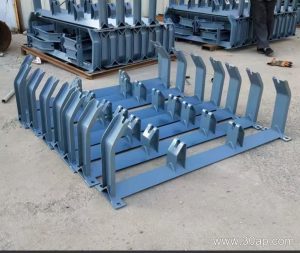
A conveyor idler bracket is the structural component that mounts and positions idler rolls along a conveyor frame. In a cement plant, where belts move limestone, clinker, and additives through dusty, high-load conditions, this bracket is not a minor accessory. It determines whether the idler stays square to the belt, whether the roll can be serviced without cutting the frame, and whether the support point survives years of vibration and abrasive dust.
What a Conveyor Idler Bracket Does
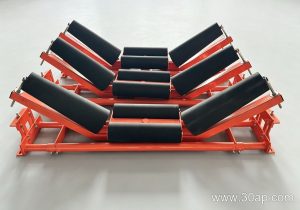
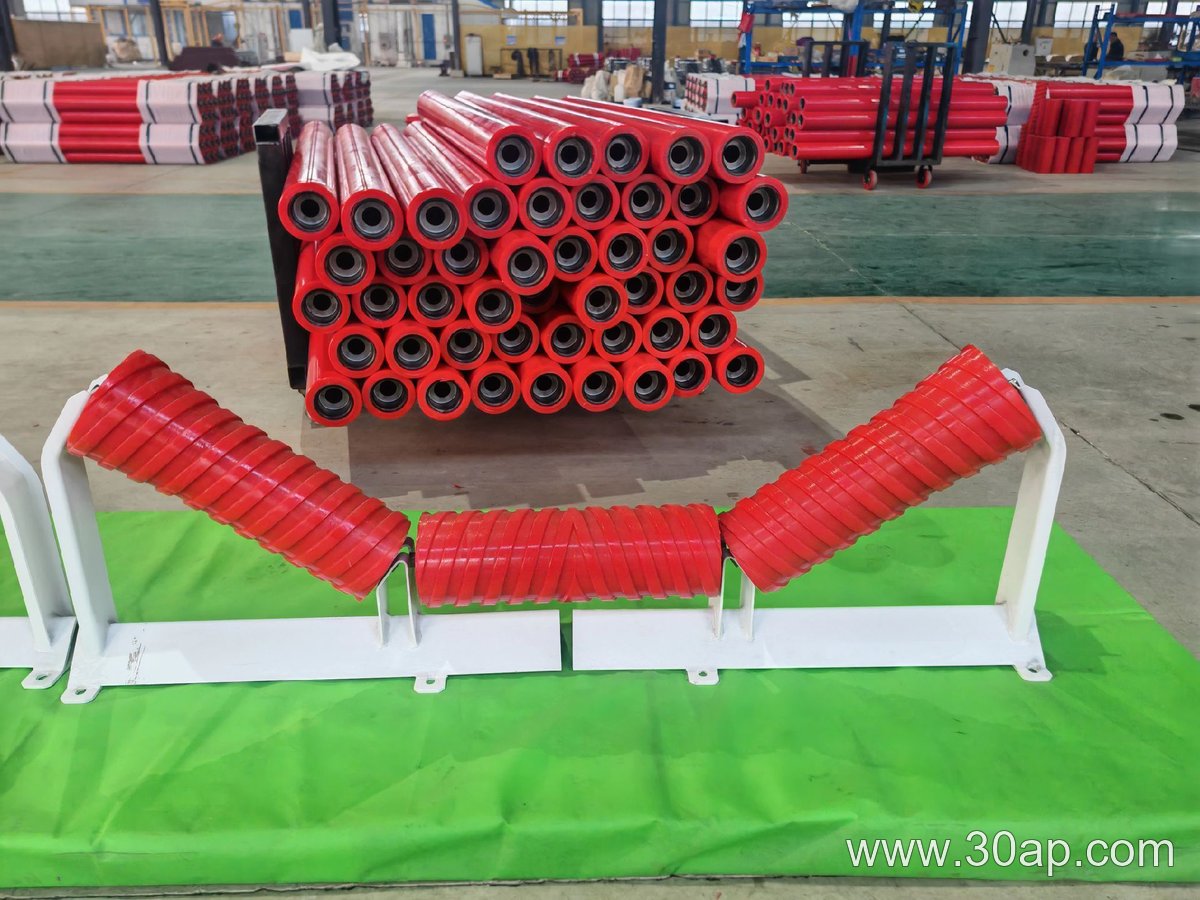
A conveyor idler bracket holds the idler shaft or bearing housing at the correct height and angle. On a troughing idler set, three brackets—one center and two wing—create the trough profile that keeps material centered. On a return idler, a simpler bracket supports the roll from below. Because the bracket connects the idler to the conveyor stringer, it also transfers the belt load and impact forces into the frame.
Construction of a Typical Bracket
Most conveyor idler brackets are made from bent or welded steel plate, often 3 mm to 8 mm thick depending on load. The design usually includes:
- A base plate with slotted or drilled holes for bolting to the stringer.
- An angled or vertical support that sets the idler position.
- Notches, tabs, or pins that lock the idler shaft against rotation and axial movement.
- A finish—painted, galvanized, or powder-coated—to resist corrosion in cement plant dust and washdown.
Some brackets are adjustable, allowing field correction of belt tracking. Others are fixed and rely on accurate frame alignment during installation.
Why It Matters in a Cement Plant
Cement plant conveyors often run continuously and carry hot clinker or fine, abrasive raw meal. A conveyor idler bracket that loosens or corrodes can tilt the idler, causing the belt to mistrack, spill material, and wear the belt edge. A failed bracket can also drop an idler onto the return strand. Selecting a bracket with the right hole pattern, load rating, and corrosion protection keeps the idler set stable and serviceable. For plant engineers, the practical check is simple: confirm that the bracket matches the idler shaft diameter, the stringer hole spacing, and the belt width before installation.
FAQ
Is a conveyor idler bracket the same as an idler frame?
No. The idler frame is the complete assembly that holds multiple idlers; the bracket is the individual mounting piece that attaches one idler or idler end to the frame or stringer.
Can one bracket type fit all idler positions?
No. Troughing, impact, training, and return positions use different bracket shapes and angles. The bracket must match the idler type and the conveyor’s trough angle.
What is the most common cause of bracket failure?
Loose fasteners and corrosion are common causes. In dusty cement service, material buildup around the bracket can also prevent proper idler seating and accelerate wear.
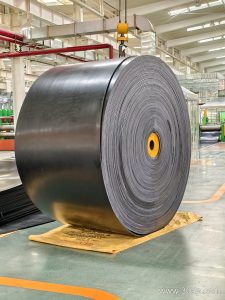
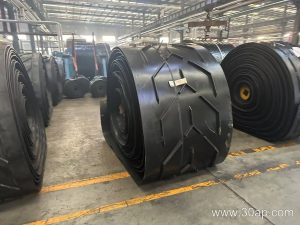
Grouping conveyor belts is not academic. In a dusty quarry, the wrong class fails early or costs too much. The practical split follows construction, duty, and performance. Each group answers a different question: what carries the load, how hard it works, and what environment it must survive. This article explains those groups and when each is used.
Construction-Based Groups
Construction defines the belt’s skeleton: the carcass. The cover protects it.
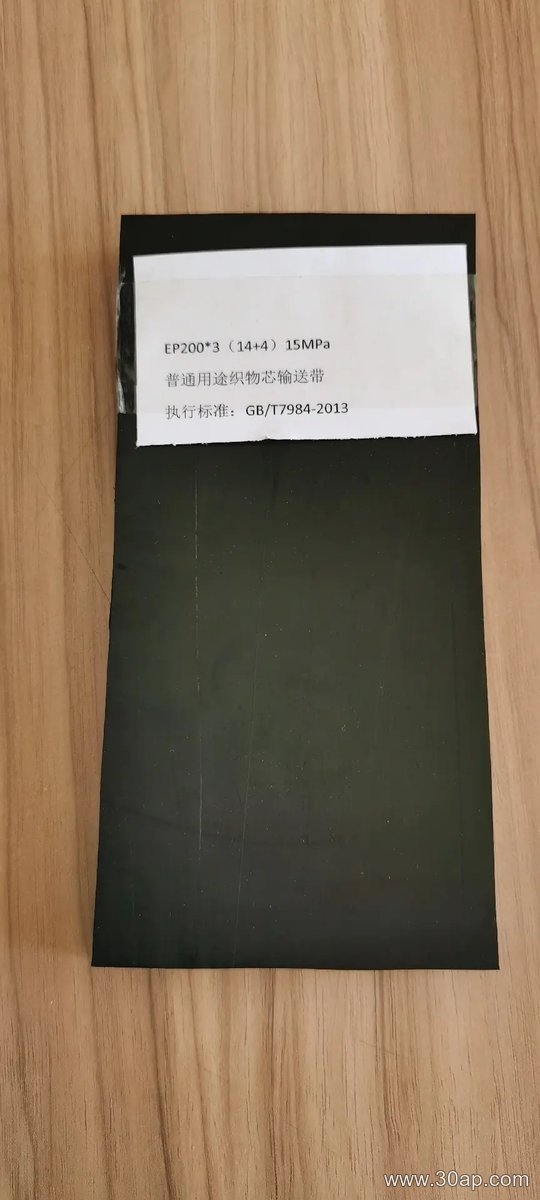
- Fabric carcass belts use multiple plies of woven fabric. They handle moderate tension and are common on shorter conveyors, mobile crushers, and stackers. In a quarry, a fabric belt works well where impact is moderate and the route has curves or transitions.
- Steel cord belts embed steel cables in rubber. They carry very high tension over long distances. A quarry using a long overland conveyor to a primary stockpile typically needs this group. Steel cord resists stretch, but it tolerates less sharp-edged impact than a heavy fabric belt without a thick cover.
Duty-Based Groups
Duty describes how the conveyor belt is used, not just what it is made of.
- Light-duty belts move small, non-abrasive loads at low speed. They appear on package lines, not on quarry feed.
- Medium-duty belts handle screened rock, sand, and recycled material. A wash plant discharge belt often falls here.
- Heavy-duty belts take primary crushed rock, lump ore, and high impact. At a dusty quarry, the belt under the jaw crusher is heavy-duty by definition.
Performance-Based Groups
Performance groups address environment and safety.
- Abrasion-resistant belts use a wear-resistant cover. Silica dust and sharp stone make this group the default in a quarry.
- Flame-retardant belts resist flame spread. They are used underground or where fire risk is high, such as a coal handling route. A mining flame retardant conveyor belt is a performance class, not a construction class.
- Heat-resistant belts handle hot clinker or asphalt. They are not needed for ambient quarry rock.
- Oil-resistant belts resist swelling from oily loads.
Using the Groups Together
A real specification combines groups. A dusty quarry might use a heavy-duty, abrasion-resistant fabric belt on a mobile crusher and a steel cord belt on the long overland run. An underground coal mine might require an underground coal mining conveyor belt that is flame-retardant and also rip-resistant. The groups do not compete; they stack.
When selecting, ask three questions in order: How far and how much tension? How hard and how sharp is the impact? What is the environment? The answers point to a construction group, a duty group, and a performance group. That is the classification that matters on site.
Idler Roller Specification and Supplier Evaluation for Port Conveyors
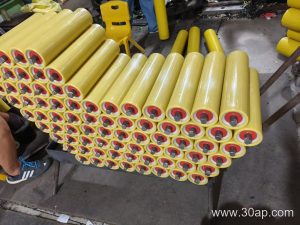
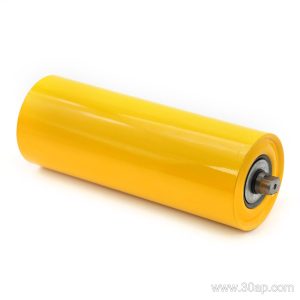
At a bulk-material port terminal, a conveyor moving iron ore or coal relies on hundreds of idler rollers. A weak specification or an unreliable supplier can cause frequent stoppages. This guide explains how to prepare a clear idler roller specification and evaluate a Chinese supplier before placing an order.
Preparing the Idler Roller Specification
Start with the operating conditions. For a port terminal, note the belt width, material load, speed, and environmental factors such as salt air and dust. Then define the idler roller in measurable terms:
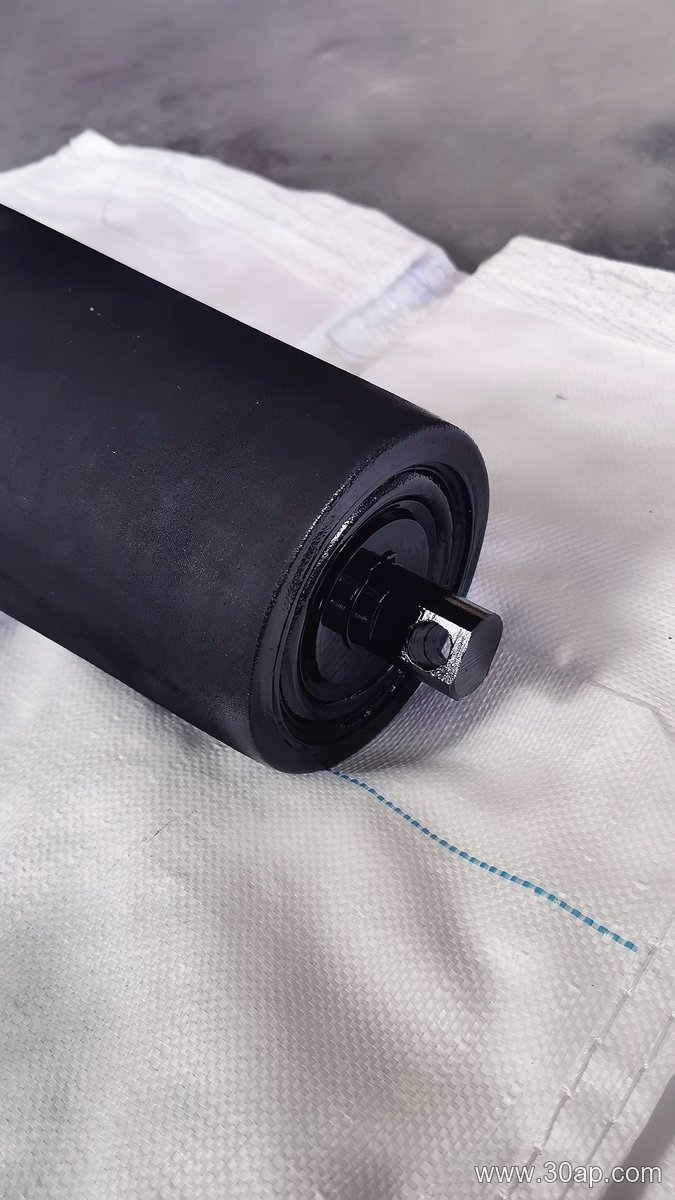
- Roller diameter and length – match the belt width and trough angle.
- Shaft diameter and material – often 20 mm or 25 mm for heavy duty; specify steel grade if needed.
- Bearing type and size – for example, a 6206 bearing idler is common in medium-duty port conveyors. State the required bearing clearance and seal type (labyrinth or contact).
- Tube material and thickness – steel or polymer; wall thickness affects load capacity.
- Coating or finish – paint, galvanizing, or polymer for corrosion resistance.
- Radial runout and concentricity – set a limit, such as 1.0 mm TIR, to avoid belt tracking issues.
- Balancing and dynamic load rating – specify if the roller will run at high speed.
Also state the number of rollers per set if using a five-roll idler set for wide belts. Include marking, packaging, and documentation requirements.
Evaluating a Chinese Idler Roller Supplier
Once specifications are clear, assess suppliers on capability, not just price. Request a sample and a test report for the exact idler roller model. Check the factory’s quality control process: bearing press-fit, welding, and dynamic balancing. Ask about raw material traceability for the tube and shaft. Verify that the supplier can provide dimensional inspection reports and load test data. For port terminal use, confirm the corrosion protection method. A supplier that cannot explain seal design or bearing clearance is a risk. Also review communication speed, willingness to sign a quality agreement, and lead time. Do not rely on claims; request evidence of past orders for similar heavy-duty conveyors. Finally, compare total cost of ownership—a cheaper idler roller that fails early costs more in downtime.
Which Conveyor Pulley Type Fits Which Duty in a Mineral-Processing Plant?
A conveyor pulley is not a single commodity. In a mineral-processing plant, the same belt circuit may call for a different conveyor pulley at the head, tail, take-up and bend positions. Grouping pulleys by construction, duty and performance makes selection clearer, because each group solves a distinct mechanical problem.
Pulleys Grouped by Construction
Construction determines how a conveyor pulley sheds material, grips the belt and handles load.
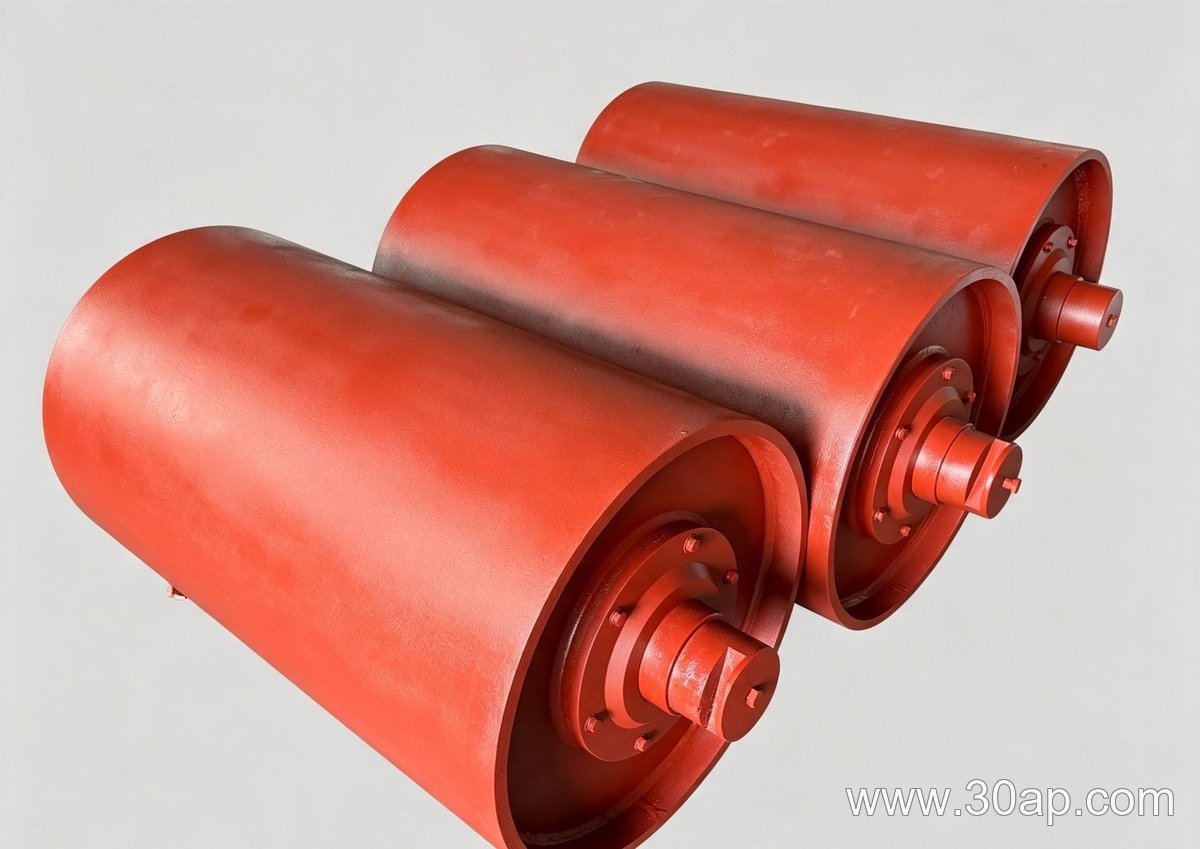
- Drum pulleys use a continuous cylindrical shell. They suit head and drive positions where full belt contact and high torque transmission are needed.
- Wing pulleys use angled slats instead of a solid shell. They are chosen for tail and snub positions in sticky or lumpy service, where self-cleaning matters more than grip.
- Spiral or cage pulleys offer a middle path, combining partial self-cleaning with a more continuous belt support surface.
Pulleys Grouped by Duty and Performance
Duty describes what the conveyor pulley must endure, not just where it sits.
Drive duty
A drive or head conveyor pulley transmits motor torque through the belt. It usually needs a robust shaft, hub and locking assembly, plus lagging to raise friction. In a hypothetical mineral-processing plant, a coarse-ore primary belt might use a rubber-lagged drum pulley here.
Tail and snub duty
A tail conveyor pulley turns the belt back and often works in the dirtiest part of the circuit. Wing construction is common when fines and wet ore would pack against a solid shell. A bend pulley, by contrast, changes belt direction with a modest wrap angle and is often a plain drum.
Abrasion, impact and corrosion duty
Lagging selection follows the duty. Plain steel suits light, dry service. Rubber lagging improves grip and cushions impact. Ceramic or grooved lagging can help where slip and abrasive slurry are both present, though it must be matched to belt type and pulley diameter.
Matching Type to Position
Start with the function: drive, direction change, take-up or tail. Then check belt tension, wrap angle, material stickiness and washdown practice. A conveyor pulley chosen for grip at the head may be a poor choice at a wet tail, where self-cleaning saves labor. Conversely, a wing pulley at a high-torque drive position usually cannot provide enough contact.
In short, classify by construction first, confirm by duty second, and verify against the actual belt and material conditions. That sequence keeps the conveyor pulley choice grounded in the plant’s real operating environment.