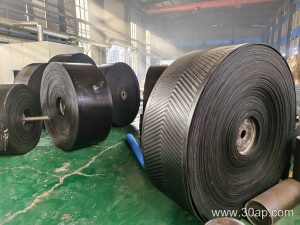
What Should Be Checked Before a New Conveyor Belt Starts Running?
A new conveyor belt rarely mistracks because of the belt itself. In a cement plant, most startup problems trace back to frame preparation, pulley alignment and loading conditions that were never verified before the first tonne of clinker moved.
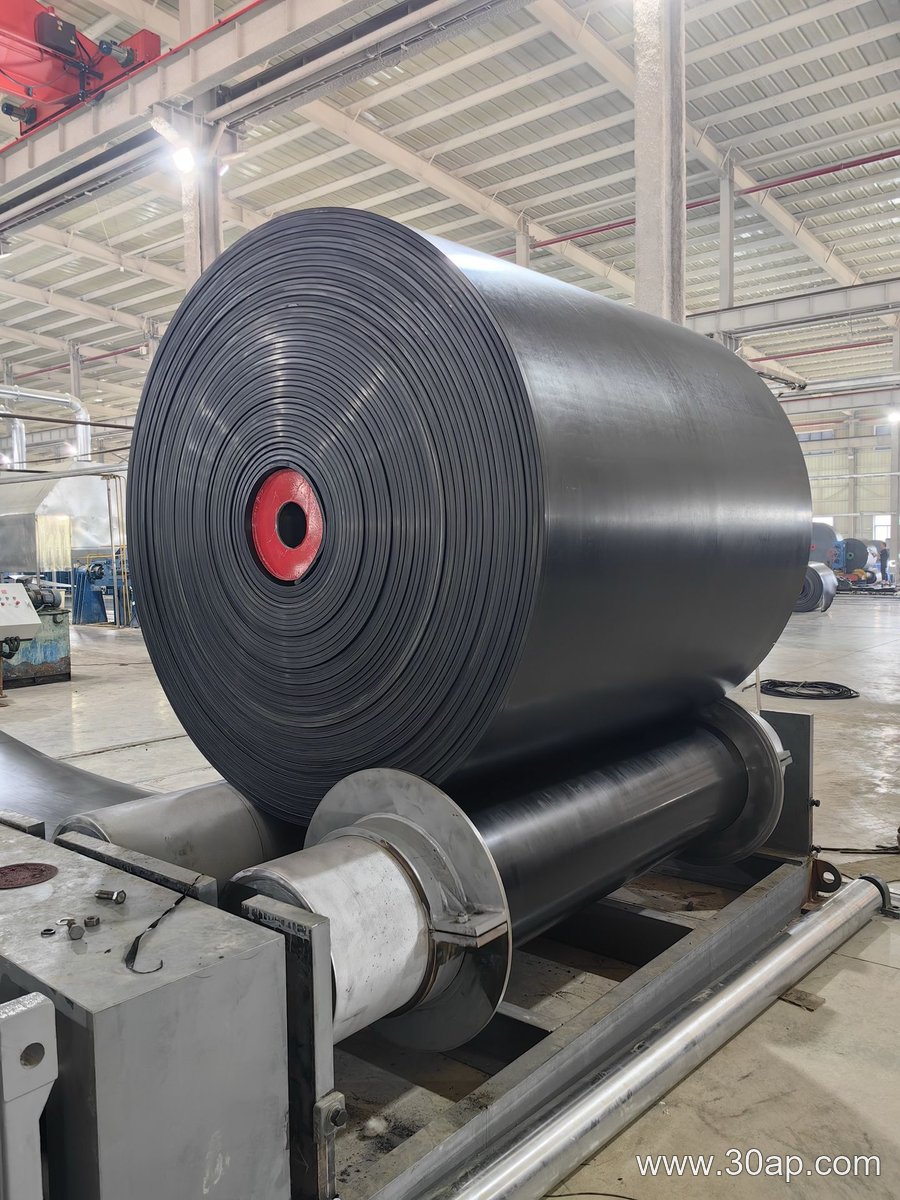
Preparation and Mounting Checks
- Confirm the structure is level and square, and that idlers sit perpendicular to the belt centreline.
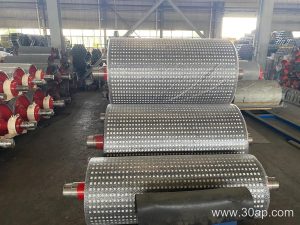
- Inspect pulleys for parallel shafts and correct crowning before pulling the conveyor belt into place.
- Check that the belt is stored and handled without sharp bends that could damage the carcass.
Alignment and Commissioning
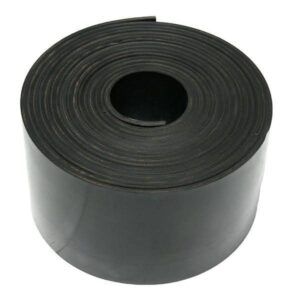
Align the conveyor belt so the splice is square and tension is even across the width. Run slowly at first, watch the belt through the load zone, and correct tracking with idler adjustment rather than over-tensioning. Only then apply full material load.
Sealing and drainage in wet outdoor duty
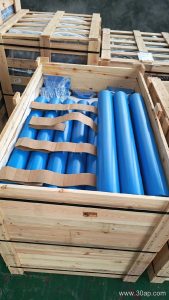
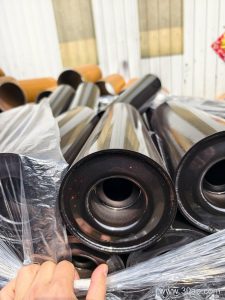
A sealed idler roller resists rain, washdown, and slurry splash by keeping water out of the bearing housing. The trade-off is drag and heat retention. Labyrinth seals shed water but add friction; contact seals block finer mist but wear faster. In a wet outdoor conveyor, choose a sealed idler roller with a drain path so condensation cannot pool. Hypothetical example: a 150 mm roller at 2 m/s may see 60°C under load—enough to push grease past a poor seal. Venting and grease choice matter as much as the seal type.
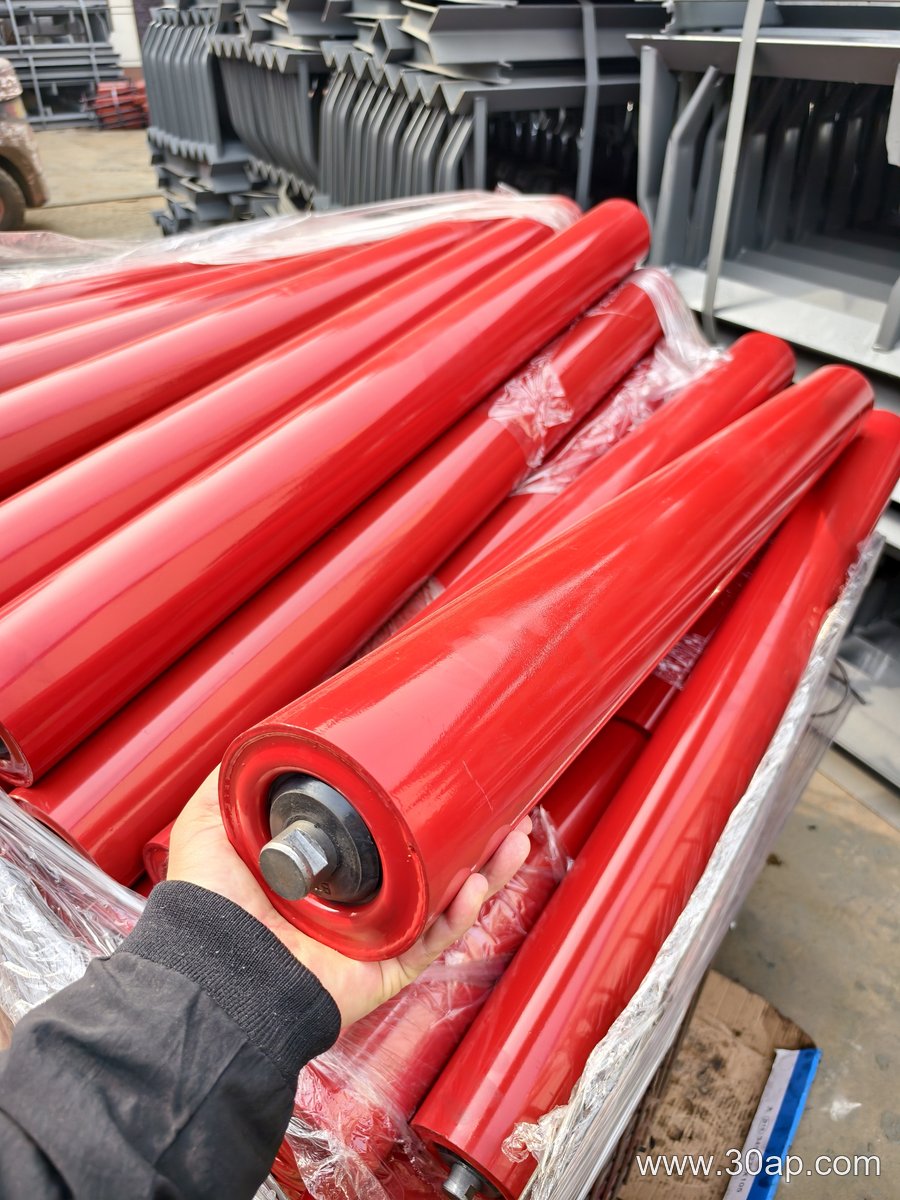
Materials and corrosion trade-offs
Polymer shells avoid rust but can crack under impact; stainless steel resists corrosion but costs more and may gall. For wet outdoor conveyors, a sealed idler roller with a polymer end cap and stainless shaft often balances life and cost, provided the bearing housing remains protected.
Why a Sealed Conveyor Pulley Is Not the Same as a Grit-Proof One
Many assume any sealed conveyor pulley keeps dust out. In a quarry, fine grit still enters through breathing gaps as the pulley heats and cools.
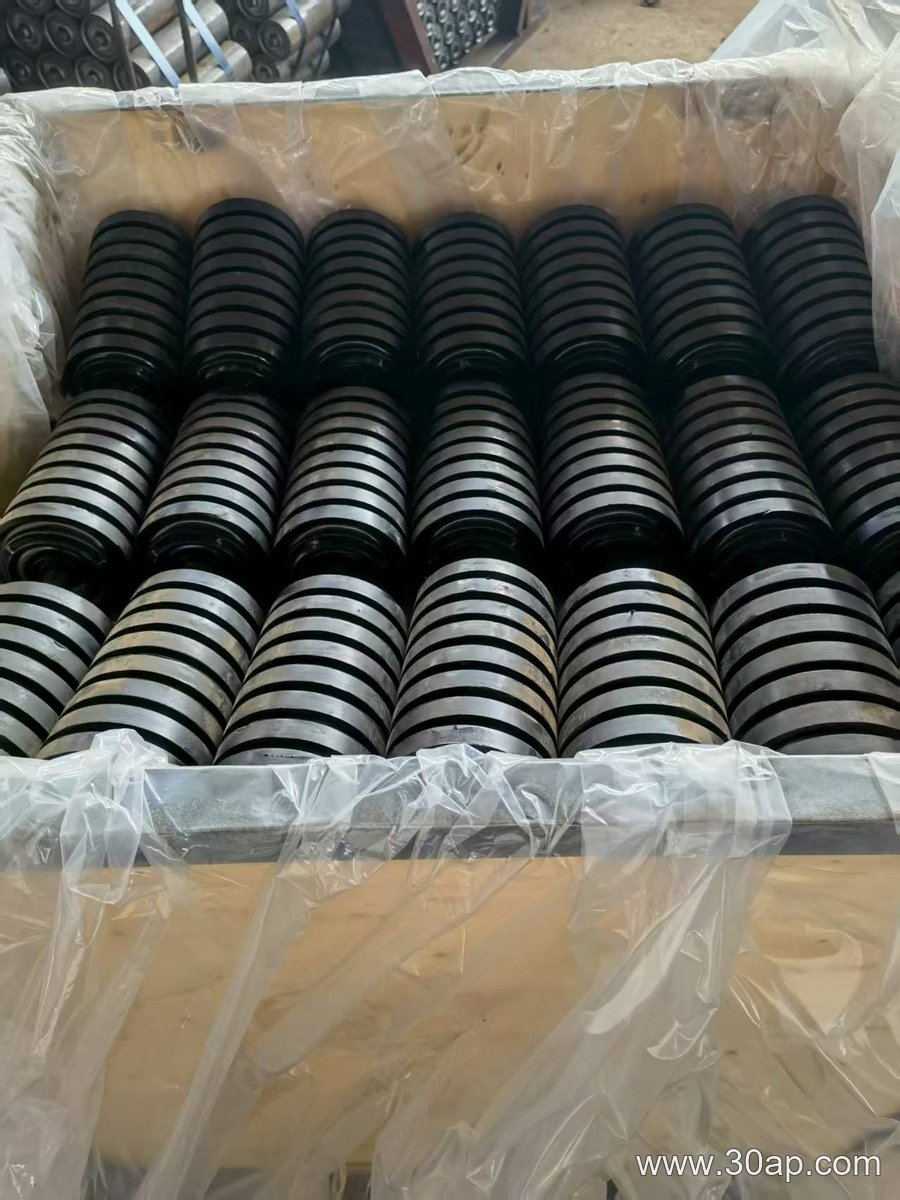
The solution: positive pressure and purge ports
A conveyor pulley with a grease-purge path and labyrinth seals pushes grit away before it reaches the bearings. Hypothetical example: a 500 mm diameter pulley running 16 hours per day may need a weekly purge.
- Check seal wear monthly
- Confirm purge ports stay clear
- Monitor bearing temperature
Does a conveyor bracket need a shim under the idler?
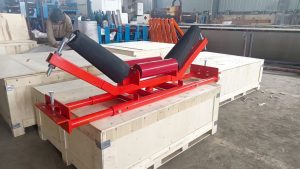
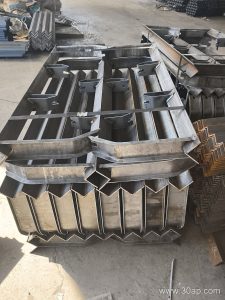
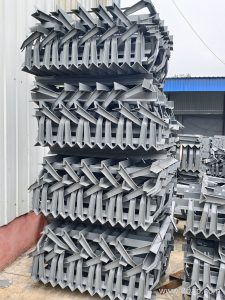
Often, yes. A conveyor bracket sets the idler’s height and tilt; a thin shim between bracket and stringer fine-tunes both. Suppose a hypothetical packing line runs slightly low on one side. A shim restores the trough angle without moving the bracket’s bolt pattern.
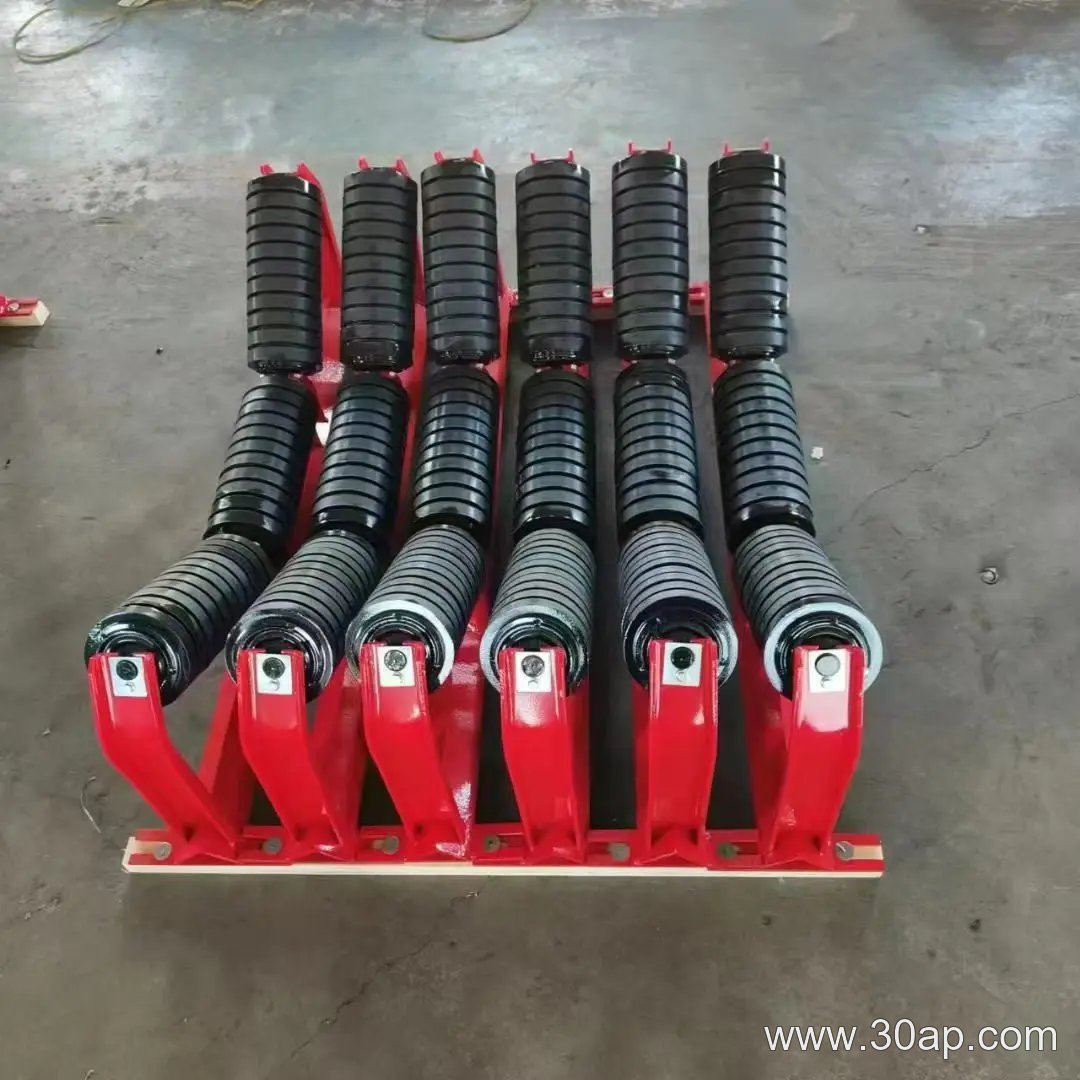
When shimming helps, and when it does not
- Slotted bracket and shim together correct small height differences.
- Large gaps call for a spacer plate or a welded bracket, not stacked shims.
- Shims must cover the full contact face, or the bracket can rock and loosen.
Check bolt torque after any shim change, and confirm the idler axis stays square to the belt.