What an Abrasion Resistant Conveyor Belt Is
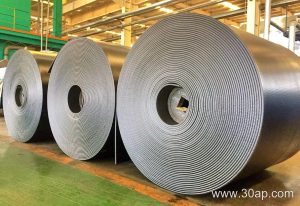
An abrasion resistant conveyor belt is a heavy-duty rubber belt built to resist surface wear when it carries sharp, hard or fast-moving bulk materials. In mines, quarries, cement works, power plants and sand and gravel yards, the belt surface is constantly rubbed by rock, clinker, coke or ore. A standard belt may wear thin quickly in these conditions, while an abrasion resistant conveyor belt uses a tougher cover compound to keep its working surface intact for longer. It is often specified as a high abrasion resistant conveyor belt where impact and sliding wear occur together.
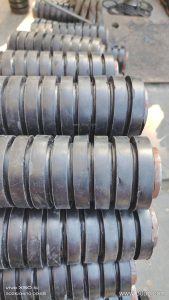
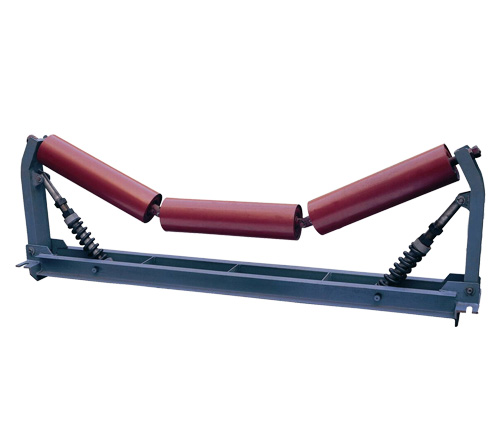
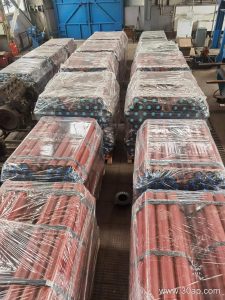
The product is still a conveyor belt in the normal sense: it runs over a drive pulley, tail pulley and bend pulleys, supported by idler rollers and held in line by conveyor brackets and frames. The difference lies mainly in the cover rubber and the carcass selected for the duty.
How the Belt Is Built
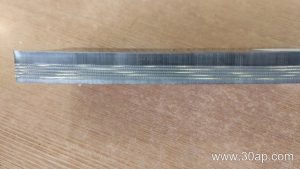
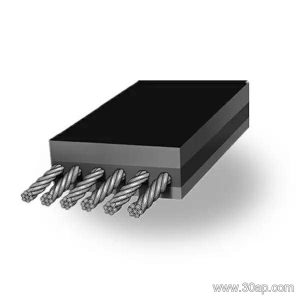
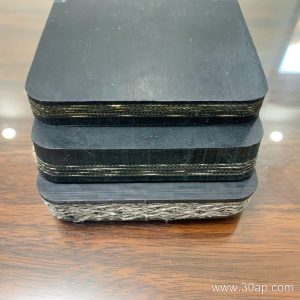
Most abrasion resistant belts use a fabric core or steel cord carcass with a wear-resistant top cover and a thinner bottom cover. The carcass provides tensile strength; the cover absorbs the rubbing action of the load. Common constructions include EP (polyester-nylon) fabric, NN (nylon-nylon) fabric and steel cord. A multi-ply fabric core is common for general heavy duty, while a steel cord belt suits long conveyors and high tension.
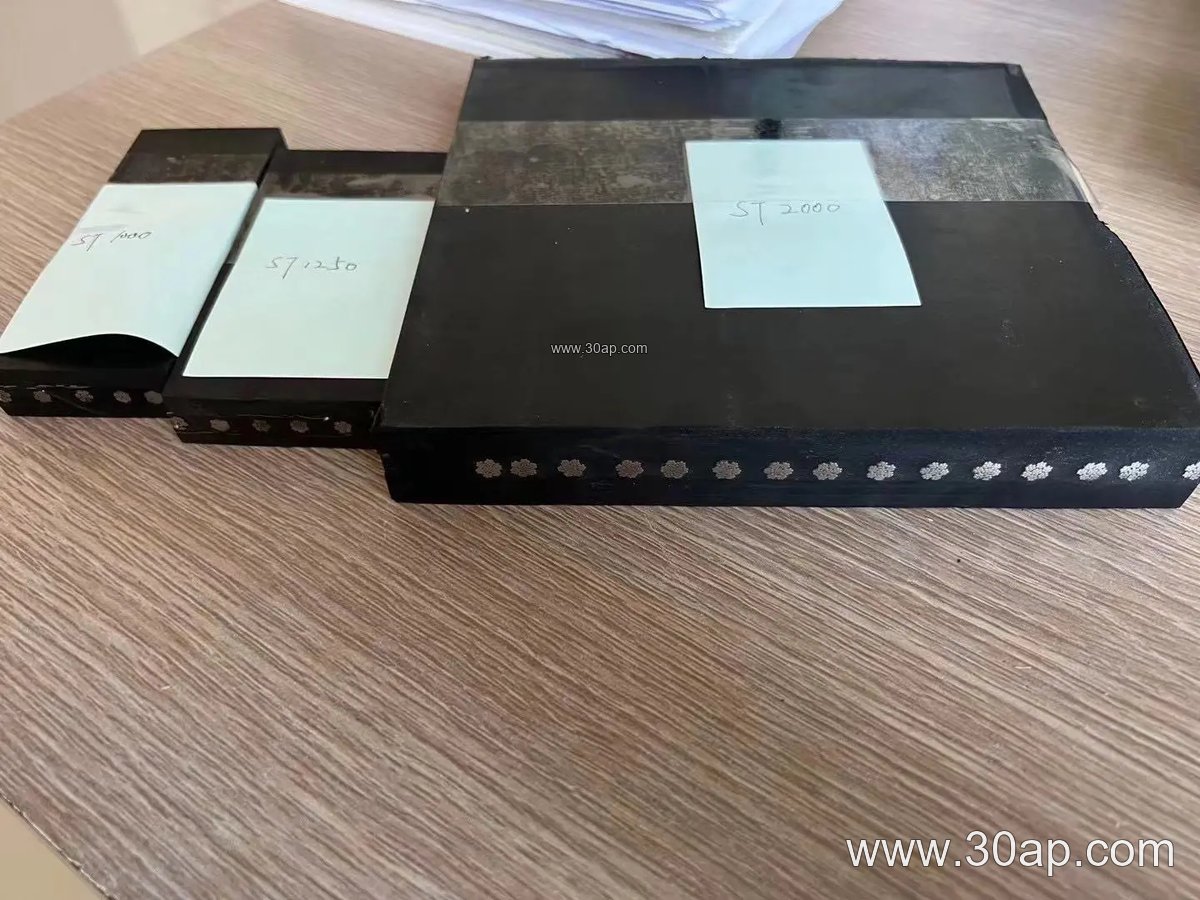
Cover thickness is usually chosen by duty. Typical cover combinations are 4+2 mm, 5+2 mm, 6+2 mm and 8+3 mm, with the first figure being the top cover. The carcass may have 2 to 6 plies depending on the required strength. These are common references, not fixed rules; final construction is set by the conveyor design.
Reference Parameters
| Item | Common Range |
|---|---|
| Belt type | EP, NN, steel cord, PVG |
| Strength grade | EP200 to EP2000, ST1000 to ST3150 |
| Belt width | B500, B650, B800, B1000, B1200, B1400, B1600, B1800, B2000 |
| Top / bottom cover | 4+2, 5+2, 6+2, 8+3 mm |
| Fabric plies | 2 to 6 |
Widths such as 800 mm, 1000 mm, 1200 mm and 1400 mm are common in aggregate and cement plants. Wider belts like 1800 mm or 2000 mm appear on large bulk terminals. A given width does not dictate one pulley diameter; the pulley size is matched to belt tension, carcass and load, not to width alone.
Where It Is Used
Typical duties include primary crushing discharge, screen feed, stacker and reclaimer lines, and transfer points in a quarry conveyor belt or crusher conveyor belt system. In coal mining, a flame retardant conveyor belt with abrasion resistant covers is often required underground, and anti-static properties may also be specified. Cement plants use abrasion resistant belts for clinker and limestone, while power plants use them for coal and ash handling.
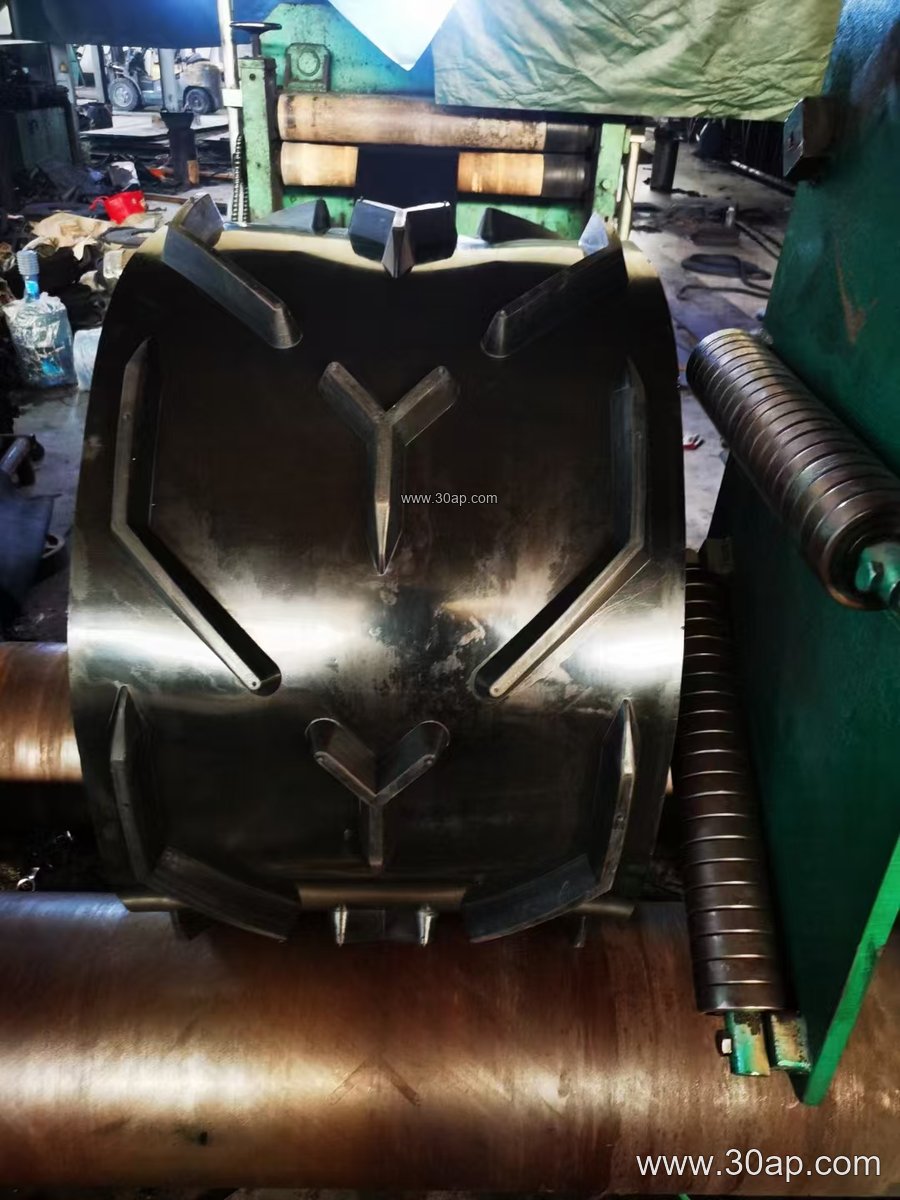
Because the load is abrasive rather than hot or oily, this belt is usually chosen over a heat resistant conveyor belt or oil resistant conveyor belt unless those conditions also apply. In cold climates, a cold resistant conveyor belt may be needed, and in wet or sticky service a chevron conveyor belt or corrugated sidewall conveyor belt can help control material. These are separate designs, not replacements for the abrasion resistant type.
Buyer Checklist
- Confirm the material: rock, ore, clinker, coke or sand, and its lump size and moisture.
- Check the required strength grade, such as EP400, EP630 or EP1000, against the conveyor tension.
- Choose cover thickness by wear rate and impact; 6+2 mm or 8+3 mm is common in severe duty.
- Match belt width to the conveyor, and let the pulley and idler roller layout follow the design.
- State any flame retardant, anti-static or cold resistance requirement separately.
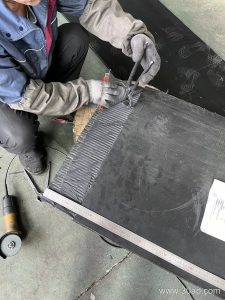
- Ask about splice type, edge condition and cover hardness for the actual duty.
For a reliable selection, share the conveyor layout, load data and working environment with the supplier. An abrasion resistant conveyor belt performs best when the cover compound, carcass and pulley system are chosen together.