What the 1800mm Wide Conveyor Belt Is
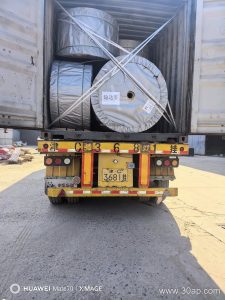
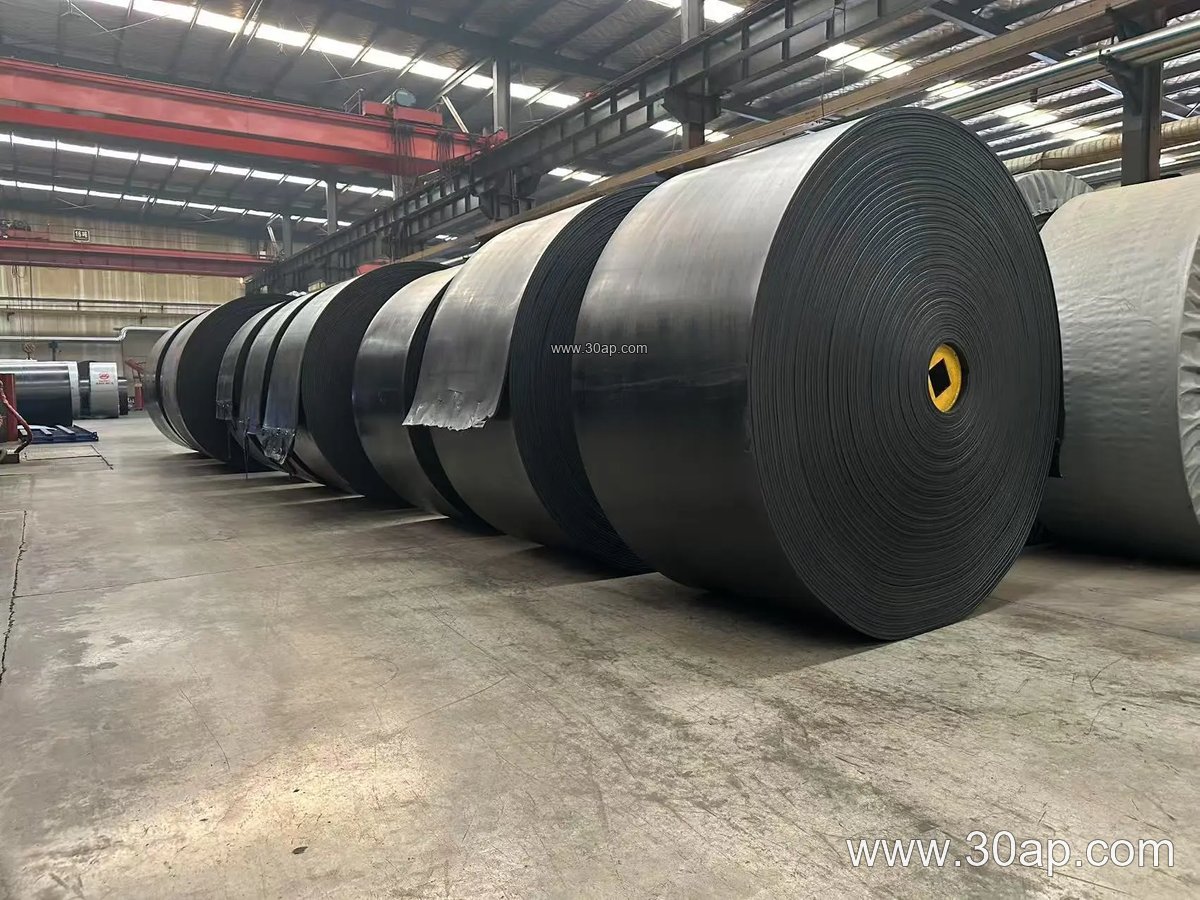
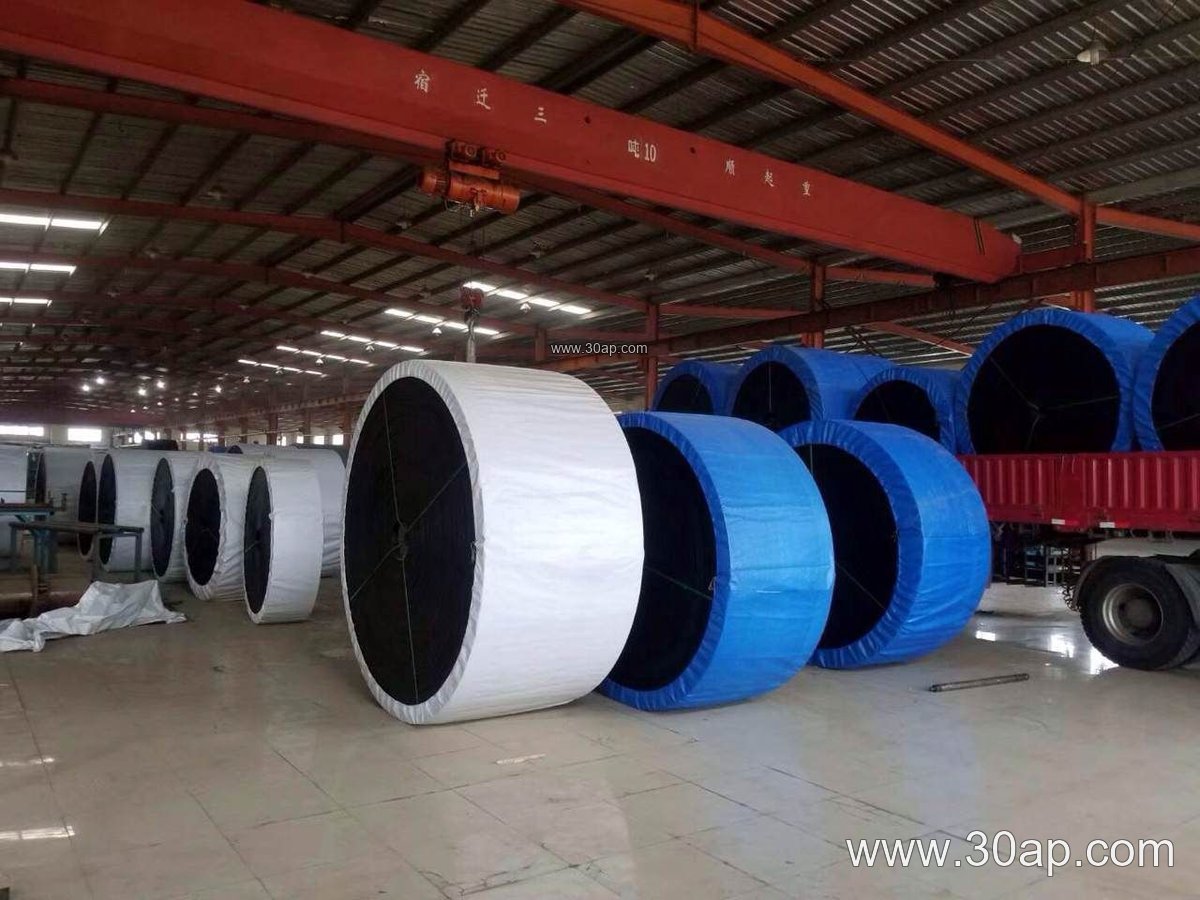
An 1800mm wide conveyor belt is a heavy-duty, extra-wide belt built for conveying lines that need to move large volumes of bulk material in a single pass. At 1.8 meters across, it sits among the wider standard options, above the 1400mm and 1600mm sizes and below the 2000mm and 2200mm formats. In practice, plants choose this width when a narrower belt would force higher belt speed or multiple parallel lines to reach the required tonnage.
The belt is usually supplied as an EP conveyor belt, an NN conveyor belt, or a steel cord conveyor belt, depending on the load and the conveyor geometry. Each of these is a fabric or cord-reinforced rubber belt, but they behave differently under tension, so the choice belongs to the conveyor design rather than to the belt alone.
How the Belt Is Built
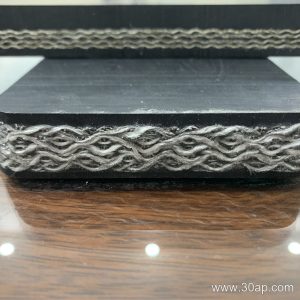
A typical 1800mm wide belt combines a carcass, a top cover, and a bottom cover. The carcass carries the tension; the covers protect it from abrasion, heat, oil, or moisture. Fabric-core belts normally use two to six plies, while steel cord belts use a single layer of parallel cords.
Cover thickness is usually given as a pair, for example 4+2 mm, 5+2 mm, 6+2 mm, or 8+3 mm. The first figure is the top cover, which faces the material; the second is the bottom cover, which runs over the idler rollers. Many aggregate and mining lines select a thicker top cover and a moderate bottom cover.
| Property | Common reference range |
|---|---|
| Belt width | 1800 mm (B1800) |
| Carcass type | EP fabric, NN fabric, steel cord |
| Fabric plies | 2 to 6, by design |
| Strength grades (EP) | EP200 to EP2000, selected by design |
| Cover thickness | 3+1.5, 4+2, 5+2, 6+2, 8+3 mm |
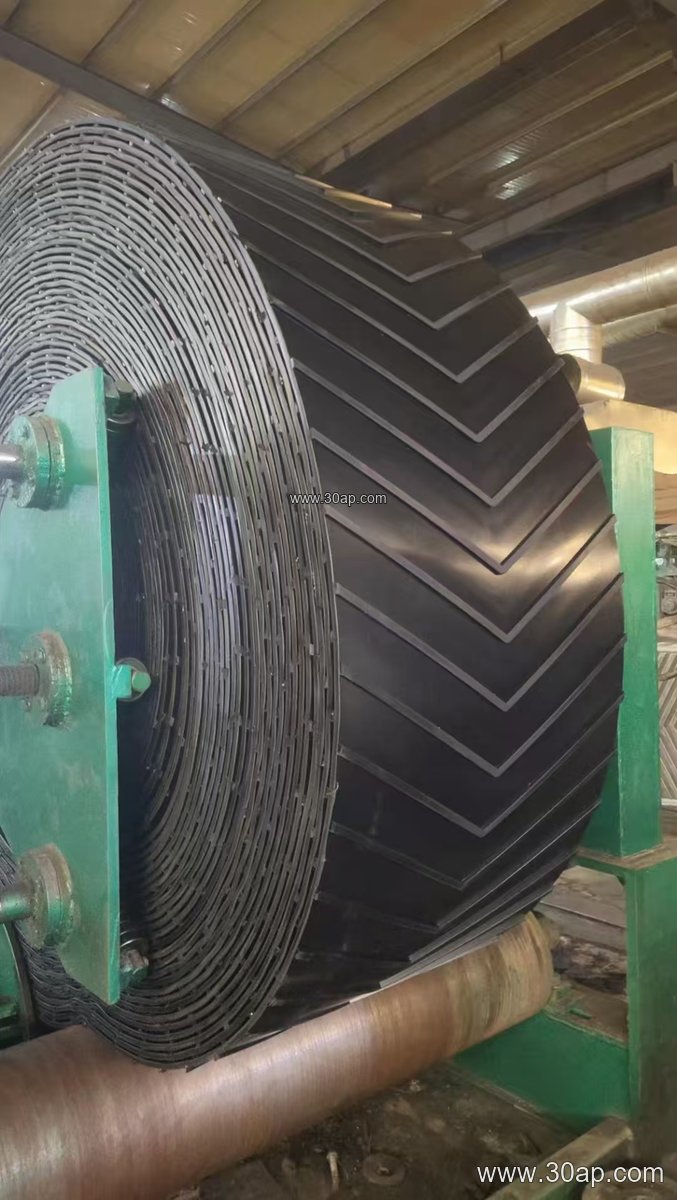
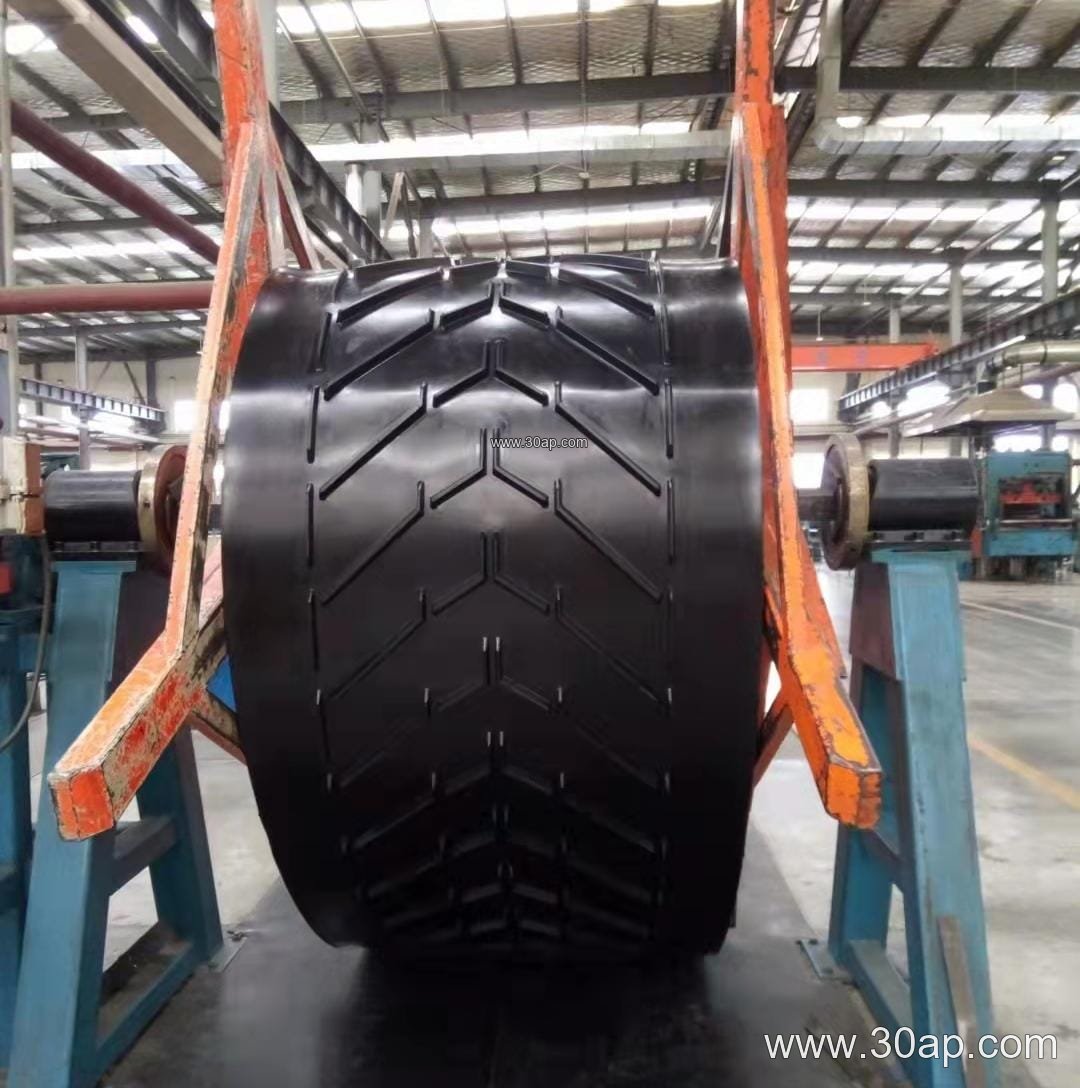
| Surface options | smooth, chevron, corrugated sidewall, skirted |
Where It Fits in the Plant
Wide belts appear in mines, coal preparation plants, cement works, power stations, ports, and large sand and gravel operations. A quarry conveyor belt or aggregate conveyor belt at this width can take crusher discharge directly, reducing the need for a transfer point. In a coal mining conveyor belt system, flame retardant and anti-static grades are often specified for underground service, while a cement plant typically favors abrasion resistant and heat resistant grades near kiln areas.
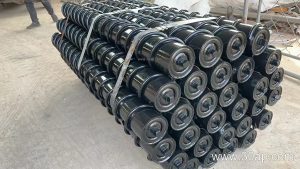
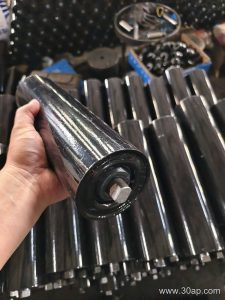
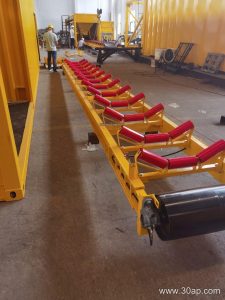
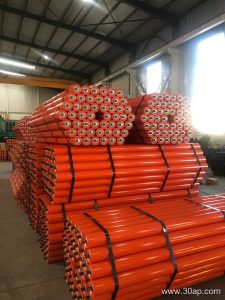
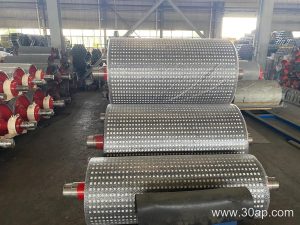
The belt rarely works alone. It runs over a drive pulley, tail pulley, and bend pulleys, and rests on idler rollers carried by conveyor brackets. These parts are distinct: a drive pulley transmits torque, a tail pulley sets the return end, and a bend pulley changes direction. Troughing idlers shape the belt into a channel so the load stays centered, which matters more as width increases.
Selection Points for Buyers
- Load and lump size. Coarse rock and ore need a thick top cover and impact-resistant construction; fine cement or sand may allow a lighter cover.
- Tension demand. Long, steep, or heavily loaded conveyors may call for a steel cord conveyor belt, while medium-duty lines often use a multi-ply fabric core conveyor belt such as an EP1000 or EP1250 grade.
- Environment. Choose flame retardant, oil resistant, cold resistant, or heat resistant covers to match the site. A pipe conveyor belt is a different concept and is mentioned here only as a comparison for enclosed routing, not as a substitute.
- Surface form. A chevron conveyor belt helps on inclines; a corrugated sidewall or skirted belt contains material at the edges. These are options, not requirements.
- Pulley and shaft sizing. Belt width alone does not fix pulley diameter or shaft size. Those come from the conveyor’s tension, wrap angle, and torque calculations.
Installation and Care
Wide belts are heavy and stiff, so splicing and alignment need care. An endless conveyor belt made at the factory reduces field splicing risk, but site splicing is common on long overland lines. Track belt tracking at the tail pulley and check idler rollers for seized bearings, since a single bad roller can misalign a 1.8 m belt quickly. Keep covers free of spilled material and inspect edges for cuts that could let moisture into the carcass.
For buyers comparing suppliers, request the carcass type, ply count, strength grade, cover thickness, and intended service conditions in writing. A belt described only as an 1800mm wide conveyor belt is not enough information for a safe selection, and no single width should be treated as mandatory for every conveyor.