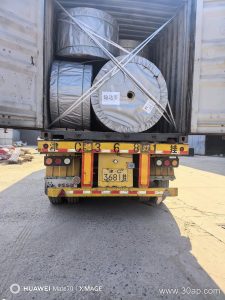
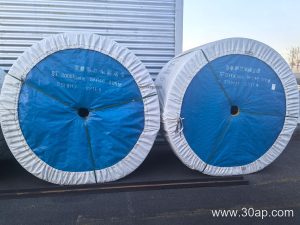
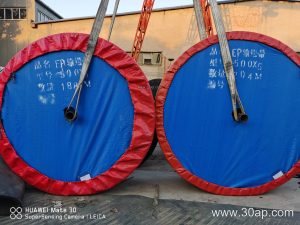
What a PVG Conveyor Belt Is
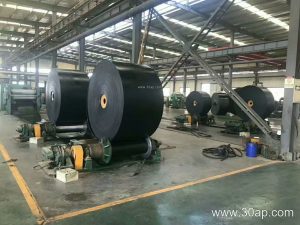
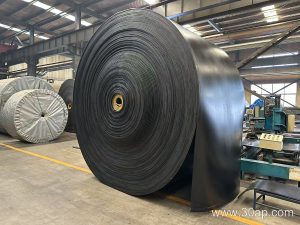
A PVG conveyor belt is a solid-woven fabric core belt with polyvinyl chloride covers, and it is one of the most widely used belts in underground coal mining and other demanding bulk handling operations. The abbreviation stands for the construction itself: a P V G belt combines a strong woven carcass with PVC-based top and bottom covers that are pressed into the fabric under heat and pressure. Unlike laminated belts with separate rubber layers, the PVG conveyor belt is a single, integrated body, which gives it good resistance to moisture, cutting and delamination in wet or dusty environments.
Because the whole belt is flame retardant and anti-static by design in most mining grades, it is often specified for coal mining conveyor systems where safety regulations call for fire resistant and anti-static conveyor belt performance. The same construction is also found in cement plants, power plants, salt and potash mines, and tunnel projects.
How the Belt Is Built
The carcass is usually a multi-ply solid woven fabric, commonly with two to six plies depending on the required strength. The PVC paste penetrates the fabric completely, so the cover and the core act as one body. This is why a PVG belt resists edge wear and impact better than many surface-coated belts of similar thickness.
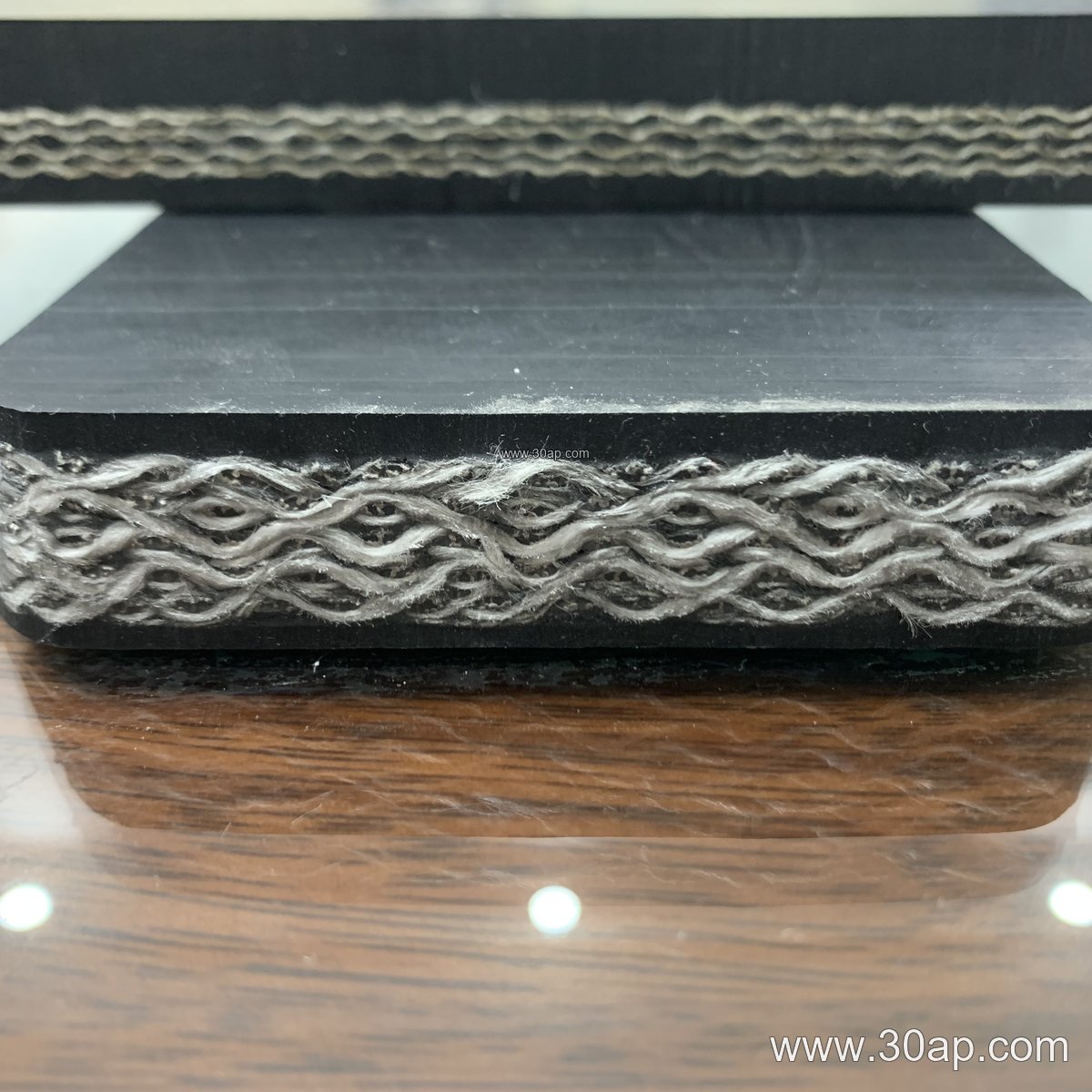
Typical construction data for reference only, since each manufacturer works to its own range:
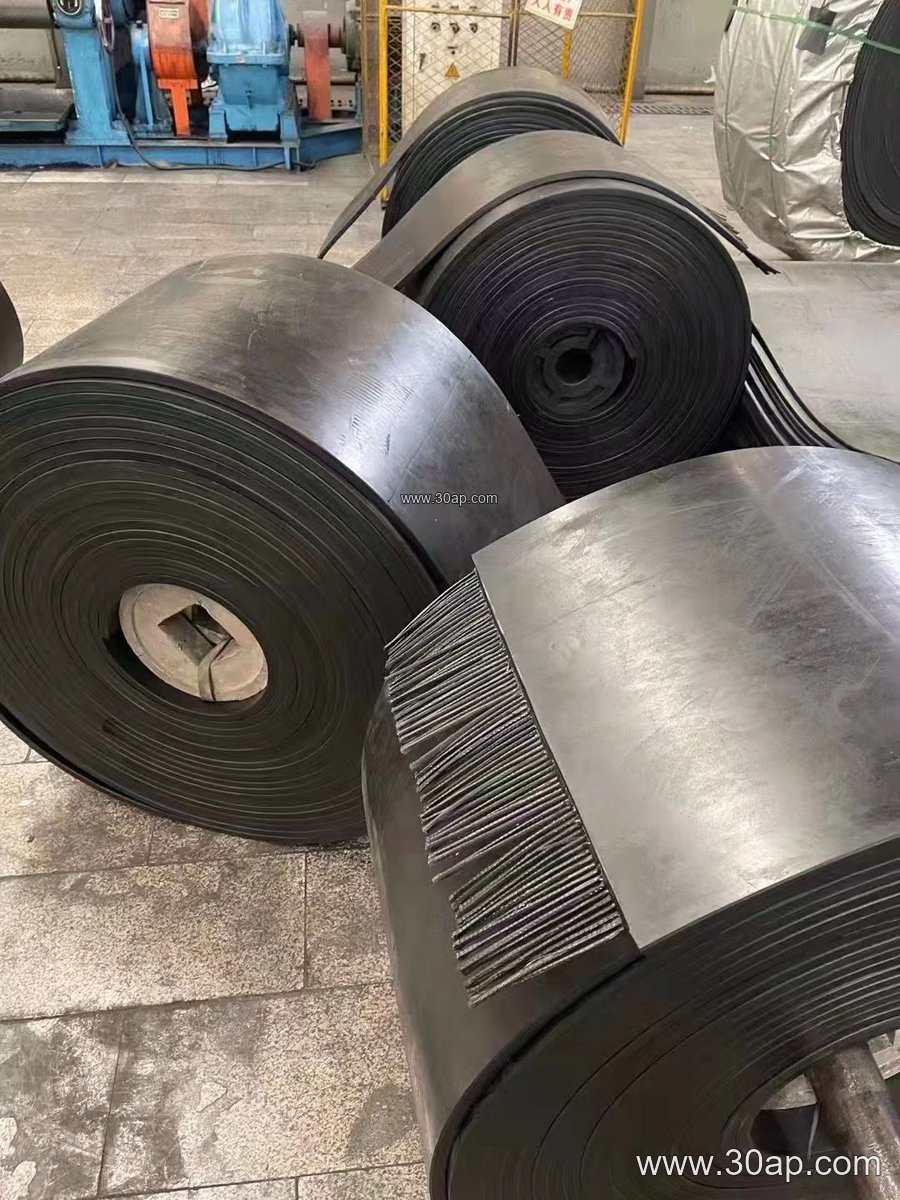
- Cover thickness: commonly 2 to 6 mm total, often 3+1.5 mm or 4+2 mm
- Carcass: solid woven fabric, 2 to 6 plies
- Belt width: B500, B650, B800, B1000, B1200 and wider up to about B2000
- Longitudinal strength: PVG800 and PVG800S are common grades, with higher grades available
The PVG800S designation usually indicates a higher-safety variant with stricter flame retardant and anti-static properties. Buyers should always ask for the actual test data rather than assuming a number means the same thing from every supplier.
Where It Fits on the Conveyor
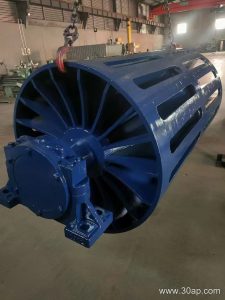
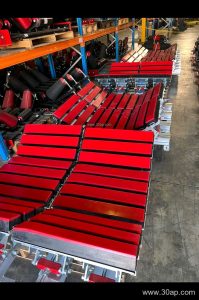
A PVG conveyor belt runs over the same hardware as any other belt: a drive pulley at the head, a tail pulley at the loading point, and bend pulleys along the route. These three pulley roles are not interchangeable, and each one places different demands on the belt. The drive pulley needs good friction and low stretch, the tail pulley needs impact tolerance at the loading zone, and bend pulleys need flexibility so the belt can wrap smoothly. Idler rollers support the carrying and return strands, while conveyor brackets hold the idlers and pulleys in alignment. A well-aligned frame and properly spaced idler roller sets extend belt life more than most cover upgrades.
In a coal mining conveyor or underground coal mining conveyor, the PVG belt typically runs in a troughed profile on three-roller idler sets. In a quarry conveyor or aggregate conveyor, the same belt type may be used where wet conditions and fine dust make textile belts with stitched edges less attractive.
Common Applications
- Underground coal mining and mining conveyor systems
- Cement plants and clinker handling
- Power plant coal feed lines
- Salt, potash and fertilizer plants
- Tunnels and underground construction
- Ports and ship loading where fire safety matters
For heavy abrasive rock, a high abrasion resistant conveyor belt or an EP conveyor belt with thick rubber covers may be a better economic choice. For very long, high-tension routes, a steel cord conveyor belt is usually preferred. The PVG belt sits in the middle: strong enough for most underground work, flexible enough for small pulleys, and safe in flammable atmospheres.
Buyer Checklist
Before ordering, confirm the belt width, the longitudinal strength grade such as PVG800 or PVG800S, the cover thickness, and the required flame retardant and anti-static performance. Check the pulley diameters on the drive, tail and bend positions against the belt manufacturer’s minimum bending recommendations. Ask about splice type, since a properly vulcanized splice keeps full strength, and confirm that the delivered belt matches the specified grade. Store belts in a dry, shaded place and avoid sharp folds during installation.
For more information on matching belts with idlers, pulleys and frames, visit conveyor belt and conveyor pulley resources, or review our idler roller selection notes before finalizing the order.