What an EP500 Conveyor Belt Is
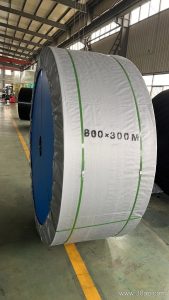
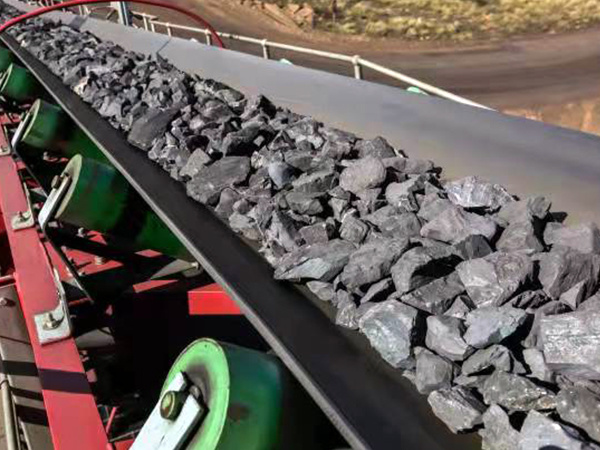
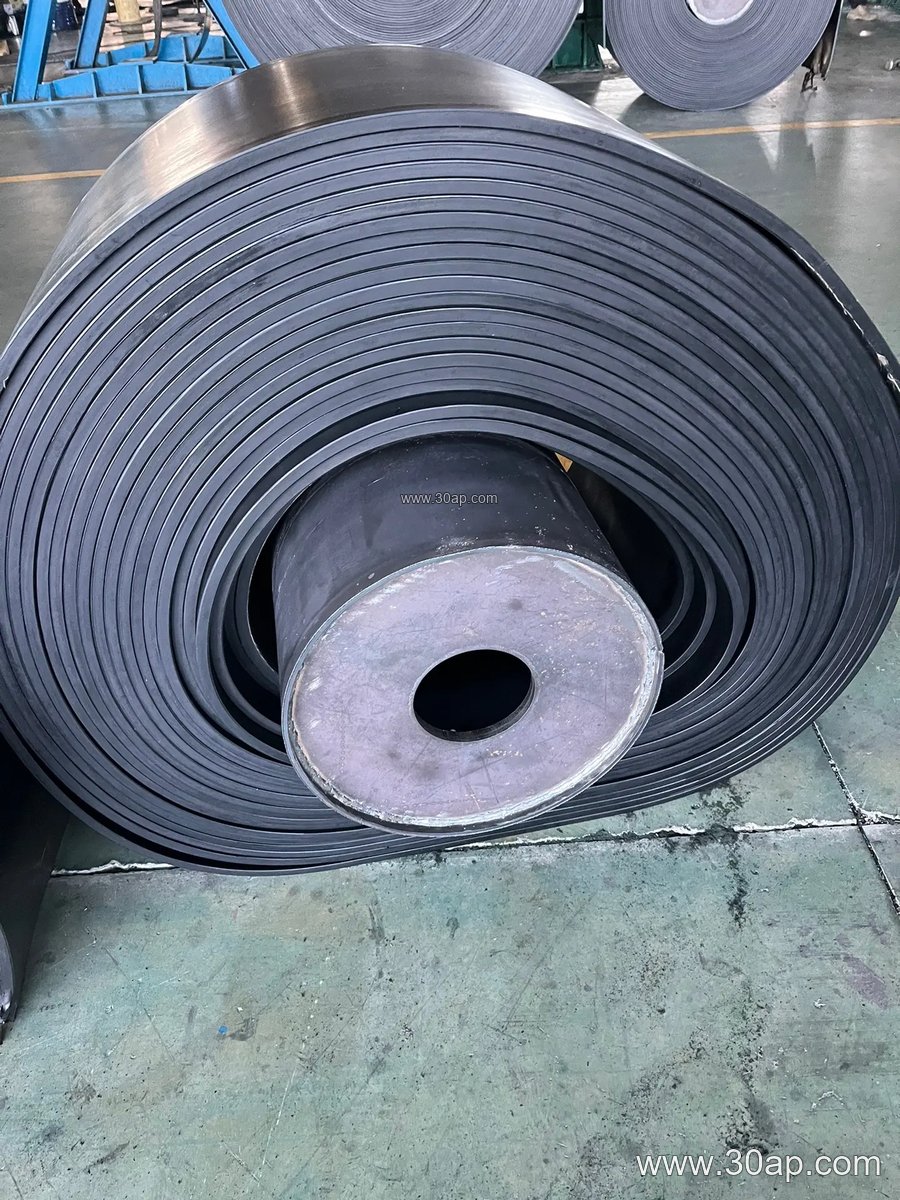
An EP500 conveyor belt is a fabric-reinforced rubber belt built on polyester-cotton (EP) carcass plies. The number 500 refers to the nominal tensile strength of the carcass, commonly expressed in newtons per millimeter of belt width. In practical terms, this places the belt in the medium-to-heavy duty range, making it a frequent choice for main haulage lines in mines, cement plants, power stations, and aggregate yards where loads are steady but not extreme.
Because the carcass is polyester warp and polyamide weft, the belt stretches less in service than a comparable nylon (NN) belt. That lower elongation is one reason it is often preferred on long center distances where take-up travel is limited.
Construction and Cover Compounds
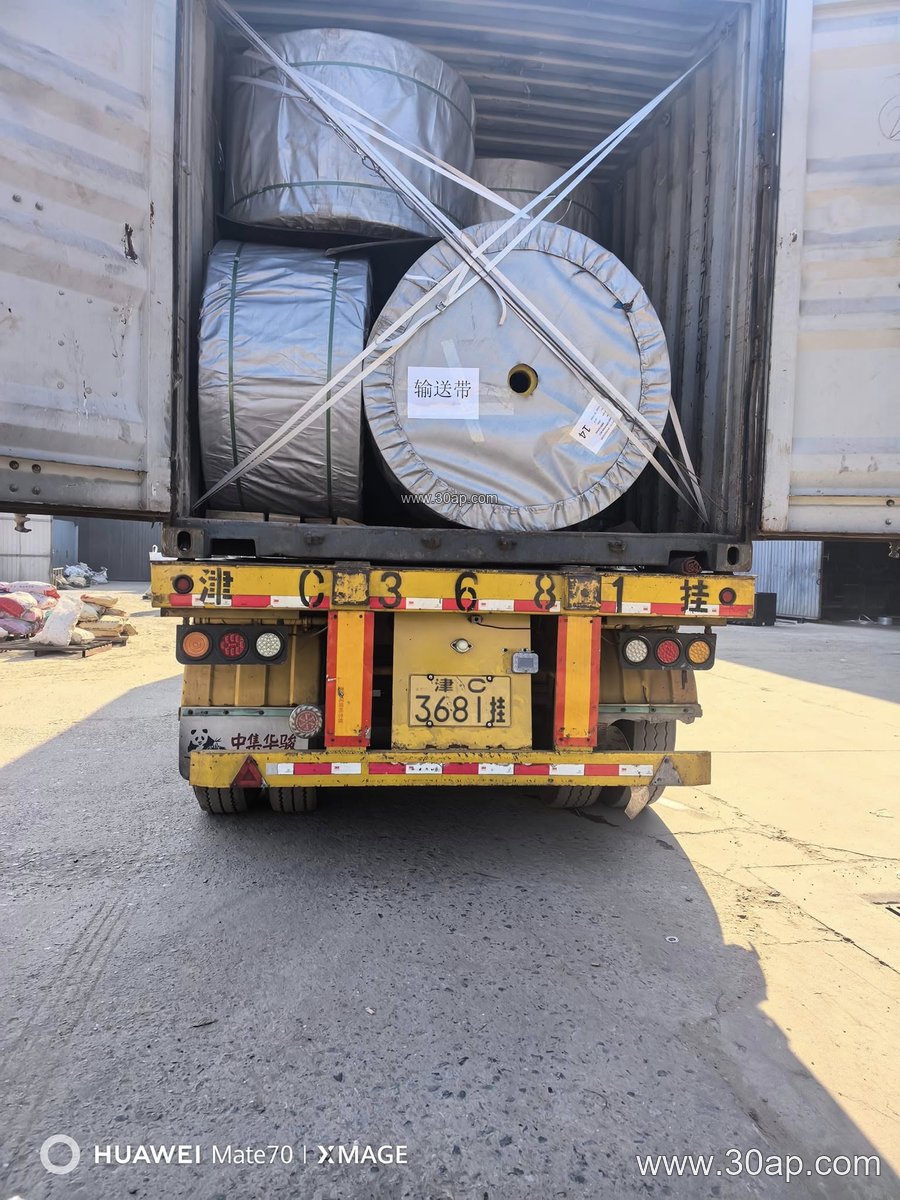
The belt is usually built from two to six EP plies, bonded with skim rubber and protected by top and bottom cover compounds. Cover thickness is stated as a pair, for example 4+2 mm or 6+2 mm, meaning top cover plus bottom cover. Buyers should treat these as common reference combinations rather than fixed rules, since each manufacturer sets its own build.
Cover grades are selected to match the cargo and the environment. Common options include abrasion-resistant rubber for sand and crushed stone, heat-resistant compounds for clinker and sinter, oil-resistant grades for coke and some mineral ores, and flame-retardant antistatic (FRAS) compounds for coal mine underground service. Cold-climate grades are available where winter temperatures cause ordinary rubber to stiffen.
Typical Duty Points and Industries
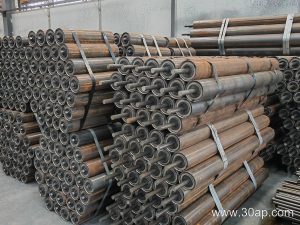
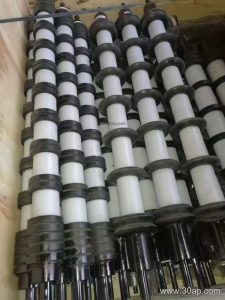
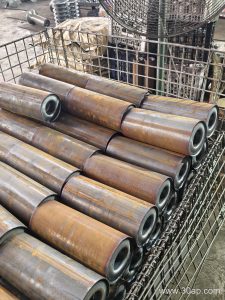
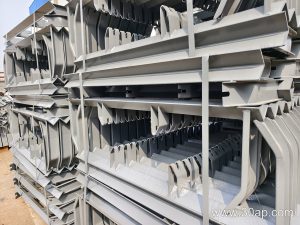
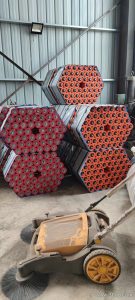
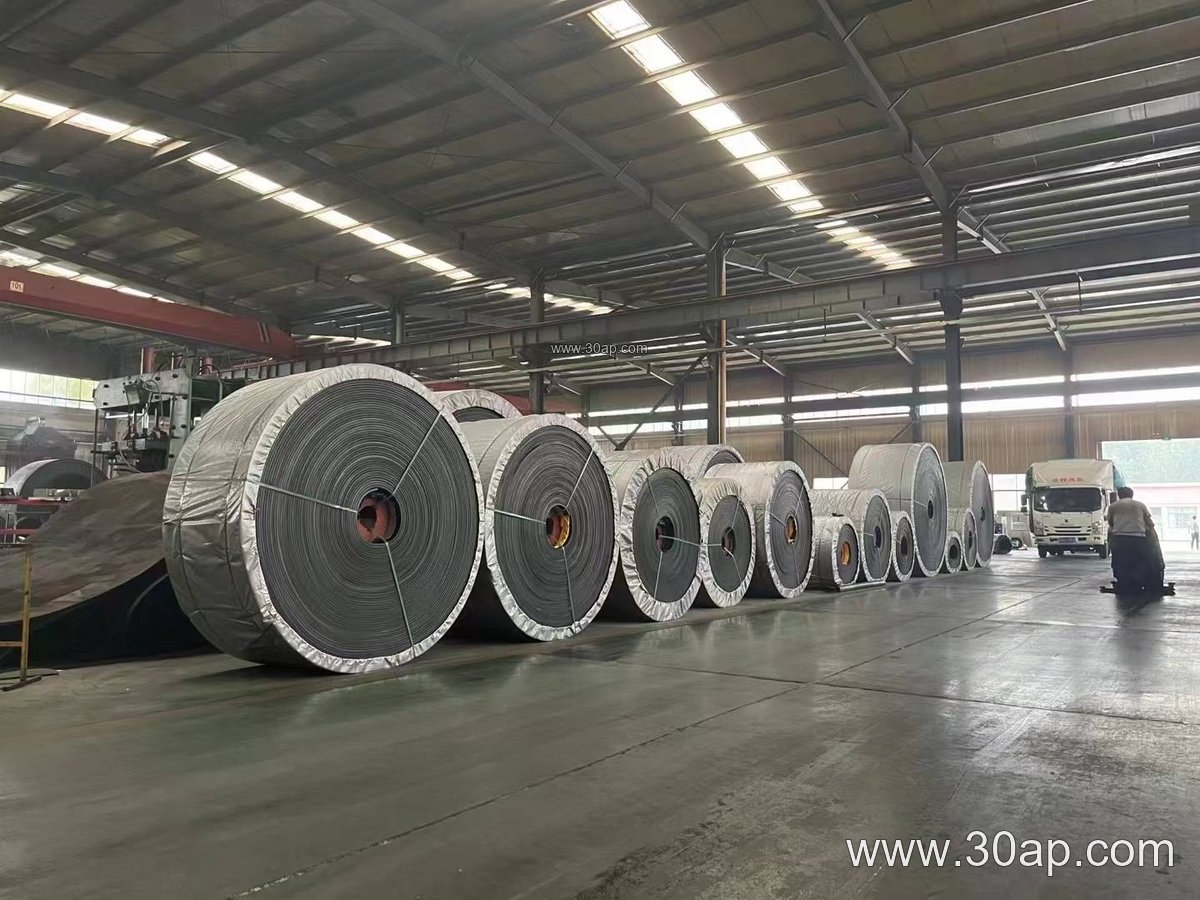
An EP500 belt is often found on inclined main conveyors, stockyard feed lines, and transfer conveyors in mining, coal preparation, cement kilns and mills, power plant coal yards, and sand and gravel plants. On a typical conveyor it runs over a drive pulley at the head, a tail pulley at the loading end, and bend pulleys along the return path, carried by idler rollers and supported at the frame by conveyor brackets and a conveyor pulley assembly at each end.
When the route needs steep angles, a patterned belt may be used instead of a smooth EP500 belt; chevron or herringbone covers help hold material on the incline. That is a different surface form for comparison, not a substitute for the base belt selection.
Reference Dimensions
The table below collects values that are commonly quoted in product literature. They are reference data, not verified universal specifications, and actual availability depends on the supplier.
| Parameter | Common reference values |
|---|---|
| Strength grade | EP200, EP315, EP400, EP500, EP630, EP800 and above |
| Belt width | B500, B650, B800, B1000, B1200, B1400, B1600, B1800, B2000 |
| Cover thickness | 3+1.5, 4+2, 5+2, 6+2, 8+3 mm |
| Carcass plies | 2 to 6 layers, by design |
Belt width and pulley diameter are matched through conveyor design calculations, not by a fixed pairing. A given width can run on different pulley sizes depending on tension, wrap angle, and belt flexibility, so no single shaft diameter should be assumed from width alone.
Selection and Maintenance Notes
- Check the calculated maximum tension against the EP500 rating with a safety factor suited to the duty.
- Confirm cover grade against the material: hot clinker, oily scrap, and coal dust each call for a different compound.
- Verify pulley diameters and idler spacing against the belt’s minimum bend radius recommendation.
- Inspect splice quality, edge wear, and cover gouges during planned shutdowns; most failures start at the splice or the loading point.
- Keep the belt tracking correctly by checking idler roller alignment and pulley lagging rather than over-tightening take-up.
A buyer comparing quotes should ask for the ply count, cover thickness, cover grade, and splice method in writing, because two belts sold as EP500 can differ substantially in service life.