What a 6205 Bearing Idler Is
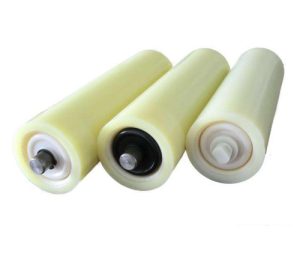
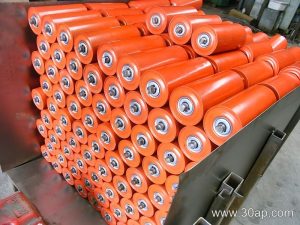
A 6205 bearing idler is a conveyor roller that uses a 6205-size ball bearing in its end assemblies. In everyday plant language it may be called a 6205 bearing roller or a 6205 idler roller. It sits under the conveyor belt and carries the moving load, either on the carrying side or on the return side. The 6205 bearing itself is a deep-groove ball bearing with a bore of 25 mm, an outside diameter of 52 mm and a width of 15 mm. Those dimensions belong to the bearing, not to the roller shell, so the same bearing can appear in idlers with different roll diameters and different belt widths.
This idler is common in bulk handling lines where the belt runs continuously and the rollers must turn freely for long periods. You will see it in a coal mine, a cement plant, a power station coal yard, a limestone quarry and an aggregate crushing and screening circuit. The idler does not move the belt by itself; it supports the belt and the material on it. That support keeps the belt tracking smoothly and reduces the pull needed from the drive pulley.
How the Idler Is Built
A typical 6205 bearing idler has a steel tube shell, a shaft, bearing housings at each end, seals and a lubrication path. The shell is often a seamless or welded steel pipe. The shaft may be cold-drawn round bar. The bearing fits into a stamped or machined end cap, and a labyrinth or contact seal keeps dust and fine particles away from the rolling elements. Grease inside the bearing and the housing protects the metal surfaces.
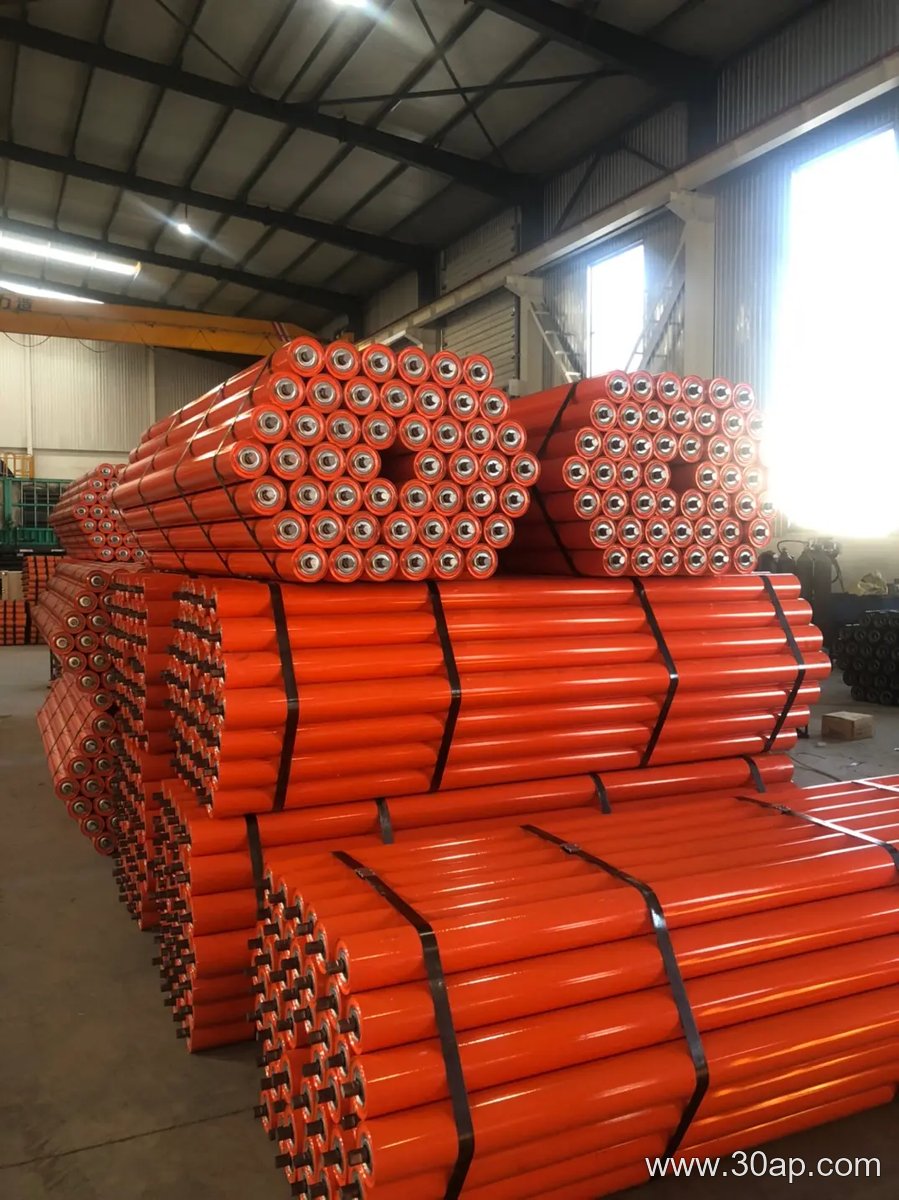
Because the 6205 bearing has a 25 mm bore, the shaft end that carries it is usually machined to suit that bore. The rest of the shaft can be larger or smaller depending on the frame and the bracket that holds the idler. This is why a buyer should not assume that a 6205 bearing idler has one fixed shaft diameter along its whole length.
Where It Fits on the Conveyor
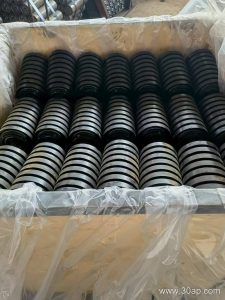
A 6205 bearing idler can be used in several positions. On the carrying side it may be part of a three-roll troughing set, a two-roll set or a single-roll arrangement. On the return side it may be a flat return roller or a V-return roller. It can also appear in a buffer zone under a loading chute, where impact from falling material is heavy. In that case a rubber-ring impact idler may be chosen, but the bearing size can still be 6205.
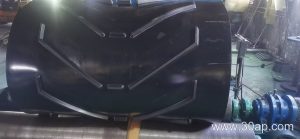
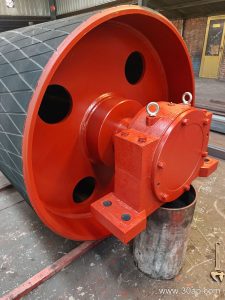
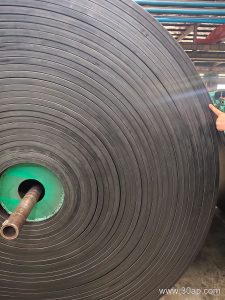
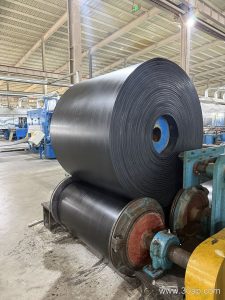
The idler works together with the conveyor belt, the conveyor pulley and the conveyor bracket. The bracket or frame holds the shaft ends and sets the roll spacing. The belt rides on the rolls, and the material rides on the belt. If one idler seizes, the belt drags over it, the belt cover wears faster, and the drive pulley has to work harder.
Common Sizes and Related Data
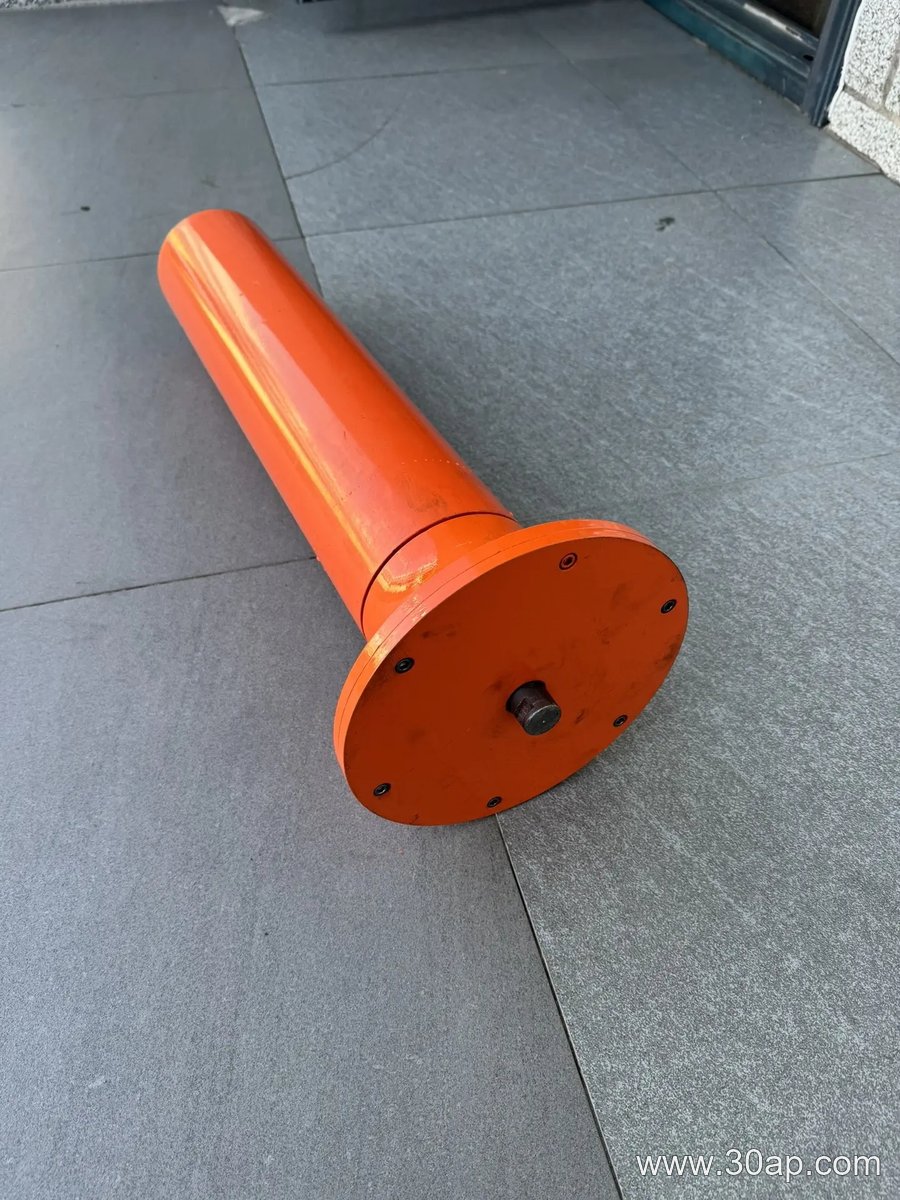
Roll diameter and belt width are separate choices. A 6205 bearing can be used in idlers with roll diameters such as Ø76, Ø89, Ø102, Ø108 and Ø127, and it can also appear in other diameters depending on the design. Belt widths commonly run from B500 to B2000 and beyond. The table below shows common examples only; actual roll length is set by belt width, trough angle and the roll set arrangement.
| Belt width | Common roll length for a three-roll troughing set | Typical trough angle |
|---|---|---|
| B500 | about 200 mm | 20°, 30° or 35° |
| B650 | about 250 mm | 20°, 30° or 35° |
| B800 | about 315 mm | 30°, 35° or 45° |
| B1000 | about 380 mm | 30°, 35° or 45° |
| B1200 | about 465 mm | 30°, 35° or 45° |
| B1400 | about 530 mm | 35° or 45° |
These values are reference examples. Side rolls and center rolls in the same set can have different lengths. The trough angle affects how the belt forms a cup to hold material. A 45° trough holds a deeper load than a 20° trough, but it also bends the belt more. The right choice depends on the material, the belt and the conveyor design.
What a Buyer Should Check
- Confirm the bearing size is 6205 and that the shaft end matches the bearing bore.
- Check the roll diameter and the shell length against the existing bracket and belt width.
- Check the seal type for the environment. Dusty coal, cement and quarry sites need good sealing.
- Check the roll surface. Steel, nylon, ceramic and rubber-ring surfaces suit different duties.
- Check the shaft end shape. It must fit the conveyor bracket or frame without modification.
- Ask whether the idler is for carrying, return or impact service. These are not interchangeable positions.
A 6205 bearing idler is a small part of a large system, but it affects belt life, energy use and downtime. Matching the bearing, the roll, the seal and the bracket to the real working conditions is what keeps a conveyor running in a mine, a cement works or a power plant.