What a Q355 Conveyor Bracket Does
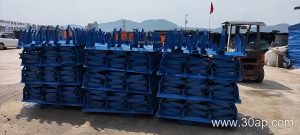
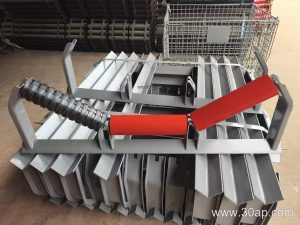
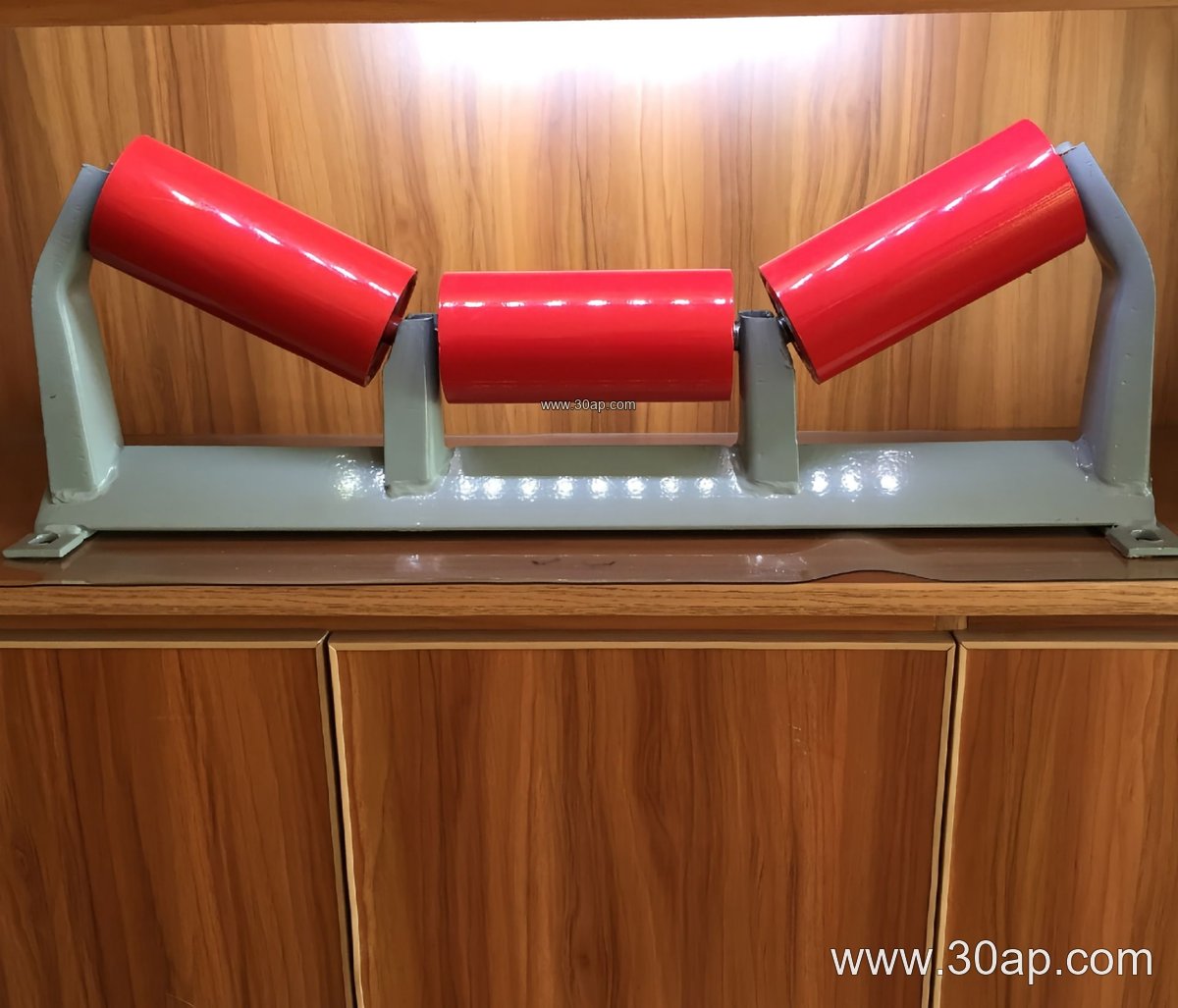
A Q355 conveyor bracket is the steel support that holds idler rollers in the correct position under a conveyor belt. It carries the weight of the belt, the material load, and the roller itself, and it fixes the trough angle so the belt keeps a stable cross-section along the run. Because Q355 is a low-alloy, higher-strength structural steel, the bracket can be built with somewhat lighter sections than a mild steel Q235 design while still resisting bending and fatigue in a working conveyor frame. It is commonly used in gravel lines, cement plants, coal handling systems, and power plant coal conveyors where dust, vibration, and continuous load are normal.
Construction and Common Forms
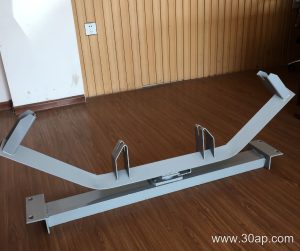
Most brackets are fabricated from angle steel, channel steel, or folded steel plate, then drilled or punched for mounting. The bracket usually pairs with a conveyor bracket cross beam that spans the frame stringers. Several forms appear in practice:
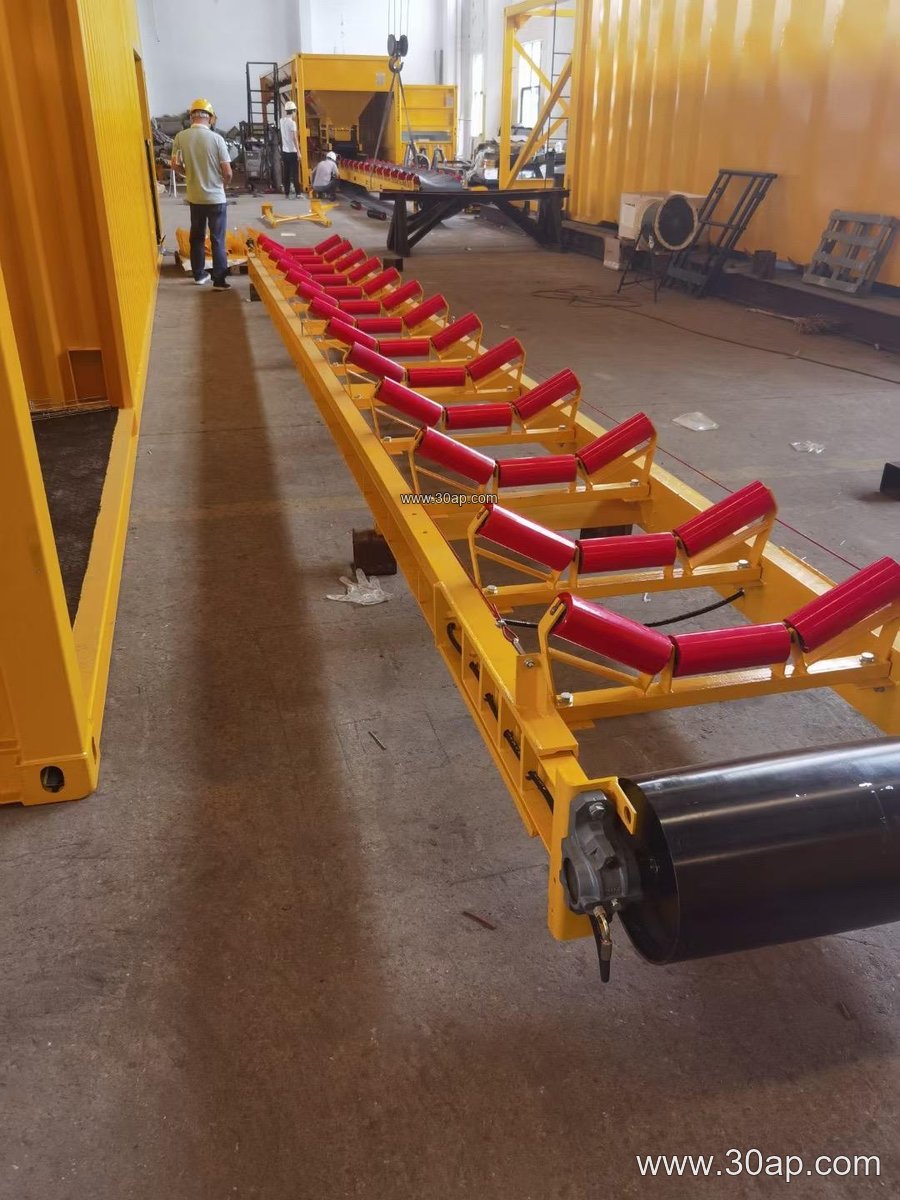
- Troughing bracket for the carrying side, setting the belt into a trough
- Transition bracket near pulleys, where the belt moves from flat to troughed
- Return bracket or V-return bracket under the empty belt
- Impact bracket at the load point, often with cushion rollers
- Self-aligning bracket to help control belt tracking
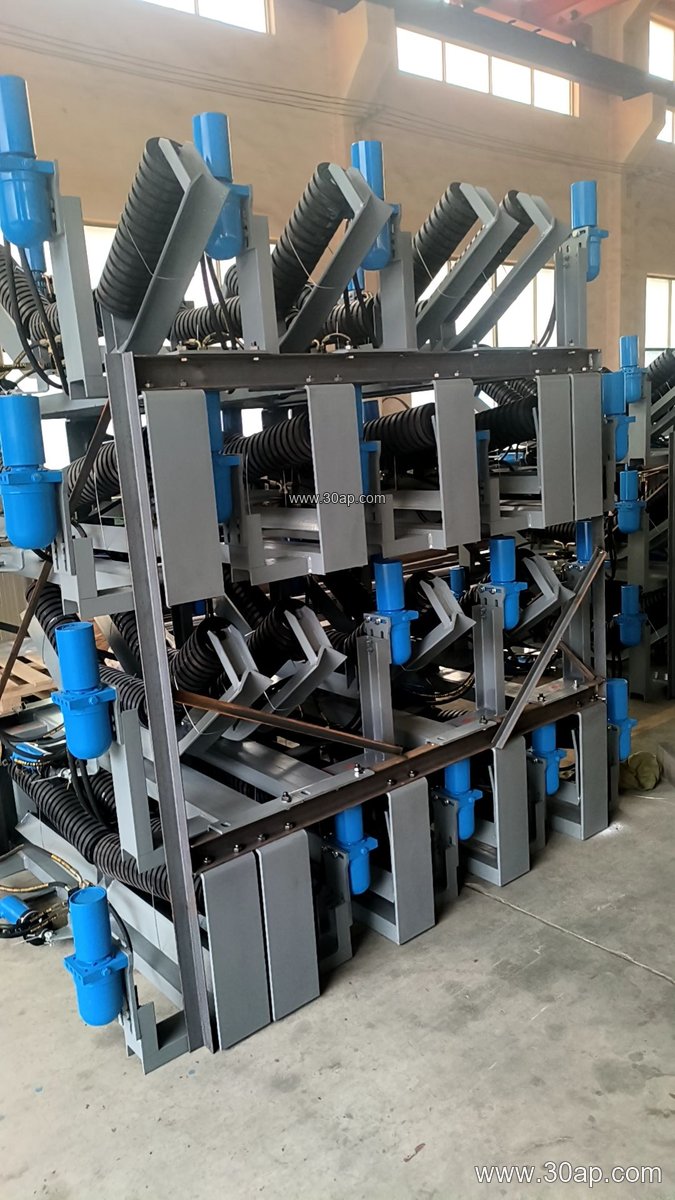
- Adjustable bracket, allowing the trough angle to be changed on site
Welds should be clean and continuous at load-bearing joints, and holes should align with the frame pitch. Galvanizing or a suitable paint system helps in wet or corrosive service.
Trough Angle and Roller Diameter
The bracket sets the trough angle, usually 20, 30, 35, or 45 degrees. A deeper trough suits higher capacity and wider belts, while a shallower angle reduces stress on the belt edges. Adjustable brackets let maintenance teams fine-tune this angle instead of replacing the whole assembly. Roller diameter is chosen together with belt width and load, not from belt width alone. Typical combinations seen in catalogues include B800 with 35 degrees and Ø108 rollers, or B1200 with 45 degrees and Ø133 rollers, but these are examples rather than fixed rules. Mounting hole spacing and cross beam length change with belt width and trough angle, so they should be confirmed from the drawing.
| Belt width (common) | Trough angle (common) | Roller diameter (common) |
|---|---|---|
| B500 / B650 | 20–30 degrees | Ø89 |
| B800 / B1000 | 30–35 degrees | Ø108 / Ø133 |
| B1200 / B1400 | 35–45 degrees | Ø133 / Ø159 |
| B1600 / B1800 | 35–45 degrees | Ø159 / Ø194 |
Values above are reference ranges; final selection follows the conveyor design and the actual belt load.
Where It Fits in the Conveyor
On a quarry or aggregate line, troughing brackets support the carrying run while a heavy-duty conveyor belt moves crushed stone. In a coal preparation plant, flame retardant conveyor belt grades run over brackets that must tolerate coal dust and wash-down. A cement plant uses brackets along clinker and raw meal conveyors, and a steel plant or power plant coal conveyor relies on them for steady idler positioning. Return brackets keep the empty side of a steel cord conveyor belt or EP conveyor belt aligned as it travels back to the tail. Belt tracking, roller wear, and bracket alignment all interact, so a bent or loose bracket quickly shows up as edge wear or material spillage.
Buyer Checklist
- Confirm belt width, trough angle, and roller diameter against the conveyor drawing
- Ask for the mounting hole pitch and cross beam length, since these vary by design
- Check steel grade and section thickness, and request material certificates where needed
- Match the bracket type to its position: carrying, return, transition, impact, or self-aligning
- Specify surface treatment for dusty, wet, or corrosive sites
- Keep spare brackets for high-wear load points to reduce downtime
A well-matched Q355 conveyor bracket is a small part of the conveyor, but it decides how evenly the idler roller supports the belt and how long the whole line runs without adjustment. Buyers who check dimensions, angle, and steel grade before ordering avoid most installation problems.