What a Galvanized Conveyor Bracket Does on the Line
A galvanized conveyor bracket is the hot-dip zinc coated steel frame that holds the idler rollers in place along a belt conveyor. It sets the trough angle of the carrying side, keeps the return rollers aligned, and transfers the load from the belt and material into the conveyor stringer. In a quarry, a coal washing plant, a cement kiln line or a power station coal yard, these brackets are the quiet workhorses that decide whether the belt tracks straight or wanders.
Because the frame is galvanized, it resists the rust that attacks plain painted steel in wet washing stations, dusty limestone yards and coastal port terminals. That coating is the main reason buyers ask for a galvanized conveyor bracket rather than a shop-primed one.
How the Frame Is Built
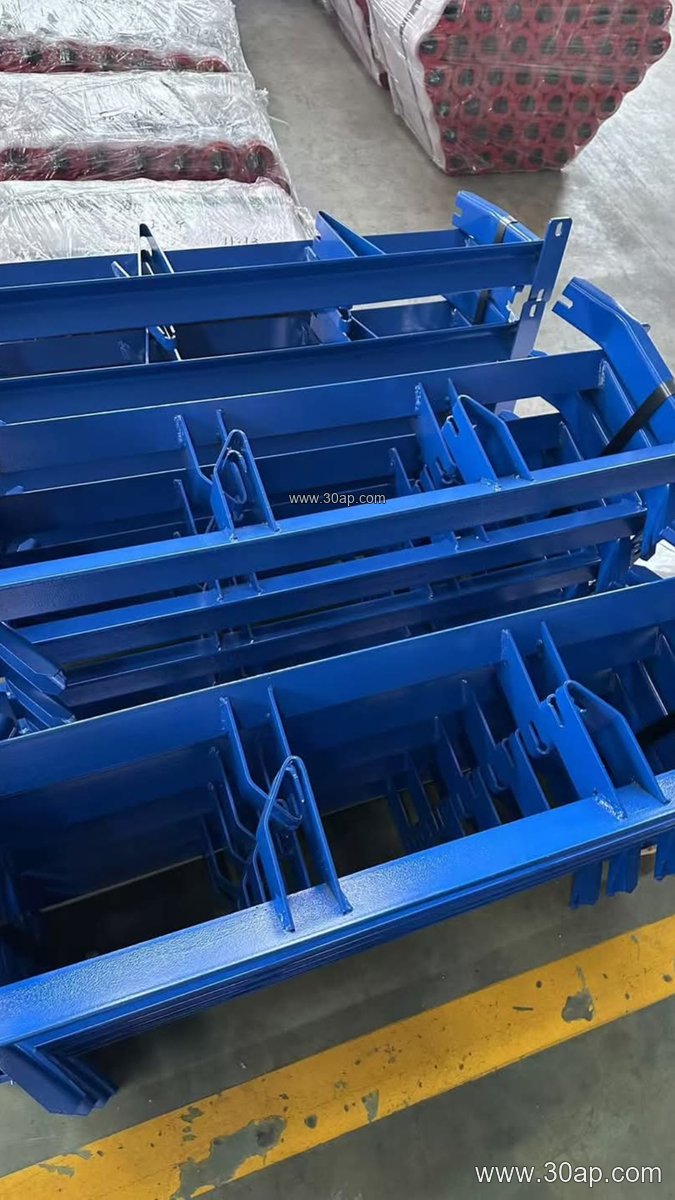
Most brackets are fabricated from angle steel, channel steel or folded steel plate. The cross beam carries the roller seats, and the end plates bolt to the conveyor stringer. Slots or multiple hole positions allow the trough angle to be set during installation. After fabrication the frame is pickled, fluxed and dipped in molten zinc, so the coating covers edges, welds and bolt holes rather than sitting only on the outer face.
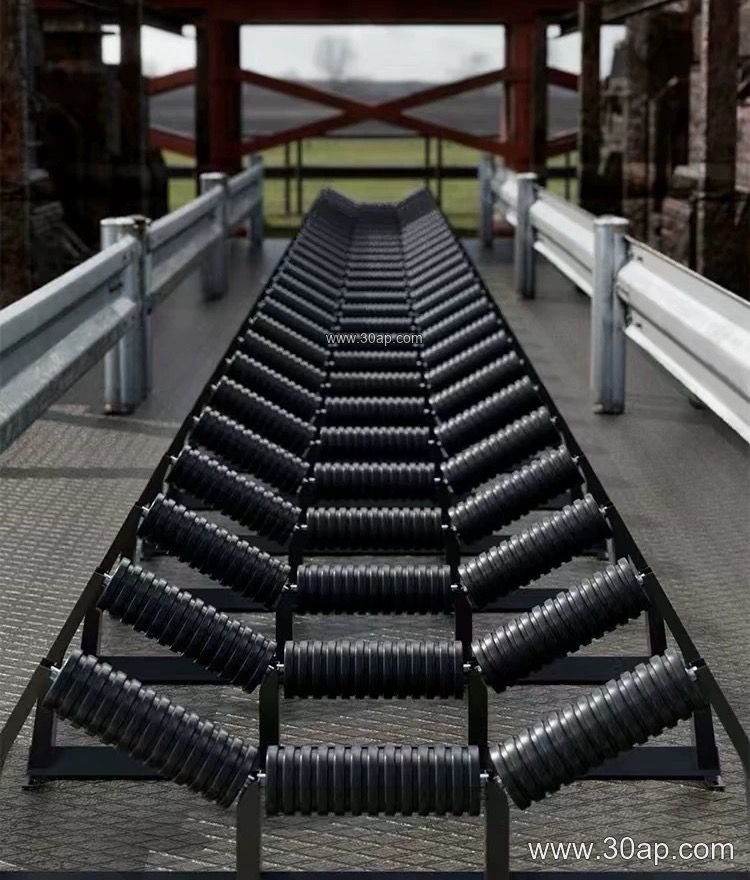
Common frame forms include trough brackets for the carrying side, transition brackets near the head and tail, flat return brackets, V-return brackets, impact brackets under the loading point, self-aligning brackets and suspended brackets for long spans. Adjustable versions let maintenance crews fine-tune the trough angle without cutting steel.
Trough Angle, Belt Width and Roller Diameter
The bracket geometry follows the belt width, the required trough angle and the roller diameter. A B800 frame with a 35 degree trough and Ø108 rollers is a very common combination on aggregate and cement lines, while a B1200 or B1400 frame at 45 degrees with Ø133 rollers suits high-capacity ore and coal conveying. Wider belts such as B1600 to B2200 usually call for heavier cross beams and larger roller seats.
No single belt width locks you into one trough angle or one roller diameter. The right combination is set by the material, the belt speed, the load and the idler spacing, and the mounting hole pitch and beam length change with width and angle. Treat the figures below as reference ranges, not fixed catalog promises.
| Frame Form | Typical Belt Width | Trough Angle | Roller Diameter |
|---|---|---|---|
| Trough bracket (carrying) | B500 to B2200 | 20, 30, 35, 45 degrees | Ø89, Ø108, Ø133, Ø159 |
| Transition bracket | B650 to B1800 | 20 to 35 degrees | Ø89, Ø108, Ø133 |
| Flat return bracket | B500 to B2000 | Flat | Ø89, Ø108, Ø133, Ø159 |
| V-return bracket | B800 to B2200 | V form | Ø108, Ø133, Ø159, Ø194 |
| Impact bracket | B650 to B1600 | 20 to 45 degrees | Ø89, Ø108, Ø133 |
| Adjustable bracket | B500 to B1600 | Adjustable 20 to 45 degrees | Ø89, Ø108, Ø133 |
Matching Brackets to Rollers and Belt
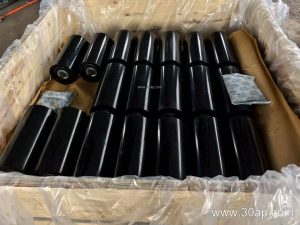
The bracket is only half of the assembly. An idler roller sits in the seat, and the seat height and hole pitch must match the roller shaft. If the bracket is set to 35 degrees but the rollers are seated loosely, the belt will not form a clean trough and material will spill at the edges.
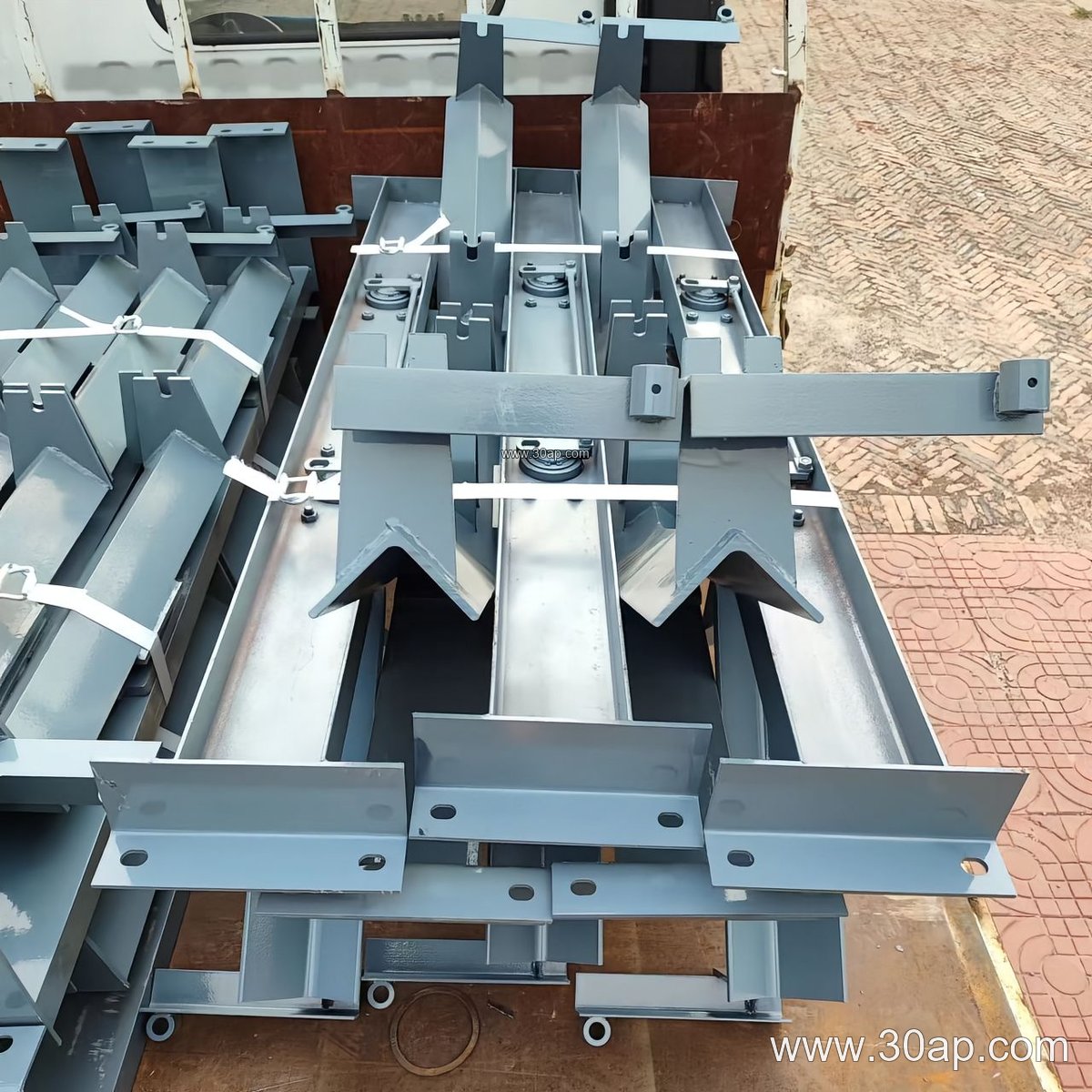
On mining and quarry lines carrying abrasive rock, an Abrasion Resistant Conveyor Belt is often paired with robust trough brackets and impact brackets under the crusher discharge. In coal preparation plants, a Flame Retardant Conveyor Belt runs over the same frame family, but the brackets near transfer points usually need extra support for the heavier loading.
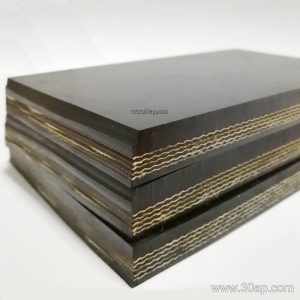
Where the belt is very wide or the load is heavy, a steel cord belt such as a Steel Cord Conveyor Belt may be used, and the brackets must be sized for the higher tension and the larger roller diameter that comes with it. Fabric core belts such as EP or NN constructions usually run on lighter frames, but the bracket still has to be level and square for good tracking.
Installation and Maintenance Notes
- Check that the stringer spacing matches the bracket beam length before drilling or bolting.
- Set the trough angle evenly on both sides of the belt; a twisted frame causes edge wear.
- Keep the galvanized coating intact at bolt holes and welds; touch up with zinc-rich paint if it is scratched.
- Recheck the alignment of the self-aligning or forward-tilted brackets after the first weeks of running.
- In wet washing plants and port terminals, inspect for zinc loss and loose fasteners on a regular schedule.
What Buyers Should Confirm
Before ordering, confirm the belt width, the required trough angle, the roller diameter and the mounting hole pitch. Ask whether the frame is fixed or adjustable, and whether it is a trough, return, impact or transition type. State the environment so the galvanizing thickness and steel section can be chosen correctly. A galvanized conveyor bracket is a small item, but it controls belt shape, roller life and dust control, so the specification deserves the same attention as the belt itself.