What a 2000mm Conveyor Belt Is
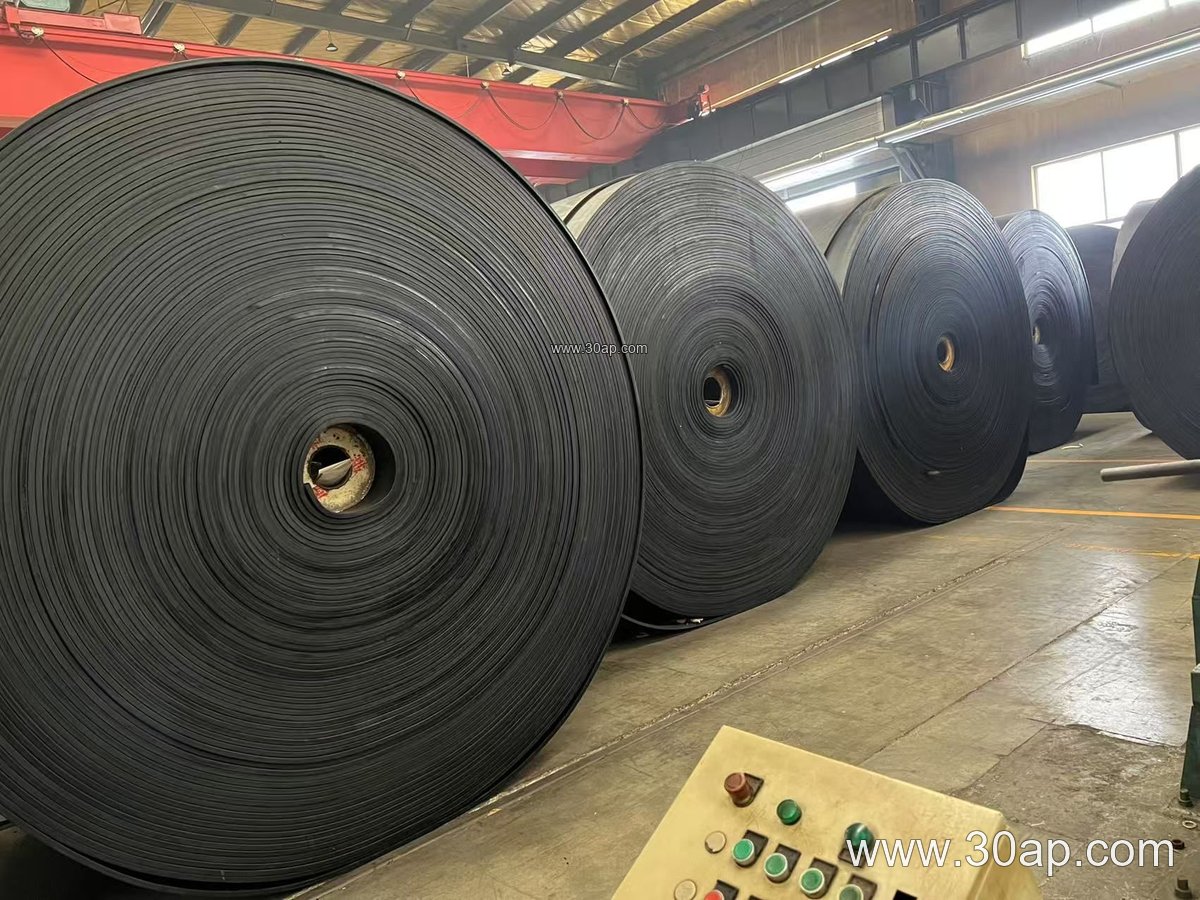
A 2000mm conveyor belt is a wide-belt product with a nominal belt width of 2000 millimeters, which is about 78.7 inches. In the trade it may also be called a 2000mm wide conveyor belt or a B2000 belt. It sits at the upper end of standard belt widths, alongside 1800mm and 2200mm options, and it is chosen when a single conveying line must carry a large volumetric flow of bulk material without excessive belt speed.
This is still a fabric or steel-cord carcass product, not a different machine. The 2000mm figure describes the belt width, while the construction, cover compound, and tensile strength are selected separately. A buyer should treat width, strength class, cover grade, and carcass type as independent choices that are matched to the conveyor design.
How the Belt Is Built
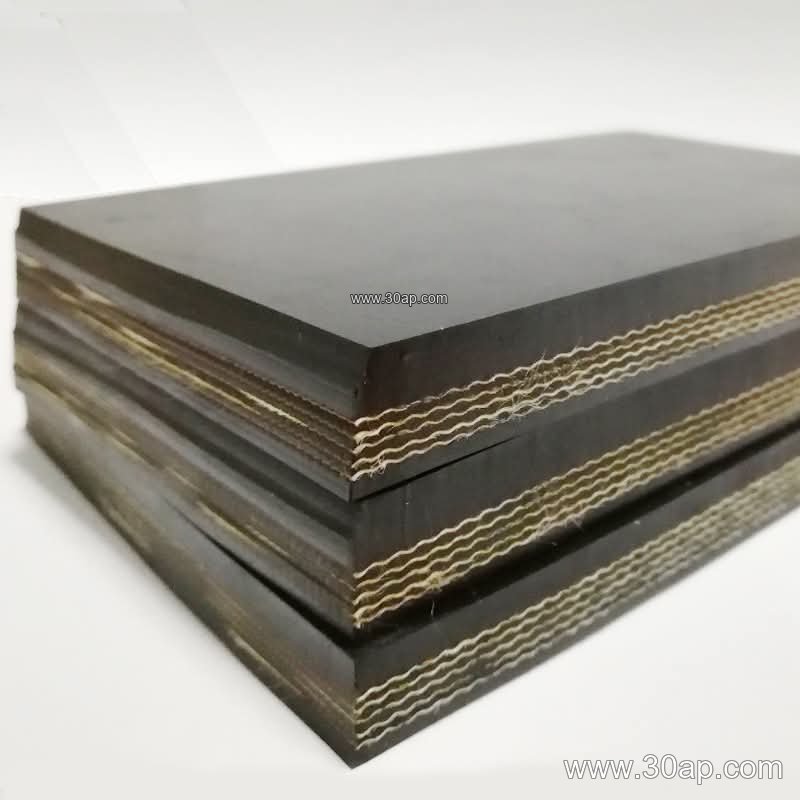
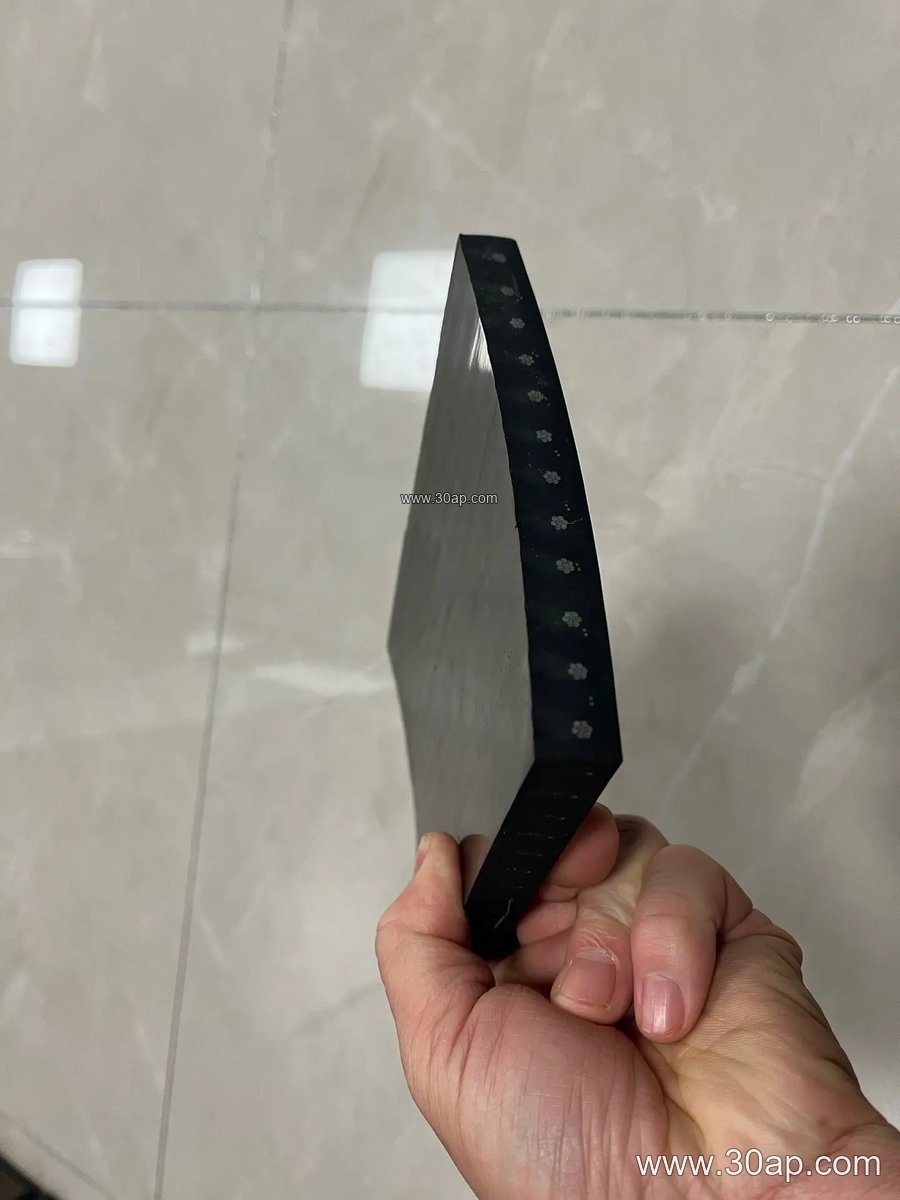
Most 2000mm belts use a multi-ply fabric core or a steel cord core. Fabric constructions are common in EP and NN grades, where the number of plies usually runs from two to six depending on the required strength. Steel cord belts are used where very high tension and long center distances call for a single-layer cord carcass.
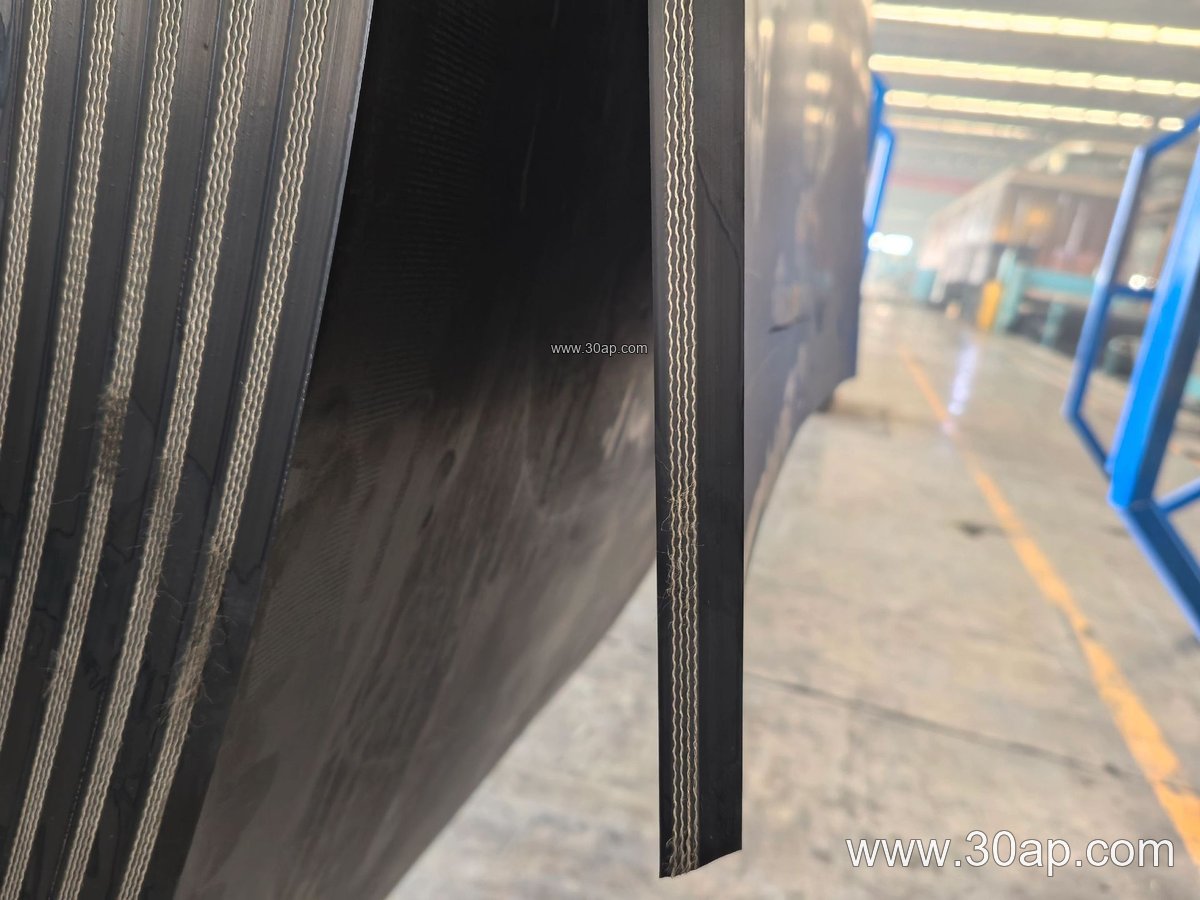
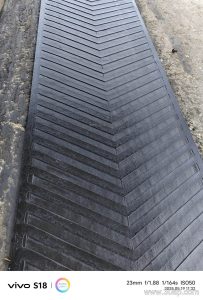
Cover rubber is specified as top and bottom thickness, for example 5+2 mm, 6+2 mm, or 8+3 mm for heavier duty. The compound is selected for the working environment. Options include abrasion resistant, heat resistant, oil resistant, flame retardant, anti-static, cold resistant, and acid or chemical resistant grades. For steep inclines, a chevron or corrugated sidewall form may be used, though those forms change the belt profile and need matching conveyor components.
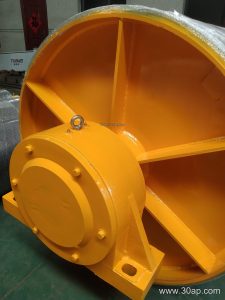
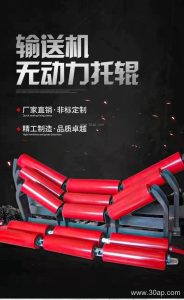
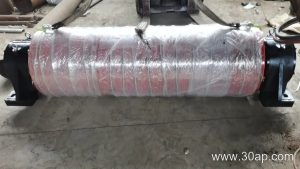
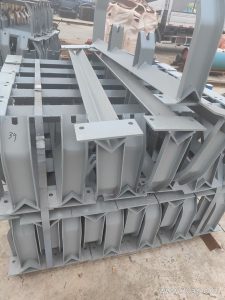
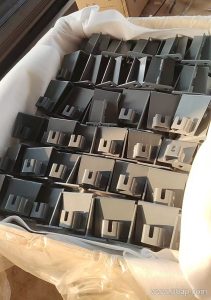
A wide belt also interacts with the conveyor structure. The conveyor pulley, idler roller, and conveyor bracket arrangement must be sized for the belt width and the load it carries. The drive pulley, tail pulley, and bend pulley each have a distinct role and should not be treated as interchangeable parts.
Reference Dimensions and Strength Classes
The values below are common reference points only. Actual specifications are set by the conveyor design and confirmed with the manufacturer.
| Item | Common reference values |
|---|---|
| Belt width | 2000mm (B2000); nearby widths include 1800mm and 2200mm |
| Fabric strength grades | EP200, EP315, EP400, EP500, EP630, EP800, EP1000, EP1250, EP1600, EP2000 |
| NN grades | NN100 to NN400 class range |
| Steel cord grades | ST1000 to ST3150 class range |
| Cover thickness | 3+1.5, 4+2, 5+2, 6+2, 8+3 mm |
| Carcass plies | Typically 2 to 6 for fabric core |
These are reference data, not a universal supply promise. A 2000mm width does not dictate one pulley diameter, and shaft size must be calculated from the actual belt tension and conveyor layout. Do not assume a fixed relationship between belt width and pulley or shaft dimensions.
Where Wide Belts Are Used
Mining, coal preparation, cement plants, power stations, and sand and gravel yards are typical settings. A mining conveyor belt at this width can move large tonnages of ore or coal, while a cement plant may use it for clinker or raw material transfer. Ports and ship loading systems also favor wide belts because a single line can handle high bulk flow.
In a quarry or aggregate plant, a 2000mm belt may feed a crusher or carry screened stone. In an underground coal mine, flame retardant and anti-static grades are usually specified together with fire resistant properties. For iron ore, copper ore, or other abrasive rock, a high abrasion resistant cover helps extend service life. Heat resistant grades suit clinker and sinter handling, while oil resistant compounds are used where lubricants or oily material contact the belt.
Selection and Maintenance Notes
- Confirm the required tensile strength from the conveyor calculation, not from belt width alone.
- Match the cover grade to the material: abrasive, hot, oily, or chemically aggressive.
- Check pulley face width, idler spacing, and bracket dimensions for the 2000mm belt.
- Keep the belt tracked and aligned; a wide belt amplifies misalignment at the tail and bend pulleys.
- Inspect splices and edges regularly, especially in high-tonnage mining and quarry duty.
For a wide installation, the belt, idler roller, pulley, and frame work as one system. A 2000mm conveyor belt is best specified as part of that system, with width, strength, cover, and carcass confirmed against the actual duty.