What a Conveyor Drive Pulley Does
A conveyor drive pulley is the powered drum at the head of a belt conveyor that turns the belt and moves material forward. It is often called the head pulley or drive drum, and it is the one component in the system that receives torque from the gearbox or motor. Tail pulleys, bend pulleys and take-up pulleys guide or tension the belt, but they do not drive it. Keeping that distinction clear matters when you order spares, because a drive drum carries a different duty cycle and a different shaft load than a redirect drum of the same diameter.
In a quarry or a cement plant, the drive pulley usually sits at the discharge end, above the crusher or the transfer chute. A rubber conveyor belt runs over its lagged face, and the friction between belt and lagging is what transmits the pull. If that grip is lost, the belt slips, the drum wears, and the whole line slows down.
How the Drum Is Built
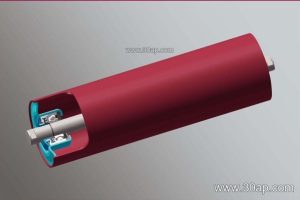
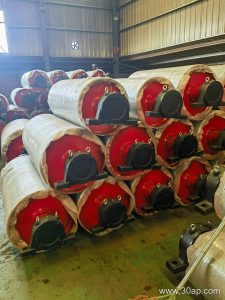
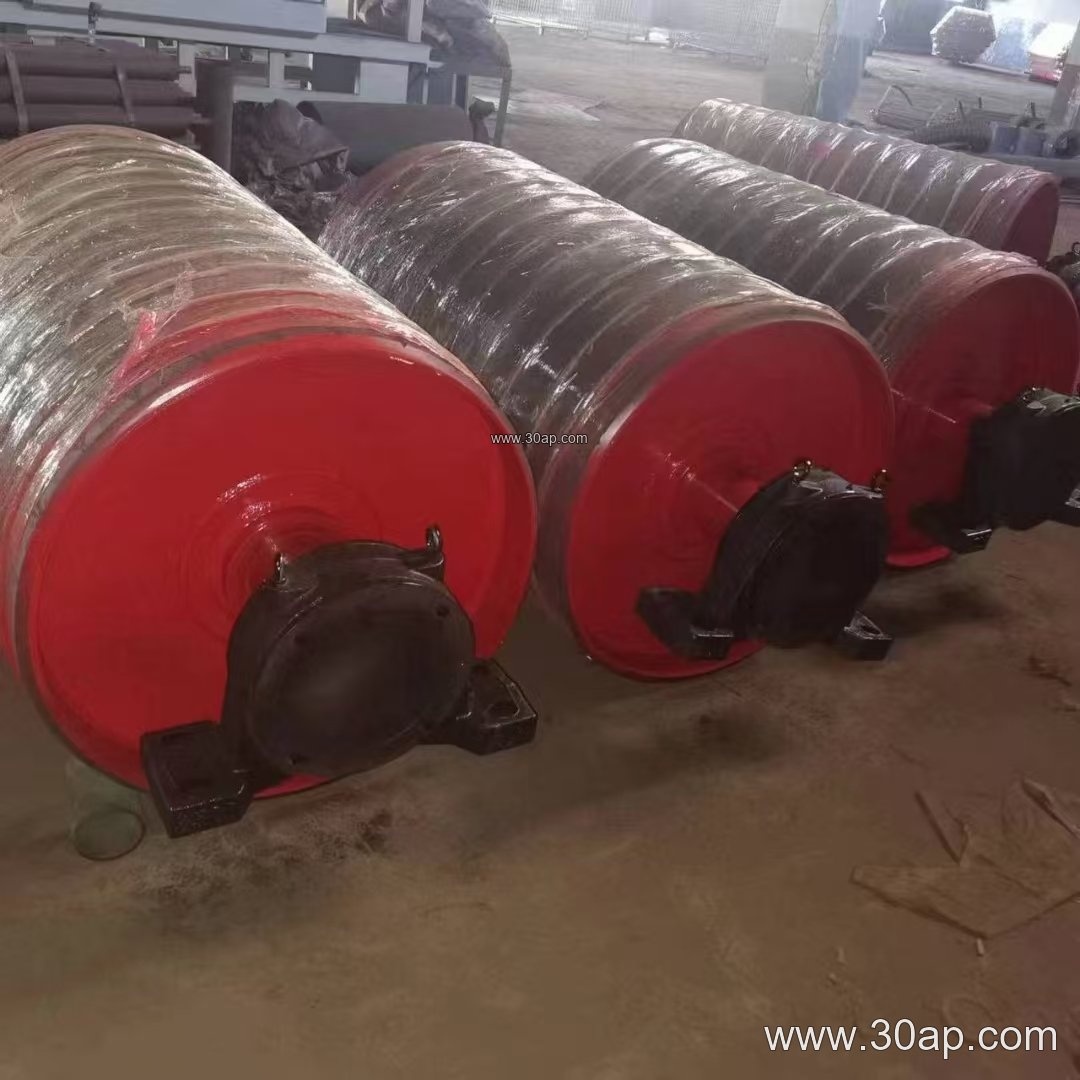
The core is a steel cylinder with dished or flat end plates welded to a shaft hub. The shaft is machined to take the bearings and the coupling, and the whole assembly is balanced before lagging. Common shell diameters include Ø500, Ø630, Ø800, Ø1000 and Ø1250, while larger drives may use Ø1400 or Ø1600. Shell width normally runs a little wider than the belt: a B800 belt often runs on a shell around 950 mm, and a B1200 belt on a shell near 1400 mm.
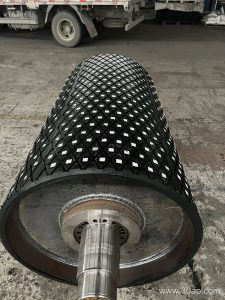
Lagging is the working surface. Plain, cast rubber, cold-bonded rubber, hot-vulcanised rubber, diamond pattern, herringbone, ceramic and flat rubber are all used. Thickness commonly falls in the 8, 10, 12, 15 and 20 mm range. Diamond or herringbone lagging helps shed water and fines, which is useful in a wash plant or an underground coal mining conveyor belt system where the surface stays damp.
Typical reference combinations
- B800 × Ø500 with 10 mm diamond lagging
- B1000 × Ø630 with 12 mm rubber lagging
- B1200 × Ø1000 with 15 mm ceramic lagging
- B1400 × Ø800 with 12 mm plain rubber
- B1600 × Ø1250 with 15 mm hot-vulcanised lagging
These are reference pairings, not fixed rules. Shaft diameter is chosen from torque and bearing load, not from belt width, so a B1000 drum might use a Ø120 shaft in one installation and a Ø160 shaft in another.
Where It Fits in the Plant
Drive pulleys appear wherever a belt has to be powered: the primary discharge of a stone crushing line, the clinker transport in a cement works, the coal feed to a power plant boiler, or the load-out belt at a port terminal. In a sand and aggregate plant, one drive drum may handle an abrasion resistant conveyor belt carrying sharp crushed rock, while a second drive on the same site runs a chevron conveyor belt on an incline. The drum does not care what the belt carries, but the lagging and the shaft sizing do.
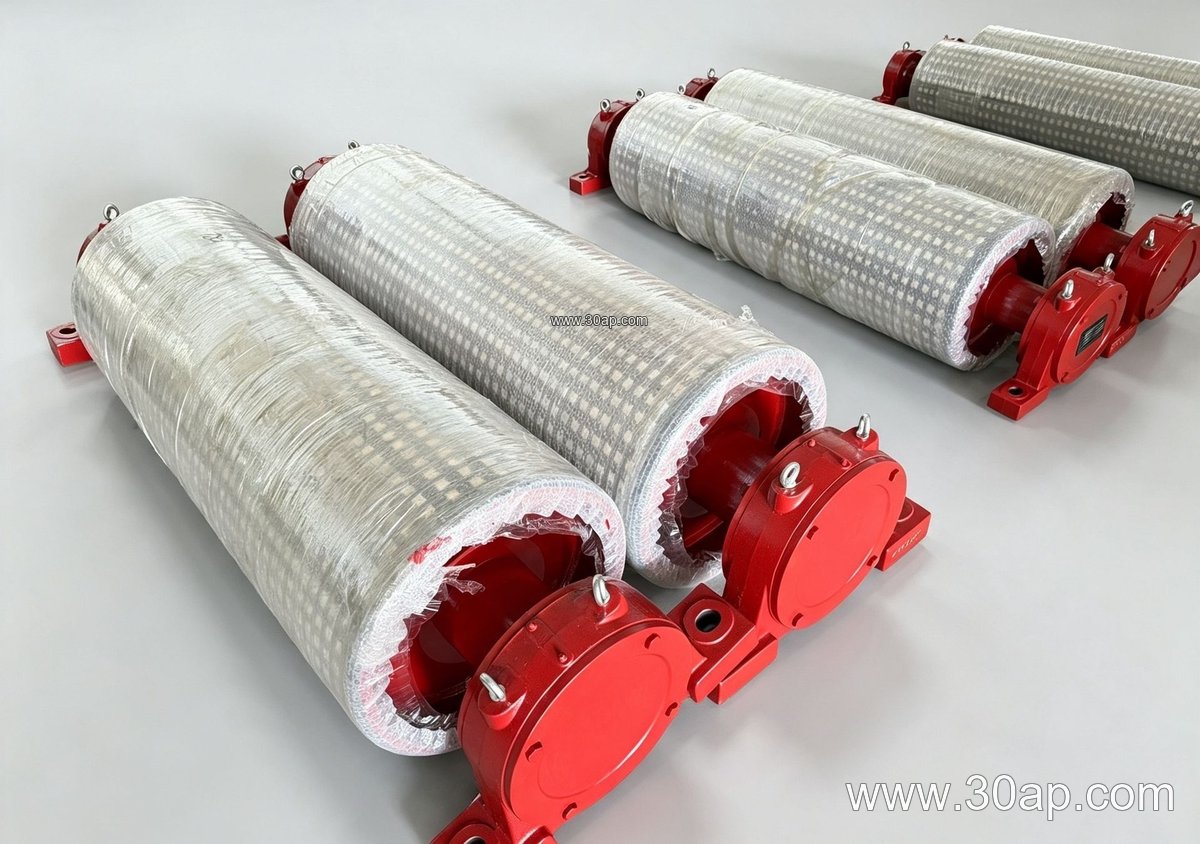
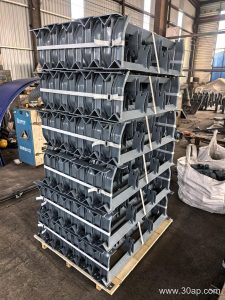
On a heavy-duty mining conveyor belt hauling iron ore or copper ore, the drive pulley is often the largest single item on the conveyor, and its bearing housings are bolted to a fabricated conveyor bracket that must absorb the full belt tension. Alignment between the drum shaft and the gearbox output is critical; a small offset will show up as vibration long before it shows up as wear.
Buyer Checklist
Before requesting a quotation, confirm the belt width, the required shell diameter, the lagging type and thickness, the shaft material and the bearing centres. State whether the drum is a head drum at the discharge or a drive drum mounted mid-line, since the chute arrangement affects the lagging choice. Ask for the balancing grade and the run-out tolerance, and check that the lagging is bonded, not just wrapped.
For a conveyor drive pulley working with an EP conveyor belt or a steel cord conveyor belt, the take-up travel and the belt tension also decide how much grip the drum needs. A drum that is correctly sized but under-lagged will slip; one that is over-lagged on a short centre may damage the belt cover.
Finally, keep the drum records with the conveyor belt records. When the belt is replaced, the drive pulley should be inspected at the same time, because lagging wear and belt cover wear usually progress together.