What a Return Self-Aligning Idler Does
A return self-aligning idler is a training roller mounted on the carrying side of the return strand, where the empty conveyor belt runs back toward the tail. Its job is simple to describe and valuable in practice: when the belt begins to drift sideways, the idler pivots slightly and steers the belt back toward the center line. In a quarry, a coal washing plant or a power station coal yard, that small correction keeps material on the belt and reduces edge damage, spillage and premature wear on the conveyor belt.
The same component is also called a self-aligning return roller or a training idler for the return run. These names describe the same product. It should not be confused with a bend pulley, a drive pulley or a tail pulley, which are different parts of the conveyor and are not interchangeable with any idler.
How the Roller Is Built
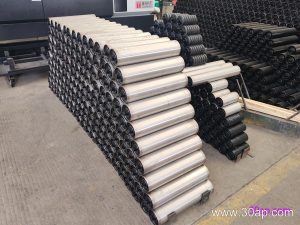
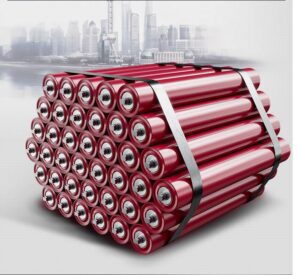
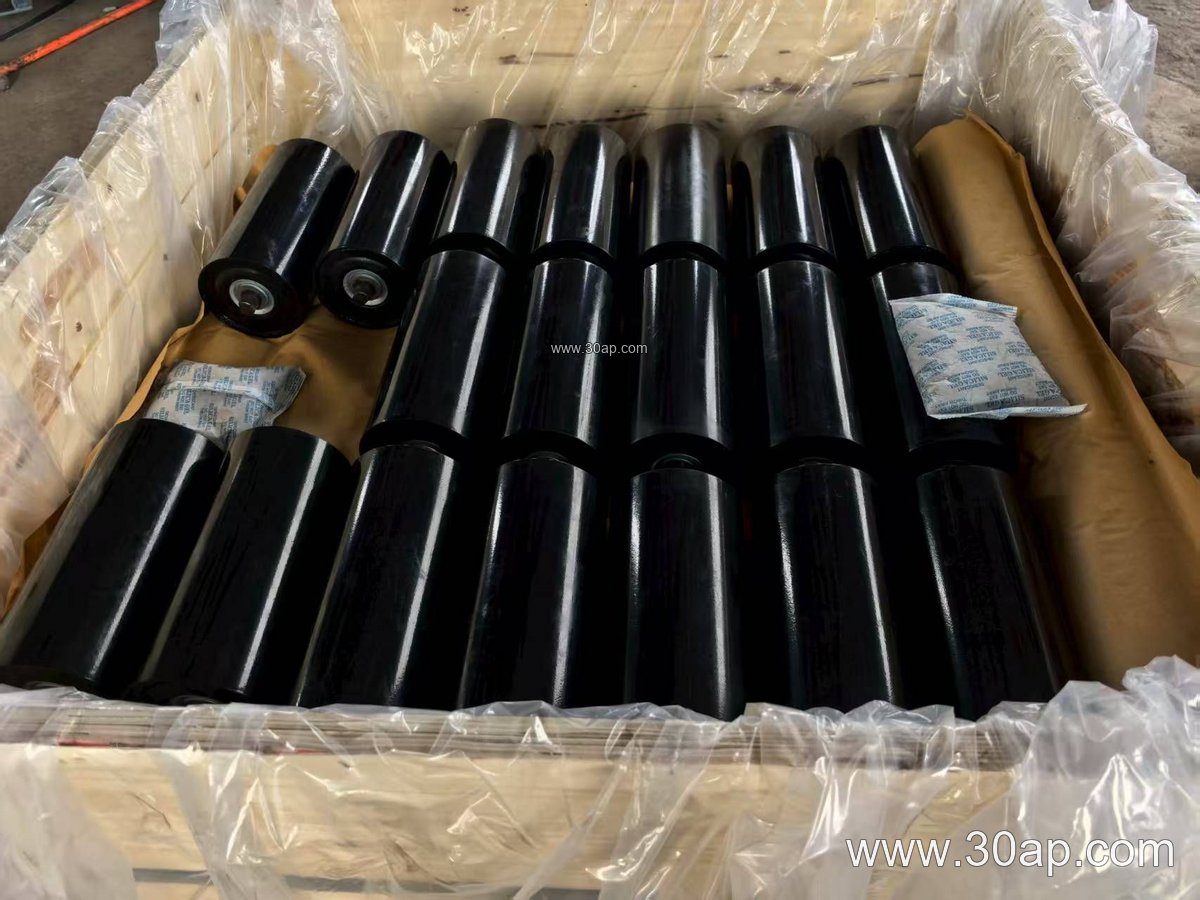
A typical unit combines a sturdy roller shell with a pivoting frame and a vertical axis. The frame is mounted on the conveyor bracket or stringer, and the roller bank can rotate a few degrees around its center. Friction between the moving belt and the roller surface, or a small guide roller touching the belt edge, provides the force that swings the assembly. When the belt moves back to the middle, the idler returns to its neutral position.
Common constructions include:
- Two-roll V-type return frames, often used to improve belt centering on the return strand
- Single flat roller banks with a central pivot
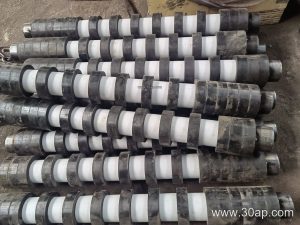
- Rubber-disc or polyurethane-covered rollers for grip and noise reduction
- Sealed bearing housings to keep out dust and water in stone crushing or cement plants
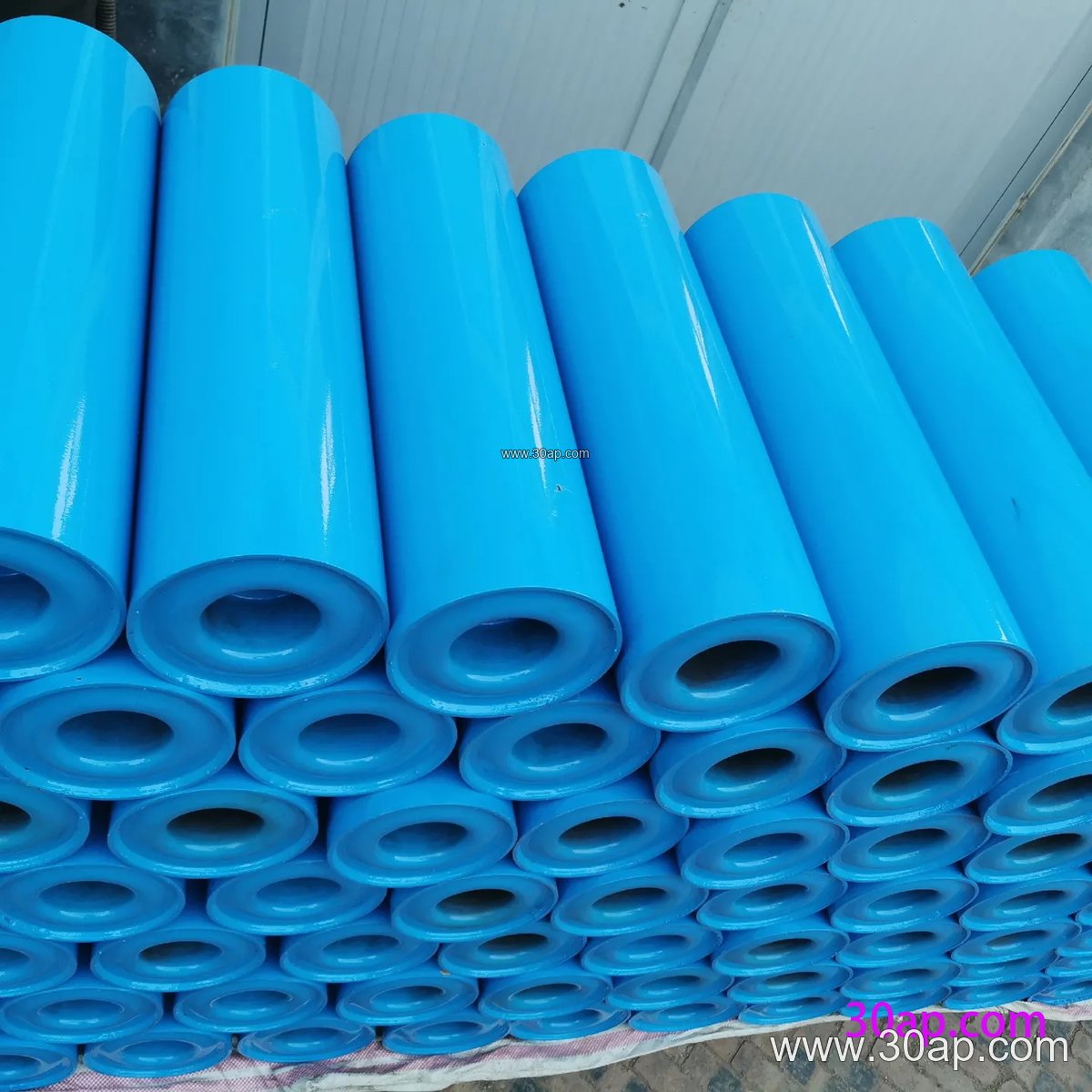
Roller diameters commonly range from Ø89 to Ø159 for this duty, with Ø102, Ø108 and Ø127 being frequent choices on medium-width conveyors. Bearing sizes such as 6205, 6305 or 6306 appear in many designs, but the bearing is selected with the load, speed and roller diameter, not by belt width alone.
Where It Fits on the Conveyor
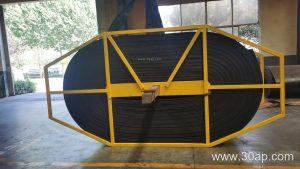
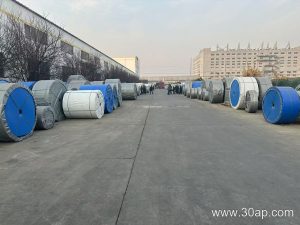
The return self-aligning idler is installed on the lower, empty run, usually between ordinary return rollers and before the tail pulley. Long overland lines, plant transfer conveyors and stockyard belts benefit most because small misalignments accumulate over distance. In an iron ore or copper ore operation, a few training idlers placed at intervals can prevent the belt from rubbing the structure. In a limestone quarry or aggregate line, they help keep a Rubber Conveyor Belt centered through curves and transitions.
Typical locations include:
- Approach to the tail pulley, where belt wander is common
- Long straight return spans exposed to wind or uneven loading
- After a tripper or discharge point, where the belt may shift
- On conveyors carrying wet or sticky material that builds up on one side
It is a return-run device. On the carry side, a troughing or impact idler does a different job, and a bend pulley or drive pulley handles power transmission rather than belt training.
Matching the Idler to Belt Width and Duty
Buyers should share the belt width, the return strand layout and the expected belt speed. A return self-aligning idler is usually ordered to suit a nominal belt width rather than a single fixed roller length. The table below gives common reference values, not mandatory combinations.
| Belt width (common) | Typical return roller diameter | Typical bearing reference |
|---|---|---|
| B650 | Ø89 to Ø108 | 6204 / 6205 |
| B800 | Ø89 to Ø127 | 6205 / 6305 |
| B1000 | Ø102 to Ø133 | 6305 / 6306 |
| B1200 | Ø108 to Ø159 | 6306 / 6308 |
| B1400 | Ø127 to Ø159 | 6308 / 6310 |
| B1600 | Ø133 to Ø178 | 6308 / 6310 |
These are reference ranges only. The final roller length depends on the frame design, and side rollers or guide rollers can differ from the main roller. Do not assume that one belt width can only match one pulley diameter, or that a given belt width fixes a shaft diameter. The conveyor designer confirms the shaft, bearing and mounting dimensions.
Selection and Maintenance Notes
For dusty or wet service, specify sealed bearings and a roller surface that resists buildup. In a coal mining conveyor or an underground mining conveyor, flame-retardant and anti-static requirements may apply to the belt, and the idler should suit the same environment. In a cement plant or a power plant, heat and fine dust are common concerns, so check the bearing protection and the clearance around the pivot.
Before ordering, confirm:
- Belt width and return strand configuration
- Roller diameter, shell material and surface form
- Pivot range and frame mounting hole spacing
- Bearing type and sealing arrangement
- Whether the location is wet, dusty, hot or corrosive
During operation, inspect the pivot for seized movement and check for material buildup on the roller. A return self-aligning idler that cannot swing freely will not train the belt. Regular cleaning and bearing checks keep the device responsive and protect the idler roller and belt from uneven wear.
For conveyors handling abrasive rock or ore, pair the training idler with an Abrasion Resistant Conveyor Belt and suitable conveyor pulley components. The training idler supports tracking; it does not replace correct alignment of the tail pulley, drive pulley and structure.