What a 500mm Diameter Conveyor Pulley Does on a Belt Line
A 500mm diameter conveyor pulley is a mid-range drum that turns the belt, sets its path and carries the tension at a transfer or discharge point. In a quarry or a cement plant it is a common sight at the head end of a short-to-medium conveyor, at a tail take-up, or as a bend where the belt changes direction. The diameter matters because it sets the minimum bending radius of the belt, so a 500mm pulley pairs comfortably with fabric-core belts and with many rubber-covered belts on aggregate duty. It is not a universal size, and it should never be chosen from belt width alone.
Buyers often meet this drum as an abrasion resistant conveyor belt partner on a crusher discharge line, where stone dust and sharp edges are the daily reality. The pulley shell is usually steel tube, machined true, with welded end discs and a shaft sized by torque rather than by belt width.
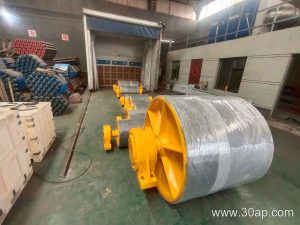
How the Drum Is Built
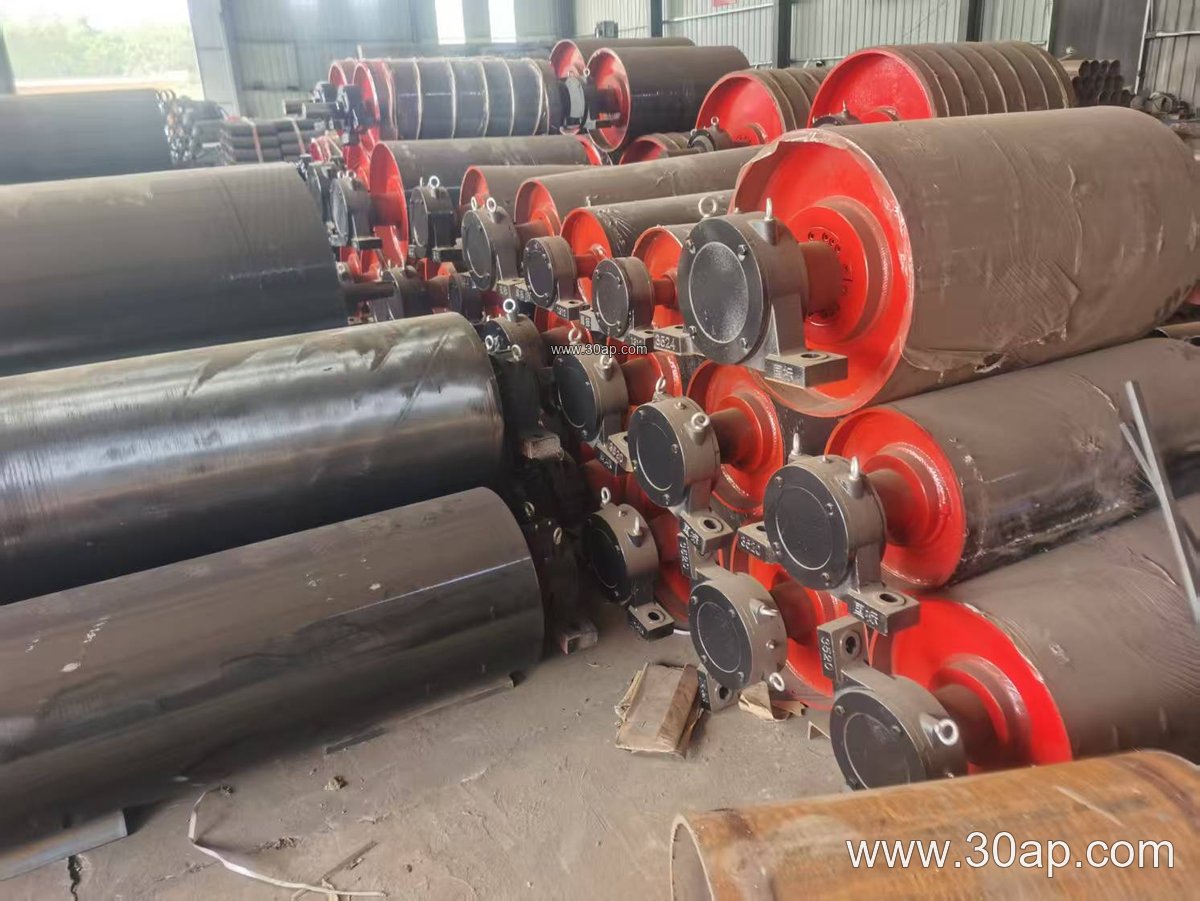
A 500mm diameter conveyor pulley typically has a rolled or seamless steel shell, two end discs, a through shaft, and bearing housings that bolt to the conveyor bracket. The shell face is wider than the belt, so a B500 belt usually runs on a face around 600mm, and a B650 belt on a face around 750mm. Shaft ends are commonly in the Ø80 to Ø140mm range on this diameter, but the final figure comes from the drive torque and the load case, not from a table.
Surface treatment is where most specification decisions happen:
- Plain machined face for light, clean duty
- Cold-bonded rubber or hot-vulcanised rubber for grip and wear life
- Diamond or herringbone grooving for wet or dusty conditions
- Ceramic tiles for very high abrasion at the drive position
Cover thickness is often 8, 10, 12 or 15mm. A 500mm drum with 12mm rubber lagging is a practical choice for a stone crushing line, while a plain face may be enough on a bend pulley in a cement plant transfer tower.
Where This Diameter Fits Best
Two working environments suit this size particularly well. The first is a sand and aggregate plant, where conveyors are short, speeds are moderate, and the belt is usually an EP or NN fabric core type. Here a 500mm diameter conveyor pulley can act as a head pulley on a crusher conveyor or as a tail pulley on a screening feed line. The second is a cement plant, where clinker and raw meal lines use similar drums at transfer points and on shorter additive belts.
On a coal handling system the same drum may appear as a bend or take-up pulley, but flame retardant and anti-static belt requirements then come into the specification. Always match the pulley surface and the belt cover to the material, not the other way round.
Common Reference Sizes
The table below shows typical combinations seen in catalogues and project drawings. Treat these as reference data, not as a supply promise or a fixed rule.
| Belt width | Typical pulley face | Reference pulley diameter | Common shaft range |
|---|---|---|---|
| B500 | about 600mm | Ø400 to Ø500 | Ø60 to Ø100 |
| B650 | about 750mm | Ø500 to Ø630 | Ø70 to Ø120 |
| B800 | about 950mm | Ø500 to Ø800 | Ø80 to Ø140 |
| B1000 | about 1150mm | Ø630 to Ø1000 | Ø90 to Ø160 |
Note that B800 can run with a Ø500 drum or a much larger one. The choice depends on belt stiffness, wrap angle, tension and the space available around the conveyor bracket.
Buyer Checklist Before Ordering
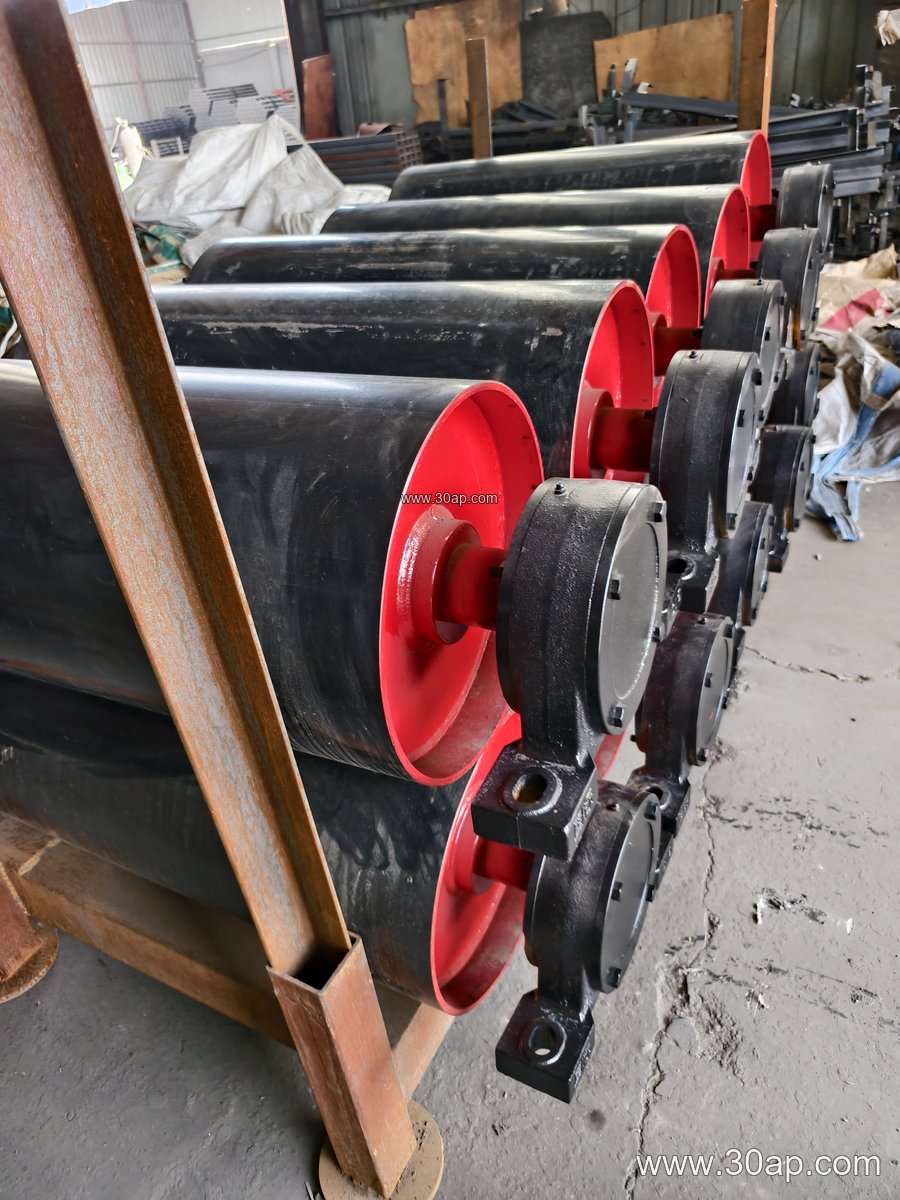
Start with the function. A drive pulley carries torque and needs a keyed or shrink-disc connection plus a lagged face. A tail pulley or take-up pulley mainly guides and tensions the belt, so a plain or lightly lagged face is often enough. A bend pulley only redirects, and its load is lower. These are different jobs, and the drawings should say which one is required.
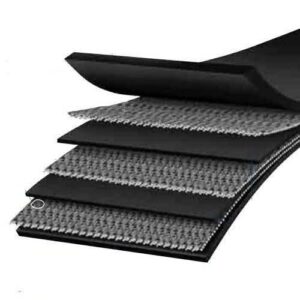
Next, confirm the belt. A heavy-duty mining conveyor belt with a thick cover may need a larger drum to avoid excessive bending stress, while a thin food grade belt on a short line may be happy on a smaller one. Check the belt manufacturer’s minimum pulley diameter for the specific construction rather than assuming.
Finally, check the interface: shaft diameter, bearing type, housing centres, bolt pattern on the conveyor bracket, and the lagging thickness that will still fit the available space. Ask for the balancing grade and the runout tolerance, because a 500mm drum that is out of balance will shorten bearing life and mark the belt.
Maintenance Notes
Inspect lagging wear at the drive position every few months, especially on abrasive ore or clinker duty. Check that the belt tracks centrally, since a worn or unevenly loaded drum will push the belt sideways. Keep the idler roller sets and the pulley face clean, and re-torque bearing housing bolts after the first weeks of running. If the surface is grooved or ceramic, replace tiles or rubber before the shell itself is exposed.
Used correctly, a 500mm diameter conveyor pulley is a durable, easy-to-source component that fits many quarry, cement and bulk handling layouts without the weight and cost of a very large drum.