What a Belt Conveyor Bend Pulley Does
A belt conveyor bend pulley is a direction-changing roller that guides the conveyor belt along its return path, typically positioned near the tail or tensioning zone. Unlike the drive pulley that transmits power or the tail pulley that redirects the belt at the loading end, the bend pulley changes belt direction without driving the belt. This distinction matters because each pulley subtype serves a specific mechanical role, and they are not interchangeable. In a quarry or aggregate line, a bend pulley helps route the belt around structural obstacles, maintaining proper belt wrap on other pulleys and keeping the conveyor profile compact.
Because it does not transmit drive torque, the bend pulley is often smaller in diameter than the drive pulley, though its size must still suit the belt thickness and flexibility. It works in tandem with the conveyor belt, idler roller, and conveyor bracket to keep the system aligned and efficient.
Construction and Surface Options
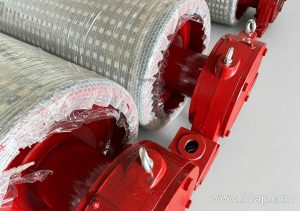
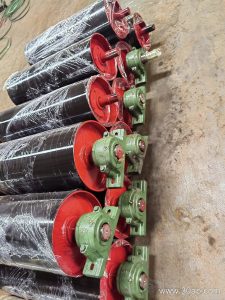
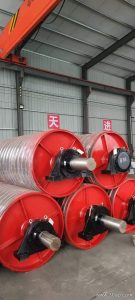
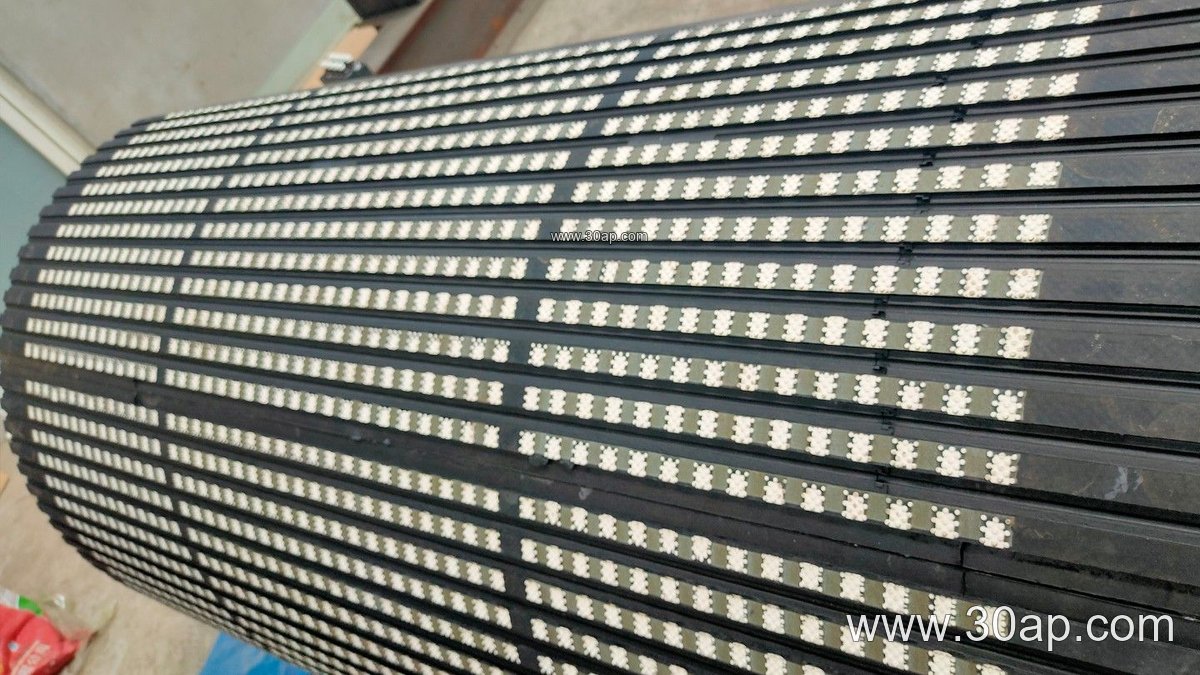
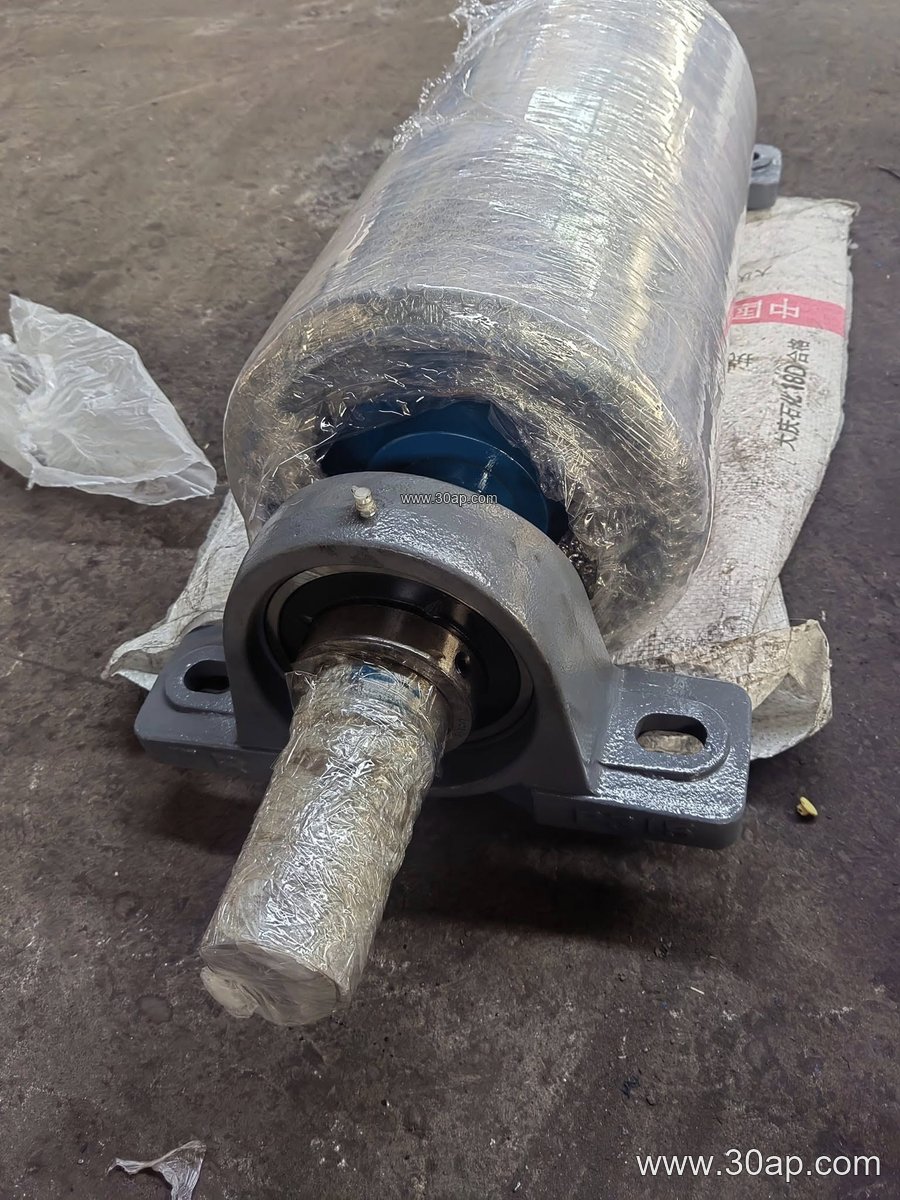
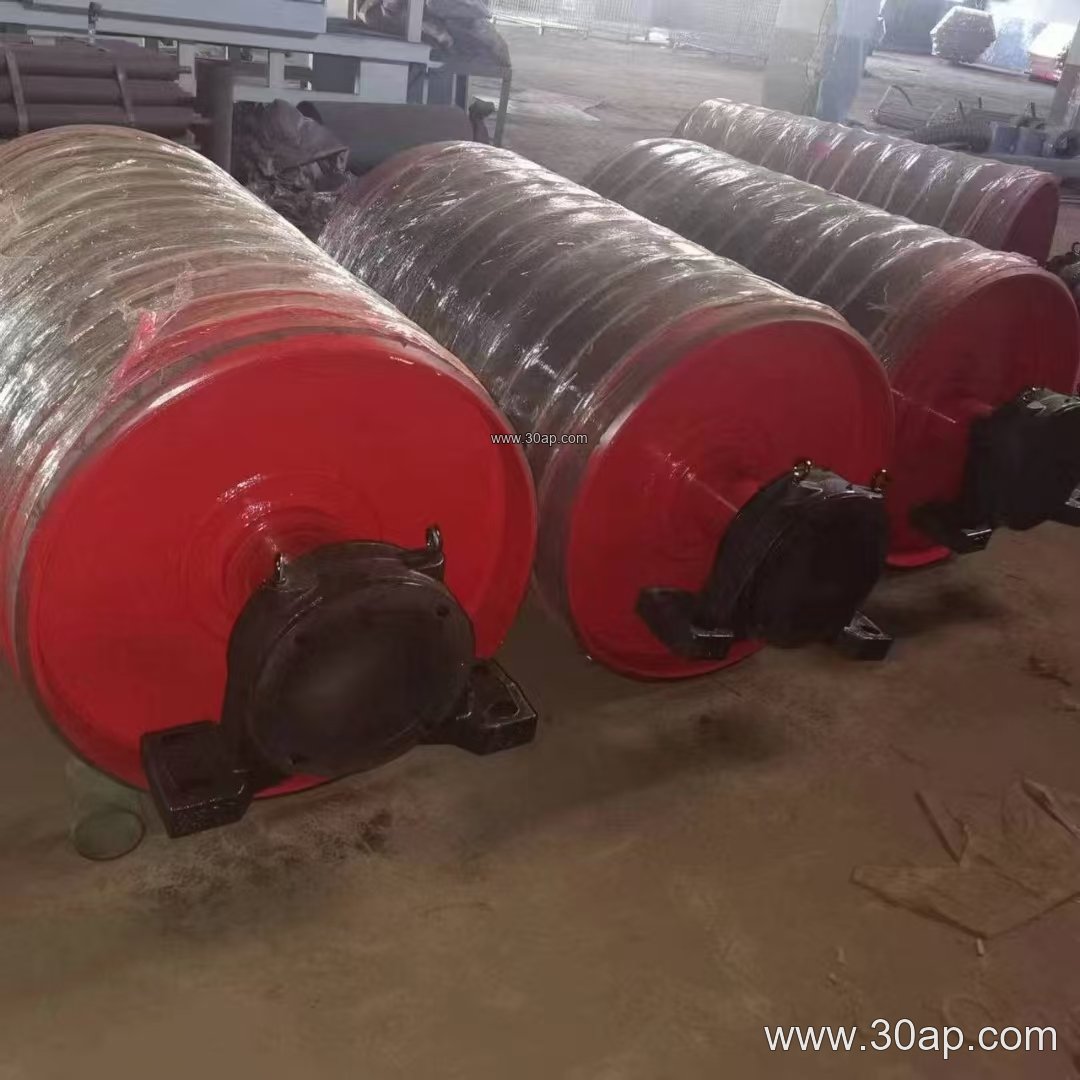
The bend pulley is commonly built with a steel drum, welded end discs, and a through shaft mounted on bearing housings. The shell surface may be plain, rubber-lagged, or ceramic-lagged depending on the need for traction and wear resistance. Rubber lagging is often cold-bonded or hot-vulcanized, with thicknesses typically ranging from 8 mm to 20 mm. Diamond or herringbone patterns can improve grip and shed material in dusty conditions. For abrasive environments such as iron ore or copper ore handling, ceramic lagging may be selected to extend service life.
Common pulley diameters for bend pulleys include Ø200, Ø250, Ø315, Ø400, Ø500, Ø630, and Ø800 mm, with larger sizes available for high-capacity systems. The pulley face width usually exceeds the belt width by about 100 to 200 mm; for example, a B800 belt may use a pulley face around 950 mm, while a B1200 belt might pair with a 1400 mm face. These are typical references, not fixed rules, and final dimensions are determined by the conveyor design. Shaft diameters commonly range from Ø50 to Ø200 mm, selected based on torque and load rather than belt width alone.
Where It Fits in the Conveyor Layout
Bend pulleys are frequently found in the tensioning section, where they help create the necessary belt wrap for the take-up pulley, or at the tail end to guide the belt into the loading zone. In a coal mining conveyor system, a bend pulley may be used to route the belt around a drive station or to clear a structural beam. In a cement plant, it helps maintain belt tension in the clinker transport line. The pulley is often supported by a conveyor bracket that allows adjustment for belt tracking and tension.
When specifying a bend pulley, consider the belt type it will carry. A heavy-duty mining conveyor belt with steel cord reinforcement may require a larger pulley diameter to reduce bending stress, whereas a multi-ply fabric core conveyor belt may operate with a smaller bend pulley. The pulley should also be compatible with the belt’s rated tension and the ambient conditions, such as heat resistance or flame retardancy required in underground coal mining.
Key Selection Considerations for Buyers
Buyers should match the bend pulley to the conveyor’s belt width, belt tension, and environmental demands. The following parameters are commonly reviewed:
- Belt width compatibility: Pulley face width typically exceeds belt width; for instance, B650 may use a 750 mm face, B1000 a 1150 mm face, and B1400 a 1600 mm face.
- Diameter and shaft size: Diameters from Ø200 to Ø800 mm are common, with shaft diameters from Ø50 to Ø160 mm depending on load. Larger diameters reduce belt bending stress.
- Lagging type: Plain, rubber, diamond, or ceramic lagging selected based on traction needs and material abrasiveness.
- Bearing and sealing: Adequate sealing for dusty or wet conditions, especially in quarry or port bulk material handling.
- Belt tracking: Crowned or flat face design, and the ability to adjust the pulley position via the conveyor bracket.
For abrasive applications like a crusher conveyor belt or rock conveyor belt, a lagged bend pulley with wear-resistant rubber can help prevent belt slippage and extend service intervals. In food or clean environments, a plain or food-grade lagging may be preferable. Always confirm the pulley’s dynamic load rating and compatibility with the conveyor belt’s tensile strength, such as EP1000 or ST2000 grades, to avoid premature failure.
Maintenance and Operational Notes
Regular inspection of the bend pulley bearing and lagging is essential. In a sand making plant or aggregate conveyor, dust ingress can shorten bearing life, so sealed-for-life or re-lubrication schedules should be followed. Misalignment of the bend pulley can cause belt edge damage and material spillage; therefore, the conveyor bracket should be checked for secure mounting and adjustability. When replacing a bend pulley, verify that the new unit’s face width, diameter, and shaft size match the original design, and that the lagging type suits the conveyed material. Remember that the bend pulley is a guide component, not a substitute for the drive or tail pulley, and its correct selection contributes to the overall reliability of the conveyor system.