What a Drive Pulley Does on a Conveyor
A drive pulley is the powered drum that transmits torque from the gearbox or motor to the conveyor belt, creating the friction needed to move the load. Often called a head pulley or drive drum, it is the primary traction component at the discharge end of most belt conveyors. In a quarry conveyor line, a limestone mine, or a coal washing plant, the drive pulley sits at the point where material leaves the belt, so its grip and alignment directly affect throughput and belt life.
Unlike a tail pulley or a bend pulley, the drive pulley must handle the full starting and running tension of the system. That is why it is usually the largest and most heavily built drum on the conveyor, with a shaft sized by torque and load rather than by belt width alone.
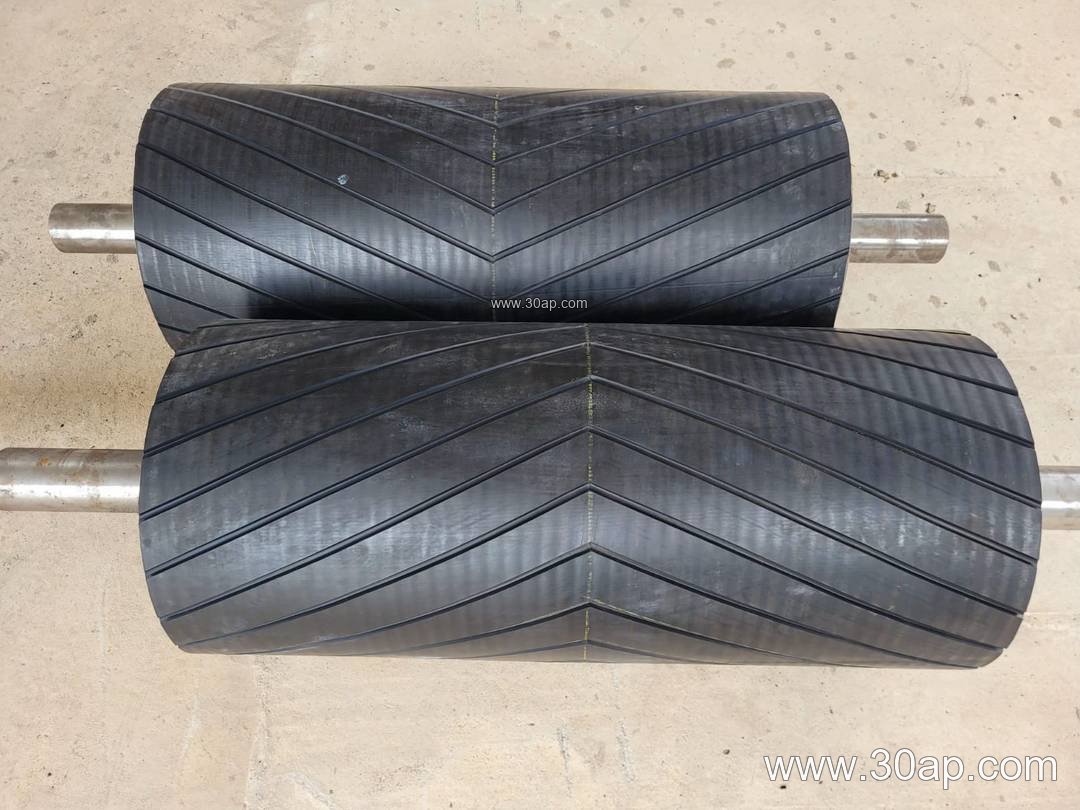
Construction and Surface Options
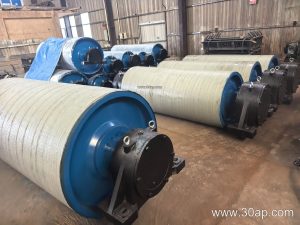
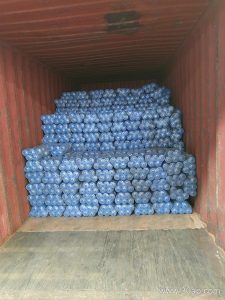
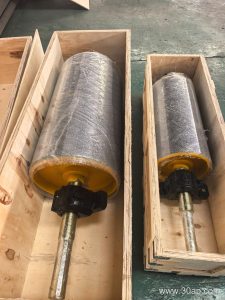
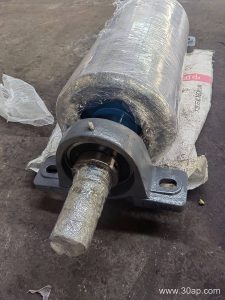
A typical drive pulley consists of a cylindrical shell, end discs, a shaft, and bearing housings. The shell may be plain steel or covered with rubber, ceramic, or other lagging to raise the coefficient of friction. Common surface forms include plain, hot-vulcanized rubber, cold-bonded rubber, diamond grooving, herringbone grooving, and ceramic lagging. Lagging thickness often falls in the 8–20 mm range, depending on the duty and the belt it drives.
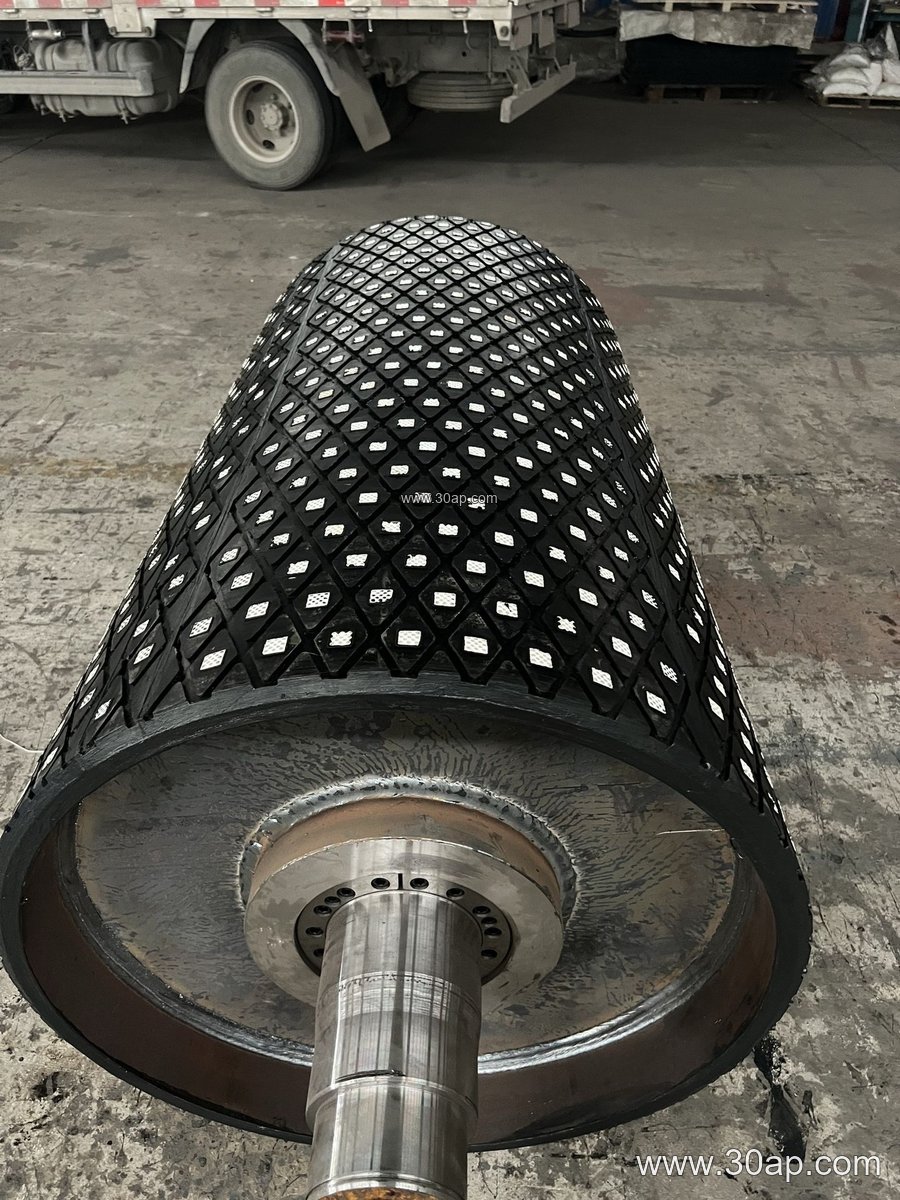
The pulley face width is normally slightly wider than the belt. For example, a B800 belt may run on a pulley face of about 950 mm, while a B1200 belt might use a face around 1400 mm. Diameter is selected from belt tension, wrap angle, and space limits; typical values run from Ø200 up to Ø1800 for heavy-duty applications. Shaft diameters commonly range from Ø50 to Ø200, but the final size must be confirmed by the conveyor designer based on torque and radial load.
Where It Fits in the System
In a stone crushing plant, the drive pulley is often installed at the head of a crusher conveyor belt that carries crushed rock to the screening building. In a power plant coal yard, it may drive a coal mining conveyor belt feeding the boiler bunkers. The same component appears in cement plants, steel mills, port bulk terminals, and underground mining conveyors. Because it works with the conveyor belt and the idler roller set, its alignment and lagging condition affect the whole conveyor, not just the drive station.
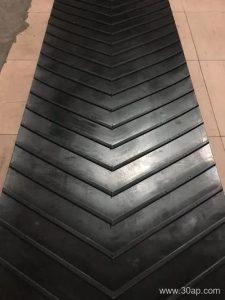
When the conveyor needs extra traction, a ceramic or grooved lagging can help, but it must match the belt cover. A smooth rubber conveyor belt and a heavily grooved pulley may not work well together, while an abrasion resistant conveyor belt in a quarry may benefit from a durable lagging that resists wear.
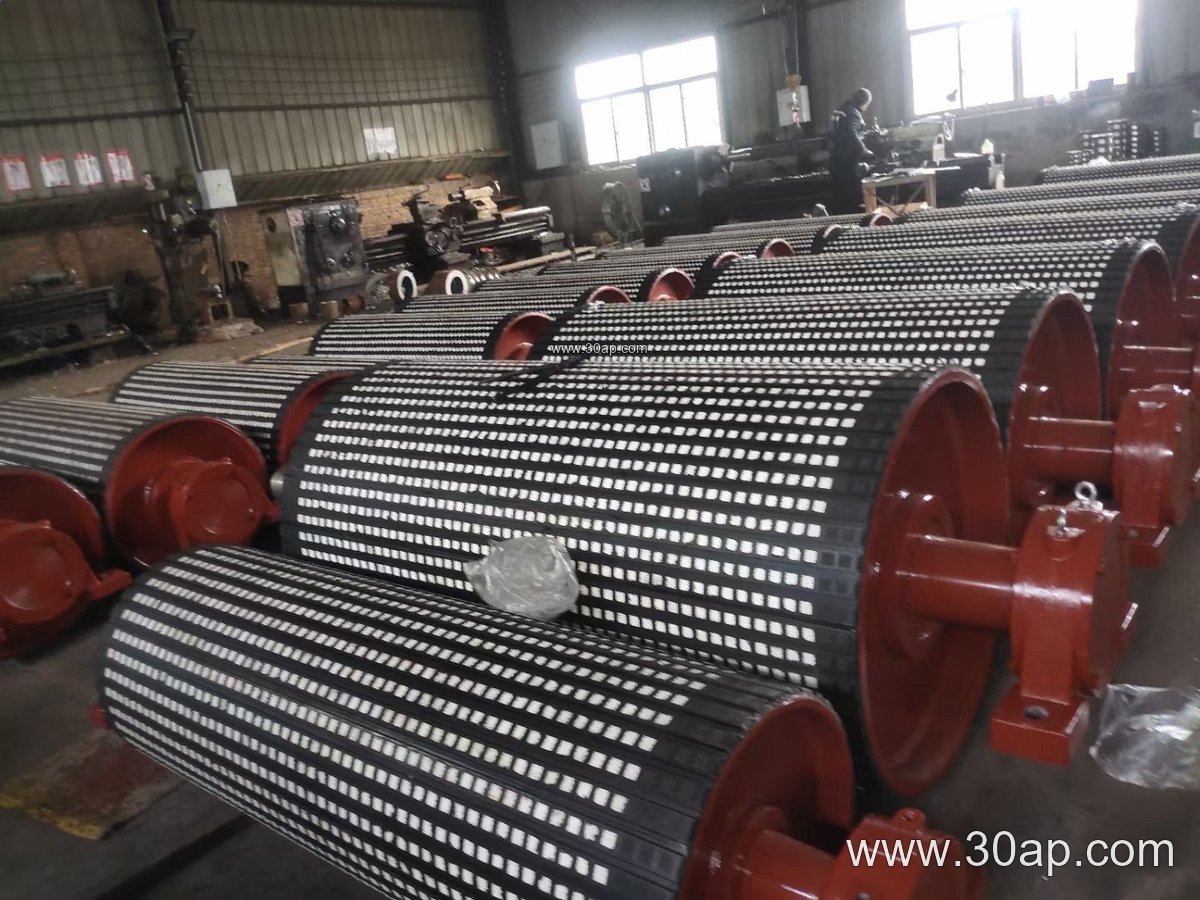
Matching the Drive Pulley to the Belt
Belt construction influences pulley choice. A multi-ply fabric core belt, such as an EP conveyor belt or NN conveyor belt, has different tension and tracking behavior than a steel cord conveyor belt. Heavy-duty mining conveyors often use steel cord or high-strength fabric belts, and the drive pulley must be sized for the higher tensions involved. In underground coal mining, a flame retardant conveyor belt is common, and the pulley lagging should be selected with fire safety in mind.
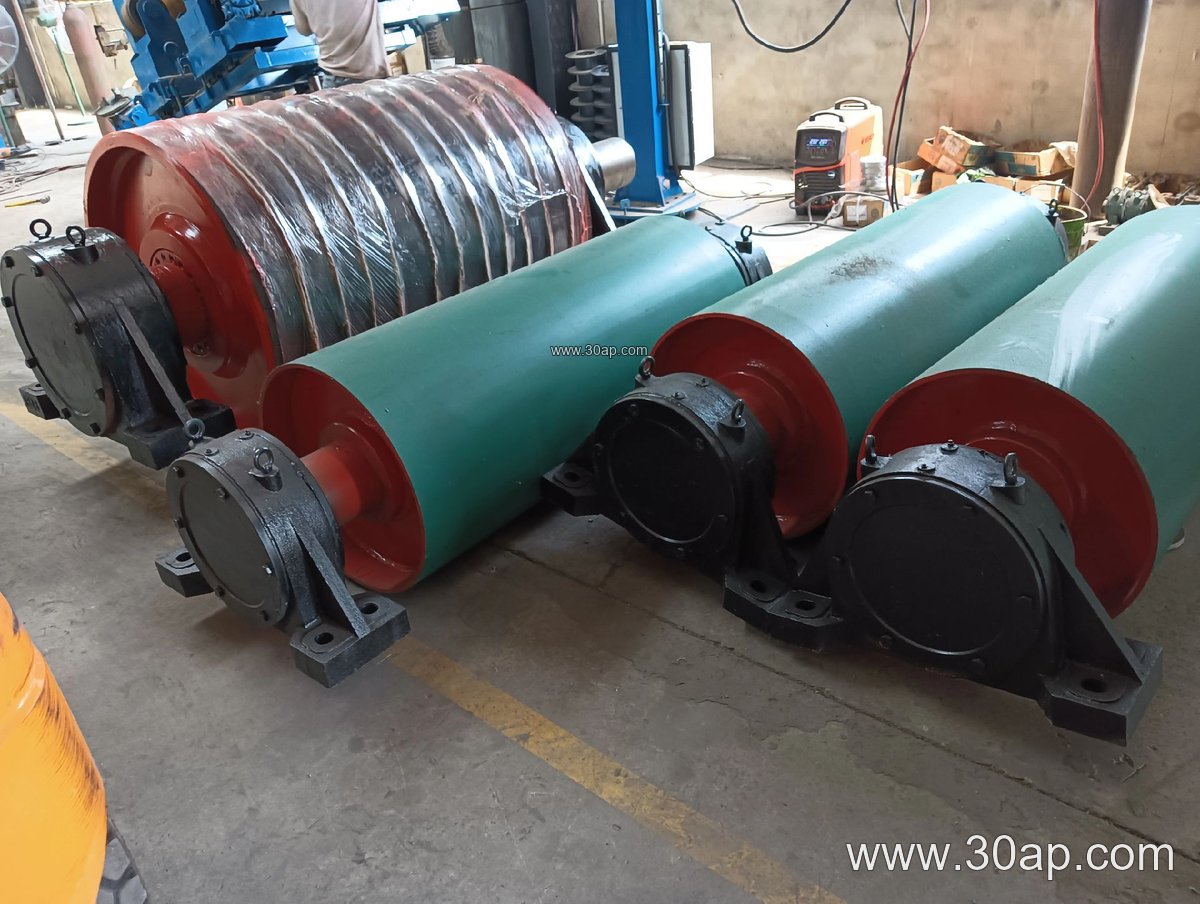
The table below shows common reference combinations; these are examples, not fixed rules.
| Belt Width | Typical Pulley Face | Example Diameter Range | Common Lagging |
|---|---|---|---|
| B500 | ≈600 mm | Ø250–Ø400 | Plain or 8–10 mm rubber |
| B800 | ≈950 mm | Ø400–Ø630 | 10–12 mm rubber or diamond |
| B1200 | ≈1400 mm | Ø630–Ø1000 | 12–15 mm rubber or ceramic |
| B1600 | ≈1800 mm | Ø800–Ø1250 | 15–20 mm rubber or ceramic |
Do not assume that one belt width matches only one pulley diameter. A B1200 conveyor might use a Ø800 drive pulley in a short transfer or a Ø1250 drum in a long, high-tension haul. The correct combination depends on belt speed, wrap angle, and the load profile.
Buyer Checklist
- Confirm the belt width and the required pulley face width, allowing for belt tracking.
- Specify the lagging type and thickness for the material and environment, such as heat resistant or oil resistant duty.
- Provide the conveyor designer with the operating tension so the shaft and bearings can be sized correctly.
- Check that the pulley will fit the conveyor bracket and bearing housing at the drive station.
- For underground or coal applications, verify that the belt and lagging meet the required fire safety level.
Whether the conveyor handles ore, aggregate, cement clinker, or grain, the drive pulley remains the traction point that keeps the belt moving. A well-matched drum, lagging, and shaft assembly will outlast a poorly specified one and reduce unplanned stops in the plant.