What the ST2000 Conveyor Belt Is
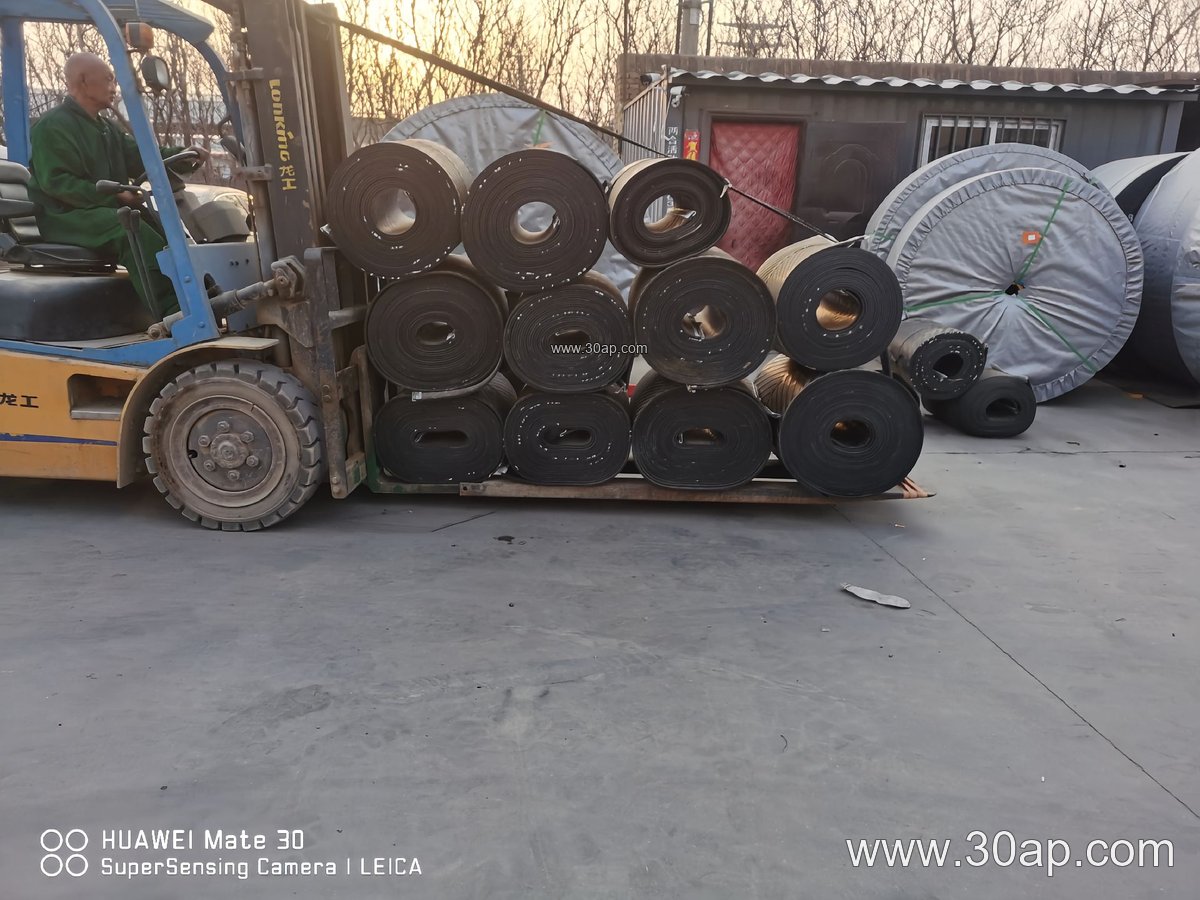
The ST2000 Conveyor Belt is a steel cord conveyor belt with a nominal tensile strength of 2000 N/mm. It sits in the upper-middle range of the steel cord family, above ST1600 and below ST2500 and ST3150. In plants that move large tonnages over long distances, this belt is often the working backbone between the crushing point and the stockpile or load-out station.
Because the carcass is made of steel cords rather than fabric plies, the belt stretches very little under load. That property keeps the take-up travel modest and helps maintain a stable trough shape on long inclines. A steel cord belt is not the same product as an EP conveyor belt or an NN conveyor belt, and the three should not be treated as drop-in substitutes.
Construction and Typical Build
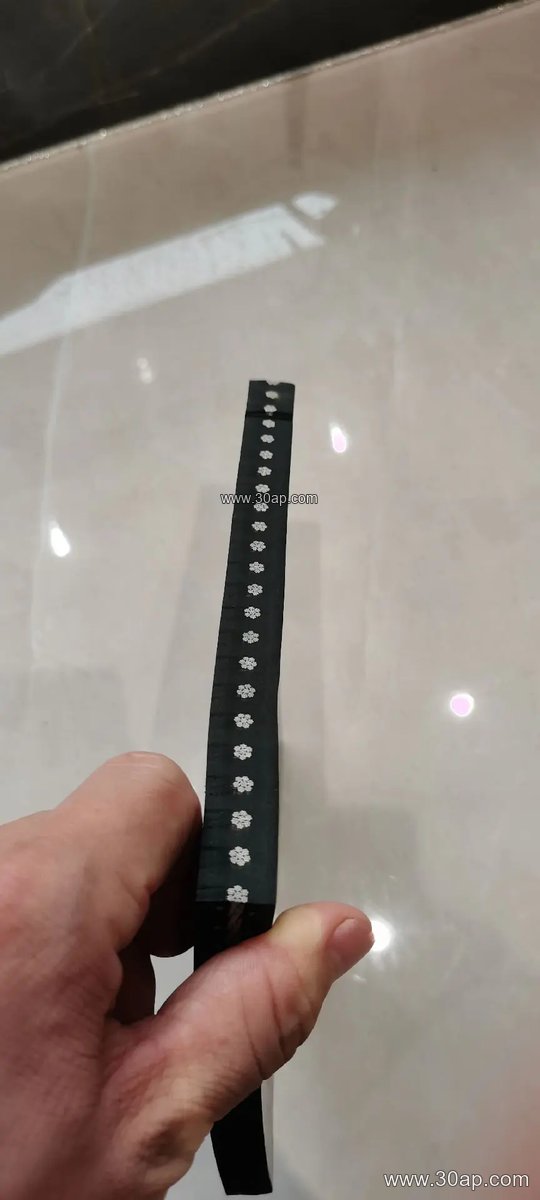
The carcass consists of parallel brass-coated steel cords embedded in a rubber core compound. Top and bottom cover rubber protect the cords from impact, abrasion and moisture. Cover thickness is selected by the duty, not by the belt width alone, and common combinations include 6+2 mm, 8+3 mm and heavier builds for high-impact loading points.
- Steel cord carcass with cord pitch and diameter fixed by the manufacturer
- Adhesion compound between cords and covers
- Top cover for abrasion, heat, oil or flame resistance as required
- Bottom cover for pulley contact and protection against fines
Joining is usually done by vulcanized splice. The splice is a workshop or field operation with its own quality requirements, and it deserves attention during planning because a poor splice shortens belt life more than most other factors.
Where It Fits in a Conveyor
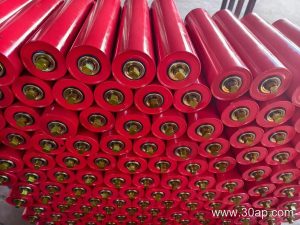
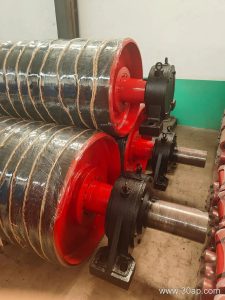
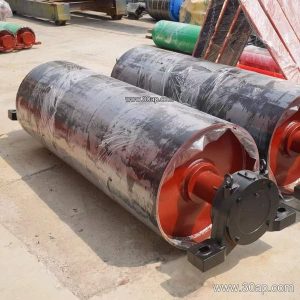
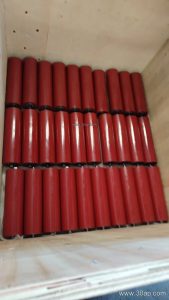
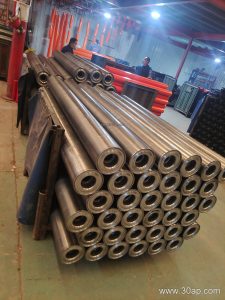
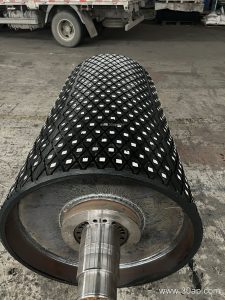
The belt runs over a drive pulley, a tail pulley and bend pulleys, supported by idler rollers along the carrying and return strands. These parts are not interchangeable: a drive pulley transmits torque, a tail pulley redirects the belt at the loading end, and a bend pulley changes direction along the route. Conveyor brackets and frames hold the idlers and pulleys in alignment, and misalignment here causes edge wear and tracking problems.
Typical duty areas include mines, coal preparation plants, cement works, power stations, steel plants and large quarry or aggregate operations. In a cement plant the belt may carry limestone from the crusher; in a power plant it may handle coal; in an iron ore or copper ore terminal it may run at high capacity over several kilometres. Where the environment is dusty and potentially explosive, a flame retardant conveyor belt with anti-static properties is normally specified.
Common Specifications and Selection Points
The table below shows reference values that appear in project specifications. They are not universal rules, and final data should come from the belt manufacturer’s datasheet for the selected construction.
| Parameter | Reference Range |
|---|---|
| Tensile strength | ST2000, nominal 2000 N/mm |
| Belt width | B800, B1000, B1200, B1400, B1600, B1800, B2000 |
| Cover thickness | 6+2 mm, 8+3 mm and heavier by design |
| Cover grade | Abrasion resistant, heat resistant, flame retardant, oil resistant, cold resistant |
| Splice | Vulcanized, stepped or finger type by manufacturer |
Belt width and pulley diameter are matched through conveyor design calculations, not by a single fixed rule. A 1200 mm wide belt can serve different pulley sizes depending on tension, cord diameter and wrap angle, so a shaft diameter should never be assumed from width alone.
Buyer Checklist
- Confirm the actual maximum tension and safety factor before choosing ST2000 rather than ST1600 or ST2500.
- State the material, lump size, temperature and any oil or chemical exposure so the cover grade is correct.
- Check whether flame retardant and anti-static properties are required by the site’s risk assessment.
- Review pulley diameters, idler spacing and transition distance with the belt supplier.
- Plan splice equipment, trained crews and spare belt length before installation.
- Ask for the manufacturer’s cord diameter, pitch and recommended minimum pulley data.
For a broader view of matching components such as the conveyor belt, idler roller, conveyor pulley and conveyor bracket, keep the whole conveyor layout in mind rather than the belt in isolation. A well-matched ST2000 installation in a mine, coal plant or cement line usually reflects careful engineering at the selection stage more than any single product feature.