Introduction to Structural Support in Heavy Industry
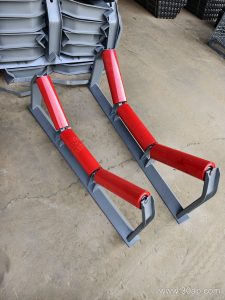
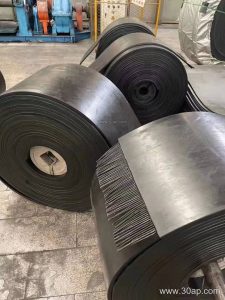
In a demanding aggregate plant or a high-capacity limestone quarry, the continuous movement of raw materials relies on a sturdy mechanical framework. At the heart of this framework is the Carbon Steel Conveyor Bracket, an essential component designed to securely hold individual components in place under heavy working loads. Whether material is moving along a heavy-duty Steel Cord Conveyor Belt or a standard EP Conveyor Belt, proper physical support prevents structural sagging and ensures smooth operational flow.
Designing and Selecting Troughing Angles
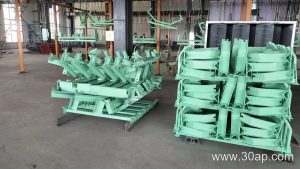
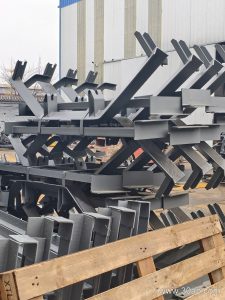
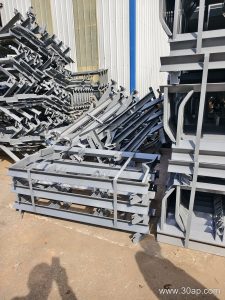
The configuration of an industrial conveyor line heavily depends on how the troughing angles are engineered. The Carbon Steel Conveyor Bracket is commonly manufactured using robust angle iron, heavy-duty channel steel, or precision-formed steel plates to withstand continuous vibration and impact.
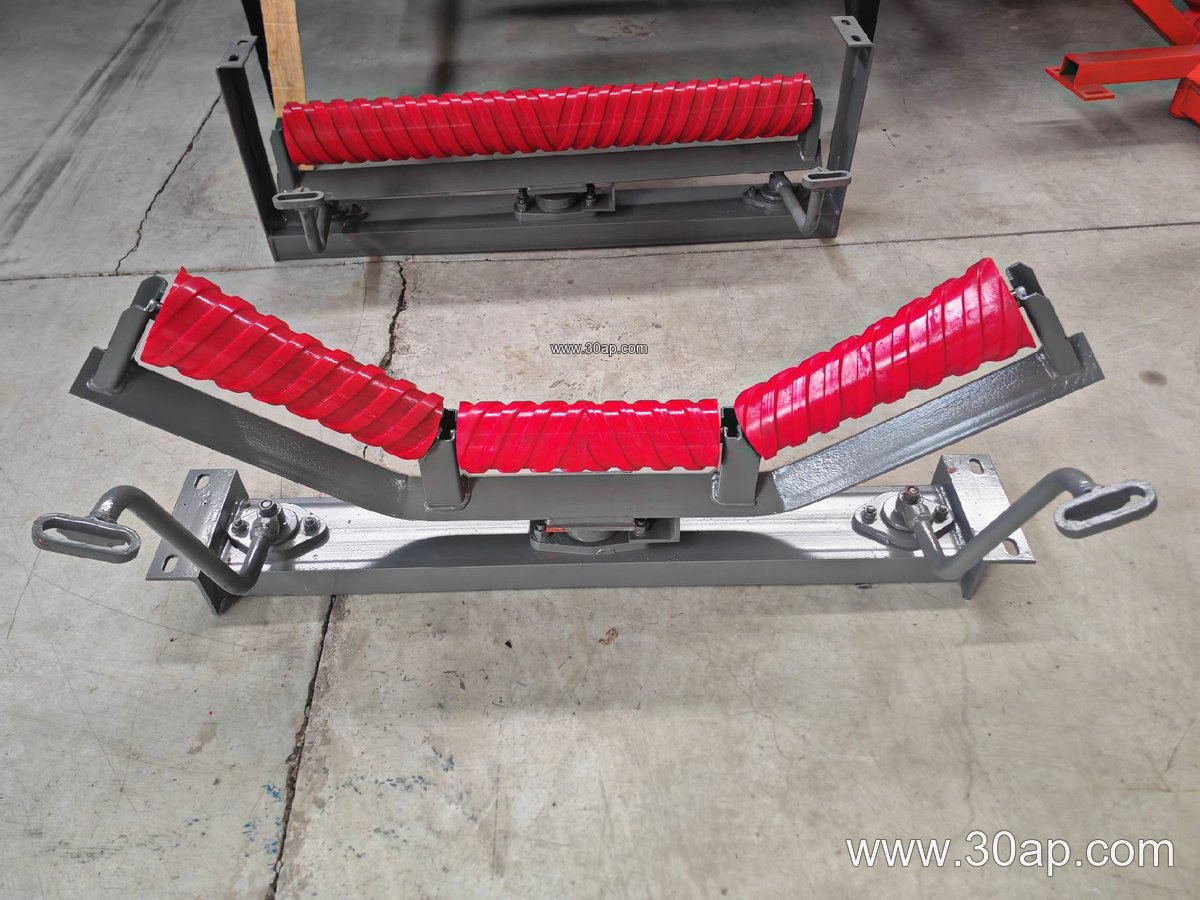
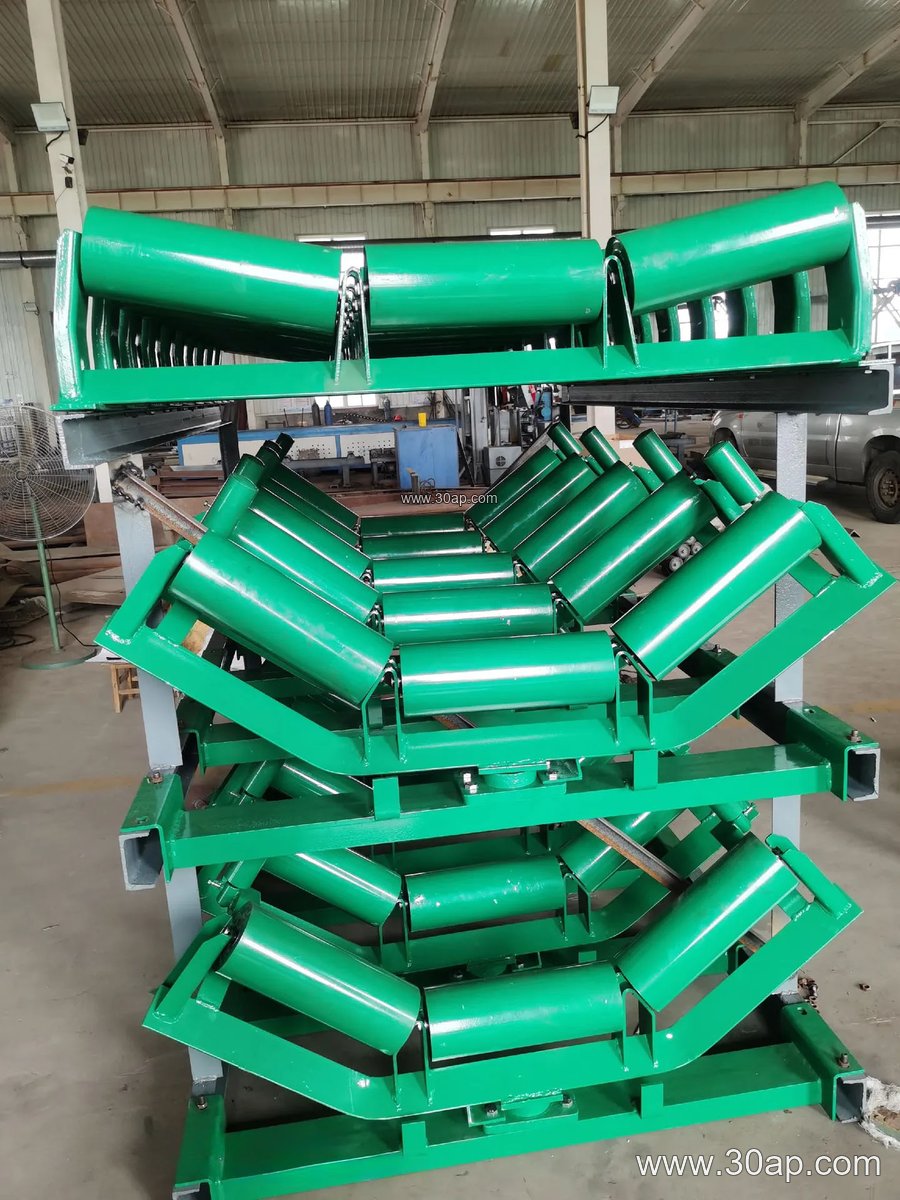
When planning a system layout, engineers evaluate the relationship between belt widths, troughing angles, and corresponding roller diameters. For instance, operations handling abrasive rock or heavy stone often utilize specific configurations to optimize material containment.
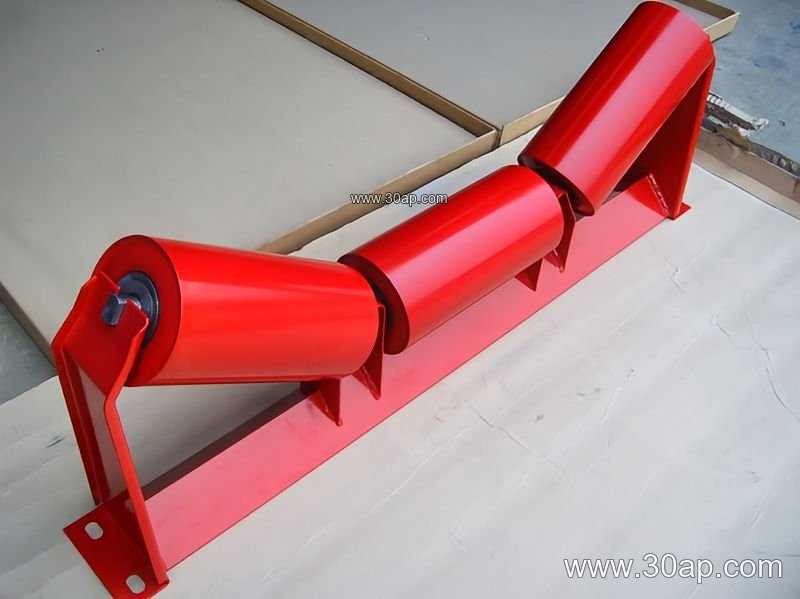
Reference Design Matrix
- Bandwidth B500: Trough Angles at 20 Degrees, 30 Degrees, or 35 Degrees; Roller Diameters Ø89 or Ø108
- Bandwidth B800: Trough Angles at 30 Degrees, 35 Degrees, or 45 Degrees; Roller Diameters Ø108 or Ø133
- Bandwidth B1200: Trough Angles at 35 Degrees or 45 Degrees; Roller Diameters Ø133 or Ø159
- Bandwidth B1600: Trough Angles at 35 Degrees or 45 Degrees; Roller Diameters Ø159 or Ø194
These values serve purely as reference data for design flexibility. A single belt width does not strictly dictate one fixed roller diameter or trough angle; engineers configure these parameters according to total load weight, material density, and conveyor velocity.
Integration with Rollers and Pulley Assemblies
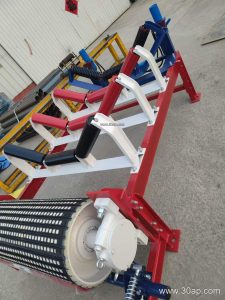
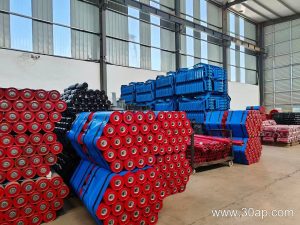
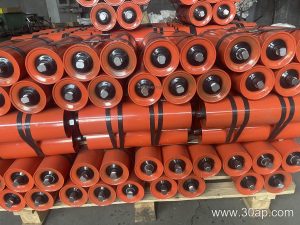
A reliable material handling line requires seamless coordination between the supporting framework, the rotating idler roller units, and the main drive or tail components. While a heavy-duty conveyor pulley manages the directional pull of the loop, the intermediate framework maintains the precise profile of the carrying run.
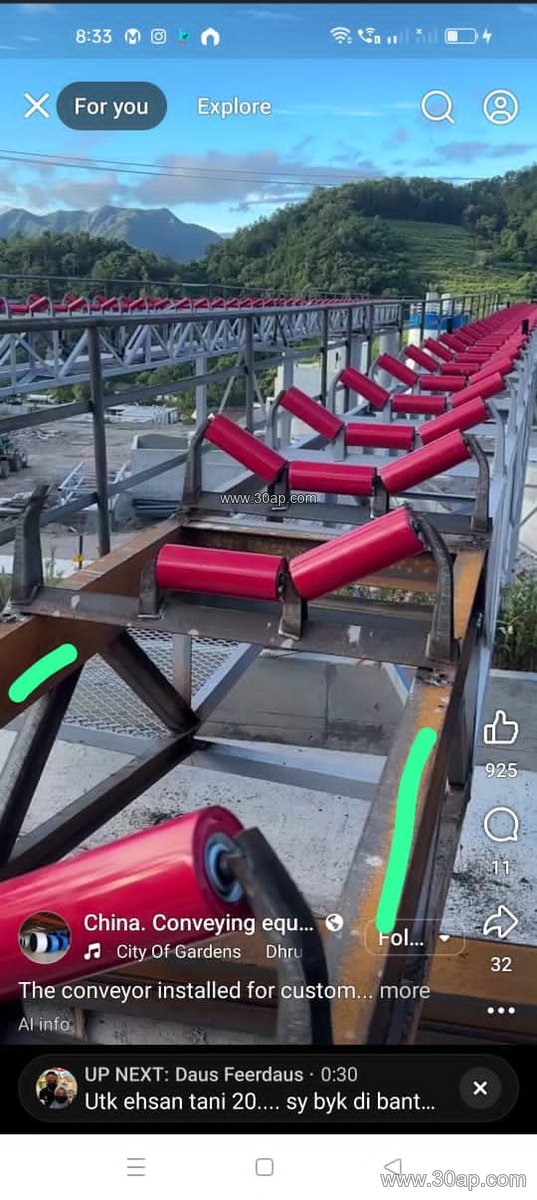
Using a well-engineered Carbon Steel Conveyor Bracket ensures that the idlers remain properly spaced and aligned. Misalignment between adjacent sections can lead to uneven wear on a thick Abrasion Resistant Conveyor Belt or cause premature bearing fatigue in the rotating rolls.
Maintenance and Inspection Best Practices
Routine inspections in busy processing facilities help extend the service life of both structural frameworks and moving parts. Technicians should periodically check bolt torques, inspect welded joints for stress cracking caused by constant vibration, and clear accumulated debris around the base mounting plates. Ensuring that every Carbon Steel Conveyor Bracket remains rigidly anchored guarantees long-term mechanical stability across the entire industrial line.