What a Conveyor Carrying Bracket Does
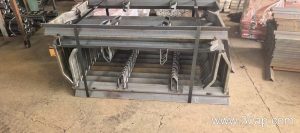
A conveyor carrying bracket is the structural frame that holds the idler rollers in place along the load-carrying side of a belt conveyor. It sits between the long stringers or side rails and the rollers, transferring the weight of the belt and the bulk material down into the conveyor frame. In a quarry, a cement plant, or a power plant coal yard, these brackets are repeated every few metres, so small differences in design add up over hundreds of metres of line.
The bracket is usually described by its function rather than by a single part number. A troughing carrying bracket sets the rollers at an angle so the belt forms a trough; a return bracket supports the empty belt on its way back. The same product family also includes transition brackets at the head and tail, impact brackets under loading points, and self-aligning brackets that correct belt drift.
Construction and Materials
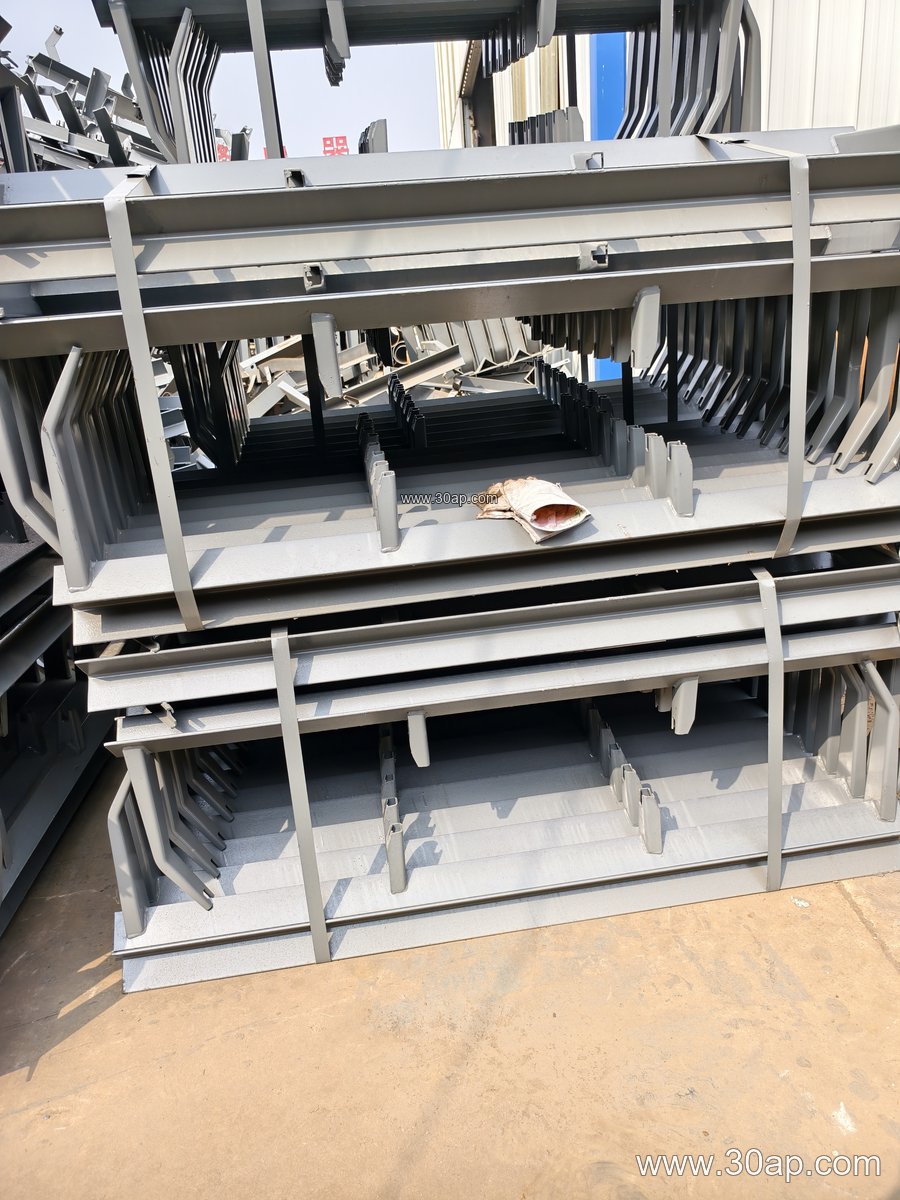
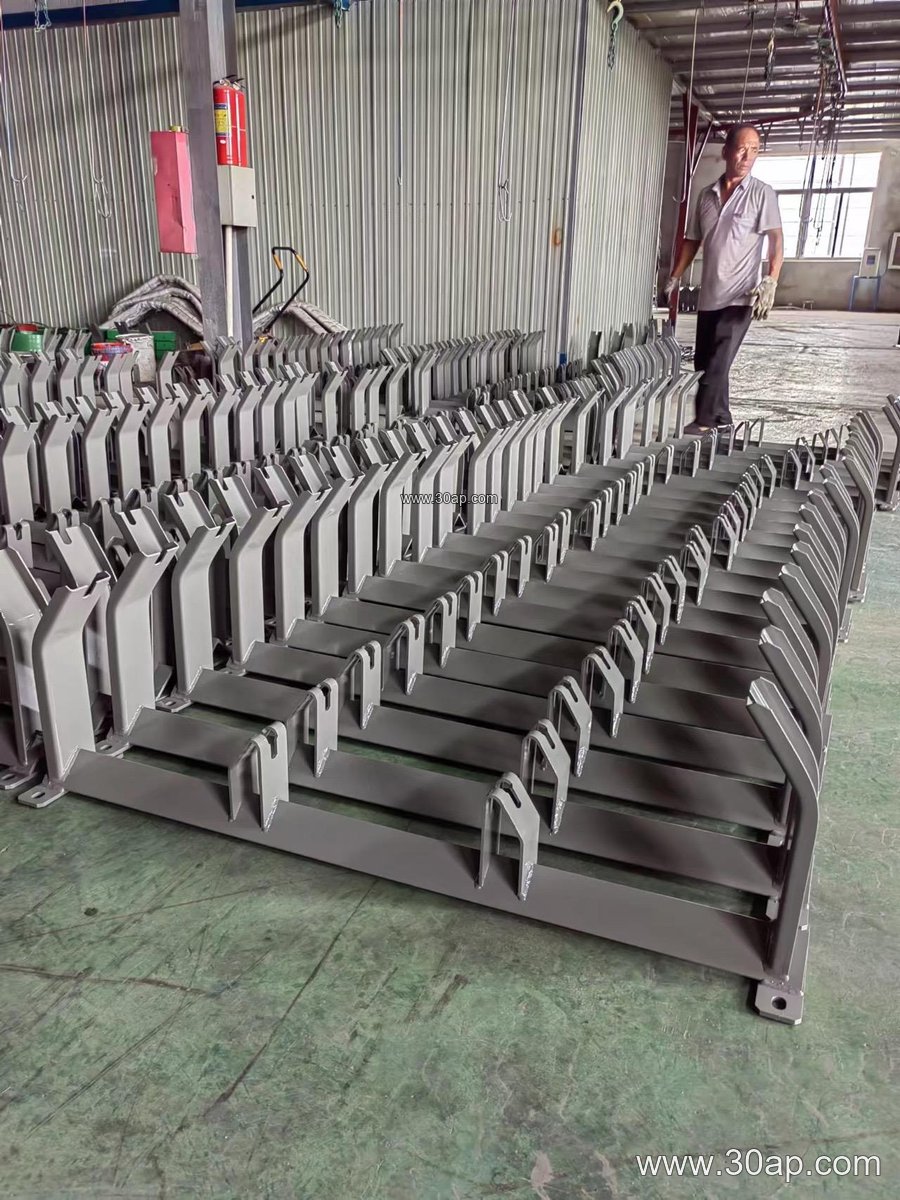
Most carrying brackets are welded or bolted assemblies made from angle steel, channel steel, or folded steel plate. The frame needs enough stiffness to keep the roller axes parallel, because a twisted bracket causes uneven belt loading and premature roller wear. Typical features include:
- Slotted or drilled mounting holes that allow adjustment during installation
- Roller seats shaped to match the shaft ends of the idler rollers
- Cross beams sized to the belt width and trough angle
- Hot-dip galvanized or painted finishes for dusty, humid, or outdoor service
Material thickness and weld quality matter more than cosmetic finish. A bracket that flexes under a heavy load will let the belt sag between rollers, which increases rolling resistance and can damage the conveyor belt edge.
Troughing Angle and Roller Diameter
The carrying bracket determines the trough angle, and the angle affects how much material the belt can hold without spillage. Common trough angles are 20, 30, 35, and 45 degrees. Adjustable brackets can be set between these angles on site, which is useful when the material or the belt loading changes. Forward-tilted designs, often around 1.5 to 2 degrees, help keep the belt centred on the carrying side.
Roller diameter is chosen with the belt width and the load in mind. Common idler roller diameters include Ø89, Ø108, Ø133, Ø159, and Ø194. A typical combination might be written as B800, 35 degrees, Ø108, or B1200, 45 degrees, Ø133. These are reference combinations, not fixed rules; belt width, trough angle, and roller diameter are selected together with the conveyor design, and the mounting hole spacing and cross beam length change with them.
| Belt width | Trough angle | Typical roller diameter |
|---|---|---|
| B500 | 20 to 30 degrees | Ø89 |
| B650 | 30 degrees | Ø89 to Ø108 |
| B800 | 30 to 35 degrees | Ø108 |
| B1000 | 35 degrees | Ø108 to Ø133 |
| B1200 | 35 to 45 degrees | Ø133 |
| B1400 | 35 to 45 degrees | Ø133 to Ø159 |
| B1600 | 35 to 45 degrees | Ø159 |
| B1800 | 35 to 45 degrees | Ø159 to Ø194 |
| B2000 | 35 to 45 degrees | Ø194 |
Where Carrying Brackets Are Used
In a limestone quarry or a sand and gravel line, troughing carrying brackets support the belt through the crushing and screening circuit, where impact and abrasion are constant. In a coal washing plant or a power plant coal handling system, flame retardant and anti-static belts are common, and the brackets must be spaced to keep the belt stable through transfer points. The same bracket family appears in cement plants, steel plants, port loading systems, and tunnel spoil removal lines.
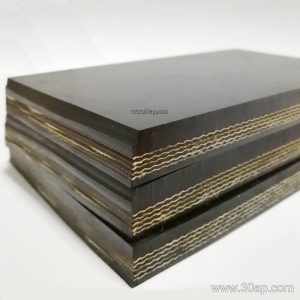
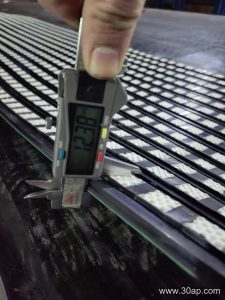
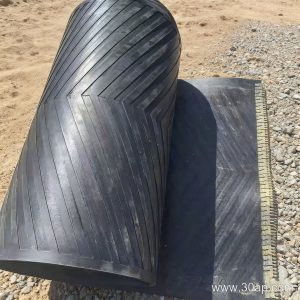
A carrying bracket works together with the belt and the rollers. An abrasion resistant conveyor belt on a properly aligned bracket lasts longer, and a heavy-duty mining conveyor belt needs brackets with enough stiffness for the load. Where the belt is steeply inclined or carries sticky material, corrugated sidewall or skirted belts may need modified bracket layouts, while a pipe conveyor belt uses a completely different support arrangement.
Buyer Checklist
Before ordering, confirm the belt width, the required trough angle, the roller diameter, and the mounting hole spacing on the existing frame. Ask whether the bracket is fixed or adjustable, and whether it is for the carrying side or the return side. Check the steel grade and surface treatment against the site conditions, since a wash plant and a dry cement kiln area place different demands on the frame.
For replacement work, measure the old bracket rather than assuming a standard size. For new conveyors, match the bracket to the idler roller and the pulley layout so the belt runs true from the start. More conveyor bracket details and compatible components can be reviewed at www.beltconveyorparts.com before a final selection is made.