Conveyor Belt Fundamentals: More Than a Moving Surface
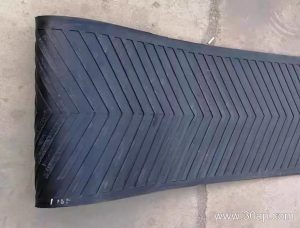
The conveyor belt remains the backbone of modern material handling, yet its selection is often reduced to width and length. A poorly chosen belt costs downtime, energy, and product damage. This guide focuses on the conveyor belt itself—its carcass, cover, and splice—so you can specify with confidence.
Key Selection Criteria
- Material compatibility: Match the cover compound (rubber, PVC, or polyurethane) to the conveyed product’s temperature, abrasiveness, and chemical exposure.
- Tensile strength: Calculate the working tension per ply or steel-cord rating. Undersizing leads to stretch and premature failure.
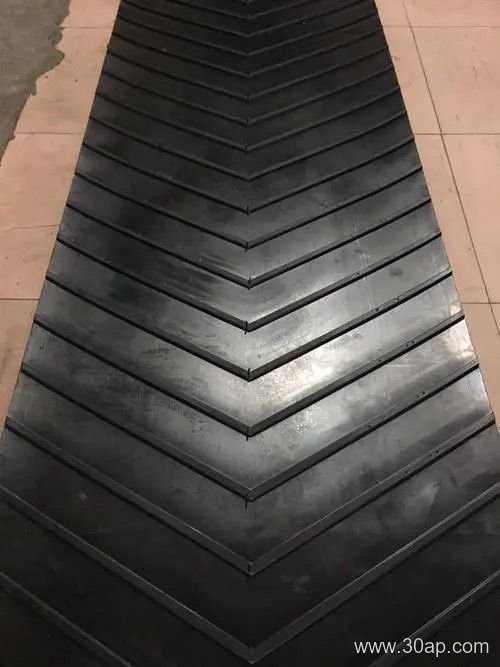
- Belt thickness and profile: For incline or decline applications, choose chevron or cleated profiles to prevent backsliding.
Purchasing Advice
- Request a data sheet that states belt breaking strength, elongation at break, and minimum pulley diameter.
- Verify splice type—mechanical fasteners suit quick repairs, while vulcanized splices offer smoother operation and longer life.
- Always order a spare belt length or at least 2% extra for tensioning and take-up adjustments.
Inspect the belt’s edge quality and cover hardness (Shore A) before delivery. A balanced conveyor belt, correctly tensioned and aligned, reduces wear on idlers and drives. When in doubt, consult the belt manufacturer’s engineering manual—your conveyor’s longevity starts with the belt itself.
Idler Roller: The Backbone of Your Conveyor System
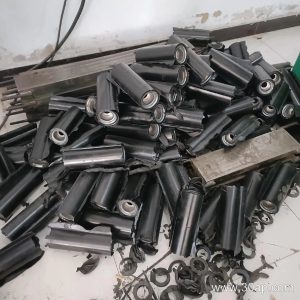
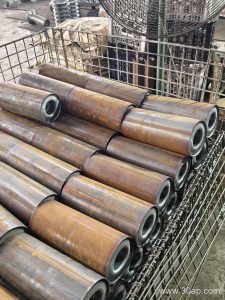
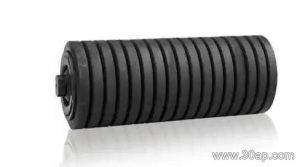
An idler roller is not just a rotating cylinder—it is the critical support that shapes your belt’s path, absorbs impact, and minimizes friction. Selecting the wrong one can lead to belt misalignment, premature wear, and costly downtime. This guide focuses on what matters when buying idler rollers for bulk handling or package conveyors.
Key Selection Factors
- Load and Belt Speed: Heavier loads require larger diameter rollers and thicker walls. High-speed belts need precision bearings to reduce heat and vibration.
- Material and Environment: For dusty, wet, or corrosive settings, choose sealed bearings and steel or polymer shells with protective coatings. For food or cleanroom use, opt for FDA-compliant materials.
- Roller Type: Troughing idlers (20°, 35°, 45°) shape the belt for bulk material. Return idlers support the empty belt. Impact idlers at loading zones need rubber rings to absorb shock.
Purchasing Advice
Always verify the idler roller’s CEMA rating (B, C, D, E) against your actual load. Check the bearing clearance—C3 or C4 is standard for thermal expansion. Request a sample to test run-out (maximum 0.030” total) and ensure the shell thickness matches your abrasive material. Invest in rollers with labyrinth seals and a greaseable option for extended life. Finally, confirm shaft ends and frame dimensions match your existing conveyor to avoid retrofit costs.
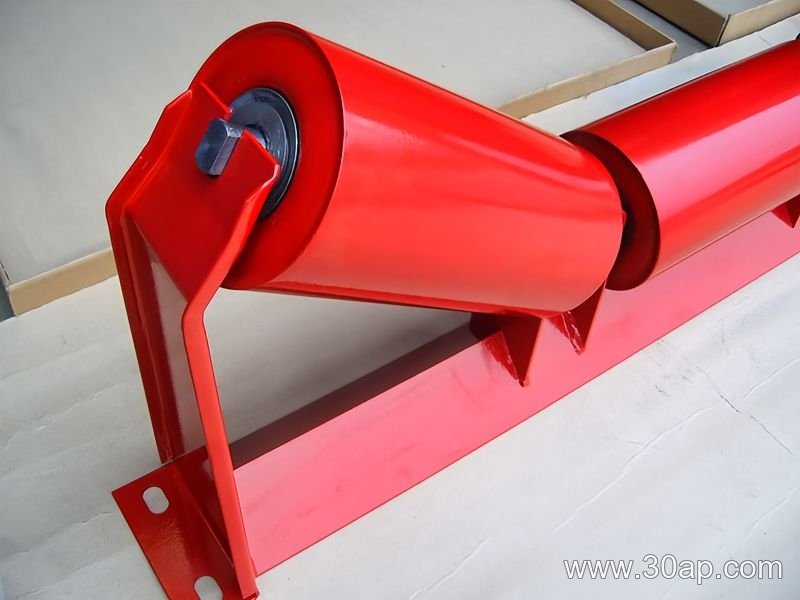
Remember, a quality idler roller pays for itself through fewer belt repairs and lower energy consumption. Prioritize suppliers that offer consistent tolerances and a warranty on bearing life.
Why the Conveyor Pulley Dictates System Reliability
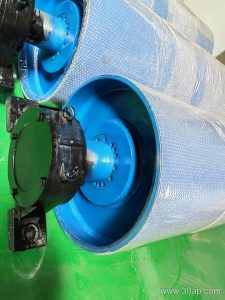
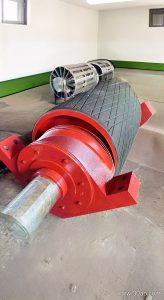
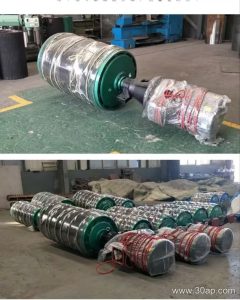
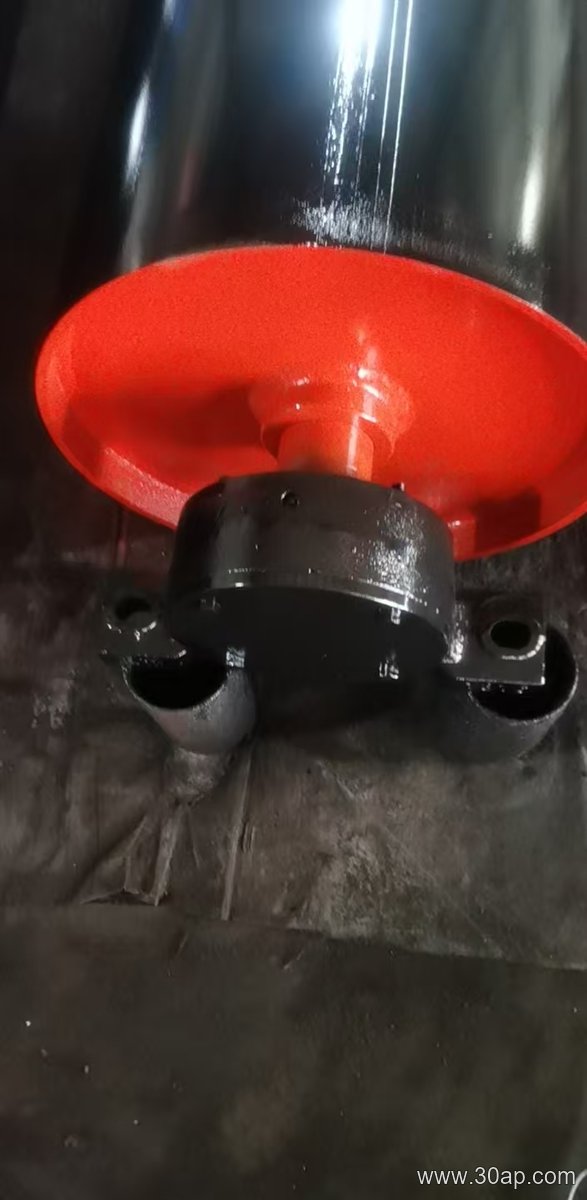
The conveyor pulley is not a passive roller; it is the torque-transferring interface that drives belt tension, tracking, and overall throughput. Selecting the wrong pulley leads to belt slippage, misalignment, and costly downtime.
Key Engineering Criteria for Pulley Procurement
- Shell thickness & face width must match belt width and dynamic load to prevent deflection and fatigue cracking.
- Shaft diameter and bearing rating should be calculated from peak torque and sag, not average load.
- Crown or lagging profile (diamond, herringbone, or smooth) affects belt centering and friction in wet or dusty environments.
Purchase Checklist for Industrial Buyers
- Verify the pulley’s minimum diameter against your belt’s carcass specification to avoid over-stressing the fabric or steel cords.
- Specify weld quality and certify full penetration for high-cycle applications.
- Request balancing reports for speeds above 600 fpm to reduce vibration.
- Choose replaceable lagging or ceramic tiles if abrasion is severe.
- Confirm hub and bushing system matches your existing shaft retention method.
For long-term value, audit the pulley’s TIR (total indicated runout) before installation and always stock a spare head pulley—it is the single most failure-prone point in any conveyor line.
What Is a Conveyor Bracket and Why It Matters
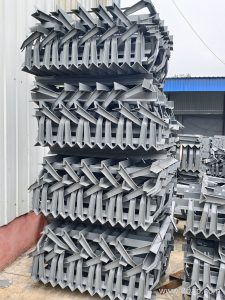
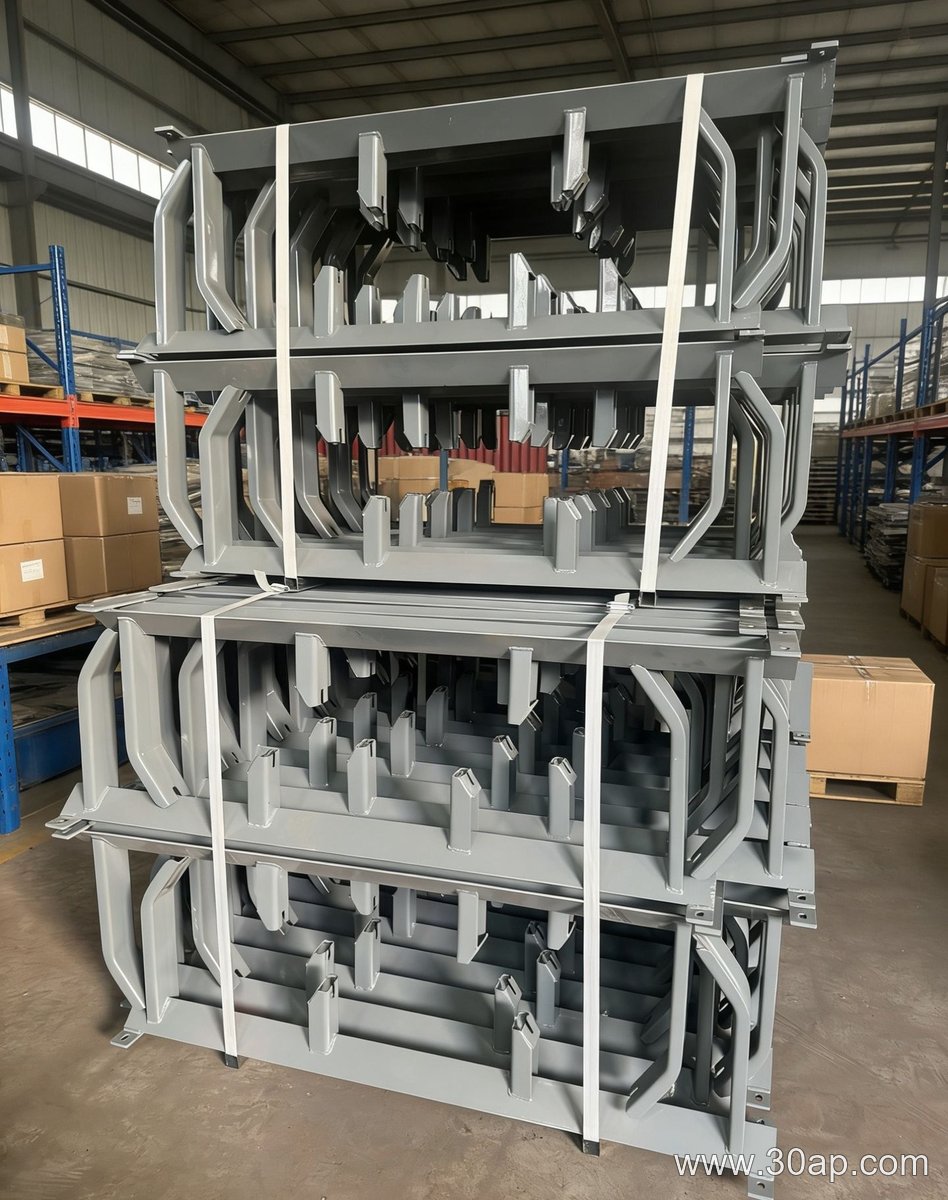
A conveyor bracket is the structural component that secures rollers, idlers, and frames to the supporting steelwork. Without a properly engineered bracket, even the best belt or chain system will misalign, vibrate, or fail under load. Industrial buyers must prioritize bracket material, load rating, and corrosion resistance—not just price.
Key Selection Criteria
- Material: Choose galvanized steel for wet or dusty environments, stainless for food or chemical lines, and powder-coated carbon steel for general use.
- Adjustability: Slotted or multi-hole brackets allow quick belt tracking corrections, reducing downtime.
- Compatibility: Match the bracket’s bolt pattern and center distance to your existing roller or idler specifications.
Purchasing Advice
Always request load-test data and check for weld quality or forging marks. Buy from suppliers who offer dimensional drawings in DXF or PDF. For high-speed conveyors, invest in brackets with rubber or polyurethane cushioning to dampen impact. Finally, order 5% extra as spares—they are cheap insurance against unexpected line stops.