What a Rubber Impact Idler Does at the Loading Point
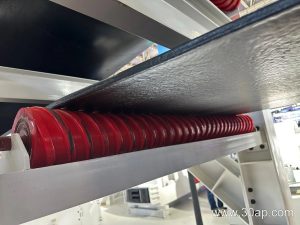
At the transfer point where bulk material first lands on a conveyor belt, the belt and the idler roller frame take a repeated hammering. A rubber impact idler is designed for exactly that position. Instead of a bare steel shell, it carries rubber rings or a rubber-covered surface that absorbs the energy of falling rock, ore, coal, or aggregate. The result is less shock transferred into the belt, the bracket, and the roller bearings.
This idler is not simply a heavier version of a standard carrying idler. The rubber surface deforms slightly under impact and recovers, which spreads the load over a longer contact time. That behavior matters on a quarry conveyor belt or a crusher conveyor belt where lump sizes are uneven and the drop height is fixed by the plant layout. It also helps protect the belt carcass, particularly on an abrasion resistant conveyor belt that already carries a hard, sharp load.
Construction and Common Configurations
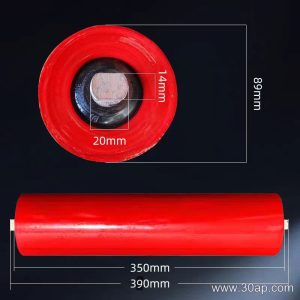
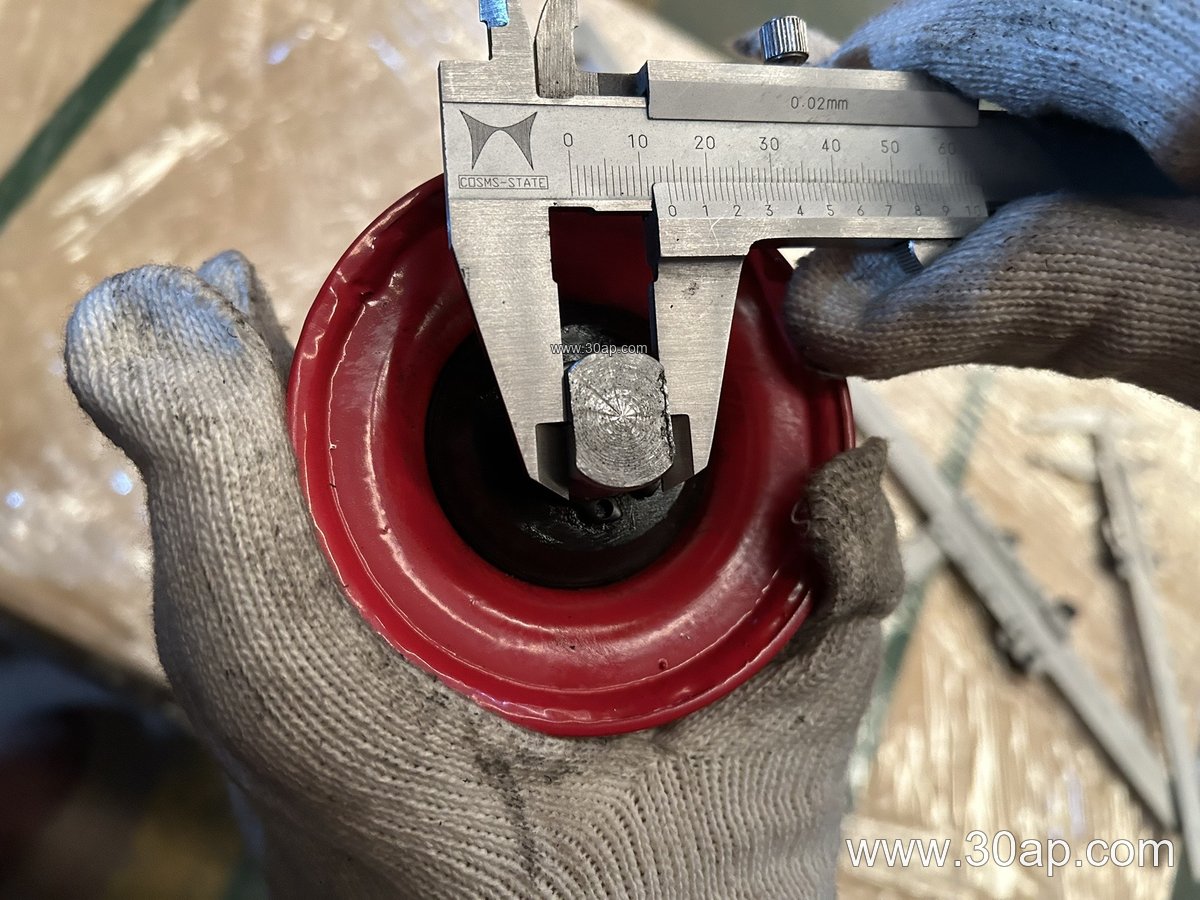
A typical rubber impact idler uses a steel tube core with molded rubber rings pressed or bonded onto the shell. The shaft runs through sealed bearing housings, usually with a labyrinth seal or a contact seal to keep out dust and water. Common roller diameters for this family include Ø89, Ø108, Ø127, Ø133, Ø159, and Ø178 mm, with bearings such as 6204, 6205, 6305, 6306, 6308, and 6310 selected according to load and speed. None of these values should be treated as a fixed pairing; the final choice depends on belt width, material lump size, and the idler set arrangement.
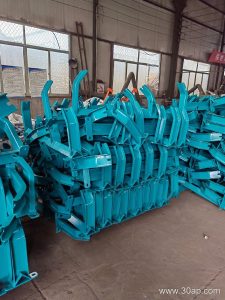
The idler set itself is often a three-roll troughing arrangement with a 20, 30, 35, or 45 degree trough angle. Roll length follows the belt width and the set geometry. For example, a three-roll troughing set commonly uses roll lengths around 200 mm for B500, 250 mm for B650, 315 mm for B800, 380 mm for B1000, 465 mm for B1200, and 530 mm for B1400. Side rolls and center rolls can differ, so these figures are reference points rather than a rule for every conveyor.
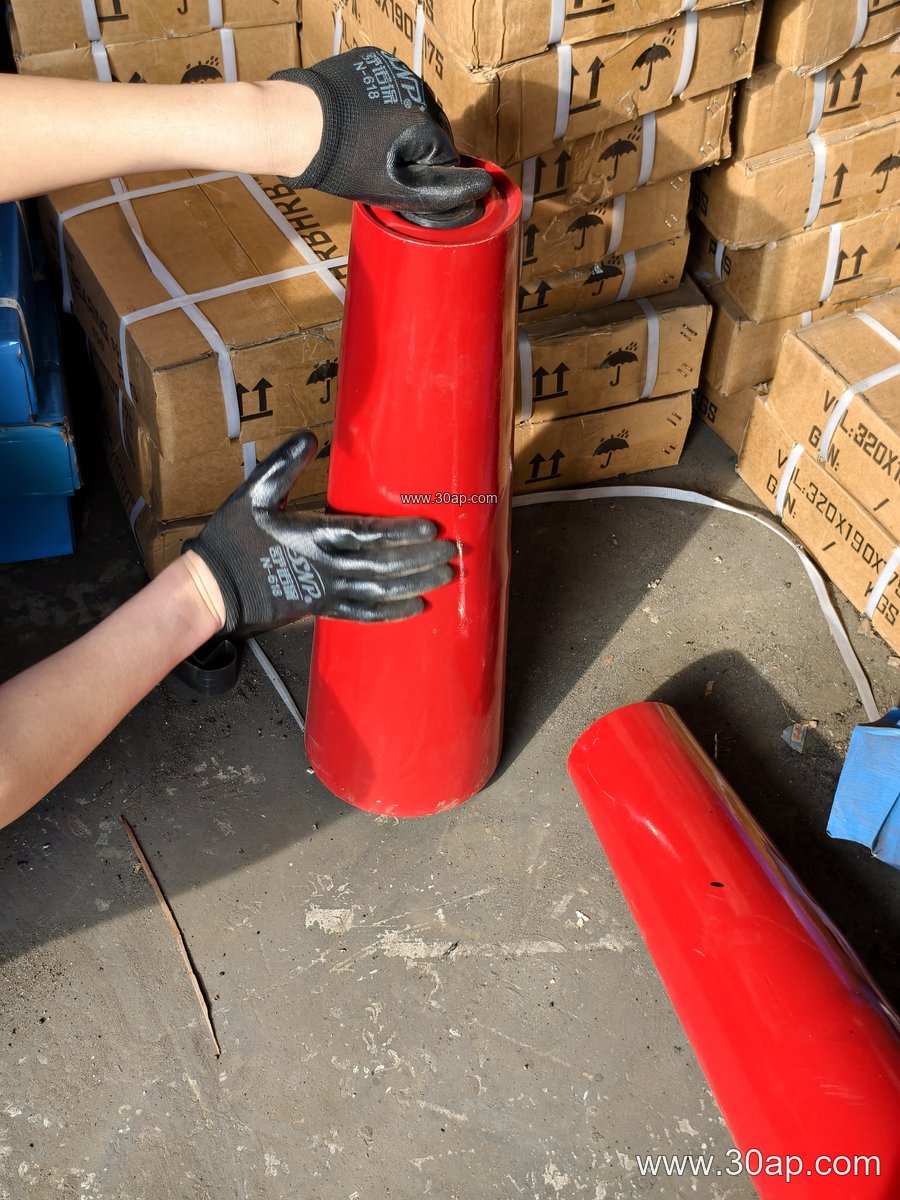
Reference data for impact idler selection
| Parameter | Common range or example |
|---|---|
| Roller diameter | Ø89, Ø108, Ø127, Ø133, Ø159, Ø178 mm |
| Belt width | B500, B650, B800, B1000, B1200, B1400, B1600 |
| Trough angle | 20°, 30°, 35°, 45° |
| Bearing | 6204, 6205, 6305, 6306, 6308, 6310 |
| Surface form | Rubber rings, rubber-covered shell |
Where a conveyor needs a comparison, a standard steel troughing idler may be used on the carrying run away from the loading point, while a rubber impact idler sits directly under the chute. A return idler or a training idler serves a different function and is not a substitute for impact absorption. Likewise, a drive pulley, tail pulley, or bend pulley cannot replace an idler in the loading zone.
Where It Fits in the Plant
Rubber impact idlers are common in aggregate and mining circuits. In a sand and gravel line, they sit below the crusher discharge and at the head of a transfer conveyor. In a coal mining conveyor system, they protect the belt at the seam transfer and at bunker loading points. A cement plant may use them under clinker or limestone drops, and a power plant coal handling system often places them where the belt receives fuel from a stacker or tripper.
Because the rubber surface also reduces noise and vibration, these idlers are sometimes chosen on long overland conveyors near sensitive areas. They work with a range of belt constructions, including EP conveyor belt, NN conveyor belt, and steel cord conveyor belt. On a heavy-duty mining conveyor belt carrying large ore, the impact idler spacing is usually tighter than in a non-impact zone so that the belt does not sag between rollers during the initial landing.
Buyer Checklist
Before ordering, confirm the belt width, the trough angle, the idler set type, and the drop height at the loading point. Ask for the roller diameter, shaft diameter, bearing designation, and seal type. Check that the rubber rings are suitable for the material temperature and oil or chemical exposure. For a food grade conveyor belt or a heat resistant conveyor belt, confirm that the rubber compound and any cover material are compatible with the process. Also verify the bracket dimensions and the mounting hole spacing on the conveyor bracket, since a replacement idler must fit the existing frame.
Spacing is another practical point. Impact idlers are usually placed in a short, closely spaced group under the chute, then transition to standard carrying idlers. The number of impact idlers in that group depends on the belt speed, the lump size, and the belt tension. A buyer should provide the material type, maximum lump size, and expected throughput so the supplier can propose a layout rather than a single roller.
Finally, keep spare rubber rings or complete impact idlers on hand for the loading zone. Inspection should focus on rubber wear, ring looseness, and bearing play. If the rubber surface becomes flat or cracked, the impact absorption drops and the belt may suffer. For more information on conveyor components and belt matching, visit our site at https://www.example.com/rubber-impact-idler and review the conveyor belt and idler roller pages.