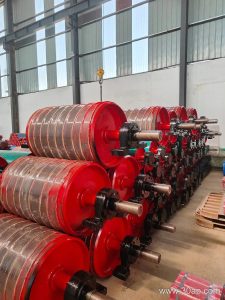
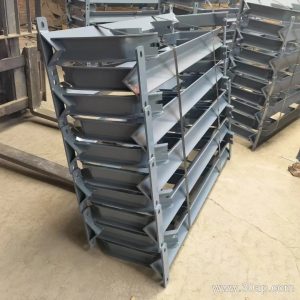
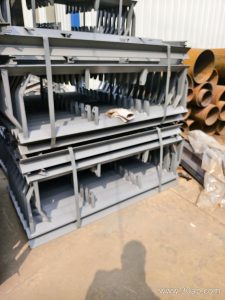
Analyzing Financial Factors Behind an Industrial Idler Roller
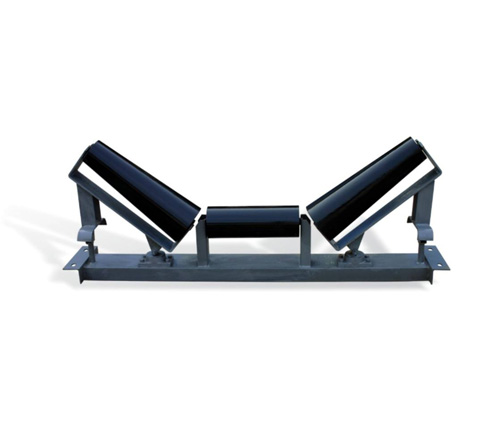
Procuring bulk-handling equipment requires a detailed breakdown of what drives the capital expenditure of an idler roller. Every design specification, from the raw metallic grade to the final dimensional tolerance, dictates the final production outlays. Industrial buyers evaluating quotations for conveyor components often notice wide pricing variations between seemingly identical units. Understanding the underlying financial mechanisms helps engineering and procurement teams balance initial capital investments against long-term operational performance.
Within demanding environments like a dusty quarry, these components face relentless exposure to abrasive mineral dust and severe impact loads. Procurement specialists must look past the sticker price to evaluate how specific manufacturing steps, material choices, and logistical variables accumulate throughout the supply chain.
The Impact of Material Selection on Structural Outlays
The choice of raw materials forms the foundation of manufacturing expenditures for an idler roller. Steel tubing, shaft stock, and bearing housing components represent the largest share of raw material consumption.
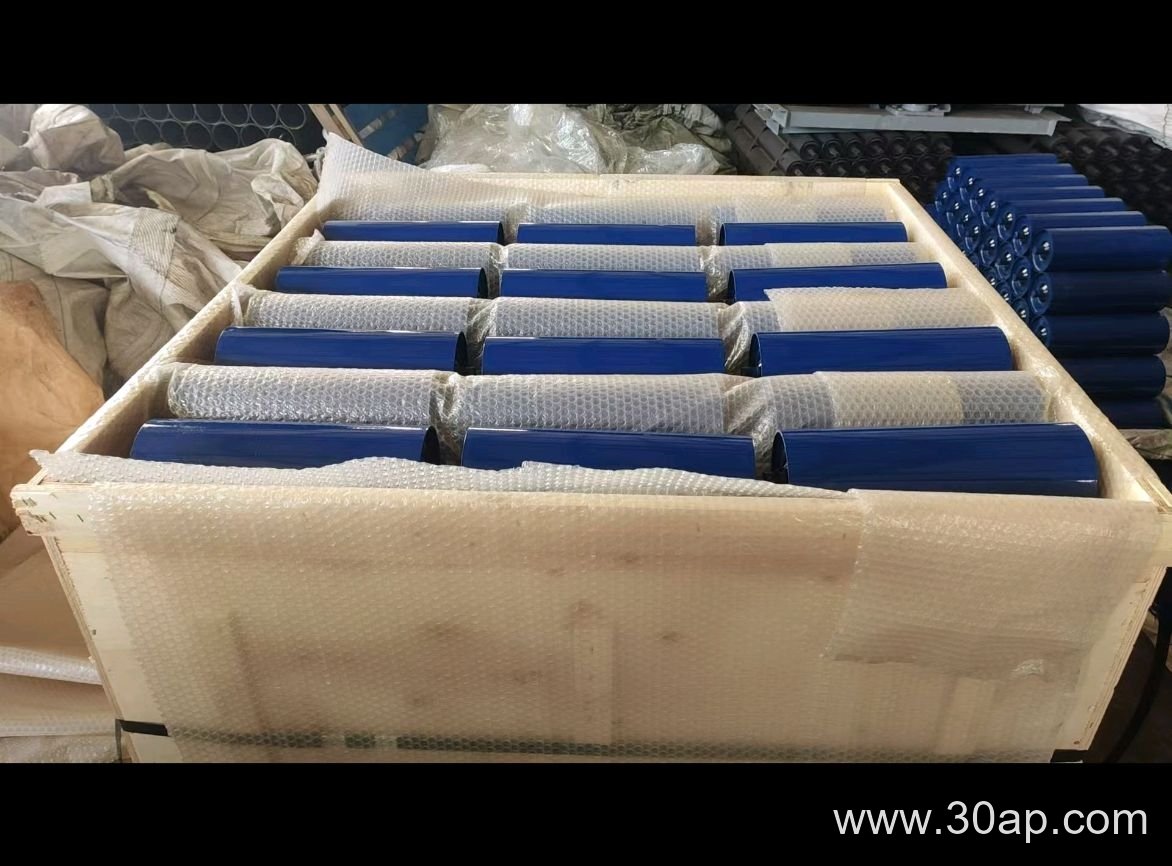
- Shell Thickness and Steel Grades: Higher carbon steel grades or specialized alloy formulations increase base metal costs but provide superior resistance to abrasive wear.
- Bearing and Seal Assemblies: Precision deep-groove ball bearings and multi-labyrinth contact seals require higher material investments than standard commercial-grade alternatives.
- Corrosion-Resistant Coatings: Galvanized finishes, epoxy paints, or specialized powder coats add chemical processing steps that raise material and application expenses.
Selecting lower-grade steels to reduce immediate acquisition costs frequently leads to premature shell thinning under harsh operating conditions, ultimately shortening replacement cycles.
Dimensional Tolerances and Machining Complexity
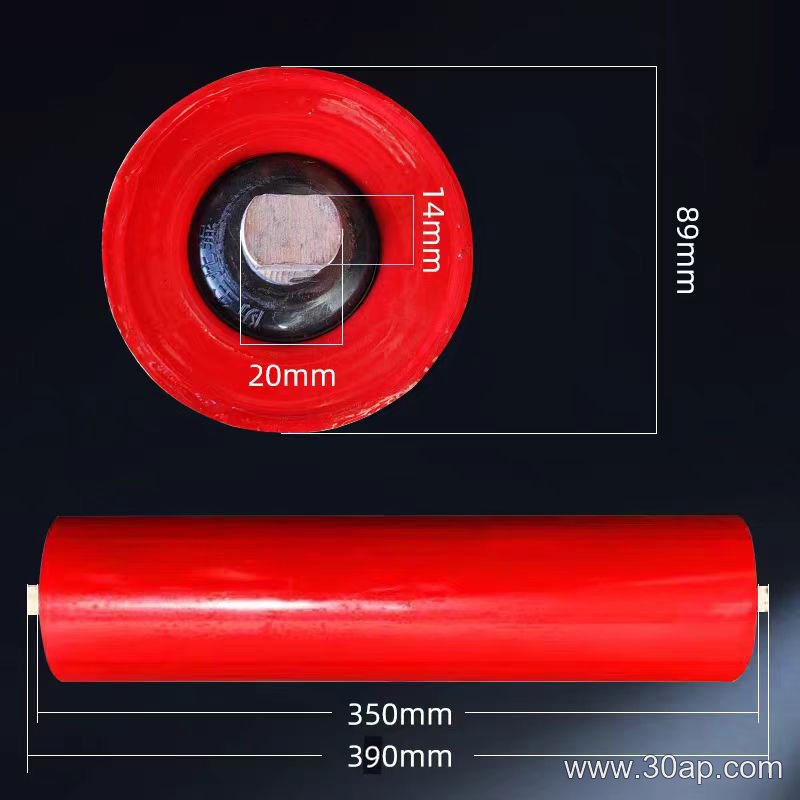
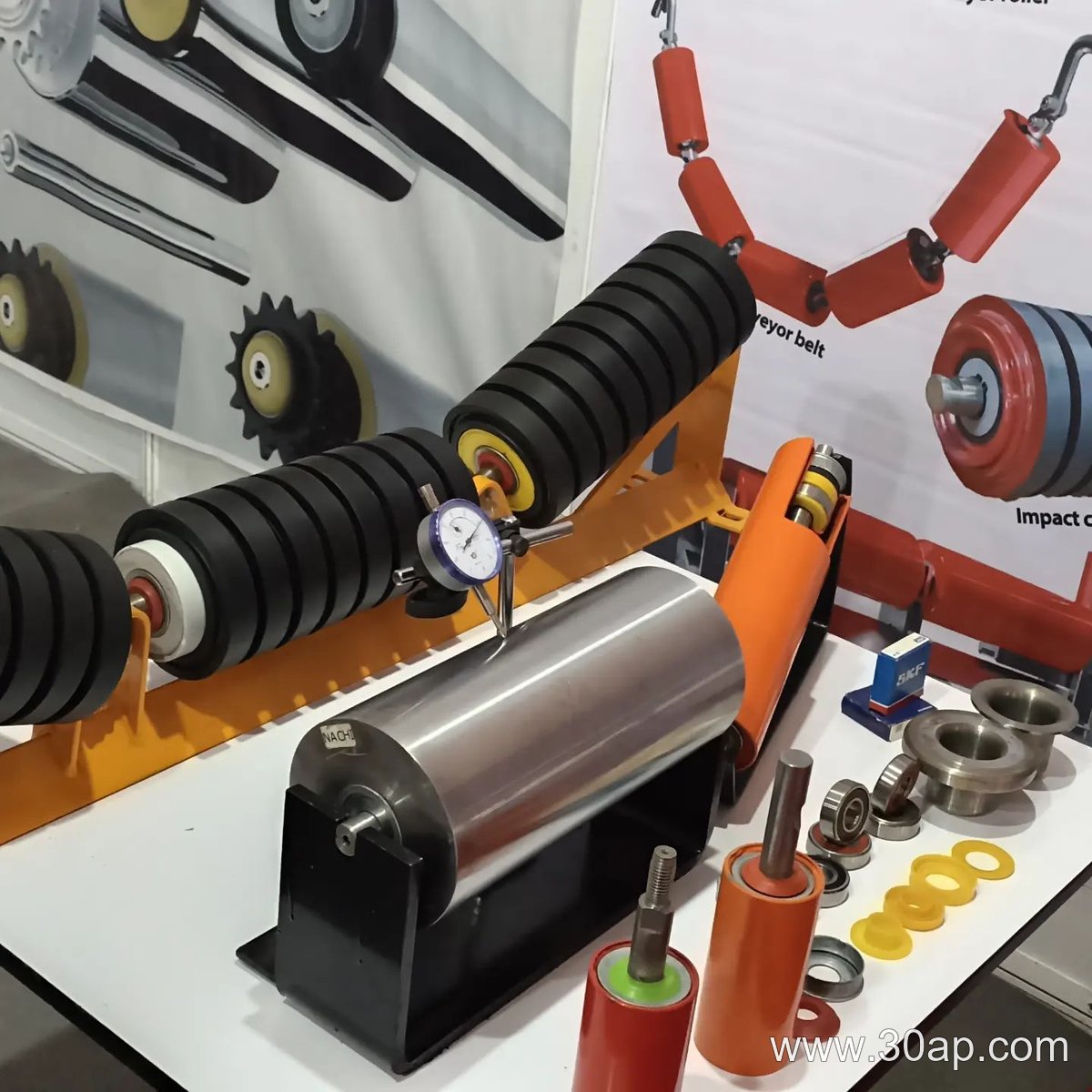
Strict dimensional precision directly influences manufacturing overhead. An idler roller relies on concentricity between the outer shell, bearing housings, and central shaft to prevent destructive vibration during high-speed rotation.
Achieving tight runout tolerances requires advanced CNC machining centers and rigorous quality control inspections. Each additional machining pass, grinding operation, or automated welding sequence increases cycle times and labor requirements. While standard tolerances lower upfront manufacturing costs, they introduce risks of dynamic imbalance, which accelerates bearing wear and increases total lifetime maintenance expenditures.
Manufacturing Efficiency and Production Scale
Factory processes and production volumes play a critical role in unit pricing. Automated tube cutting, robotic welding of end discs, and automated press-fit assembly lines drastically reduce labor-per-unit ratios for high-volume orders.
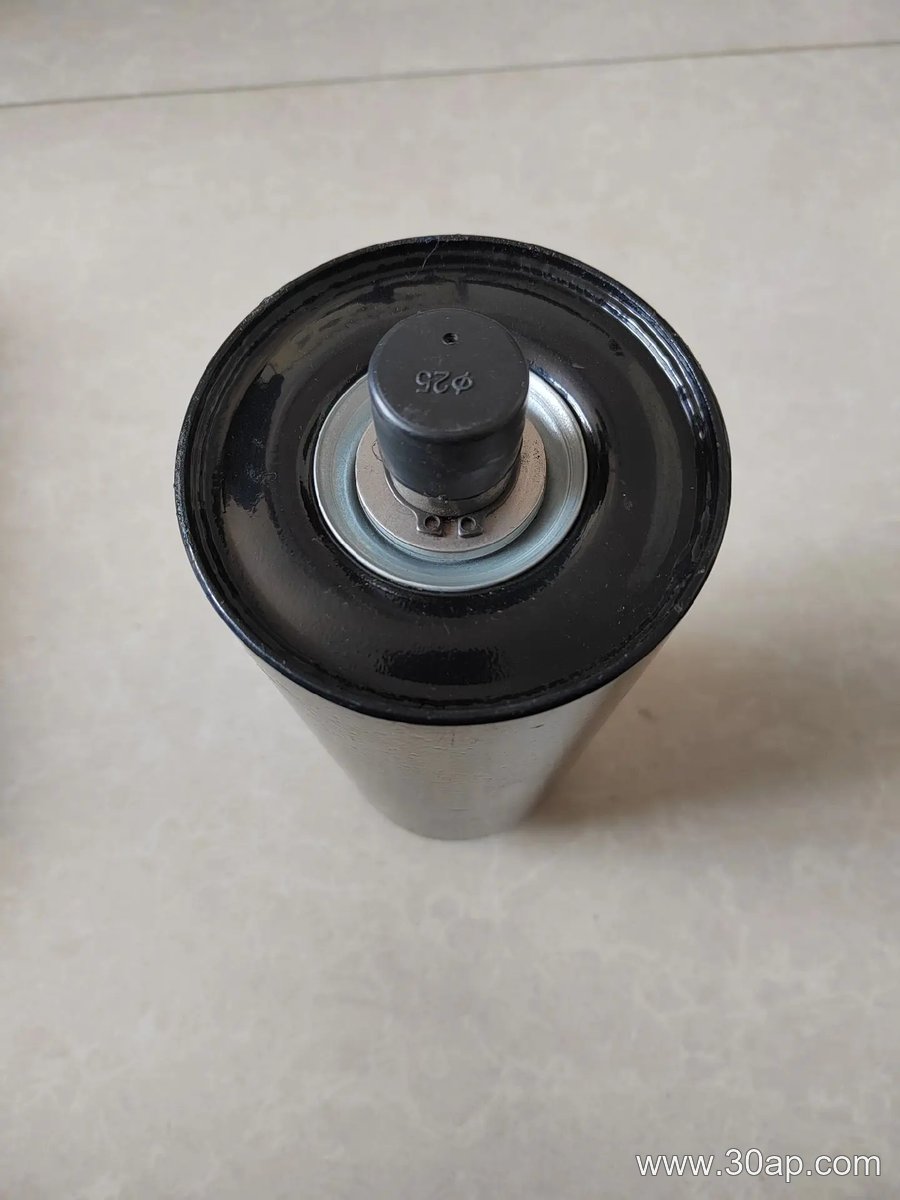
Conversely, custom dimensions or low-batch production runs require manual setup adjustments and specialized tooling fabrication. These non-recurring engineering and setup tasks are absorbed into the final unit cost, making custom configurations significantly more expensive than standard catalog sizes.
Freight and Logistics Variables in Global Procurement
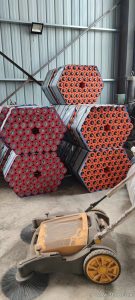
Transporting heavy industrial components introduces significant logistical expenses that must be factored into total acquisition calculations. An idler roller features a dense metallic mass and a rigid cylindrical geometry that limits optimal spatial packing within standard shipping containers.
Shipping costs fluctuate based on weight density, packaging requirements, and overland freight distances from the manufacturing facility to the end-user’s site. Heavy palletized shipments require robust crating to prevent structural deformation during transit, adding packaging material outlays to the final delivery invoice. Strategic buyers optimize transport efficiency by consolidating large replenishment orders to reduce per-unit freight overhead.