What a Ceramic Rubber-Lined Pulley Is
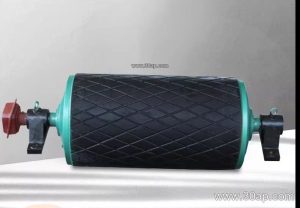
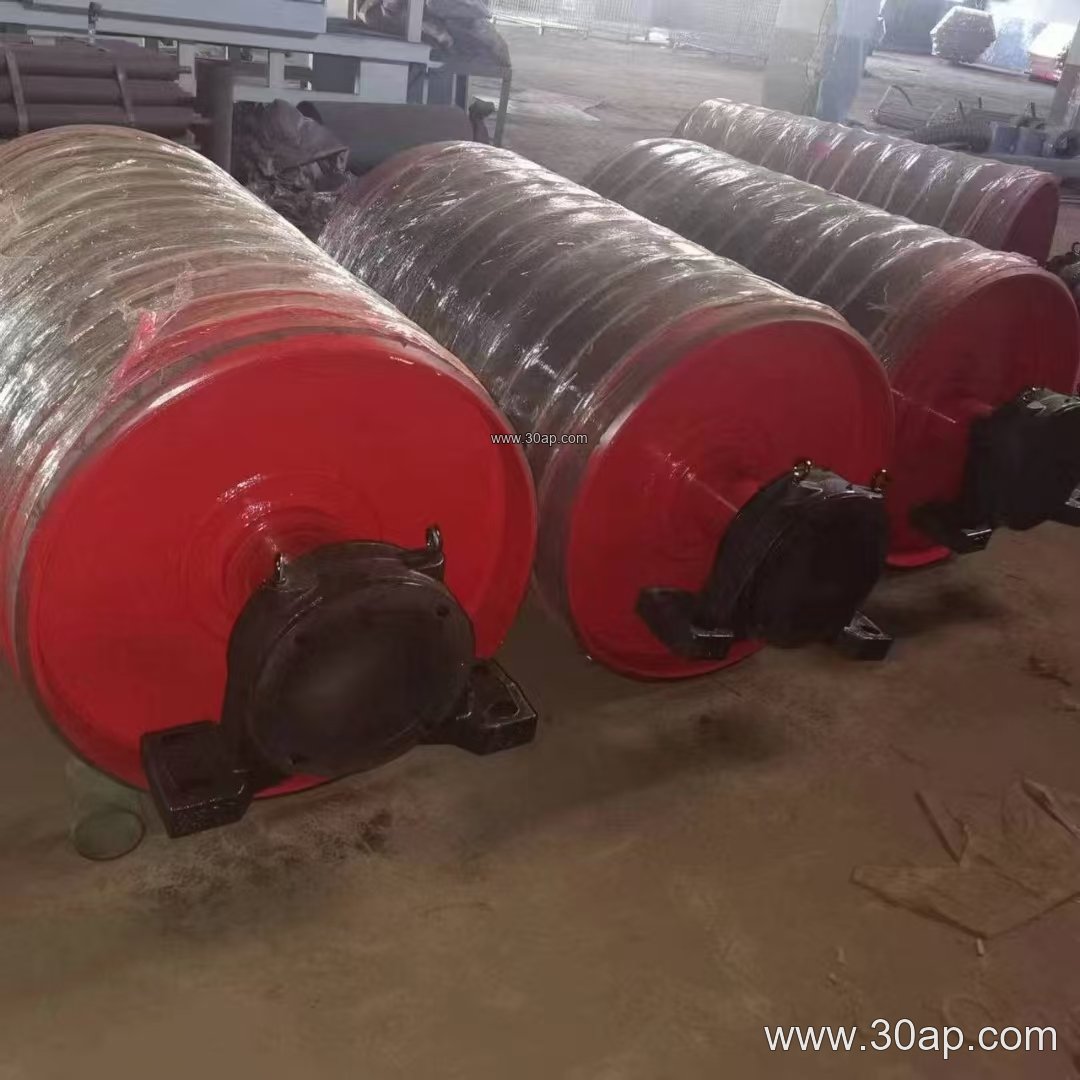
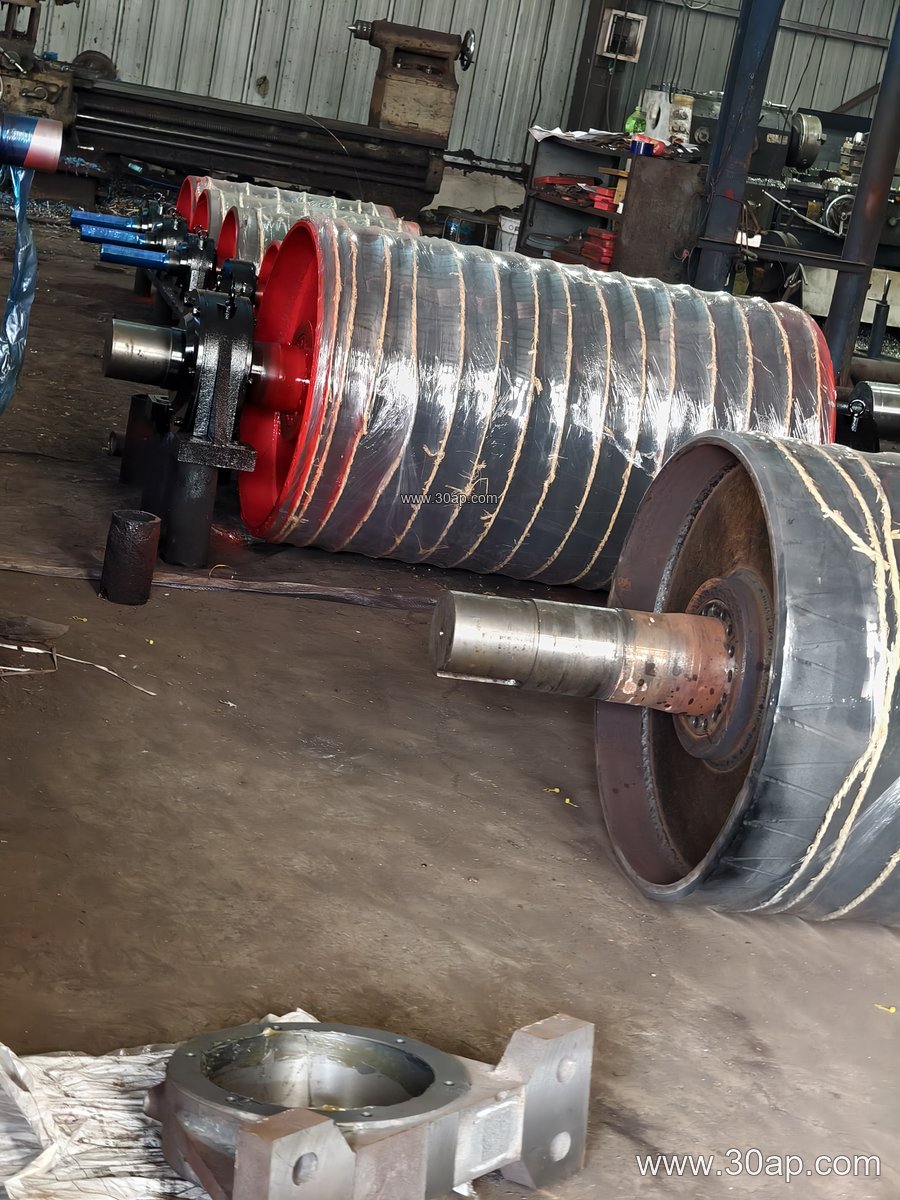
A ceramic rubber-lined pulley is a conveyor pulley whose shell is covered with a rubber layer embedded with small ceramic tiles. The rubber provides grip and flexibility, while the ceramic pieces raise the friction coefficient and resist abrasive wear. In many plants this product is also called a ceramic lagged pulley or ceramic lagging pulley, and all three names describe the same component. It is a wear-protection upgrade for the pulley surface, not a different pulley family. Drive pulleys, tail pulleys, and bend pulleys remain distinct roles, and the ceramic lining can be applied to whichever of them needs extra grip and abrasion resistance.
How the Lining Is Built
The lining is usually produced as ceramic tiles bonded into a rubber sheet, then attached to the pulley shell. Common attachment methods include hot vulcanized bonding and cold-bonded adhesive systems, and the surface may be flat or patterned. Tiles are often set in a staggered layout so that the ceramic blocks share the load while the rubber between them stays flexible. Lining thickness commonly falls in the 8 mm to 20 mm range, with 10 mm, 12 mm, and 15 mm frequently seen. The shell itself is machined and balanced before lining, because an uneven layer can cause vibration and belt tracking problems.
Where It Fits in a Conveying System
Ceramic lining is most useful where the pulley surface sees abrasive dust, fines, or a slightly slipping belt. Typical settings include a quarry or limestone mine feeding a crusher, a coal washing plant, a cement plant clinker line, and a power plant coal handling system. In these places a ceramic rubber-lined pulley on the drive position can protect the shell from wear while keeping friction on the conveyor belt. A bend pulley with the same lining can resist build-up and scuffing from a Fabric Core Conveyor Belt or an EP Conveyor Belt running at moderate tension. The lining is not a substitute for correct belt tension, alignment, or pulley diameter selection.
Matching the Pulley to the Belt
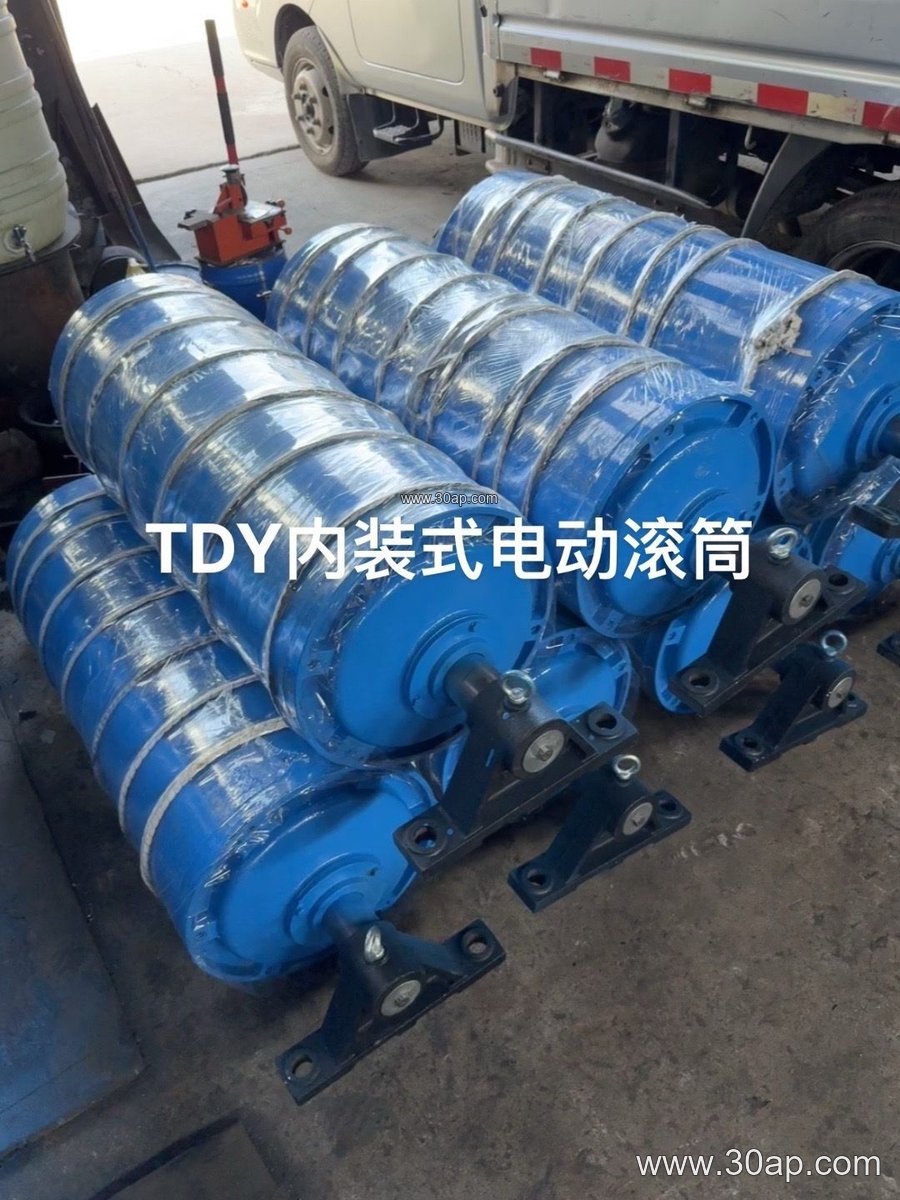
Buyers usually start from belt width and then work out shell width, diameter, and shaft size. The pulley face width is normally a little wider than the belt, and diameter follows the required wrap angle, belt tension, and space at the station. The table below shows common reference combinations; these are examples, not fixed rules, and a B800 belt is not limited to one diameter.
| Belt width | Typical pulley face width | Example diameter | Typical shaft range |
|---|---|---|---|
| B500 | about 600 mm | Ø315 to Ø400 | Ø60 to Ø80 |
| B650 | about 750 mm | Ø400 to Ø500 | Ø70 to Ø90 |
| B800 | about 950 mm | Ø500 to Ø630 | Ø80 to Ø100 |
| B1000 | about 1150 mm | Ø630 to Ø800 | Ø90 to Ø120 |
| B1200 | about 1400 mm | Ø800 to Ø1000 | Ø100 to Ø140 |
| B1400 | about 1600 mm | Ø800 to Ø1250 | Ø120 to Ø160 |
Shaft diameter should be sized from torque and bearing load, not copied from belt width. A heavy-duty mining conveyor with a Steel Cord Conveyor Belt may need a larger shaft and bearing than a lighter aggregate line at the same face width. If the pulley is an idler roller or a small bend pulley, the lining thickness also has to fit the available clearance.
Choosing Between Surface Options
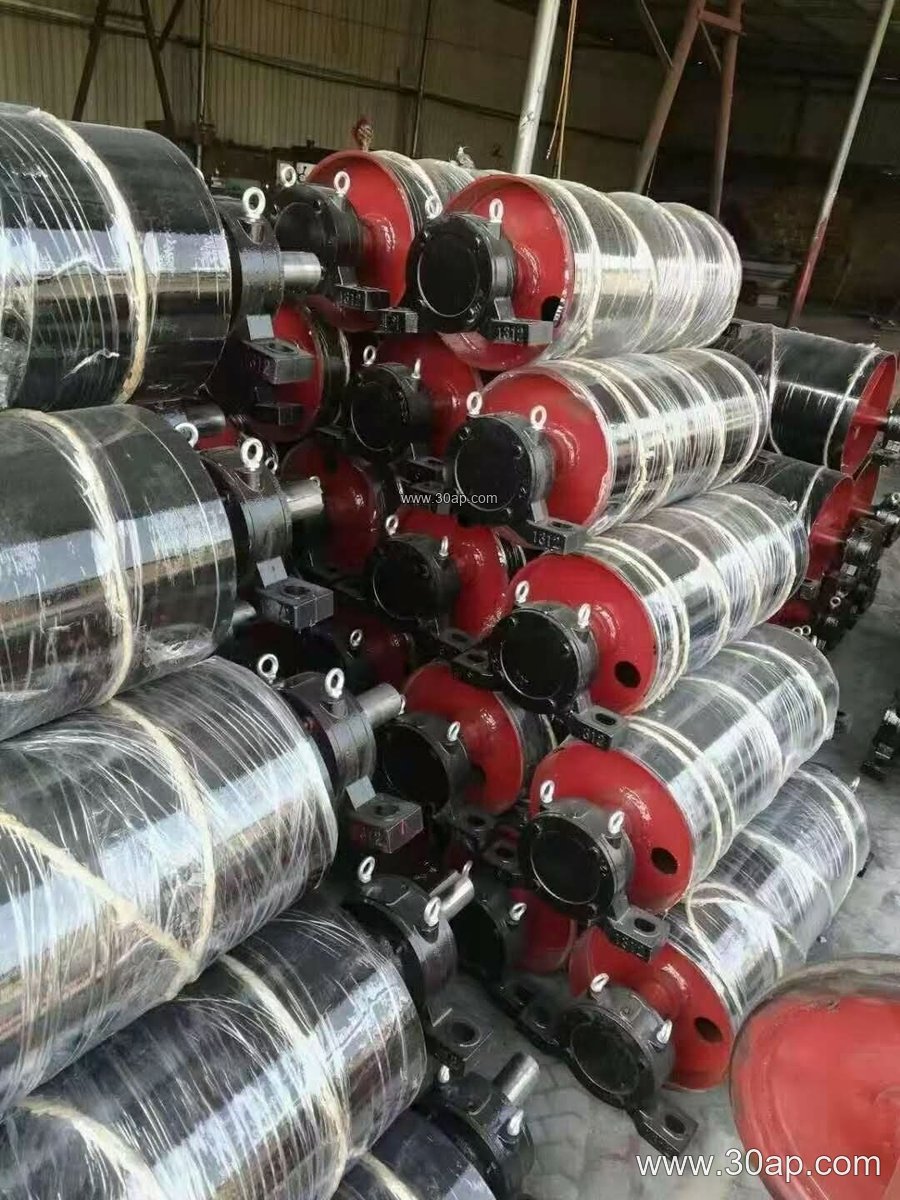
Ceramic lagging is one choice among several. Plain rubber lagging, diamond grooved lagging, and herringbone lagging are common alternatives, and each has a place. Diamond or herringbone patterns help water drainage, while ceramic tiles are chosen mainly for abrasion resistance and grip under dusty conditions. For a tail pulley in a wet, sticky application, a grooved rubber surface may be easier to clean. For a drive pulley on a high abrasion resistant conveyor belt route, ceramic lining can extend service life. The decision should follow the actual material, belt speed, and slip risk rather than a single default.
Buyer Checklist
- Confirm the pulley role: drive, tail, bend, take-up, or snub, since each has different load and wrap requirements.
- Provide belt width, belt type, and belt tension data so the supplier can check face width and shell thickness.
- State the material being carried, such as limestone, coal, clinker, or ore, and whether dust or moisture is present.
- Ask for the lining attachment method, tile pattern, and thickness, for example 12 mm or 15 mm.
- Check shaft diameter, bearing type, and keyway against the conveyor bracket and bearing housing dimensions.
- Review balance and runout requirements, because ceramic lining adds mass and any uneven layer affects vibration.
Good communication about the conveyor pulley station, the belt, and the duty point will do more for lining life than any single specification. A ceramic rubber-lined pulley is a practical wear part when it is matched to the job rather than chosen by name alone.