What an Anti-Static Conveyor Belt Does
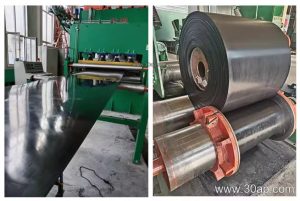
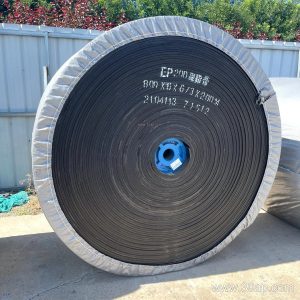
An anti-static conveyor belt is a rubber or fabric-reinforced belt designed to limit the buildup and discharge of static electricity as material moves along a conveyor system. In dry bulk handling, friction between the belt, the material, and the pulleys can generate static charge. If that charge accumulates, it may create a spark risk in dusty or potentially explosive atmospheres, or interfere with sensors and electronic controls. The anti-static conveyor belt addresses this by using conductive or dissipative compounds in the cover and, often, in the carcass so charge can bleed away safely.
These belts are common in coal mining, cement plants, power plants, quarries, and sand and aggregate operations where fine dust is present. They are also used in grain handling, recycling lines, and some port and ship loading systems where static control supports safer operation.
Construction and How Static Control Is Built In
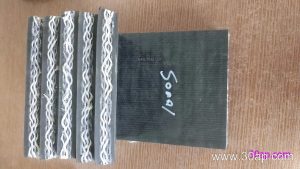
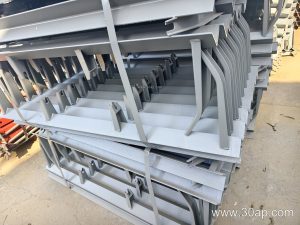
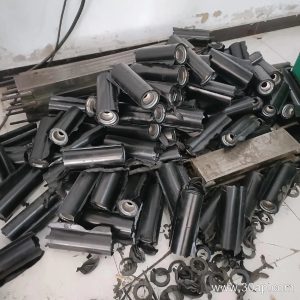
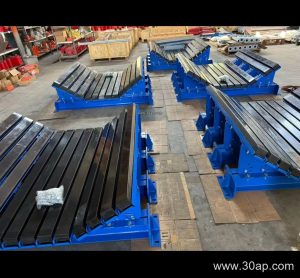
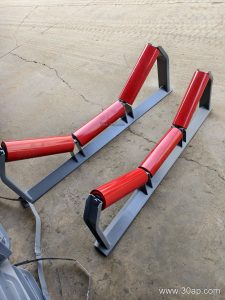
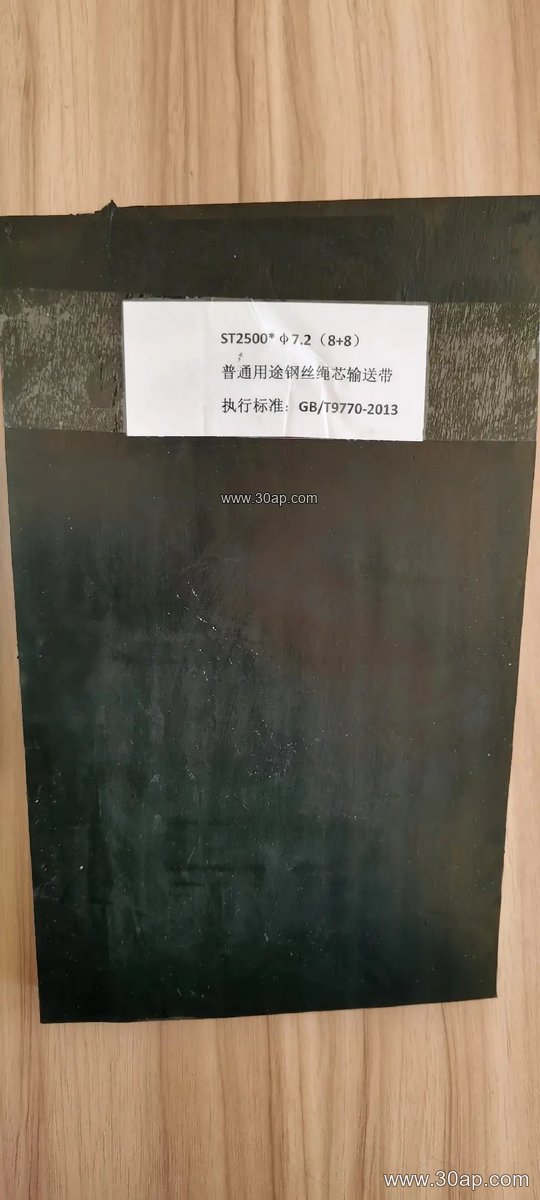
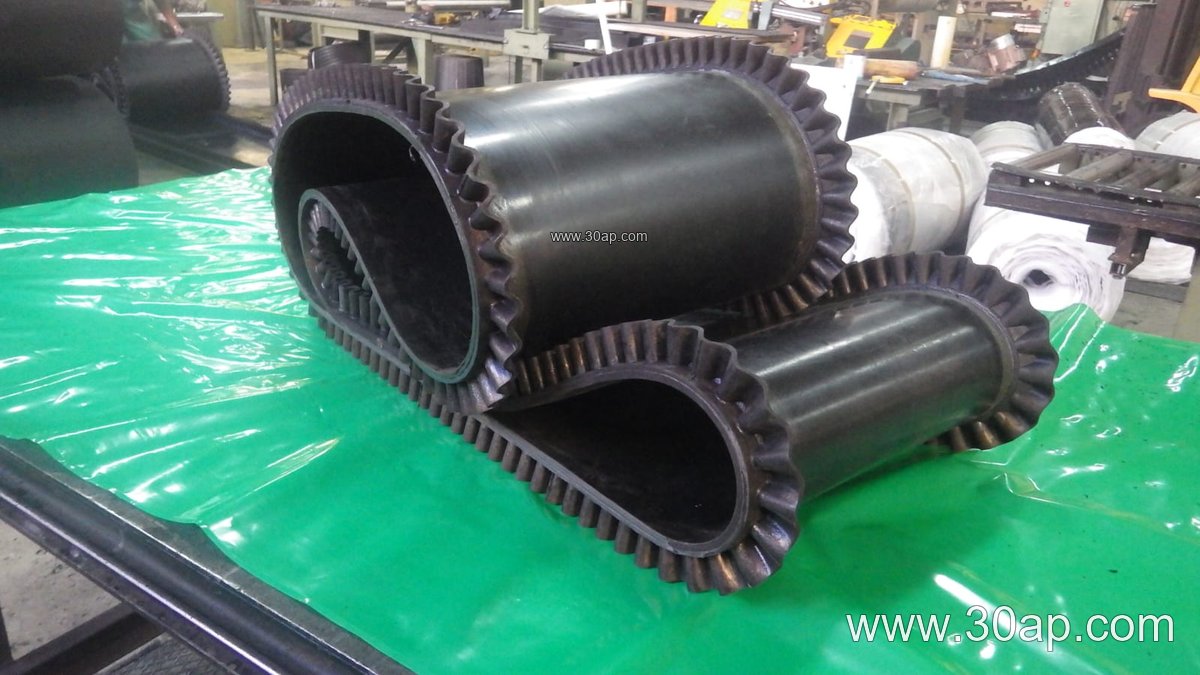
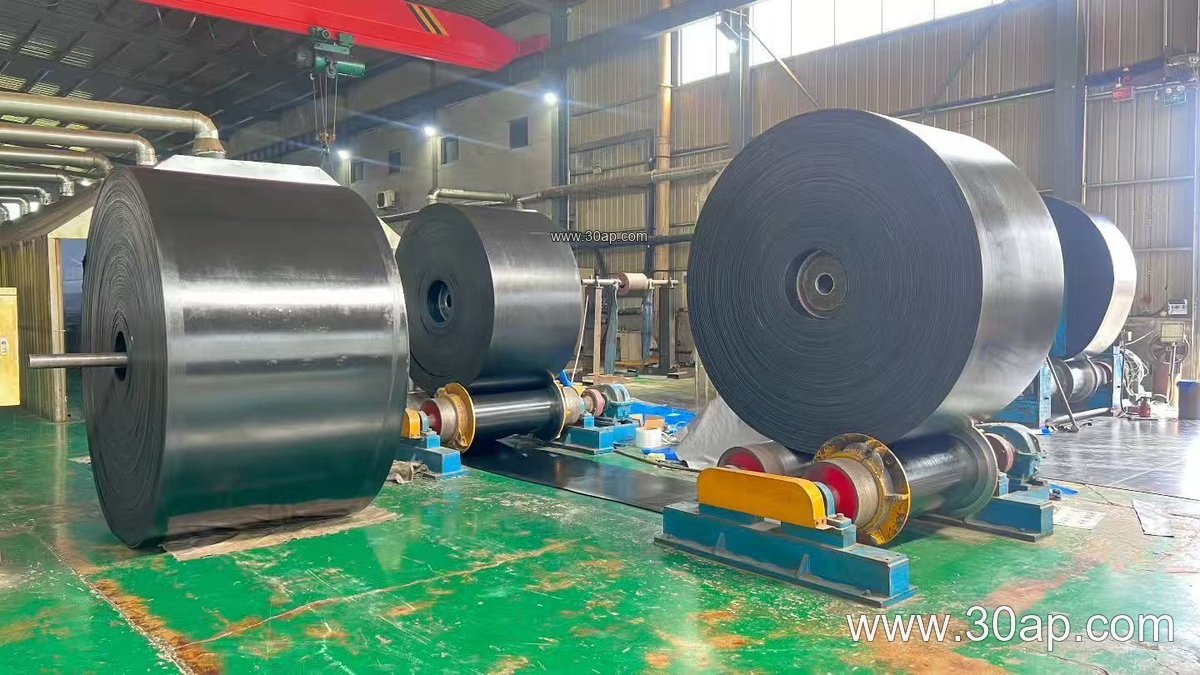
A typical anti-static belt uses a fabric core — often an EP conveyor belt or NN conveyor belt carcass — with rubber covers compounded to reduce surface resistivity. In some designs, conductive fibers or a conductive layer are added to create a continuous path to ground. The belt alone does not remove static; proper grounding of the conveyor frame, idler roller assemblies, conveyor pulley shafts, and conveyor brackets is essential for the charge to dissipate.
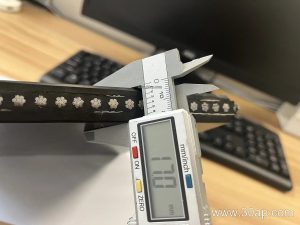
Cover thickness and compound formulation matter. A thicker cover may improve wear life but can affect static performance if the compound is not formulated for it. Buyers should confirm that the anti-static property applies to the full belt, not only the surface, and that the belt can be grounded effectively through the conveyor structure.
Common Construction Reference
| Item | Common Reference |
|---|---|
| Carcass type | Fabric core (EP or NN), steel cord in some heavy-duty designs |
| Strength grades | EP200, EP315, EP400, EP500, EP630, EP800, EP1000 |
| Belt widths | B500, B650, B800, B1000, B1200, B1400, B1600 |
| Cover thickness | 3+1.5 mm, 4+2 mm, 5+2 mm, 6+2 mm |
| Ply count | Usually 2 to 6 layers, depending on design |
These values are reference examples. Actual specifications are determined by the conveyor design, material characteristics, and supplier data.
Where Anti-Static Belts Fit in the Plant
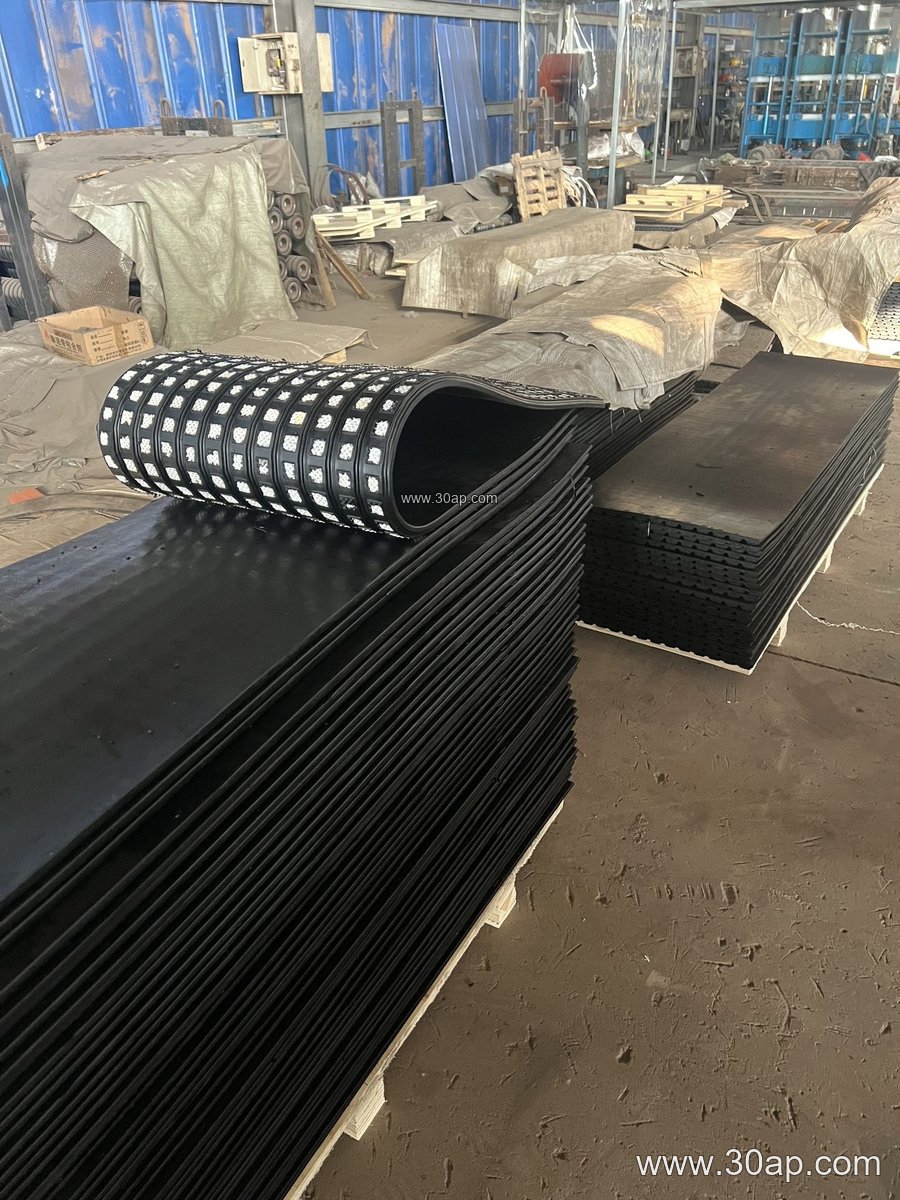
Static control is a system issue. A belt running on a properly grounded conveyor frame with conductive pulleys and idlers is more likely to perform as intended. In underground coal mining, anti-static and flame retardant properties are often specified together, and an underground coal mining conveyor belt may need both. In cement and power plants, anti-static belts help protect dust collection areas and electrical instrumentation. In quarries and crusher lines, they are used alongside abrasion resistant conveyor belts where wear is the dominant concern.
For comparison, a standard rubber conveyor belt without static control may be suitable in non-hazardous, well-grounded installations, but it is not a substitute where static discharge is a recognized risk. Likewise, a flame retardant conveyor belt addresses fire propagation, not static buildup, and the two properties should be evaluated separately unless the belt is designed for both.
Selection and Use Notes for Buyers
- Confirm the required strength grade and carcass type for the load and pulley diameters; do not assume one belt width matches one pulley size.
- Check that the anti-static performance is stated for the finished belt, including covers and splices.
- Plan grounding of the conveyor frame, idler rollers, and conveyor pulleys as part of installation.
- Match cover thickness to abrasion and impact conditions; a 6+2 mm cover may suit heavy ore, while 4+2 mm is common in lighter service.
- Consider related properties such as heat resistance, oil resistance, or flame retardancy only when the duty requires them.
- Review splice method and belt edges, since joints and edges can affect both static control and tracking.
For a complete specification, buyers can review anti-static conveyor belt options at www.example.com/anti-static-conveyor-belt and compare with standard EP conveyor belt and steel cord conveyor belt constructions. Maintenance teams should inspect grounding connections and belt condition regularly, because worn covers, damaged edges, and loose brackets can reduce effectiveness.