Handling Run-of-Mine Ore With a Rugged Conveyor Bracket
Selecting a conveyor bracket for a mineral-processing plant involves careful evaluation of how dense, abrasive mineral ore impacts mechanical support structures. Unlike light manufacturing lines or clean grain handling systems, mineral processing deals with heavy, jagged run-of-mine ore that punishes every transfer point. When iron or copper ore drops from a crusher onto a moving belt, the sheer weight and kinetic energy send severe shockwaves directly down to the conveyor bracket holding the idler rolls. If the support hardware lacks sufficient section thickness or proper geometric rigidity, it will quickly distort, leading to belt mistracking and catastrophic spillage.
Engineers designing these heavy-duty handling lines must analyze how lump size and material density dictate mechanical loads. Ore handling places unique demands on structural components, requiring a specialized conveyor bracket capable of withstanding continuous multi-directional stress without fatiguing.
Coping with High Impact Zones and Shock Loading
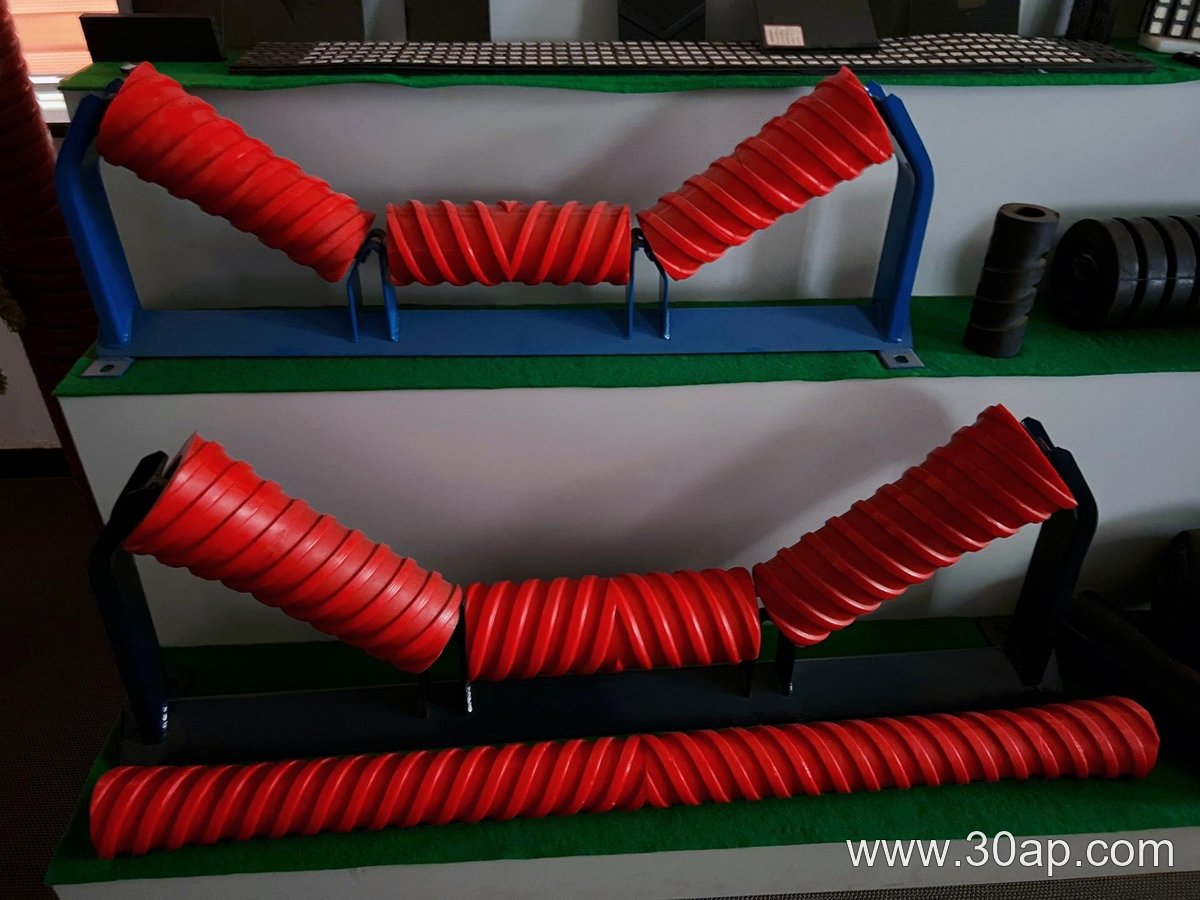
In primary crushing and screening circuits, the conveyed material consists of massive, irregular rocks that create localized impact peaks. Every time a heavy ore chunk strikes the belt directly above an idler junction, the underlying conveyor bracket experiences a dynamic shock load far exceeding the static weight of the material bed. Plant designers counteract this by specifying impact-absorbing idler configurations mounted to reinforced structural steel shapes.
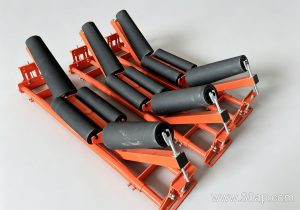
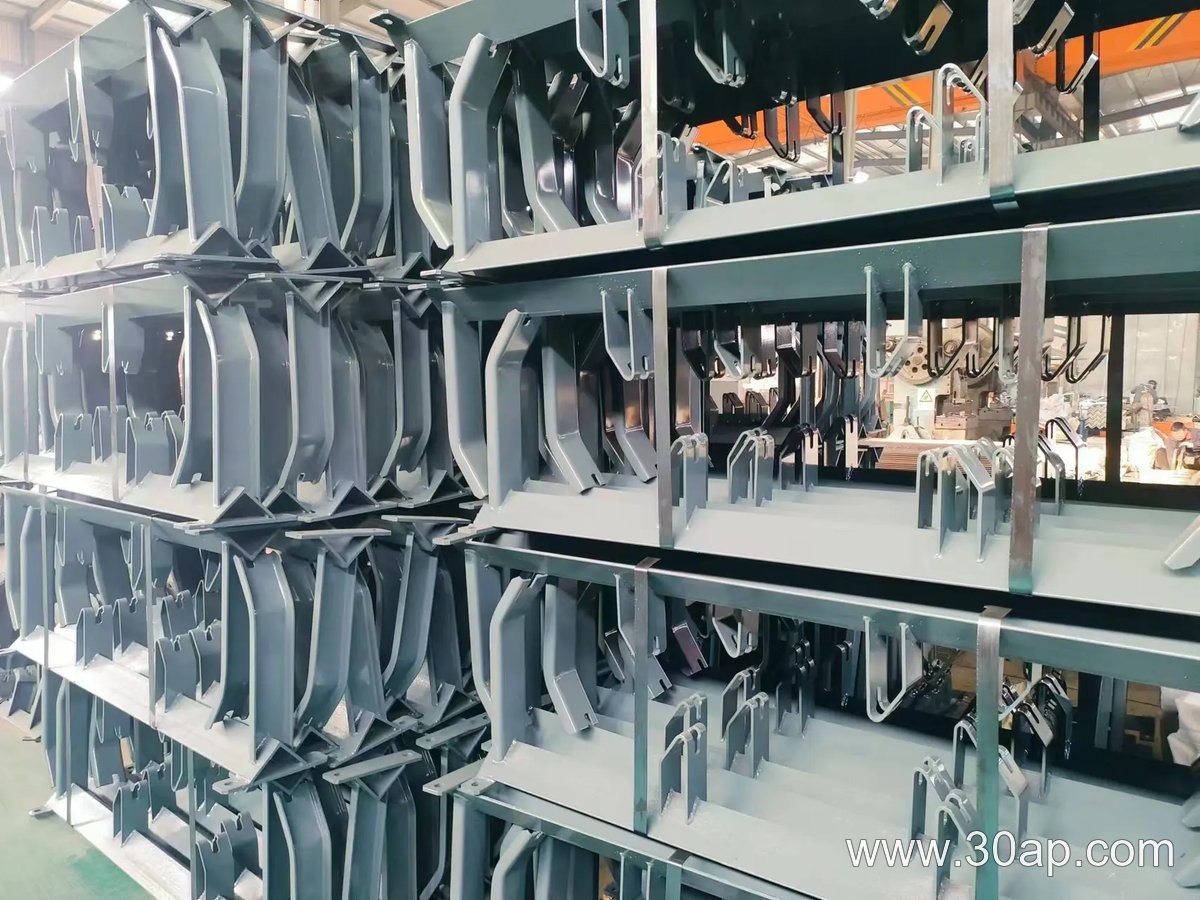
To maintain structural integrity under these punishing conditions, the conveyor bracket must feature gusseted corners and heavy-gauge baseplates. Without adequate reinforcement, high-impact ore transfer zones will cause mounting bolts to shear or weld seams to crack. Plant maintenance teams look for welded steel assemblies that distribute these dynamic forces evenly across the stringer channel rather than concentrating stress at a single bolt hole.
Managing Abrasive Dust Accumulation and Wear
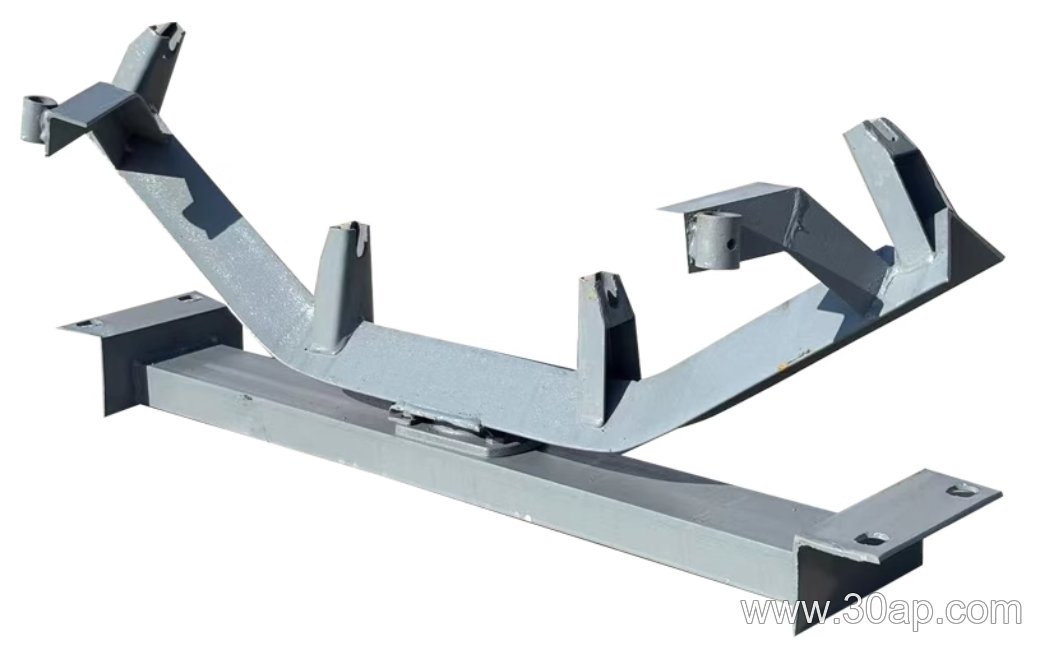
Mineral processing plants generate immense quantities of fine, highly abrasive dust that settles on every available horizontal surface. When fine silica or metallic dust mixes with ambient moisture or residual lubrication, it forms an abrasive paste that attacks mechanical fasteners and structural joints. A poorly designed conveyor bracket can trap this particulate matter in tight crevices, accelerating frictional wear between the mounting foot and the stringer.
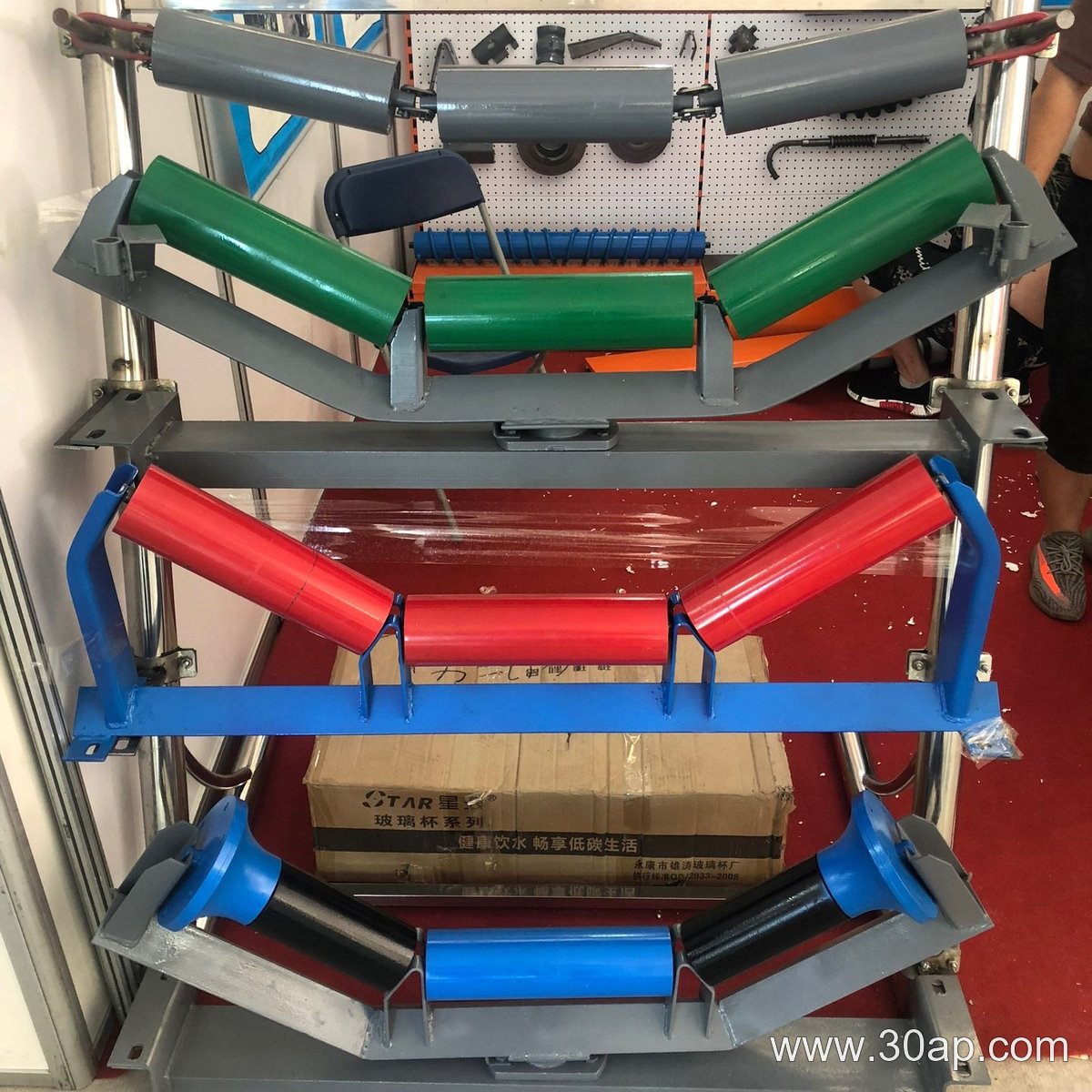
Design strategies to mitigate dust accumulation include sloped upper surfaces that shed debris and open geometries that allow for effective washdown cycles during plant maintenance shifts. Furthermore, engineers must select appropriate protective coatings or corrosion-resistant base metals if the ore slurry contains acidic compounds or if the processing facility operates in a humid, wet environment.
Optimizing Structural Geometry for Heavy Bulk Loads
The physical profile of a conveyor bracket determines its section modulus and resistance to bending moments created by off-center material loads. When wet ore piles higher on one side of the troughed belt due to uneven feeder discharge, the lateral forces push sideways against the roller rolls. This asymmetric loading forces the supporting conveyor bracket to resist both downward crushing forces and horizontal twisting moments.
- Use deep-formed channel profiles or welded plate construction to maximize resistance against torsional twist.
- Ensure slotted mounting holes provide adequate adjustment range for precise belt alignment during initial commissioning.
- Verify that bolt spacing matches standard stringer dimensions to prevent field modification torch-cutting that weakens the parent metal.
- Incorporate heavy transverse gussets where high-tension belts change elevation or navigate tight horizontal curves.
Balancing Rigidity and Maintenance Access
While maximum structural rigidity is vital for handling dense metallic ores, plant operators also prioritize ease of maintenance. A conveyor bracket must be robust enough to survive years of pounding from heavy aggregate, yet designed to allow quick component changeouts during scheduled shutdowns. Frozen bolts, inaccessible fastener heads, or overly complex multi-piece assemblies can turn a simple idler replacement into a major bottleneck. By focusing on clean, rugged geometries that withstand massive ore impact while simplifying field service, industrial facilities ensure long-term operational continuity.